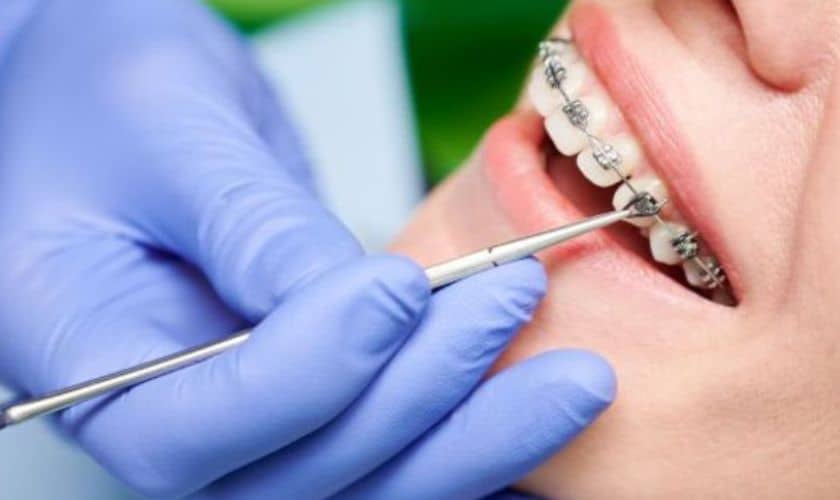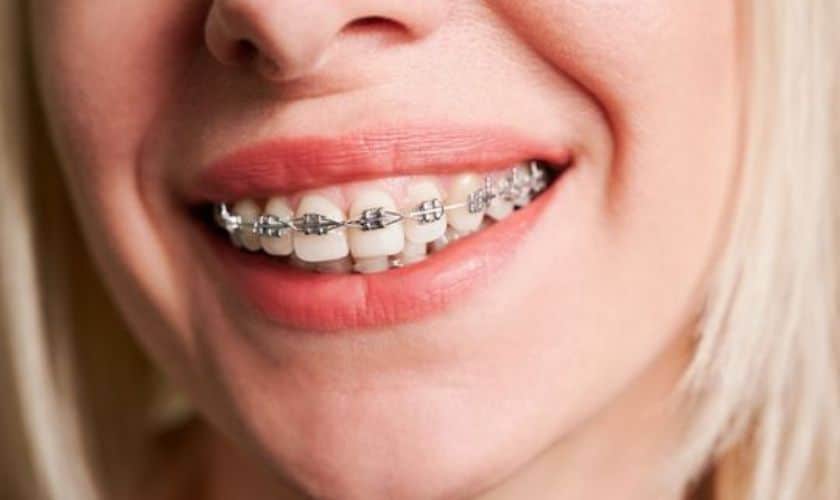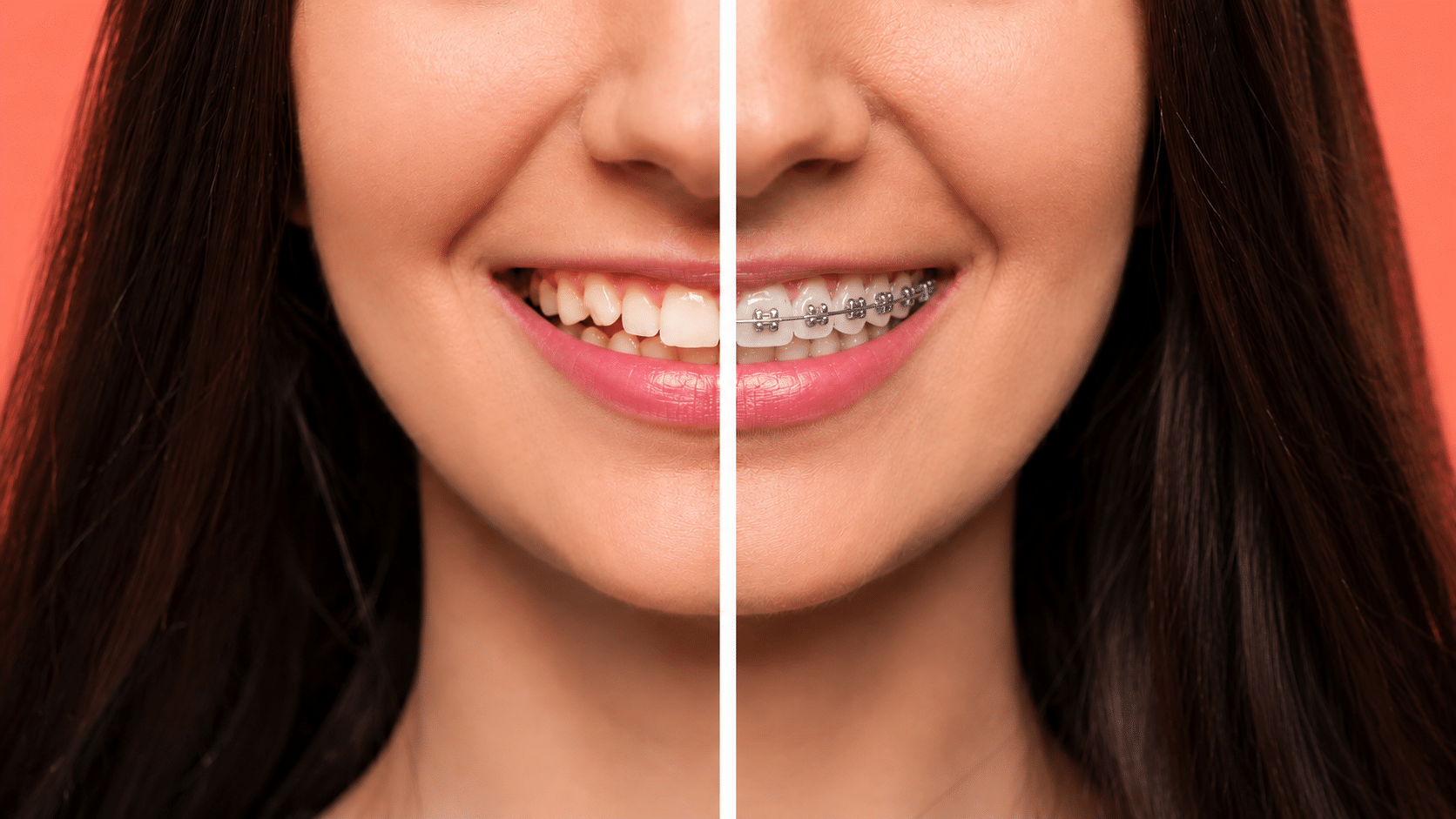
Completing orthodontic treatment is an exciting milestone. After months or years of wearing braces or aligners, seeing your new smile can feel like a major achievement. However, many patients notice something concerning after treatment: their teeth are starting to shift again.
If you have experienced teeth moving after braces, you are not alone. Many people wonder why their teeth are becoming crowded, developing small gaps, or changing position even after successful orthodontic treatment.
The good news is that tooth movement can often be managed with the right care and guidance from an experienced orthodontist.
At Khan Orthodontic Group, patients in Jericho, Merrick, Maspeth, and surrounding New York communities receive personalized orthodontic care designed to create healthy, stable, and long-lasting smiles.
Why Do Teeth Shift After Braces?
Your teeth are supported by bone, gums, and surrounding tissues that continue to adjust even after braces are removed. According to the National Institute of Dental and Craniofacial Research (NIDCR), these oral structures can change over time, which is why some tooth movement may occur after orthodontic treatment. Wearing your retainer as recommended helps protect your smile and maintain your results.
Here are some common reasons teeth may shift after braces:
1. Not Wearing Retainers as Recommended
The most common reason teeth shift after orthodontic treatment is not wearing retainers consistently.
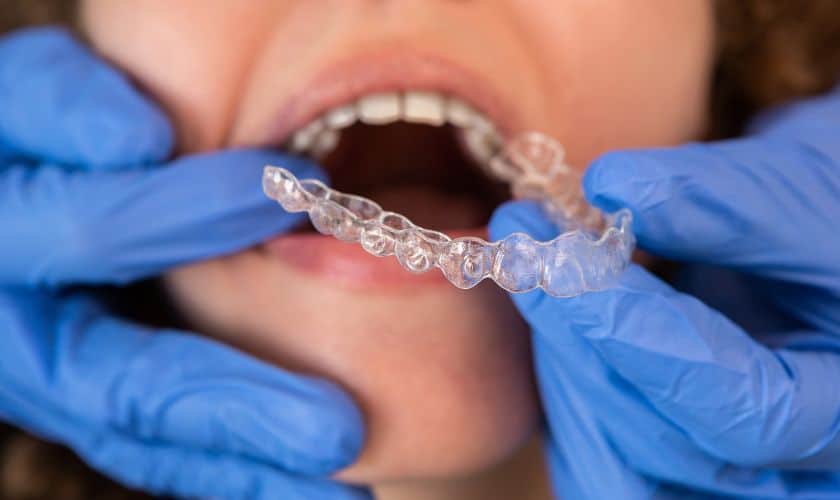
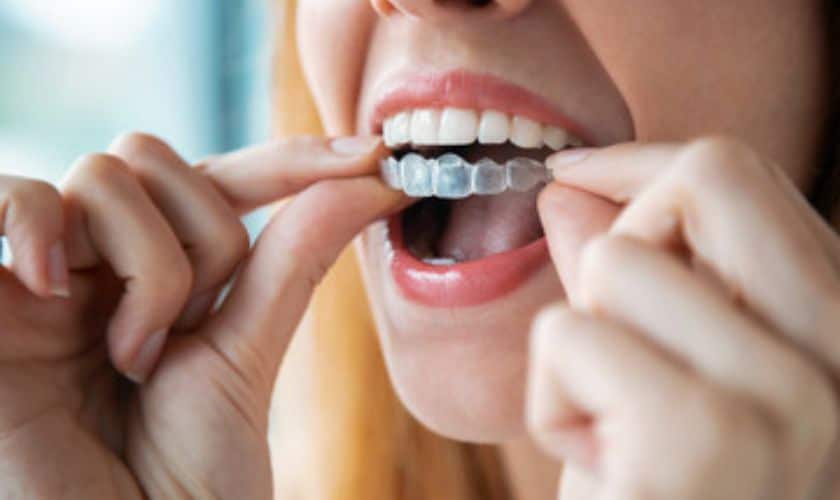
Retainers help maintain the position of your teeth after braces or Invisalign treatment. Without them, teeth may gradually move back toward their original positions.
Many patients think retainers are only needed for a few months after braces, but long-term retention is often important for maintaining your results.
2. Natural Changes as You Age
Your smile can continue changing throughout your life.
Factors such as:
- Jaw growth
- Changes in facial structure
- Normal pressure from chewing
- Changes in gum and bone support
- Can influence tooth position over time.
Even people who never had braces may experience changes in tooth alignment as they get older.
3. Previous Orthodontic Issues Returning
Some orthodontic concerns require ongoing maintenance.
For example:
- Crowded teeth may become noticeable again
- Gaps may reopen
- Bite alignment may change
This is why regular orthodontic follow-ups and proper retainer use are important after treatment.
4. Changes in Your Retainer
Retainers also require attention.
Over time, retainers can:
- Become loose
- Wear out
- Stop fitting correctly
A retainer that no longer fits properly may not hold your teeth in their ideal positions.
If your retainer feels tight, uncomfortable, or does not fit like it used to, it is best to consult your orthodontist.
How Can You Prevent Teeth From Shifting After Braces?
Maintaining your new smile requires consistent care. Here are some ways to protect your orthodontic results:
Wear Your Retainer as Directed
Your retainer is an important part of your orthodontic treatment, not an optional step. Following your orthodontist’s instructions helps keep your teeth aligned.
Attend Follow-Up Appointments
Regular checkups allow your orthodontist to monitor your smile and identify any early changes.
Maintain Good Oral Health
Healthy teeth and gums provide better support for your smile.
Continue practicing:
- Daily brushing
- Flossing
- Regular dental cleanings
Replace Damaged Retainers
If your retainer is lost, cracked, or no longer fits properly, contact your orthodontic office for guidance.
Can Shifted Teeth Be Fixed After Braces?
Yes, in many cases, teeth that have shifted after orthodontic treatment can be corrected.
The right solution depends on:
- How much movement has occurred
- Your current bite
- Your overall oral health
- Your previous orthodontic treatment
Some patients may benefit from a new retainer, while others may need additional orthodontic treatment such as Invisalign or braces. An orthodontic evaluation is the best way to understand your options.
Why Choose an Orthodontist for Teeth That Have Shifted?
If your teeth have started moving after braces, it is important to seek guidance from an orthodontic professional rather than waiting for the problem to worsen.
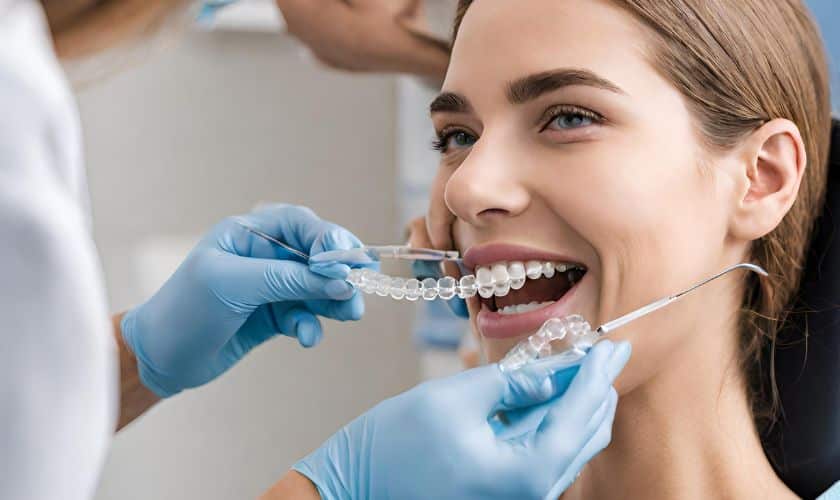
An orthodontist understands how teeth move and can evaluate whether your smile needs minor adjustments or additional treatment.
At Khan Orthodontic Group, patients receive customized recommendations based on their unique smile needs and orthodontic history.
Whether you completed braces years ago or recently noticed changes in your alignment, professional guidance can help protect your results.
Final Thoughts
Seeing your teeth shift after braces can be frustrating, but it does not mean your orthodontic journey has failed.
With proper retainer care, regular orthodontic monitoring, and timely treatment when needed, you can maintain a healthy and confident smile for years.
If you notice changes in your teeth after braces, scheduling an orthodontic consultation is the best first step toward protecting your smile.
Frequently Asked Questions (FAQs)
Is it normal for teeth to shift after braces?
Yes, some minor movement can happen after braces. However, significant changes should be evaluated by an orthodontist.
How long do I need to wear retainers after braces?
Retainer recommendations vary by patient, but many orthodontists recommend long-term retainer use to maintain results.
Can Invisalign fix teeth that shifted after braces?
In many cases, Invisalign can help correct mild to moderate tooth movement after previous orthodontic treatment. An orthodontist can determine if it is the right option.
What happens if I stop wearing my retainer?
Without regular retainer use, teeth may gradually move, and your smile may change over time.
Should I visit an orthodontist if my old retainer does not fit?
Yes. A retainer that no longer fits properly may indicate tooth movement and should be checked by an orthodontic professional.