Call Today!    Merrick | Jericho | Maspeth

Why a Visit to an Orthodontist Could Be Your Smile’s Best Move?

Why a Visit to an Orthodontist Could Be Your Smile’s Best Move?

Why a Visit to an Orthodontist Could Be Your Smile's Best Move?

A radiant smile does more than enhance your appearance—it boosts your confidence and plays a crucial role in oral health. However, misaligned teeth, gaps, or bite issues can stand in the way of that perfect grin. That’s where we come in at Khan Orthodontic Group.

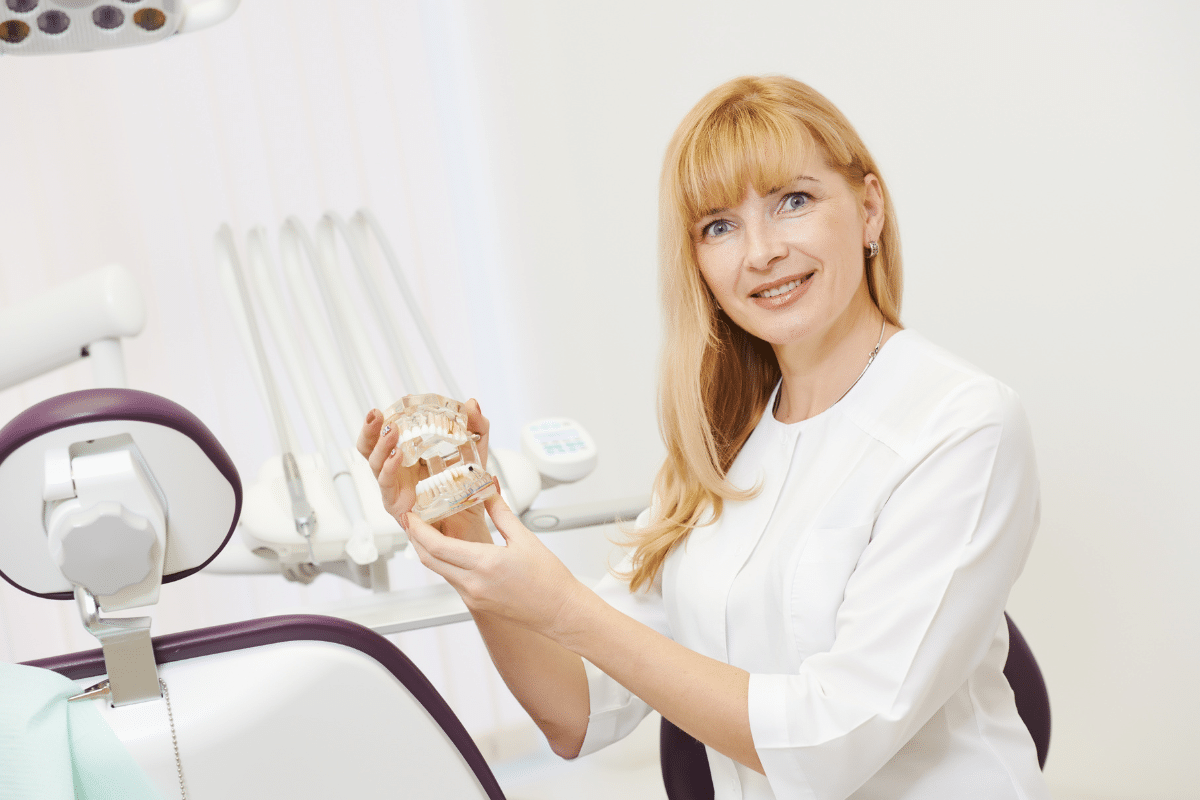
Located conveniently in Merrick, our team of skilled orthodontists is dedicated to creating beautiful, healthy smiles for patients of all ages. But how do you know if you need an orthodontist? Here are some key reasons why scheduling a consultation with us could be the best decision for your smile:

  • Creating a Flawless Smile

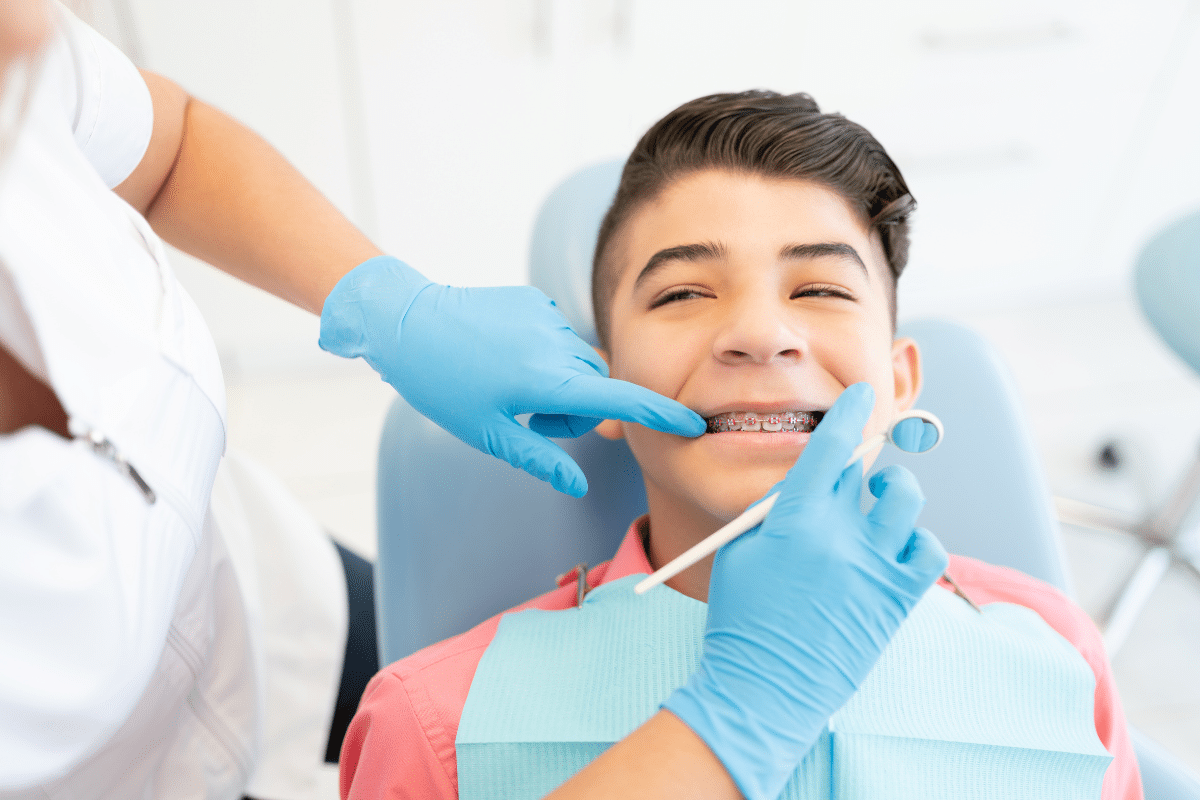
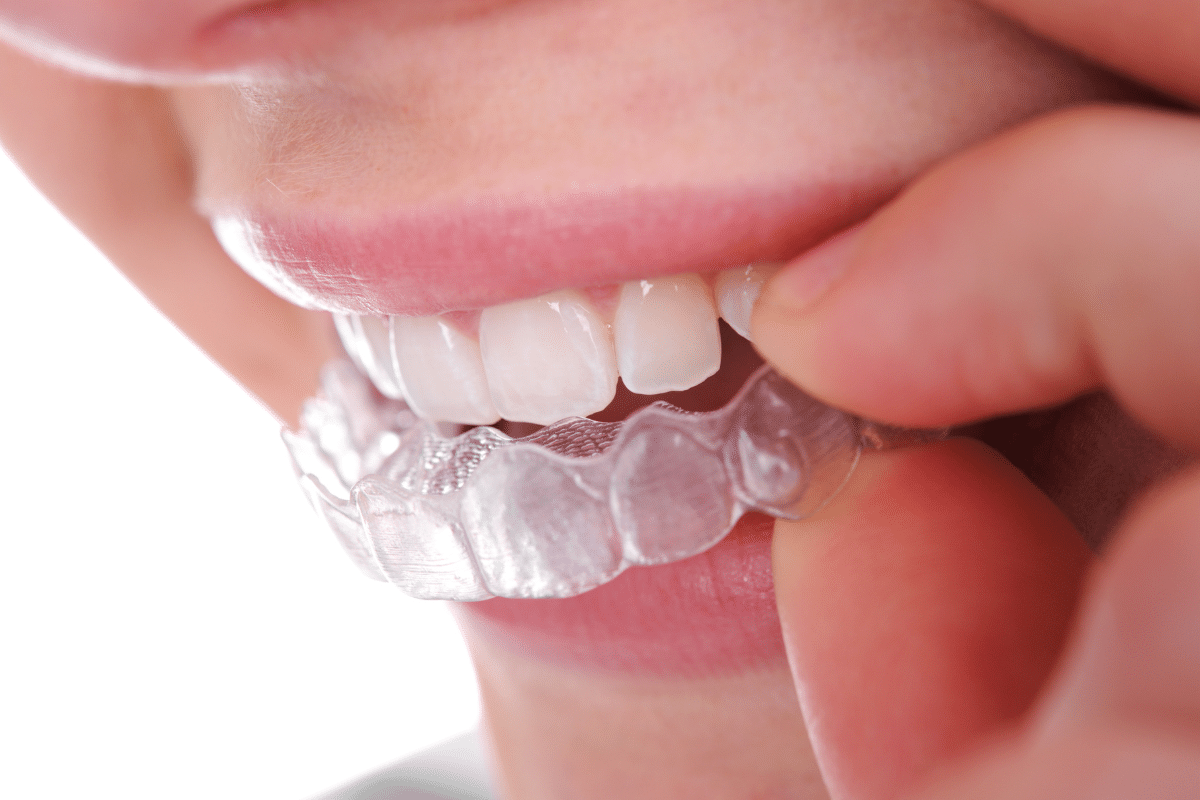
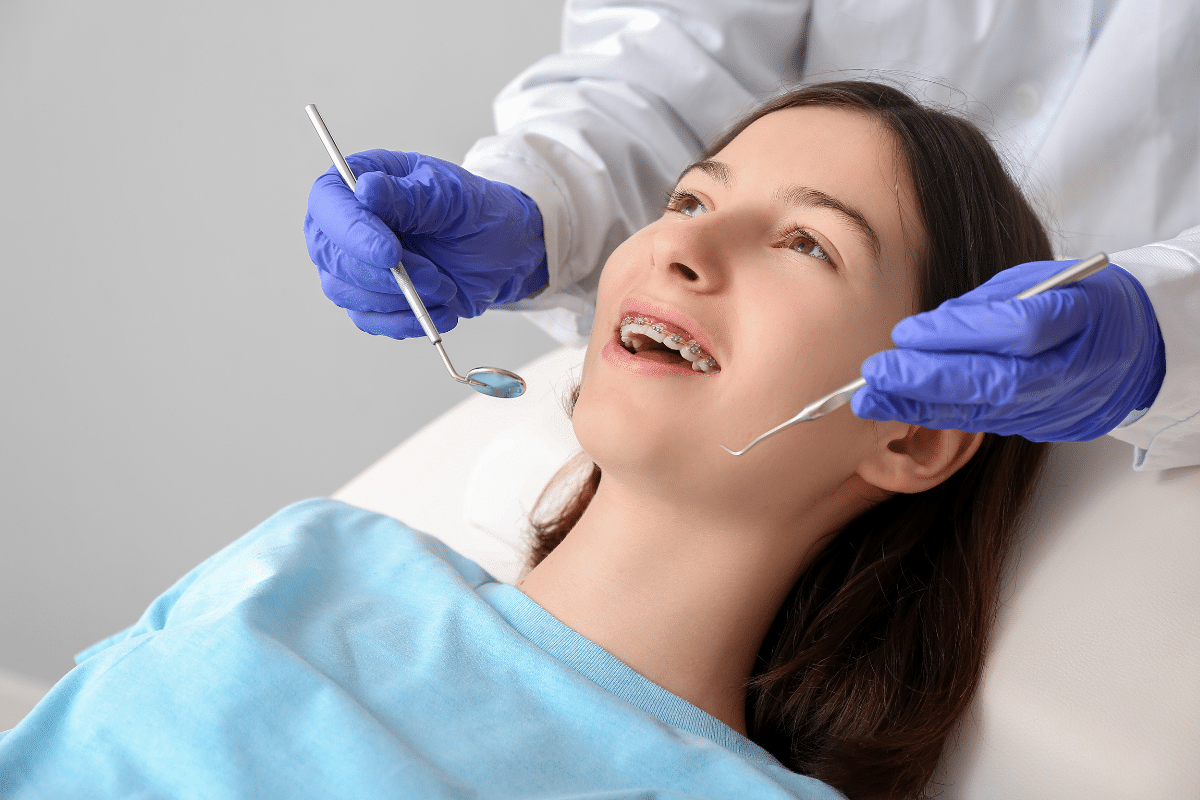
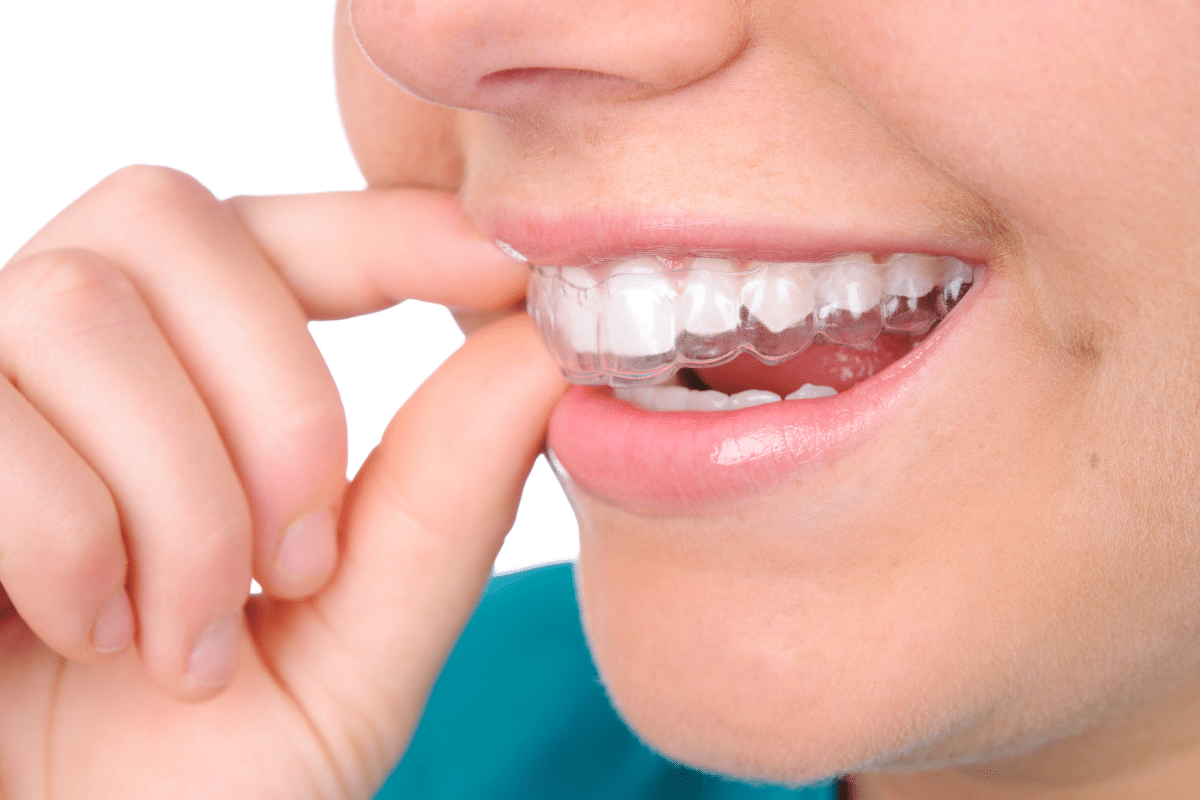
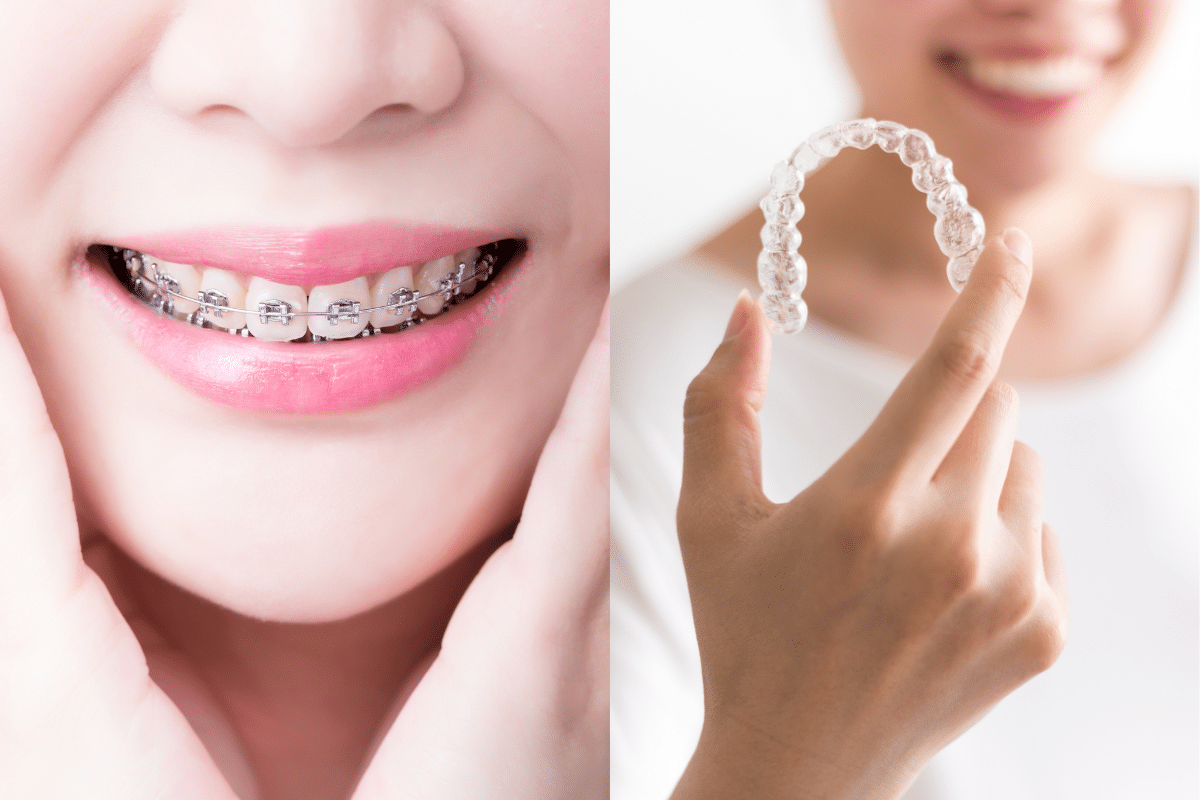
‣ Crooked Teeth: This is perhaps the most common reason people seek help from an orthodontist. At Khan Orthodontic Group, we utilize advanced techniques and appliances, like braces and clear aligners (Invisalign), to gently move teeth into their optimal positions for a straighter, more symmetrical smile.

‣ Spacing Issues: Gaps between teeth can be caused by missing teeth, a large jawbone, or tongue thrusting habits. Our qualified orthodontists in Merrick can effectively close these gaps using braces or aligners, enhancing the overall appearance of your smile.

‣ Overcrowding: When there’s not enough space for all your teeth to erupt properly, they can become crowded and misaligned. Our treatments can relieve overcrowding, improving not only aesthetics but also reducing the risk of tooth decay and gum disease.

  • Enhancing Oral Health and Function

‣ Malocclusion (Bad Bite): An improper bite (overbite, underbite, crossbite) can lead to a variety of issues, including difficulty chewing, speaking, and even jaw pain. We can diagnose and correct malocclusion using orthodontic appliances, promoting optimal oral health and function.

‣ Teeth Grinding: Teeth grinding (bruxism) can damage teeth and cause headaches. Our orthodontic treatment can realign the bite to minimize grinding and reduce its associated complications.

‣ Speech Difficulties: Misaligned teeth or a bad bite can sometimes impact speech clarity. Our procedures can improve speech patterns by correcting the underlying cause of the difficulty.

  • Boosting Confidence and Overall Well-Being

‣ Improved Self-Esteem:  A beautiful smile can significantly boost confidence and self-esteem. Our care can help you achieve the smile you’ve always dreamed of, allowing you to smile confidently in social and professional settings.

‣ Enhanced Facial Harmony: Properly aligned teeth and a balanced bite can contribute to a more aesthetically pleasing facial profile. Our orthodontic solutions can create a more harmonious and balanced appearance.

‣ Improved Oral Hygiene: Straight teeth are easier to clean, reducing the risk of cavities and gum disease. Our orthodontic treatments can ultimately make maintaining good oral hygiene easier and more effective.

Seeking Care from an Orthodontist at Khan Orthodontic Group in Merrick

If you’re experiencing any of these issues or simply desire a straighter, healthier smile, schedule a consultation with our experienced orthodontists in Merrick at Khan Orthodontic Group. During your consultation, we will thoroughly examine your teeth and jaw, discuss your concerns and goals, and recommend the most suitable plan to achieve a beautiful, healthy smile.

We offer a variety of treatment options, including traditional braces, clear aligners, and interceptive treatments for children. We are committed to providing personalized care in a comfortable and welcoming environment.

Don’t hesitate to take the first step towards a healthier, more confident smile. Contact Khan Orthodontic Group in Merrick today!

Additional Considerations

  • Age is Not a Barrier: While many associate orthodontics with teenagers, orthodontic services are beneficial for adults as well. We welcome patients of all ages to achieve their smile goals.
  • Flexible Treatment Options:  With a variety of appliances available, we work with you to find the option that best suits your lifestyle, preferences, and budget.
  • Financial Options:  We understand that cost can be a concern. We offer flexible payment plans and work with most insurance companies to make our orthodontic care accessible.

Investing in orthodontic care is an investment in your oral health, confidence, and overall well-being. By visiting our dental office in Merrick, you can embark on a journey towards a healthier, brighter smile that will last a lifetime.

Is There an ‘Ideal Age’ for Orthodontic Treatment?

A dazzling smile is more than just aesthetics; it can boost confidence, improve oral health, and enhance overall well-being. If you’re considering orthodontic treatment to achieve a straighter, healthier smile, you might wonder, “What is the best age for Orthodontic Treatment?” At Khan Orthodontic Group, our experienced orthodontists in Jericho understand this concern. We’re dedicated to providing exceptional orthodontic care for patients of all ages.

Know about the ideal age for orthodontic treatment, the benefits of early intervention, and the factors influencing the best time to begin your journey towards a beautiful smile.

Understanding the Role of Age in Orthodontics

While orthodontic treatment can be successful at any age, there can be advantages to starting at specific stages of development. Here’s a breakdown of orthodontic considerations across different age groups:

  • Early Childhood (Age 7-9): This age range is ideal for identifying potential orthodontic issues early on. An orthodontist at Khan Orthodontic Group can perform a preliminary evaluation to assess jaw growth, tooth development, and any emerging concerns. Early intervention can sometimes prevent future problems from developing or make future treatment less complex.
  • Pre-Teens (Age 10-13): This period often coincides with the eruption of permanent teeth, making it a prime time for comprehensive orthodontic treatment. The jawbone is still relatively malleable during this stage, allowing for more efficient orthodontic adjustments.

Benefits of Early Orthodontic Intervention

While treatment can be successful at any age, there are significant advantages to seeking an evaluation from an orthodontist during childhood or adolescence:

  • Guiding Jaw Growth: Early intervention can help guide jaw development, potentially preventing the need for extractions or complex procedures later.
  • Improved Function and Appearance: Addressing orthodontic issues early can improve chewing efficiency, speech development, and overall facial aesthetics.
  • Enhanced Self-Confidence: A straighter smile can boost self-esteem and confidence during a crucial stage of social and emotional development.
  • Potentially Shorter Treatment Time: Early intervention may lead to shorter treatment times compared to starting treatment in adulthood.

Factors to Consider When Determining the Ideal Age

While early intervention has its advantages, the ideal age for orthodontic treatment can vary depending on individual circumstances. Some factors our orthodontists in Jericho at Khan Orthodontic Group consider include:

  • The severity of the Orthodontic Issue: The complexity of the misalignment will influence the timing of treatment. Simple spacing issues might be addressed earlier, while more complex cases might benefit from waiting for further jaw development.
  • Jaw Growth and Development: The orthodontist will assess jaw growth patterns to determine the optimal time to influence tooth movement for optimal results.
  • Dental Health: Overall oral health, including the presence of gum disease or cavities, can influence treatment timing.
  • Patient Cooperation: Successful orthodontic treatment often relies on patient cooperation with wearing braces or retainers. The orthodontist will assess a child’s maturity and ability to follow treatment instructions.

Khan Orthodontic Group in Jericho: Your Partner in Achieving a Beautiful Smile at Any Age

At Khan Orthodontic Group, we offer personalized orthodontic treatment plans for patients of all ages in Jericho. Our team of experienced orthodontists will conduct a thorough evaluation to determine the ideal time to begin treatment and recommend the most suitable approach to achieve your desired smile.

We offer a variety of advanced orthodontic options, including traditional braces, clear aligners like Invisalign®, and other innovative solutions. We understand that a beautiful smile is an investment in your confidence and well-being. We’re committed to providing exceptional care throughout your orthodontic journey.

Schedule an appointment with Khan Orthodontic Group today! Let our experienced orthodontists in Jericho guide you towards a straighter, healthier smile at the perfect time for you.

How to Avoid Staining Your Teeth with Braces

Braces In Maspeth

Wearing braces is a significant step towards achieving a beautiful and healthy smile. However, one of the challenges that come with braces is maintaining the whiteness of your teeth. Stains can form around the brackets, leaving unsightly marks once the braces are removed. Here are some practical tips to help you avoid staining your teeth while wearing braces, whether you’re undergoing treatment with Khan Orthodontic Group Maspeth or another orthodontic provider.

Maintain Excellent Oral Hygiene

The foundation of avoiding stains starts with impeccable oral hygiene. Braces create numerous small crevices where food particles and plaque can accumulate, leading to discoloration. Here’s how you can maintain excellent oral hygiene:

  1. Brush After Every Meal: Carry a toothbrush with you and make it a habit to brush after eating. Use fluoride toothpaste and a soft-bristled brush. Angle the brush towards the gumline and gently clean around each bracket.
  2. Use an Interdental Brush: An interdental brush can reach areas that a regular toothbrush cannot. It’s particularly effective in cleaning around brackets and wires.
  3. Floss Daily: Flossing with braces can be tricky, but it’s essential. Use floss threaders or special orthodontic floss to get between your teeth and under the wires.
  4. Rinse with Mouthwash: An antibacterial mouthwash can help reduce plaque buildup and keep your mouth fresh. Choose a mouthwash that contains fluoride to strengthen your teeth.


Watch Your Diet

Certain foods and drinks are notorious for causing stains. By being mindful of what you consume, you can reduce the risk of staining your teeth with braces.

  1. Avoid Dark-Colored Beverages: Coffee, tea, red wine, and cola are major culprits when it comes to staining teeth. If you do consume these drinks, use a straw to minimize contact with your teeth and rinse your mouth with water afterward.
  2. Be Cautious with Acidic Foods: Foods high in acidity, such as citrus fruits and tomatoes, can erode enamel and make teeth more susceptible to staining. Moderation is key, and rinsing with water after consumption can help neutralize acids.
  3. Limit Sugary Snacks: Sugary foods and drinks contribute to plaque buildup, which can lead to staining and tooth decay. Opt for healthier snacks like fruits, vegetables, and cheese.


Professional Cleanings and Checkups

Regular visits to your orthodontist and dentist are crucial. Professional cleanings can remove plaque and tartar that you might have missed during your daily routine. During these visits, your orthodontist can also check for any potential issues with your braces that might contribute to staining.

  1. Schedule Regular Cleanings: Aim for professional cleanings every six months or as recommended by your dentist. These cleanings are more thorough than your daily brushing and flossing.
  2. Orthodontic Adjustments: Regular visits to your orthodontist for adjustments are essential. They can ensure that your braces are functioning correctly and advise you on maintaining oral hygiene.

Use Whitening Products Cautiously

While it might be tempting to use whitening products to keep your teeth bright, caution is needed with braces. Whitening products can cause uneven coloration, as the brackets cover parts of your teeth. Here are some tips:

  1. Consult Your Orthodontist: Before using any whitening products, consult your orthodontist. They can recommend safe options that won’t interfere with your treatment.
  2. Whitening Toothpaste: Using a whitening toothpaste can help maintain the overall brightness of your teeth. However, avoid products that are too abrasive, as they can damage your enamel.
  3. Post-Treatment Whitening: If you’re concerned about staining, you can always opt for professional whitening treatments after your braces are removed. This ensures an even and effective whitening process.


Additional Tips

  1. Hydrate: Drinking plenty of water helps wash away food particles and reduce plaque buildup. It’s especially important after consuming stain-causing foods and beverages.
  2. Chew Sugar-Free Gum: Chewing sugar-free gum can stimulate saliva production, which naturally helps clean your teeth and neutralize acids in your mouth.
  3. Avoid Smoking: Tobacco products are notorious for staining teeth. If you smoke, consider quitting to improve both your oral health and overall well-being.

In conclusion, keeping your teeth stain-free with braces requires diligence and consistent care. By following these tips, you can maintain a bright and healthy smile throughout your orthodontic treatment. Whether you’re getting your braces in Maspeth or elsewhere, remember that good habits and regular professional care are your best allies in preventing stains. With the right approach, you can ensure that once your braces come off, your smile is not only well-aligned but also sparkling clean.

How Orthodontic Treatment Can Correct Misaligned Jaws

Orthodontist In Merrick

Misaligned jaws, also known as jaw discrepancies or malocclusions, can significantly impact one’s oral health, appearance, and overall quality of life. These issues can lead to difficulties in chewing, speaking, and even breathing, not to mention the potential for chronic pain and increased wear on teeth. Fortunately, orthodontic treatment offers effective solutions for correcting these problems, often leading to improved functionality and aesthetics.

Orthodontic treatment involves the use of various appliances and techniques to move teeth and jaws into their correct positions. While many people associate orthodontics primarily with braces for straightening teeth, this field also addresses more complex skeletal issues, including misaligned jaws. An orthodontist is a dental specialist who has undergone additional training to diagnose, prevent, and treat dental and facial irregularities.


Understanding Jaw Misalignment

Jaw misalignment can manifest in several ways, including overbites, underbites, crossbites, and open bites. These conditions can be caused by genetic factors, developmental issues, or habits such as thumb sucking or prolonged use of a pacifier during childhood.

  1. Overbite: This occurs when the upper jaw significantly overlaps the lower jaw. While a slight overbite is normal, a pronounced one can lead to difficulties in biting and chewing, as well as increased risk of trauma to the front teeth.
  2. Underbite: An underbite is when the lower jaw protrudes past the upper jaw. This can result in an imbalanced facial appearance and can cause issues with chewing and speech.
  3. Crossbite: A crossbite happens when some of the upper teeth sit inside the lower teeth when the mouth is closed. This can lead to asymmetrical growth of the jaws and can cause excessive wear of the teeth.
  4. Open Bite: An open bite occurs when there is a gap between the upper and lower teeth when the mouth is closed. This can interfere with proper chewing and speech and often results from habits such as thumb sucking.


The Role of Orthodontic Treatment in Correcting Jaw Misalignment

Orthodontic treatment can address these jaw misalignments through a variety of approaches. The specific treatment plan will depend on the severity of the misalignment, the age of the patient, and their overall oral health.

1. Braces and Aligners

Traditional braces and clear aligners like Invisalign are commonly used to correct tooth and jaw alignment issues. Braces apply continuous pressure to move teeth into their desired positions. In some cases, they can also be used to influence the growth of the jaws, especially in younger patients whose bones are still developing.

2. Orthopedic Appliances

For growing children and adolescents, orthodontists may use orthopedic appliances such as palatal expanders or headgear. Palatal expanders are used to widen the upper jaw, creating more space for teeth and improving the alignment of the upper and lower jaws. Headgear can help guide the growth of the upper jaw and prevent or correct overbites and underbites.

3. Surgical Interventions

In severe cases of jaw misalignment, orthodontic treatment alone may not be sufficient. Orthognathic surgery, performed in conjunction with orthodontic treatment, can be necessary to reposition the jaws. This surgical procedure is usually considered when the patient has stopped growing and other treatments have not been effective. Orthognathic surgery can dramatically improve function and appearance but requires a comprehensive treatment plan involving both an orthodontist and an oral surgeon.


Benefits of Correcting Jaw Misalignment

Addressing misaligned jaws through orthodontic treatment can provide numerous benefits beyond just an improved smile. These benefits include:

  1. Enhanced Oral Function: Properly aligned jaws can significantly improve chewing, speaking, and even breathing. This can lead to better digestion and overall health.
  2. Reduced Risk of Dental Issues: Misaligned jaws can cause excessive wear on teeth, increasing the risk of cavities, gum disease, and tooth loss. Correcting the alignment can help preserve the teeth and gums.
  3. Pain Relief: Jaw misalignment can lead to chronic pain in the jaw, neck, and head. Orthodontic treatment can alleviate these symptoms by addressing the root cause of the pain.
  4. Improved Aesthetics: While the functional benefits are paramount, the aesthetic improvements that come with correcting jaw alignment can boost self-esteem and confidence.


Choosing the Right Orthodontist

Selecting an experienced orthodontist is crucial for achieving the best results in treating jaw misalignment. In Merrick, patients can turn to professionals like the Khan Orthodontic Group Merrick for comprehensive care. These specialists are trained to handle complex cases and can provide personalized treatment plans tailored to each patient’s unique needs.

In conclusion, orthodontic treatment offers effective solutions for correcting misaligned jaws, improving both function and appearance. Whether through braces, orthopedic appliances, or surgical interventions, the right treatment can significantly enhance a patient’s quality of life. If you are experiencing issues related to jaw misalignment, consulting with an orthodontist in Merrick can help you explore your options and embark on a path to better oral health.

The Ultimate Guide to Properly Cleaning Your Invisalign Aligners

Invisalign in Jericho

Invisalign aligners are a popular and effective way to straighten teeth without the need for traditional metal braces. These clear, removable aligners offer the convenience of taking them out for meals and cleaning, but they also require diligent care to maintain their transparency and hygiene. Properly cleaning your Invisalign aligners is crucial to ensuring their effectiveness and maintaining oral health. In this guide, we’ll explore the best practices for keeping your aligners in pristine condition.

Why Cleaning Your Aligners is Important

Cleaning your Invisalign aligners is essential for several reasons:

  1. Preventing Bacterial Build-Up: Aligners are worn for most of the day, making them susceptible to bacteria from your mouth. Without proper cleaning, these bacteria can multiply, leading to bad breath and potential oral health issues.
  2. Maintaining Clear Aligners: One of the key advantages of Invisalign aligners is their nearly invisible appearance. However, if not cleaned regularly, they can become cloudy or stained, diminishing their aesthetic appeal.
  3. Avoiding Oral Health Problems: Improperly cleaned aligners can harbor bacteria and plaque, which can transfer to your teeth and gums, leading to cavities, gum disease, and other oral health problems.

Daily Cleaning Routine

To keep your aligners clean and clear, incorporate these steps into your daily routine:

  1. Rinse Immediately After Removal: Whenever you take out your aligners, rinse them under lukewarm water. This helps to remove saliva and reduce the number of bacteria on the aligners.
  2. Brush and Floss Before Reinserting: Before putting your aligners back in, brush and floss your teeth thoroughly. This ensures that no food particles or plaque get trapped between your teeth and the aligners.
  3. Use a Soft-Bristled Toothbrush: Clean your aligners with a soft-bristled toothbrush and clear, antibacterial soap or Invisalign cleaning crystals. Avoid using toothpaste, as it can be abrasive and scratch the aligners, leading to a buildup of bacteria in the scratches.
  4. Avoid Hot Water: Never use hot water to clean your aligners, as it can warp the plastic and affect the fit. Always use lukewarm or cool water.

Deep Cleaning Methods

In addition to your daily cleaning routine, it’s important to perform a deep cleaning of your aligners at least once a week. Here are some effective methods:

  1. Invisalign Cleaning Crystals: These are specifically designed for cleaning aligners. Dissolve the crystals in water and soak your aligners according to the instructions. This helps to remove any buildup and keep them clear.
  2. Hydrogen Peroxide Solution: Create a mixture of equal parts hydrogen peroxide and water. Soak your aligners for about 30 minutes to disinfect and remove stains. Rinse thoroughly before reinserting.
  3. Vinegar Solution: Mix one part white vinegar with three parts water. Soak the aligners for about 15-30 minutes to remove bacteria and stains. Rinse thoroughly afterward.

  4. Baking Soda Paste: Mix a small amount of baking soda with water to form a paste. Gently brush the aligners with the paste to remove any stubborn buildup. Rinse thoroughly before wearing them again.

Things to Avoid

While cleaning your Invisalign aligners, there are a few things you should avoid to ensure their longevity and effectiveness:

  1. Toothpaste: As mentioned earlier, toothpaste can be abrasive and cause scratches on the aligners.
  2. Colored or Scented Soaps: These can leave residues or dyes on the aligners, affecting their clarity and taste.
  3. Harsh Chemicals: Avoid using bleach or other harsh chemicals, as they can damage the aligners and be harmful if ingested.
  4. Dishwasher or Boiling Water: High temperatures can warp the aligners, making them unusable.

Additional Tips for Invisalign Users in Jericho

If you’re using Invisalign in Jericho, consider these additional tips:

  1. Stay Hydrated: Drinking plenty of water helps to rinse away food particles and bacteria, keeping both your mouth and aligners cleaner.
  2. Avoid Sugary and Staining Foods: Foods and beverages that are high in sugar or have strong colors can stain your aligners and contribute to plaque buildup. Try to limit these and always brush your teeth before putting your aligners back in.

  3. Regular Check-Ups: Visit your orthodontist regularly to ensure that your treatment is progressing well and that your aligners are in good condition. Khan Orthodontic Group Jericho can provide additional advice tailored to your specific needs.

  4. Carry a Cleaning Kit: When you’re on the go, having a small cleaning kit with a travel toothbrush, antibacterial soap, and a case for your aligners can help you maintain good hygiene throughout the day.

Properly cleaning your Invisalign aligners is crucial to maintaining their appearance and effectiveness, as well as your overall oral health. By incorporating a daily cleaning routine and performing deep cleanings regularly, you can ensure that your aligners stay clear and hygienic. Remember to avoid harsh chemicals and high temperatures that can damage your aligners, and follow the additional tips to make your Invisalign experience as smooth as possible. By taking good care of your aligners, you’re investing in a healthier, more beautiful smile.

The Complete Guide to Crossbite Diagnosis and Treatment

Orthodontist In Maspeth

Crossbite is a dental condition that occurs when the upper teeth fall inside the lower teeth when the jaws are closed. This misalignment can affect both the front and back teeth, and it can lead to various dental issues if left untreated. In this comprehensive guide, we will explore the diagnosis and treatment of crossbite, offering insights into the latest techniques and procedures used to correct this condition.


Understanding Crossbite

Crossbite can be classified into two main categories: anterior and posterior crossbite. Anterior crossbite involves the front teeth, while posterior crossbite affects the back teeth. Both types can cause problems with biting, chewing, and speaking, and can also lead to uneven wear of the teeth, gum disease, and jaw problems.

Causes of Crossbite

There are several factors that can contribute to the development of a crossbite, including:

  • Genetics: If your parents had a crossbite, you are more likely to develop one as well.
  • Delayed Tooth Eruption: If baby teeth take longer to fall out, it can affect the alignment of the adult teeth.
  • Thumb Sucking: Prolonged thumb sucking can push the teeth out of alignment.
  • Mouth Breathing: Chronic mouth breathing due to allergies or enlarged tonsils can influence jaw development.


Diagnosing Crossbite

Diagnosis of crossbite typically involves a combination of clinical examination and advance techniques. Use various tools to accurately diagnose crossbite:

  • Clinical Examination: The orthodontist will visually inspect the alignment of your teeth and bite.
  • X-rays: X-rays provide a detailed view of the teeth and jawbone, helping to identify any underlying issues.
  • Impressions: Dental impressions may be taken to create a model of your teeth for closer examination.
  • 3D Imaging: Advanced 3D imaging techniques can offer a comprehensive view of the teeth and jaw, aiding in precise diagnosis.


Treatment Options for Crossbite

Treatment for crossbite aims to correct the alignment of the teeth and jaw to improve function and aesthetics. The treatment plan will depend on the severity of the crossbite and the age of the patient.

Braces

Braces are one of the most common treatments for crossbite. They work by gradually moving the teeth into their correct positions. Braces can be made of metal, ceramic, or clear materials. For children and teenagers, braces are often the preferred option as their jaws are still growing and more adaptable to change.

Invisalign

Invisalign is a popular alternative to traditional braces, especially for adults and teenagers who prefer a more discreet treatment option. Invisalign uses a series of clear, removable aligners to gradually shift the teeth into place. The aligners are custom-made for each patient and need to be worn for about 22 hours a day for optimal results.

Palatal Expanders

Palatal expanders are devices used to widen the upper jaw, making it easier to align the teeth properly. This treatment is particularly effective for children whose jawbones are still developing. The expander is attached to the upper molars and gradually adjusted to widen the jaw over time.

Surgery

In severe cases of crossbite, orthognathic surgery may be required to correct the alignment of the jaw. This is usually considered when other treatments are not sufficient to achieve the desired results. Surgery can help reposition the jaw to improve both function and appearance.

Retainers

After the primary treatment is completed, retainers are often used to maintain the new alignment of the teeth. Retainers can be fixed or removable and are typically worn at night. They help ensure that the teeth do not shift back to their original positions.


The Role of Early Intervention

Early intervention is crucial in the treatment of crossbite. Orthodontic evaluations for children should begin by the age of 7, as recommended by the American Association of Orthodontists. Early detection allows for timely treatment, which can prevent more severe dental problems in the future.


Choosing the Right Orthodontist

Selecting an experienced orthodontist is vital for successful crossbite treatment. At Khan Orthodontic Group of Maspeth, our team of skilled professionals uses the latest techniques and technology to provide personalized care for each patient. We understand that every case is unique, and we are committed to achieving the best possible outcomes for our patients.


Maintaining Oral Health During Treatment

Maintaining good oral hygiene is essential during crossbite treatment. Brushing and flossing regularly will help prevent cavities and gum disease. It’s also important to follow the orthodontist’s instructions regarding diet and appliance care to ensure the treatment progresses smoothly.

Crossbite is a common dental issue that can have significant effects on oral health and overall well-being. With early diagnosis and appropriate treatment, it is possible to correct crossbite and achieve a healthy, beautiful smile. Whether you opt for braces, Invisalign, or other orthodontic treatments, consulting with a qualified orthodontist,

How Orthodontics Can Influence Your Speech Patterns

orthodontic treatment

Orthodontics is commonly associated with improving dental aesthetics, but its benefits extend far beyond just a beautiful smile. One often overlooked aspect of orthodontic treatment is its significant influence on speech patterns. Misaligned teeth and jaw discrepancies can lead to speech impediments, which can be corrected through targeted orthodontic interventions. In this article, we will delve into the intricate relationship between orthodontics and speech, shedding light on how treatments can enhance communication abilities and overall oral health.


Understanding Speech Impediments

Speech production involves a complex interplay of various anatomical structures, including the tongue, lips, teeth, and palate. Any disruption or misalignment in these structures can lead to speech difficulties. Common speech impediments related to dental issues include:

  1. Lisping: Often caused by misaligned teeth, especially the front teeth, which affect the placement of the tongue during speech.
  2. Articulation Disorders: Misalignment of the jaw or teeth can lead to difficulties in producing specific sounds, making speech unclear.
  3. Mumbling: Malocclusion, or improper bite alignment, can result in unclear speech due to improper jaw movement.


The Role of Orthodontics in Speech Improvement

Orthodontic treatments, such as braces and aligners, are designed to correct misalignments and improve dental function. Here’s how these treatments can positively impact speech patterns:

Correcting Teeth Alignment

One of the primary functions of orthodontic treatment is to align the teeth properly. Khan Orthodontic Group Merrick specializes in providing braces and Invisalign, which are effective in straightening teeth. Properly aligned teeth ensure that the tongue has enough space to move freely, aiding in the correct pronunciation of words.

Improving Bite Alignment

Malocclusion, or a bad bite, can severely impact speech. Orthodontic treatments address issues such as overbite, underbite, and crossbite. By aligning the jaws correctly, these treatments ensure that the upper and lower teeth meet properly, facilitating better speech production.

Enhancing Tongue Function

The position and function of the tongue are crucial for clear speech. Misaligned teeth can force the tongue into unnatural positions, leading to speech impediments. Orthodontic treatments create more space and provide a better environment for the tongue to move naturally, improving speech clarity.


Specific Orthodontic Treatments and Their Impact on Speech

Braces

Traditional metal braces and ceramic braces are highly effective in correcting various dental misalignments. By gradually shifting teeth into their proper positions, braces can significantly improve speech patterns. Patients often notice a reduction in lisping and better articulation of words as their treatment progresses.

Invisalign

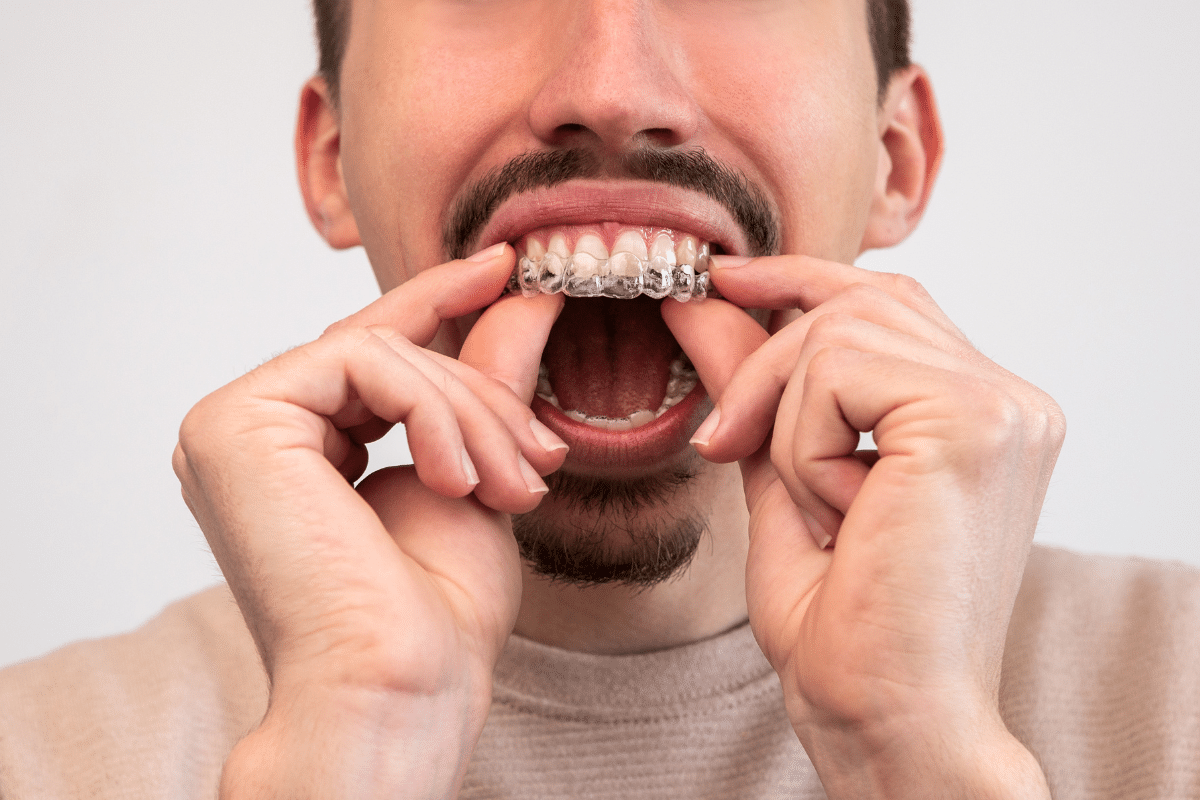
Invisalign aligners are a popular alternative to braces, offering a more aesthetic and comfortable solution. Our orthodontic team provides Invisalign treatments that are customized to each patient’s needs. These clear aligners not only straighten teeth but also allow for normal tongue movement, thereby enhancing speech clarity. Patients can also remove the aligners when necessary, ensuring minimal disruption to their daily communication.


The Psychological Impact of Improved Speech

Beyond the physical benefits, orthodontic treatments can also have a profound psychological impact. Speech impediments can affect self-esteem and confidence, particularly in social and professional settings. By improving speech clarity, orthodontic treatments can boost self-confidence and enhance communication skills. This, in turn, can lead to better academic and career prospects, as well as improved social interactions.

Orthodontics plays a crucial role in enhancing speech patterns by correcting dental and jaw misalignments. Treatments such as braces, Invisalign, can significantly improve speech clarity and articulation. Beyond the physical benefits, improved speech can also boost self-confidence and overall quality of life.  If you or your child are experiencing speech difficulties related to dental issues, seeking professional orthodontic care who can be a transformative step toward better oral health and effective communication.

The Importance of Rubber Bands in Braces Care

Rubber Bands in Braces Care

When it comes to orthodontic treatments, braces are a commonly chosen solution for correcting misaligned teeth and achieving a beautiful smile. However, one crucial component of braces that often goes unnoticed is the rubber bands. These small but essential accessories play a vital role in ensuring the effectiveness of the treatment. In this article, we will delve into the importance of rubber bands in braces care, providing a comprehensive understanding of their function and how to properly manage them.


What Are Rubber Bands in Braces?

Rubber bands, also known as elastics, are tiny stretchy loops that are attached to the brackets of braces. They come in various sizes, colors, and strengths, and their primary purpose is to apply continuous pressure on the teeth, helping to move them into the desired position. Unlike the archwires, which are the main force behind the alignment process, rubber bands provide the additional force needed to correct specific bite issues, such as overbites, underbites, and crossbites.


How Do Rubber Bands Work?

Rubber bands work by creating tension between the upper and lower jaws, which helps in adjusting the bite and aligning the teeth. The orthodontist will determine the placement and configuration of the rubber bands based on the individual’s specific needs. By following the prescribed instructions and wearing the rubber bands as directed, patients can achieve optimal results in a shorter period.

Types of Rubber Bands

There are different types of rubber bands used in braces care, each serving a specific purpose. The most common types include:

  • Class I Elastics: Used to close spaces between teeth.
  • Class II Elastics: Used to correct overbites by pulling the upper teeth backward and the lower teeth forward.
  • Class III Elastics: Used to correct underbites by pulling the lower teeth backward and the upper teeth forward.
  • Anterior Elastics: Used to close open bites in the front teeth.
  • Posterior Elastics: Used to correct crossbites in the back teeth.


The Role of Rubber Bands in Braces Treatment


1. Accelerating the Alignment Process

Rubber bands provide the necessary force to move the teeth more effectively and efficiently. By applying consistent pressure, they help speed up the alignment process, reducing the overall duration of the braces treatment. This is particularly beneficial for patients who are eager to achieve their desired results quickly.

2. Correcting Bite Issues

One of the primary functions of rubber bands is to address bite problems. Whether it’s an overbite, underbite, or crossbite, rubber bands help in repositioning the jaws and aligning the teeth correctly. This not only improves the aesthetics of the smile but also enhances the functionality of the teeth, leading to better oral health.

3. Ensuring Stability and Retention

Once the teeth have moved into their desired positions, rubber bands help maintain the new alignment and prevent relapse. Wearing rubber bands as instructed by the orthodontist ensures that the teeth remain stable during the final stages of treatment. This is crucial for achieving long-lasting results and avoiding the need for further orthodontic intervention.


Proper Care and Maintenance of Rubber Bands


1. Consistency is Key

To achieve the best results, it is essential to wear the rubber bands consistently as directed by the orthodontist. This means wearing them for the recommended number of hours each day and changing them regularly. Skipping or neglecting to wear the rubber bands can prolong the treatment time and affect the overall outcome.

2. Handling and Replacing Rubber Bands

Rubber bands are delicate and can break or lose their elasticity over time. It is important to handle them with care and replace them as soon as they show signs of wear and tear. Keeping a supply of extra rubber bands on hand ensures that you can replace them promptly and continue with your treatment without interruptions.

3. Oral Hygiene Practices

Maintaining good oral hygiene is crucial when wearing braces and rubber bands. Food particles can easily get trapped in the rubber bands and braces, leading to plaque buildup and potential dental issues. Brushing and flossing thoroughly, along with regular dental check-ups, help in keeping the teeth and gums healthy throughout the treatment process.

4. Managing Discomfort

Wearing rubber bands may cause some initial discomfort as the teeth adjust to the pressure. This discomfort is normal and typically subsides after a few days. Over-the-counter pain relievers can help alleviate any pain or soreness. It is important to communicate with your orthodontist if the discomfort persists or if you experience any other issues.


The Role of Khan Orthodontic Group Jericho in Braces Care

At Khan Orthodontic Group Jericho, we understand the significance of rubber bands in achieving successful orthodontic outcomes. Our experienced team of orthodontists provides personalized treatment plans tailored to each patient’s unique needs. By utilizing advanced techniques and high-quality materials, we ensure that our patients receive the best possible care throughout their braces treatment journey.

Rubber bands are an integral part of braces care, playing a crucial role in the alignment and correction of teeth. By providing the necessary force to move the teeth and address bite issues, they help accelerate the treatment process and ensure long-lasting results. Proper care and maintenance of rubber bands, along with consistent usage, are essential for achieving the desired outcomes.

For more information about braces care and the importance of rubber bands, visit Khan Orthodontic Group Jericho. Our team is dedicated to helping you achieve a healthy and beautiful smile through comprehensive orthodontic care.

How Orthodontic Treatment Can Transform Your Smile and Solve Dental Issues

Orthodontic Treatment Jericho

Orthodontic treatment, often associated with achieving a beautiful, straight smile, plays a crucial role in overall dental health. Beyond aesthetics, properly aligned teeth and jaws can prevent a variety of dental issues and contribute to a person’s long-term well-being. Understanding how orthodontic treatment works and its benefits can help you make informed decisions about your dental care.


The Mechanics of Orthodontic Treatment

Orthodontic treatment typically involves the use of braces or aligners to correct the alignment of teeth and jaws. Braces consist of brackets attached to the teeth and connected by wires, which are periodically tightened to gradually shift teeth into their desired positions. Aligners, such as those offered by Invisalign, are clear, removable trays custom-made to fit over the teeth and move them incrementally.

The process begins with a comprehensive examination by an orthodontist. This includes taking X-rays, photographs, and impressions of your teeth. Based on these records, a personalized treatment plan is developed. The duration of treatment varies depending on the complexity of the case, but most patients wear braces or aligners for one to three years.


Improving Oral Health

One of the primary benefits of orthodontic treatment is the improvement of oral health. Crooked or crowded teeth can create hard-to-reach areas where plaque and food particles accumulate. This can lead to tooth decay and gum disease. By aligning the teeth properly, orthodontic treatment makes it easier to maintain good oral hygiene, reducing the risk of these dental problems.

Properly aligned teeth also distribute the forces of biting and chewing more evenly, which can prevent excessive wear on certain teeth. This helps maintain the health and functionality of your teeth over time.


Preventing and Alleviating Jaw Problems

Jaw misalignment, often manifesting as an overbite, underbite, or crossbite, can cause a range of issues, including difficulty chewing, speaking, and even breathing. Misaligned jaws can also lead to temporomandibular joint (TMJ) disorders, which cause pain and dysfunction in the jaw joint and muscles controlling jaw movement.

Orthodontic treatment addresses these problems by aligning the jaws properly, improving the bite, and ensuring that the teeth fit together correctly. This can alleviate pain and discomfort associated with TMJ disorders and improve overall oral function.


Boosting Self-Confidence

A straight, beautiful smile can significantly boost a person’s self-confidence and self-esteem. For many people, the appearance of their teeth affects how they perceive themselves and how they interact with others. By improving the alignment of teeth, orthodontic treatment can enhance an individual’s smile, leading to greater confidence in social and professional settings.

At Khan Orthodontic Group – Jericho, patients are provided with personalized treatment plans tailored to their specific needs. The team understands the impact a confident smile can have on an individual’s life and strives to deliver exceptional results that contribute to both oral health and self-esteem.


Addressing Childhood and Adolescent Dental Issues

While orthodontic treatment is beneficial for individuals of all ages, addressing dental issues during childhood and adolescence can prevent more severe problems later in life. Early intervention can guide the growth of the jaw and the development of permanent teeth, reducing the likelihood of extraction or more invasive procedures in the future.

For children, an initial orthodontic evaluation is recommended by age seven. This allows the orthodontist to identify any potential issues early on and develop a treatment plan that will guide the teeth and jaws into proper alignment as the child grows. Adolescents can also benefit from orthodontic treatment, as their teeth and jaws are still developing and are more responsive to treatment.


Options for Adults

It is never too late to benefit from orthodontic treatment. Many adults seek orthodontic care to correct long-standing dental issues or to improve their smile. Advances in orthodontic technology, such as clear aligners and ceramic braces, provide more discreet options that fit seamlessly into an adult’s lifestyle.

Khan Orthodontic Group – Jericho offers a range of orthodontic solutions for adults, ensuring that each patient receives the care they need to achieve optimal dental health and a beautiful smile. Whether it is for functional improvement or aesthetic enhancement, adults can experience significant benefits from orthodontic treatment.

Orthodontic treatment is more than just a means to achieve a beautiful smile. It plays a vital role in maintaining and improving oral health, preventing and alleviating jaw problems, and boosting self-confidence. By addressing dental issues early and effectively, orthodontic care can lead to a lifetime of benefits.

At Khan Orthodontic Group – Jericho, the focus is on providing personalized, high-quality orthodontic care to help patients of all ages achieve their best smile. Whether for children, adolescents, or adults, the transformative power of orthodontic treatment can make a lasting difference in one’s dental health and overall well-being.

How Orthodontic Braces Straighten Your Smile

Braces Straighten Merrick

A captivating smile not only enhances your appearance but also boosts your confidence. Achieving that perfect smile often requires the help of orthodontic braces, a common and effective treatment to correct misaligned teeth. In this comprehensive guide, we delve into how orthodontic braces work to straighten your smile, exploring the intricate process that leads to beautifully aligned teeth.

Understanding Orthodontic Braces

Orthodontic braces are dental devices used to correct various alignment issues such as crooked teeth, overcrowded teeth, and gaps between teeth. These devices consist of several components, including brackets, wires, and bands, which work together to gradually move teeth into the desired position. The process is meticulously planned and executed by orthodontists, specialists in dental alignment.

The Mechanics of Teeth Movement

Applying Gentle, Consistent Pressure

Orthodontic braces straighten teeth by applying gentle, consistent pressure over an extended period. This pressure stimulates the bone around the teeth, allowing them to move. Here’s a closer look at the key elements involved in this process:

  • Brackets: Small, square-shaped attachments bonded to the front of each tooth. They serve as anchors for the archwires.
  • Archwires: Thin metal wires threaded through the brackets. They guide the movement of the teeth by applying pressure.
  • Bands: Elastic or metal bands that secure the archwires to the brackets, adding stability to the entire setup.

Bone Remodeling

As pressure is applied to the teeth, the bone surrounding the tooth roots undergoes a process known as bone remodeling. On the side of the tooth where pressure is applied, bone cells called osteoclasts break down bone tissue. Simultaneously, on the opposite side, osteoblasts form new bone. This remodeling process allows the teeth to move gradually into their new positions without causing damage to the roots or surrounding structures.

The Stages of Orthodontic Treatment

Initial Consultation and Planning

The journey to a straighter smile begins with an initial consultation with an orthodontist. During this visit, the orthodontist will evaluate your dental condition, take X-rays, photographs, and impressions of your teeth. This information is crucial for developing a personalized treatment plan tailored to your specific needs.

Placement of Braces

Once the treatment plan is finalized, the orthodontist will place the braces on your teeth. This involves cleaning the teeth, applying a bonding agent, and attaching the brackets. The archwires are then threaded through the brackets and secured with bands. This initial setup may cause some discomfort as your teeth begin to adjust to the pressure.

Regular Adjustments

Throughout the treatment period, which typically ranges from 18 months to 2 years, regular visits to the orthodontist are necessary. During these appointments, the orthodontist will make adjustments to the archwires and bands to ensure the teeth continue to move in the desired direction. These adjustments are essential for maintaining the correct pressure and promoting consistent tooth movement.

Retainers: Maintaining the Results

After the braces are removed, the orthodontist will provide retainers to maintain the newly aligned teeth. Retainers are custom-made devices that prevent the teeth from shifting back to their original positions. Wearing retainers as instructed is crucial for preserving the results of the orthodontic treatment.

Types of Orthodontic Braces

Metal Braces

Traditional metal braces are the most common type and are highly effective in treating various dental alignment issues. They are made of high-grade stainless steel and have become more comfortable and aesthetically pleasing over the years.

Ceramic Braces

Ceramic braces function similarly to metal braces but are made of tooth-colored or clear materials, making them less noticeable. They are a popular choice for individuals seeking a more discreet option.

Lingual Braces

Lingual braces are attached to the back of the teeth, making them virtually invisible from the front. They offer a cosmetic alternative for those who do not want their braces to be visible, though they may require more time to adjust to.

Invisalign

Invisalign aligners are clear, removable trays that gradually straighten teeth without the need for brackets and wires. They are custom-made for each patient and are a popular choice for adults and teenagers seeking a more flexible and aesthetically pleasing option.

Benefits of Orthodontic Treatment

Improved Oral Health

Straight teeth are easier to clean and maintain, reducing the risk of cavities, gum disease, and other oral health issues. Orthodontic treatment helps create a healthier oral environment.

Enhanced Aesthetics

A straight smile significantly enhances facial aesthetics. It boosts self-confidence and can positively impact social and professional interactions.

Better Functionality

Properly aligned teeth improve biting, chewing, and speaking functions. They reduce the risk of abnormal wear on teeth and help distribute the force of chewing more evenly.

Prevention of Dental Issues

Addressing misalignment early can prevent more serious dental problems in the future. Orthodontic treatment can alleviate issues such as jaw pain, temporomandibular joint disorders (TMJ), and excessive tooth wear.

Choosing the Right Orthodontist

Selecting a qualified and experienced orthodontist is crucial for a successful treatment outcome. Look for orthodontists with good reviews, relevant certifications, and a track record of successful treatments. Personalized care and clear communication are essential factors in ensuring a smooth and effective orthodontic experience.

Orthodontic braces play a vital role in achieving a straight, healthy, and beautiful smile. Through the precise application of pressure and the process of bone remodeling, braces can correct a wide range of dental alignment issues. Understanding the mechanics of braces, the stages of treatment, and the benefits of a properly aligned smile can help you make informed decisions about your orthodontic care.

Schedule Your Free Smile Consult.

Orthodontic care for the whole family

EnglishEspañol