tr
Call Today!    Merrick | Jericho | Maspeth

Invisalign® Maintenance Tips: Keeping Your Clear Aligners in Top Shape

Invisalign® Maintenance Tips: Keeping Your Clear Aligners in Top Shape

The profession of orthodontics has completely changed thanks to Invisalign® clear aligners, which provide a discrete and practical alternative to conventional braces for straightening teeth. Even though these aligners have many advantages, you must maintain them properly to get the best outcomes possible during your course of treatment.

1. Introduction to Invisalign® clear aligners

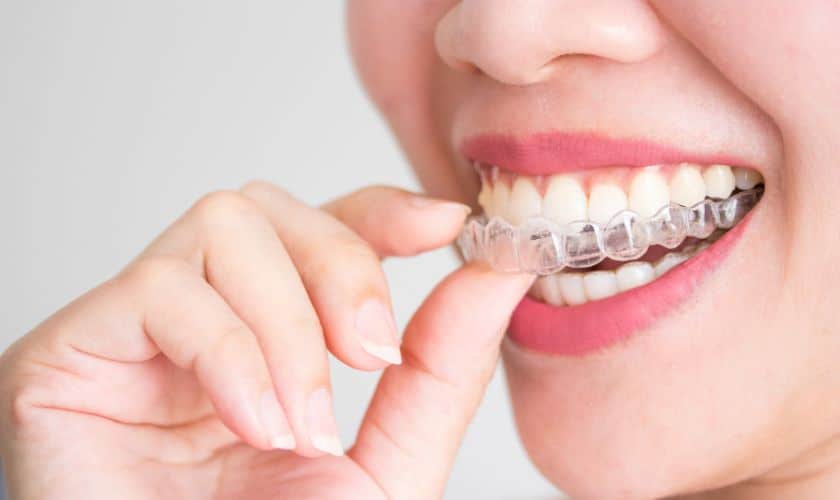
With Invisalign®, teeth are progressively moved into the ideal position using custom-made transparent aligners. These aligners are nearly unnoticeable, unlike traditional braces, and they are simple to take out so you may eat, drink, brush, and floss.

2. Importance of maintaining clear aligners

It’s important to keep your Invisalign® aligners clean for several reasons. First of all, taking good care of your teeth will help avoid the accumulation of germs, plaque, and tartar, which can cause gum disease and cavities. Furthermore, maintaining the cleanliness and good condition of your aligners guarantees their continued effectiveness during your treatment.

3. Daily care routine for Invisalign® aligners

Maintaining the best possible condition for your Invisalign® aligners requires a regular daily maintenance regimen. Remember to clean your teeth and rinse your aligners with lukewarm water after every meal to get rid of any food residue. Moreover, use a toothbrush with soft bristles and a mild, clear antibacterial soap or specific cleaning solution that your dentist has prescribed to clean your aligners.

4. Tips for handling aligners with care

Take extra care while handling your Invisalign® aligners to prevent damage. Use strong yet mild pressure to remove or insert your aligners to prevent bending or warping. You run the risk of breaking or cracking your aligners if you bite or chew on them.

5. Avoiding foods and drinks that can stain aligners

Your Invisalign® aligners may become stained by certain foods and beverages, including curry, red wine, tea, and coffee. Avoid eating these foods while wearing your aligners to prevent discoloration. If you do consume foods or beverages that stain, be sure to clean your teeth and rinse your aligners very away.

6. Regular dental check-ups during treatment

Throughout your Invisalign® treatment, make time for routine dental examinations with your dentist or orthodontist. During these consultations, your doctor can keep an eye on your development, modify your treatment plan as needed, and answer any questions or concerns you may have.

7. Storing aligners properly when not in use

Make sure you store your Invisalign® aligners correctly when not in use to avoid misplacing or breaking them. When your aligners are not in your mouth, store them in the included case to keep them secure and hygienic. Refrain from exposing them to air or sunshine as this may result in discoloration or deformation.

8. Dealing with discomfort or pain

Wearing new Invisalign® aligners might cause some discomfort or pressure, but this is normal. Any pain can be eased with over-the-counter analgesics, and orthodontic wax can shield your aligners’ rough patches and sharp edges from irritating your skin.

9. How to maintain oral hygiene alongside Invisalign® treatment

Your Invisalign® treatment will not be successful if you do not practice excellent dental hygiene. Make sure to floss every day and clean your teeth thoroughly after meals to get rid of any plaque or food particles that may have become lodged. To eliminate bacteria and freshen your breath, you should also think about using an antimicrobial mouthwash.

10. What to do in case of lost or damaged aligners

Get in touch with your dentist or orthodontist right once if your Invisalign® aligners are broken or misplaced. Whether you need to purchase a replacement set or temporarily go back to your old aligners until new ones can be created, they may offer advice on what to do next.

11. Addressing common misconceptions about Invisalign® maintenance

Misconceptions about Invisalign® aligners’ upkeep abound. Examples include the idea that they need to be cleaned thoroughly or that you can’t wear them while playing sports or engaging in vigorous activity. In actuality, maintaining Invisalign® aligners is rather easy, and with the right safety measures, they may be worn for the majority of activities.

12. Tips for traveling with Invisalign® aligners

With Invisalign® aligners, traveling is made easier by their small size and mobility. Don’t forget to bring along a backup set of aligners in case of emergency, along with your aligner case and travel-sized cleaning materials. For simple dental hygiene on the fly, think about packing a portable toothbrush and toothpaste.

13. Long-term maintenance after treatment completion

Maintaining proper dental hygiene practices after your Invisalign® treatment is over is crucial to preserving your results and avoiding recurrence. To maintain the stability and health of your smile, wear your retainers as prescribed by your orthodontist and make frequent dental appointments.

14. Conclusion: Achieving a successful treatment outcome with proper maintenance

A straighter smile can be easily and discreetly achieved with Invisalign® transparent aligners, but success depends on regular care. You may attain the beautiful, healthy smile you’ve always desired and maintain your aligners in top condition by implementing these maintenance guidelines into your everyday routine.

The Art and Science of Orthodontics: Crafting Beautiful Smiles

The Art and Science of Orthodontics

Introduction

Orthodontics is a subtle fusion of artistic expression and scientific accuracy focused on creating stunning smiles. It is more than just straightening teeth. In this piece, we dig into the intriguing topic of orthodontics and examine the delicate balance that this profession requires between form and function.

Understanding Orthodontics: Beyond Straightening Teeth

The specialty area of dentistry known as orthodontics is devoted to the diagnosis, prevention, and treatment of misaligned jaws and teeth. Even while improving tooth aesthetics is the main objective, orthodontic therapy is also very important for improving oral health and general well-being.

The Science Behind Orthodontic Treatment

A thorough grasp of dental anatomy, biomechanics, and occlusion—the way teeth fit together—is necessary for orthodontic therapy. Orthodontists successfully diagnose underlying problems with the use of sophisticated diagnostic technologies including digital scans, 3D imaging, and X-rays. They create personalized treatment programs based on these evaluations, each suited to the particular requirements of the patient.

Orthodontic Techniques and Tools

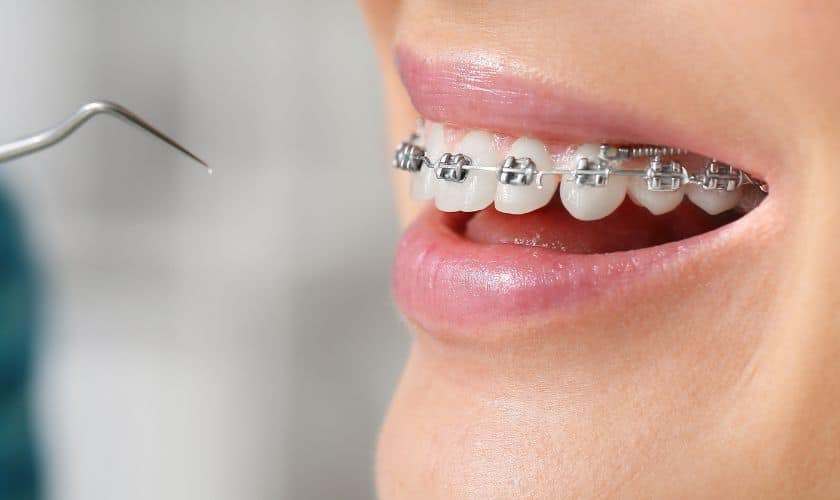
Conventional braces have long been a mainstay of orthodontic therapy. They consist of ceramic or metal brackets that are glued to the teeth. However, because of technological developments, more covert solutions like self-ligating braces, lingual braces, and transparent aligners have become available. These cutting-edge methods improve comfort and aesthetics by enabling patients to receive orthodontic treatment with little to no visible braces.

The Role of Orthodontic Appliances

It takes orthodontic equipment to move teeth into their correct places. Every orthodontic device, including braces and aligners, applies precise stresses to the teeth to progressively realign them over time. Furthermore, by avoiding relapse and maintaining the integrity of the smile, tools like retainers aid in maintaining the benefits of orthodontic treatment.

The Artistry of Orthodontics: Creating Symmetrical Smiles

Orthodontics is a science, but it also demands a sharp sense of symmetry and aesthetics. In addition to straightening teeth, orthodontists work to balance facial characteristics and produce smiles that appear natural.

Facial Analysis and Smile Design

Orthodontists do a comprehensive face examination to assess each patient’s facial structure and proportions before starting treatment. The process of smile design, in which orthodontists carefully plan the intended result while taking into consideration variables including tooth size, shape, and gum exposure, is informed by this study.

Customizing Treatment for Each Patient

Because every smile is unique, orthodontic treatment needs to be extremely customized. Orthodontists collaborate extensively with patients to ascertain their intended aesthetic outcomes and treatment plans, then customize every element of the treatment regimen to meet those objectives. Whether treating gaps, crowded teeth, or bite problems, the goal is always to create a smile that operates as well as it appears.

Artistic Adjustments Throughout Treatment

Orthodontic therapy is a dynamic procedure that is always being improved; it is not merely a set of mechanical adjustments. Orthodontists monitor the course of therapy closely, adjusting adjustments as necessary to guarantee that the patient is satisfied with the outcome. This might include adjusting tooth placements, achieving ideal bite alignment, or taking care of any unanticipated difficulties that crop up over the course of treatment.

The Impact of Orthodontics on Quality of Life

Orthodontic treatment may significantly improve a person’s quality of life in addition to their appearance. Orthodontics may treat a variety of dental problems and improve general health by readjusting misalignments and enhancing oral function.

Improved Oral Health and Hygiene

In addition to improving the appearance of a smile, straightening crowded or crooked teeth also makes oral hygiene easier to maintain. Because they are simpler to clean, teeth that are properly aligned are less likely to have gum disease, tooth decay, and other oral health issues. Furthermore, addressing biting problems can lessen the tension in the muscles and jaw joints, which lowers the risk of temporomandibular joint (TMJ) disorders.

Enhanced Confidence and Self-Esteem

A beautiful smile may greatly increase one’s self-worth and confidence, enabling one to communicate more boldly in social and professional contexts. In addition to improving a patient’s smile, orthodontic treatment gives them a sense of satisfaction and confidence that allows them to show off their increased self-assurance to others.

Read Also: Invisalign® Maintenance Tips: Keeping Your Clear Aligners in Top Shape

Long-Term Benefits for Overall Health

Long-term advantages of orthodontic therapy go beyond improved dental health. Orthodontics can help with problems including headaches, jaw discomfort, and even sleep disturbances by enhancing bite alignment and jaw function. A beautiful, healthy smile can also encourage people to embrace healthier lifestyles, which improves their general health and well-being.

Conclusion

Orthodontics is a dynamic field that combines science and art to create beautiful smiles and improve people’s quality of life. Precision and creativity meet here. Through the utilization of cutting-edge technological innovations and a patient-focused methodology, orthodontists persistently expand the realm of possibilities, one smile at a time. People of all ages can still achieve the promise of a self-assured, brilliant smile as long as orthodontics as an art and science continue to advance.

Discover the Benefits of SmartClip Technology in Orthodontic Treatment

Benefits of SmartClip Technology in Orthodontic Treatment

The days of conventional braces are long gone from orthodontic treatment. Thanks to technological breakthroughs, patients now have access to cutting-edge solutions that provide increased comfort, convenience, and efficiency. One such development is the ground-breaking SmartClip system, which has completely changed the orthodontic treatment industry. In this post, we’ll explore the advantages of SmartClip technology and how it’s transforming orthodontic care.

What is SmartClip Technology?

The state-of-the-art SmartClip technology combines the self-ligating bracket’s accuracy with the efficacy of conventional braces. SmartClip brackets include a special sliding door mechanism that lets the archwire move freely, unlike conventional braces that employ elastic bands to hold the wire in place. The self-ligating design makes treatment more pleasant by lowering pressure and friction on the teeth.

Benefits of SmartClip Technology

1. Enhanced Comfort: The increased comfort that SmartClip technology offers patients is among its biggest benefits. Because the self-ligating brackets provide less pressure on the teeth than traditional braces do, they cause less pain and irritability. Furthermore, the rounded and smooth edges of SmartClip brackets reduce the possibility of soft tissue damage, including cuts and oral ulcers.
2. Faster Treatment Times: Treatment periods are accelerated using SmartClip technology in comparison to conventional braces. Because the self-ligating design makes tooth movement more efficient, adjustment sessions and treatment time can be shortened. Patients will benefit from speedier outcomes and fewer orthodontic appointments, increasing their satisfaction with their treatment.

3. Improved Oral Hygiene: Maintaining proper oral hygiene during orthodontic treatment is crucial to avoiding problems like cavities and gum disease. Because SmartClip brackets have a streamlined form and no elastic ties, patients find it simpler to maintain clean teeth when elastic bands don’t trap food particles; brushing and flossing work better to lower the risk of plaque accumulation and tooth decay.

4. Minimal Disruption to Daily Life: Patients may enjoy the ease of minimum disturbance to their regular lives with the help of SmartClip technology. SmartClip brackets need fewer sessions and provide less discomfort during adjustment visits than conventional braces, necessitating regular adjustments and discomfort. Furthermore, SmartClip brackets’ smooth, low-profile shape makes them more comfortable to wear and less conspicuous, which gives patients greater self-assurance and ease in social and professional contexts.

5. Customized Treatment Options: Orthodontists may tailor treatment programs to each patient’s specific requirements and objectives with the help of SmartClip technology. The device may treat various orthodontic problems, including overcrowding, misalignment, and bite abnormalities, and it can accept a wide range of tooth motions. Whether a patient needs extensive orthodontic treatment or only little modifications, SmartClip technology offers the flexibility to get the best outcomes.

6. Greater Predictability: In orthodontic treatment, predictability is essential because patients want to know that their therapy will result in the desired outcome. By guiding tooth movement with precision mechanics and cutting-edge innovation, SmartClip technology improves predictability. Orthodontists are skilled in precisely planning and carrying out treatment plans, which produces more consistent outcomes and happier patients.

Conclusion

With its many advantages for patients, including better dental hygiene, quicker treatment periods, less disturbance to daily life, personalized treatment options, and more predictability, SmartClip technology significantly improves orthodontic therapy. SmartClip technology is changing how orthodontic care is provided by fusing the newest advancements in orthodontic technology with tried-and-true treatment methods. This makes orthodontic treatment more efficient, pleasant, and easy for patients. Ask your orthodontist about SmartClip technology if you’re considering getting orthodontic treatment, and see how it can easily and precisely change your smile.

The Impact of Orthodontics on Self-Confidence and Mental Health

The Impact of Orthodontics on Self-Confidence and Mental Health

Orthodontics is a subspecialty of dentistry that treats jaw and teeth abnormalities beyond simple physical adjustment. The benefits of orthodontics go well beyond just straightening teeth; they also have significant psychological impacts that improve mental and self-esteem.

Understanding Orthodontics

Orthodontics is a whole approach to enhancing oral health and appearance; it is not only about straightening teeth. Braces and aligners are common procedures that correct misalignments methodically and provide patient outcomes that are aesthetically attractive and practical.

Physical Transformation and Confidence Boost

Not only may orthodontic treatments improve a person’s tooth alignment, but they also improve the appearance of their smile. A bright smile makes a big difference in boosting self-esteem and cultivating a more positive self-image.

Orthodontics and Mental Health Connection

Research indicates a direct link between dental and mental wellness. Putting money into orthodontic treatment is a proactive way to improve mental health since the physical change makes people feel better about themselves.

Influence on Social Interactions

A self-assured grin has the power to transform social situations. Better interpersonal and professional connections are facilitated by enhanced communication abilities and the courage to express oneself.

Case Studies and Success Stories

Anecdotes from real people receiving orthodontic treatment are really interesting. Testimonials that highlight the emotional journey and the good changes that follow are a source of encouragement for anyone contemplating similar changes.

Bridging the Gap: The Psychological Aspect

Orthodontic treatment plays a vital function in addressing anxieties and correcting physical defects. By providing them with a smile makeover that empowers them and offers them a newfound sense of confidence and self-assurance, orthodontics bridges the psychological divide.

Orthodontics Beyond Aesthetics

Even though appearances are important, orthodontics is more than just making adjustments to appearances. Resolving functional difficulties like crooked teeth or jaw squabbles improves general oral health and affects a person’s general wellbeing.

Challenges and Perseverance in the Journey

There are difficulties involved with receiving orthodontic treatment. Comprehending the hardships of patients and exhibiting their fortitude cultivates a feeling of camaraderie, motivating others to endure the ordeal.

The Emotional Toll of Dental Imperfections

Dental problems can hurt a person’s mental health. Constant concern over beauty has a detrimental impact on confidence and mental wellbeing. Orthodontic treatments, on the other hand, interrupt this pattern and relieve them of their mental weight.

Expert Opinions and Insights

Professionals in orthodontics might be interviewed to learn more about the psychological advantages of their employment. Their knowledge illuminates how orthodontics benefits a person’s emotional and psychological wellbeing and dental health.

The Role of Technology in Modern Orthodontics

Orthodontics treatmentsTechnological advancements have transformed treatments for orthodontics. Technology-driven advancements improve patient experience by making the path to a confident smile easier and more convenient, from invisible aligners to digital monitoring.

Affordability and Accessibility

Encouraging more people to receive orthodontic care requires removing financial obstacles. Efforts to reduce the cost of orthodontic treatments guarantee that their advantages are not confined to a certain demographic.

Holistic Approach to Self-Care

Promoting a comprehensive approach to self-care requires integrating orthodontics into a person’s whole medical routine. Acknowledging the connection between mental and physical wellbeing fosters a good sense of self.

Conclusion

In conclusion, Orthodontics has a significant effect on mental health and self-confidence. Orthodontic treatments not only improve a person’s physical appearance but also give them confidence and improve their mental health. Regaining one’s self-esteem is as important as aesthetics in the quest for a gorgeous smile.

Orthodontics and Nutrition: Supporting Overall Health During Treatment

Orthodontics and Nutrition: Supporting Overall Health During Treatment

The goal of orthodontic treatment is to achieve ideal dental health and general well-being, which is a life-changing experience that extends beyond simple tooth straightening. In this post, we will examine the important relationship between diet and orthodontics, along with tips for leading a healthy lifestyle while undergoing treatment.

I. Introduction

Orthodontics is a subspecialty of dentistry that treats abnormalities and misalignments of the jaws and teeth. Even if improving one’s smile and appearance is the main objective, orthodontic treatment is crucial for fostering general dental health.

Ensuring patients’ well-being throughout orthodontic treatment and enhancing procedure efficacy are two reasons a proper diet is so important.

II. How Orthodontic Treatment Works

Orthodontic therapy frequently involves braces or clear aligners to progressively shift teeth into the proper positions. Patients must be aware of the mechanics underlying these treatments and the significance of following the advice given by orthodontic specialists.

III. Impact of Nutrition on Orthodontic Health

Maintaining healthy teeth and gums is essential, especially while undergoing orthodontic treatment. A balanced diet is key to this. Patients need to make educated dietary decisions since some foods have the potential to either help or impede the success of orthodontic operations.

IV. Maintaining Oral Hygiene with Orthodontics

Maintaining good dental hygiene becomes even more important when receiving orthodontic treatment. To avoid problems like cavities and gum disease, practicing proper brushing, flossing, and routine dental examinations is important.

V. Addressing Common Challenges

Orthodontic treatment may provide difficulties, including food restrictions and pain during adjustments. A more seamless and enjoyable experience depends on overcoming these obstacles.

VI. Orthodontics and Overall Well-being

There is a deeper connection between general and orthodontic health than just the physical. A stunning, well-aligned smile may improve mental and emotional well-being and increase self-confidence.

VII. Special Considerations for Different Age Groups

Different age groups require different types of orthodontic treatment, with adults and children requiring different methods. To guarantee that treatment outcomes are effective, it is imperative to address the particular difficulties that each age group faces.

VIII. Bursting Myths Surrounding Orthodontics

There are a lot of things that need to be clarified about orthodontic treatment. This part aims to debunk misconceptions and offer correct information so that patients may make knowledgeable decisions regarding their oral health.

IX. Real-life Success Stories

When someone is thinking about getting orthodontic treatment or is in the middle of their journey, hearing about the positive experiences of others may be encouraging and comforting.

X. The Future of Orthodontics

The future of orthodontics is shaped by technological developments that aim to enhance patient experience and treatment efficiency. To make your orthodontic experience more informed, keep up with the latest developments.

XI. Personalized Nutrition Plans for Orthodontic Patients

Understanding that orthodontic treatment is specific, working with nutritionists to develop customized meal plans can enhance the patient experience and improve results.

Read Also: How Orthodontics Can Improve Speech and Oral Function?

XII. Practical Tips for Eating with Braces

Maintaining a varied and healthy diet when wearing braces might not be easy. This section offers helpful advice on foods that work well with braces and methods for maintaining a balanced diet.

XIII. Lifestyle Adjustments for Enhanced Treatment

Supporting orthodontic therapy requires not just reducing stress but also incorporating physical exercise. Lifestyle changes can improve general health and positively affect the orthodontic process.

XIV. The Role of Hydration in Orthodontic Health

While it’s important for everyone to stay hydrated, orthodontic patients should pay extra attention to this. Find out why staying hydrated is important and how certain drinks might impact orthodontic equipment.

XV. Frequently Asked Questions

A. How long does orthodontic treatment usually last?

The length of orthodontic treatment varies depending on each instance. Achieving the desired outcomes might take an average of 18 months to 3 years.

B. Can I still enjoy my favorite foods during treatment?

Many delectable alternatives are still available, even though some meals could be prohibited. Pick softer substitutes that work well with braces, and keep your diet well-balanced.

C. What should I do if I experience discomfort?

A little soreness is typical following modifications. Orthodontic wax and over-the-counter painkillers can also help reduce discomfort. See your orthodontist for specific recommendations.

D. Are there specific foods that can expedite the treatment process?

Orthodontic treatment is a progressive procedure that is not accelerated by certain meals. For best outcomes, adhere to your orthodontist’s recommendations and schedule routine examinations.

E. How often should I visit my orthodontist for checkups?

Checkups regularly are essential for tracking development. Although your orthodontist may create a customized schedule, orthodontic appointments are often scheduled every four to six weeks.

Conclusion:

In conclusion, keeping a solid relationship between diet and orthodontics is essential to promoting general health during treatment. People can confidently start their orthodontic journey by comprehending the significance of a well-rounded diet, maintaining proper dental hygiene, and tackling typical obstacles. Choosing foods that support oral health and consulting with an orthodontist for personalized dietary advice can contribute to a successful and comfortable orthodontic experience.

How Orthodontics Can Improve Speech and Oral Function?

How Orthodontics Can Improve Speech and Oral Function

Welcome to an in-depth exploration of the revolutionary effects orthodontics may have on speech and dental health. This article explores the complex link that orthodontic treatments have with improving important areas of oral health. Fasten your seatbelts as we explore the numerous ways that orthodontic treatments enhance speech and oral functionality in ways that go beyond simple aesthetics.

Understanding the Interplay

Alignment Matters: Teeth alignment is important for more than simply having a picture-perfect smile; it also significantly impacts how we speak. Orthodontic treatments, such as braces and aligners, aim to achieve ideal tooth alignment. The tongue, lips, and jaw placement during speaking is positively impacted by properly aligned teeth, which helps people communicate more clearly and articulately.

Bite Correction and Articulation: The ability of orthodontic treatment to address bite problems is a feature that is frequently disregarded. Misaligned bites can cause pain in the mouth and difficulty speaking. The obstacles are removed by sophisticated orthodontic techniques, such as bite correction, which enhances articulation and creates a more peaceful oral environment.

The Speech-Orthodontics Connection

Speech Development in Early Years: Speech development is most important throughout an individual’s early years of life. This procedure might be hampered by any abnormalities in the oral anatomy, such as misplaced teeth or disparities in the jaw. Early orthodontic treatment can reduce these problems by supporting healthy speech development and preventing future communication difficulties.

Teenagers and Speech Enhancement: Adolescence is critical for speech development, and many teens experience orthodontic issues. In addition to being useful cosmetic devices, braces and aligners are crucial in influencing teens’ speech patterns. Orthodontics may profoundly influence a person’s speech, enhancing confidence and guaranteeing clear communication.

Orthodontics Beyond Aesthetics

Improved Chewing and Swallowing: Orthodontic treatments cover more than just improving speech; they also address basic mouth functioning. Tooth misalignment can cause problems with eating and swallowing, which can impact oral health in general. These issues are resolved with orthodontic correction, which facilitates effective chewing and swallowing—two activities that are critical to digestive health.

TMJ Disorders and Oral Functionality: Disorders of the temporomandibular joint (TMJ) can greatly affect oral functioning. To relieve pain and suffering associated with TMJ disorders, orthodontic procedures are essential. Orthodontics helps to maintain the overall harmony and best possible function of the oral tissues by correctly aligning the jaw and teeth.

The Future of Orthodontics and Oral Wellness

Technological Advancements: As technology advances, the orthodontic industry is always changing. Cutting-edge orthodontic treatments, including computerized orthodontic solutions and transparent aligners, are gaining popularity. These developments guarantee the best outcomes in improving speech and oral function while also providing discrete alternatives and more individualized, exact adjustments.

Interdisciplinary Collaboration: Orthodontics, a specialized field in dentistry, interacts with many other areas of dentistry and medicine; it is not an isolated subject. When treating speech and oral function issues, collaborations between orthodontists, speech therapists, and other experts, such as oral surgeons and prosthodontists, help to provide a comprehensive strategy. With the help of this multidisciplinary synergy, patients’ requirements are fully understood, and therapies are customized for optimal effectiveness. The expertise of an orthodontist plays a crucial role in aligning teeth and jaws, contributing to overall oral health and well-being.

Conclusion

In conclusion, orthodontics profoundly affects speech and oral function in ways that go beyond traditional cosmetic concerns. Orthodontia treatments are essential for improving general dental health, from treating misalignments to fixing bites and TMJ issues. Future developments in technology and teamwork offer even more efficient solutions, guaranteeing that every one may realize the full potential of their oral and speaking abilities.

Braces-Friendly Foods: A Guide to Eating Well During Treatment

Braces-Friendly Foods

Starting a braces journey is an important step in having an attractive and aligned smile. Even if the outcome is worthwhile, living with braces has some special difficulties, especially regarding eating habits. We’ll delve into the realm of braces-friendly foods in this extensive guide, along with offering helpful advice on how to keep a balanced, nutritious diet while undergoing orthodontic treatment.

Navigating the Initial Adjustment Period:

You should know there will be an adjustment phase while your mouth adjusts to wearing braces when you start your orthodontic adventure. It is advised to limit your diet to softer foods to reduce discomfort and prevent harm to the brackets and wires during this period. Choose soft fruits, smoothies, mashed potatoes, and yogurt to ease into wearing braces.

The Do’s and Don’ts of Braces-Friendly Eating:

  • Do Choose Soft and Cooked Vegetables: Include cooked veggies in your diet since they are less likely to cause pain and are simpler to chew. Mashed sweet potatoes, blanched broccoli, and steamed carrots are great choices.
  • Don’t Forget About Fruits: While some fruits may be challenging to eat with braces, there are plenty of braces-friendly options. Opt for softer fruits like bananas, berries, and melons, and cut them into smaller, bite-sized pieces.
  • Do Embrace Dairy: Several fruit alternatives work well with braces, even if some may be difficult to consume. Choose softer fruits, such as melons, bananas, and berries, and chop them into bite-sized pieces.
  • Don’t Overlook Soft Proteins: Soft proteins like eggs, fish, and well-cooked meats are crucial for maintaining a balanced diet during orthodontic treatment. Consider incorporating these into your meals for essential nutrients.
  • Do Choose Grain-Based Foods: Eating a balanced diet during orthodontic treatment is essential for consuming soft proteins like eggs, fish, and well-cooked meats. For important nutrients, think about including them in your meals.
  • Don’t Indulge in Sticky and Chewy Treats: Steer clear of chewy, sticky foods that might become lodged in your braces and harm the brackets and wires. This contains candies such as gum, caramel, and taffy.
  • Do Stay Hydrated: Your greatest ally when undergoing orthodontic treatment is water. It lessens the chance of plaque accumulation, keeps your mouth healthy, and can ease any discomfort brought on by braces.
  • Don’t Crunch on Hard Snacks: Avoid firm, crunchy items such as pretzels, popcorn, and almonds. These might put your braces in danger and result in unforeseen problems.

Tips for Eating Out:

Eating out with braces can be enjoyable with a bit of mindfulness. When dining at restaurants, consider the following tips:

  • Choose Soft Options on the Menu: Select food items from the menu that are chewable and soft. Safe options often include soups, pasta meals, and well-cooked veggies.
  • Ask for Modifications: Never be afraid to request changes to your food. To make chewing more pleasant, ask for a side of sauce or to have some meals cooked softer.
  • Cut Your Food into Smaller Pieces: Feel free to use a knife to chop a meal into smaller, more manageable pieces if it looks difficult to consume.
  • Maintaining Oral Hygiene: Proper oral hygiene is crucial during orthodontic treatment to prevent cavities and gum disease. Follow these tips to keep your teeth and braces clean:
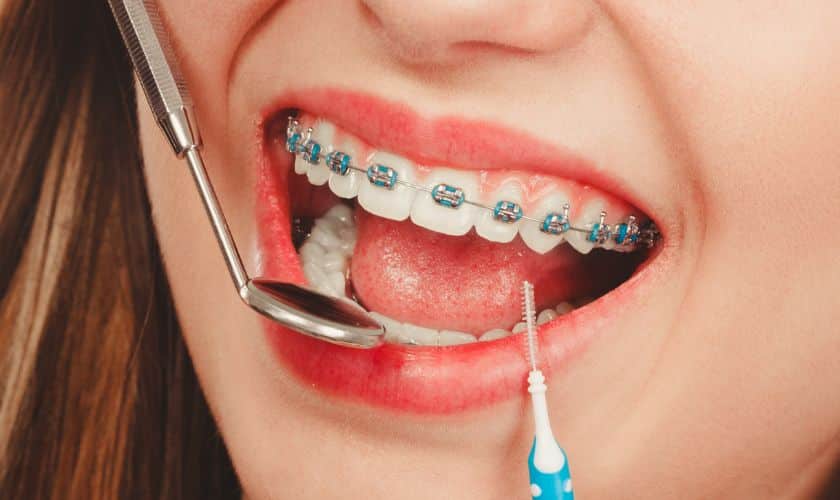
  • Use Orthodontic-Friendly Tools: Purchase orthodontic-friendly instruments like floss threaders and interdental brushes to clean between brackets and wires efficiently.
  • Brush After Every Meal: Make it a routine to wash your teeth to get rid of any food fragments lodged in your braces after each meal.
  • Carry a Travel Toothbrush: Carry a travel toothbrush and toothpaste for on-the-go cleaning, particularly if you’re not at home during mealtimes.
  • Regular Dental Check-ups: Keep up with routine dental exams to ensure your braces and teeth are in good shape. Any worries may be discussed, and your orthodontist can make the required corrections.

Conclusion:

While maintaining a braces-friendly diet may first seem difficult, with a little ingenuity and knowledge, you may enjoy a varied and fulfilling selection of meals throughout your orthodontic journey. Recall that the short-term dietary changes you make will eventually help your braces treatment be successful in the long run, leading to a beautiful, properly aligned smile. Accept the chance to experiment with new, healthful eating practices, and you’ll be well on your way to having the smile of your dreams.

Understanding Orthodontic Care: What Sets Our Practice Apart?

Understanding Orthodontic Care: What Sets Our Practice Apart?

Getting a healthy, attractive smile is mostly dependent on orthodontic care. You should know what makes a premier orthodontic clinic different as you start your road to straighter teeth. This essay will examine the unique qualities that set Khan Orthodontic Group’s orthodontic treatment apart in Merrick, Jericho, and Maspeth, New York.

Cutting-Edge Technology:

Our dedication to integrating state-of-the-art technology into every facet of orthodontic treatment is one of the main things that sets our office apart. We provide our patients with the most effective and efficient treatment choices possible by utilizing cutting-edge instruments like the Invisalign® system and the SmartClip system.

With shorter treatment periods and more comfort than traditional braces, the SmartClip system provides an innovative approach to braces. Conversely, Invisalign® offers a more covert orthodontic treatment for people looking for a series of transparent aligners that gradually move teeth into the ideal positions. By embracing these technological innovations, we ensure our patients have access to the newest and most cutting-edge orthodontic treatments.

Personalized Treatment Plans:

Every patient is different, and at Khan Orthodontic Group, we recognize that everyone has case-specific orthodontic needs. We take great satisfaction in developing individualized treatment programs for each patient. Dr. Sabeeh Khan and our skilled staff will do a comprehensive examination on your first visit, considering things like your teeth’s alignment, jaw shape, and general oral health.

Thanks to this individualized approach, we can customize orthodontic treatments to meet your needs and objectives. Whether you need Invisalign®, conventional braces, or other orthodontic procedures, our personalized treatment programs guarantee each patient’s most efficient and comfortable outcome.

Patient-Centered Care:

A key component of our practice philosophy is our dedication to providing patient-centered treatment. Our top priority is establishing a welcoming and cozy atmosphere that makes our patients feel at ease as soon as they enter. Our staff is committed to providing thorough and compassionate treatment throughout your orthodontic journey, responding to all your inquiries, and addressing any worries you may have.

We know that receiving orthodontic treatment might require time and financial commitment. As a result, we work hard to ensure that patients have a great experience and that our team and patients work together. Effective orthodontic treatment depends on open communication, and we make sure you are aware of all available information and actively participate in your treatment choices.

Community Engagement:

Another thing that makes us unique is that we are an essential component of the communities of Merrick, Jericho, and Maspeth. We take great pleasure in community involvement, attending events, and supporting programs that enhance dental health and general well-being. Beyond the confines of our office, our commitment to the community strengthens our resolve to make a big difference in the lives of our neighbors.

Education and Empowerment:

Orthodontic care provides patients the information they need to make educated decisions about their dental health, not simply about fitting them with braces or aligners. Our office prioritizes patient education, offering tools and data to assist people in realizing the value of orthodontic treatment and how it affects general health.

Using educational events, one-on-one consultations, and instructive materials, we ensure that our patients are prepared to engage in their orthodontic journey actively. Patients can maintain improved oral hygiene habits and make lifestyle decisions that support the success of their orthodontic treatments by realizing the importance of their treatment.

Conclusion:

In conclusion, a mix of state-of-the-art equipment, customized treatment plans, patient-centered care, community involvement, and a dedication to education distinguish our orthodontic clinic. Dr. Sabeeh Khan and our committed staff at Khan Orthodontic Group are committed to providing orthodontic treatment and a life-changing experience that improves our patients’ smiles, confidence, and overall health in Merrick, Jericho, and Maspeth. We welcome you to journey with us toward a happier, more radiant smile.

New Year, New Smile: Setting Orthodontic Resolutions

New Year, New Smile: Setting Orthodontic Resolutions

Why not invest in a healthier, more self-assured grin this year when the calendar flips over a new leaf and goals abound? Making orthodontic resolutions may significantly improve both your general health and dental health. Come learn how to include orthodontic objectives in your New Year’s resolutions and how they may completely change your life.

Orthodontic Resolutions for a Radiant Smile

The Power of a Confident Smile: A grin is a barrier-breaking global language that exudes warmth and confidence. Think about putting your smile first this year. Orthodontic resolutions are about more than simply straightening teeth; they’re about accepting the good changes that a beautiful smile can bring into your life and increasing self-esteem and oral health.

Prioritizing Your Oral Health: Putting your dental health first is one of your biggest resolutions. Beyond only improving appearance, orthodontic procedures support the general health of your gums and teeth. The foundation for a lifetime of ideal dental health is laid by orthodontic therapy, which includes fixing bite problems and realigning teeth.

Technology and Innovation in Orthodontics

SmartClip Braces – Smarter Solutions: SmartClip braces are a cutting-edge orthodontic treatment solution. SmartClip uses a self-ligating mechanism, which lowers friction and pain compared to standard braces. Consider embracing the comfort and efficiency that SmartClip braces provide to the orthodontic experience this year.

Invisalign® Systems – Discreet Transformation: For individuals looking for a more covert orthodontic treatment experience, Invisalign® systems provide an amazing option. These transparent aligners provide a flexible, convenient, almost unnoticeable method of straightening teeth. Decide to investigate the life-changing potential of Invisalign® and feel the assurance of having a straighter smile without wearing noticeable braces.

Patient Spotlight: Inspiring Transformations

Real Stories, Real Transformations: Allow yourself to be motivated by the positive outcomes of patients who have started their orthodontic journey. See the amazing changes orthodontic treatment has brought about in people’s lives via before-and-after stories. From enhanced aesthetics to improved functionality, these stories showcase the life-changing impact of investing in a new smile.

Emotional Wellness and Orthodontic Success: Orthodontic alterations frequently enhance mental health in addition to their physical effects. Examine patient testimonies that emphasize the increased self-assurance and respect they have experienced due to their orthodontic treatments. Think about the feelings you will get from sharing a grin this year.

Celebrating Achievements: Khan Orthodontic Group

Community Involvement and Recognition: The New Year is a moment for Khan Orthodontic Group to take stock of accomplishments and significant events. The clinic is celebrating a year of accomplishment with events ranging from strong community participation to accolades for breakthroughs in patient care. Celebrate with us as we thank our patients for their crucial role in these accomplishments.
Your Orthodontic Milestones: As we commemorate our accomplishments, we invite you to consider your orthodontic milestones. Tell us about your achievements, from the first day of therapy to the happy moments. Your accomplishments, whether in conquering obstacles or achieving a particular treatment objective, add to the overall prosperity of the Khan Orthodontic Group community.

Orthodontic Self-Care: Building Healthy Habits

Maintaining Oral Hygiene During Treatment: Starting orthodontic treatment necessitates a dedication to keeping the best possible dental hygiene. Discover useful advice for maintaining the health and beauty of your newly transformed smile by taking good care of your teeth and braces. The effectiveness of your orthodontic treatments greatly depends on routine examinations and modifications.

Building a Foundation of Healthy Habits: This year, develop good practices that will provide the groundwork for long-term dental health. Little adjustments, including a balanced diet and regular dental hygiene practices, may greatly influence your smile. Think of this as a resolve to improve the health of your teeth and develop lifelong dental hygiene practices.

Conclusion:

Let your resolve this New Year be more than a passing pledge; make it a commitment to your well-being and the self-assurance that comes with a beautiful grin. With the newest orthodontic technology and a team committed to your success, Khan Orthodontic Group is here to accompany you. Cheers to a new year filled with making and keeping orthodontic resolutions and to the life-changing potential of a beautiful smile!

Holiday Smiles: How to Keep Your Teeth Merry and Bright This Christmas

How to Keep Your Teeth Merry and Bright This Christmas

The holiday season is a time of joy, festivities, and indulgence. As we gather with friends and family to celebrate Christmas, it’s essential to ensure that our smiles remain merry and bright. The combination of seasonal treats, busy schedules, and a break from routine can pose challenges to our oral health. In this guide, we’ll explore effective ways to keep your teeth in top shape during the holidays and maintain those merry and bright smiles.

1. Smart Snacking for Healthy Teeth

Christmas is synonymous with sweet treats and festive indulgence. While it’s tempting to reach for that extra piece of holiday candy, it’s crucial to snack smartly. Opt for treats that are less likely to stick to your teeth, such as nuts, cheese, and crunchy vegetables. These foods stimulate saliva production, helping to naturally clean your teeth and neutralize acids that can lead to decay.

2. Moderation is Key

It’s easy to get carried away with the abundance of delicious treats during the holidays. However, moderation is key when it comes to maintaining oral health. Enjoy your favorite sweets in moderation and try to avoid continuous snacking throughout the day. Give your teeth time to recover between indulgences, reducing the risk of cavities and enamel erosion.

3. Stay Hydrated

Amidst the holiday festivities, it’s essential not to forget the importance of staying hydrated. Water helps rinse away food particles and bacteria that can contribute to tooth decay. Additionally, choosing water over sugary drinks or acidic beverages can prevent unnecessary damage to your enamel.

4. Maintain Your Oral Hygiene Routine

With a busy holiday schedule, it can be tempting to skip or rush through your oral hygiene routine. However, consistency is key to keeping your teeth merry and bright. Stick to your regular routine of brushing twice a day and flossing to remove plaque and prevent gum disease. Consider using a fluoride toothpaste to strengthen your enamel and protect against cavities.

5. Choose Tooth-Friendly Treats

Not all holiday treats are created equal when it comes to their impact on your oral health. Opt for sweets that are less likely to cause damage, such as dark chocolate. Dark chocolate contains less sugar than many other holiday treats and has antioxidants that can benefit your overall health.

6. Schedule a Pre-Holiday Dental Check-up

Before the holiday rush begins, consider scheduling a pre-holiday dental check-up. This is an excellent opportunity to address any existing oral health concerns and ensure that your teeth are in good condition for the festivities ahead. Your dentist can also provide personalized advice on maintaining oral health during the holidays.

7. Be Mindful of Sticky Treats

Sticky and chewy sweets like caramel and taffy can wreak havoc on your teeth. These treats tend to adhere to the surfaces of your teeth, providing a breeding ground for bacteria. If you indulge in sticky treats, be sure to brush and floss thoroughly afterward to remove any residue and prevent potential dental issues.

8. Consider Cosmetic Dentistry for a Dazzling Smile

If you’ve been considering cosmetic dentistry to enhance your smile, the holiday season could be the perfect time to explore your options. Teeth whitening, veneers, and other cosmetic procedures can give you the confidence to flash a dazzling smile during festive gatherings and family photos.

9. Protect Your Teeth During Winter Sports

For those who enjoy winter sports during the holiday season, don’t forget to protect your teeth. Consider wearing a mouthguard to prevent injuries and fractures while skiing, snowboarding, or engaging in other winter activities. A small investment in protective gear can go a long way in preserving your smile.

10. Teach Kids the Importance of Oral Health

The holidays are a great time to reinforce good oral health habits, especially with children. Encourage them to brush their teeth after indulging in sweets and make oral hygiene a fun and festive activity. Consider using holiday-themed toothbrushes and toothpaste to make the routine more enjoyable.

In conclusion, maintaining merry and bright smiles during the Christmas season involves a combination of smart choices, moderation, and consistent oral hygiene practices. By incorporating these tips into your holiday festivities, you can enjoy the season’s delights while preserving the health and beauty of your smile. Remember, a healthy smile is a gift that continues to give, bringing joy not only during the holidays but throughout the year.

Schedule Your Free Smile Consult.

Orthodontic care for the whole family

EnglishEspañol