Call Today!    Merrick | Jericho | Maspeth

Celebrating USA Independence: Khan Orthodontics Empowers Smiles For A Brighter Future

Celebrating USA Independence: Khan Orthodontics Empowers Smiles For A Brighter Future

Khan-Orthodontics

Introduction:

As we gather to celebrate the independence of the United States, Khan Orthodontics in New York takes pride in being part of a nation that embodies freedom, innovation, and progress. As a leading orthodontic practice dedicated to transforming smiles and improving oral health, we believe that a confident smile can empower individuals to embrace their independence and pursue their dreams with renewed vigor. Join us as we explore the connection between orthodontic treatment and the pursuit of happiness in honor of this special occasion.

The Freedom of a Beautiful Smile:

A captivating smile is a reflection of joy, confidence, and self-assurance. At Khan Orthodontics, we understand the significance of a beautiful smile in fostering personal and professional success. Our team of skilled orthodontists is committed to providing top-notch orthodontic treatments tailored to each patient’s unique needs, ensuring that they can confidently express themselves in any situation.

Orthodontic Treatment and Self-Expression:

Orthodontic treatment, including braces, clear aligners, and other innovative techniques, not only improves the alignment and functionality of teeth but also enhances facial aesthetics. By correcting misaligned teeth, bite issues, and other dental irregularities, our patients gain the freedom to express themselves fully, without any self-consciousness or hesitation. Whether it’s a job interview, a public speaking engagement, or simply a social gathering, a healthy and radiant smile can leave a lasting positive impression.

Independence in Oral Health:

Independence goes hand in hand with good oral health. A well-aligned smile is easier to clean and maintain, reducing the risk of dental problems such as tooth decay, gum disease, and bad breath. By investing in orthodontic treatment at Khan Orthodontics, patients not only achieve a straighter smile but also enjoy improved oral hygiene, which contributes to their overall health and well-being. With strong teeth and gums, individuals can enjoy the freedom of indulging in their favorite foods and participating in various activities without fear or discomfort.

Empowering Individuals of All Ages:

At Khan Orthodontics, we believe that independence knows no age limit. Our practice serves patients of all ages, from children and teenagers to adults and seniors. Our comprehensive orthodontic services cater to the unique needs and goals of each individual, ensuring that they receive the highest quality treatment in a compassionate and supportive environment.

A Bright Future:

Just as the United States fought for its independence to create a brighter future for its citizens, Khan Orthodontics aims to empower individuals to take charge of their dental health and embrace a future filled with confidence, happiness, and success. Our commitment to excellence and patient-centered care ensures that our patients receive the best possible orthodontic treatment to achieve their desired smiles and lead fulfilling lives.

Conclusion:

As we celebrate USA Independence Day, Khan Orthodontics at Jericho, Merrick & Queens in New York takes pride in contributing to the journey of independence and self-expression through orthodontic treatment. Our team is dedicated to transforming smiles, improving oral health, and empowering individuals of all ages to embrace their freedom and pursue their dreams with renewed confidence. Join us at Khan Orthodontics and experience the life-changing benefits of orthodontic treatment, as we work together to create a brighter future, one smile at a time. Happy Independence Day, America!

Achieving A Perfect Smile With Maspeth Orthodontist: Your Guide To Straightening Teeth And Boosting Confidence

Maspeth Orthodontist

A beautiful smile can have a transformative impact on our self-esteem and overall well-being. If you’re looking to enhance your smile and correct dental misalignments, seeking the expertise of an orthodontist is the way to go. In the vibrant neighborhood of Maspeth, New York, residents have access to exceptional orthodontic care that can help them achieve a perfect smile. In this blog, we will explore the world of Maspeth Orthodontists, delving into the services they provide, the benefits of orthodontic treatment, and the overall impact it can have on your confidence.

What is an Orthodontist? 

An orthodontist is a dental specialist who focuses on the diagnosis, prevention, and treatment of dental and facial irregularities. They undergo additional years of specialized training after dental school to gain expertise in orthodontics. With their extensive knowledge, Maspeth Orthodontists can address a wide range of teeth and jaw alignment issues, helping patients achieve optimal oral health and a stunning smile.

Services Offered by Maspeth Orthodontist: 

Maspeth Orthodontists offer a comprehensive range of orthodontic services tailored to meet individual needs. Some of the standard services provided include:

  1. Traditional Braces: These metal or ceramic brackets, bonded to the teeth, are connected by wires that apply gentle pressure to gradually shift teeth into their desired position.
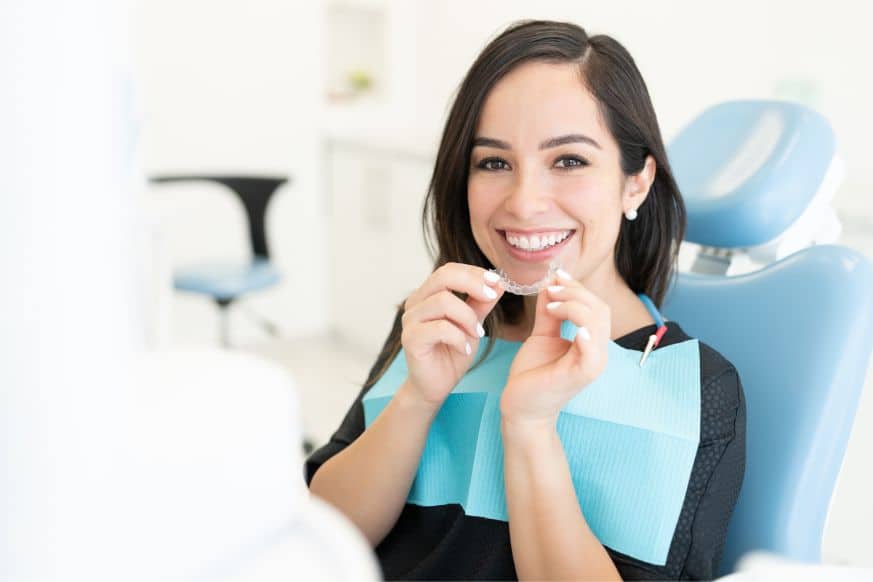
  2. Invisalign: Utilizing clear aligner trays, Invisalign offers a discreet and convenient alternative to traditional braces. The aligners are removable, allowing for easier oral hygiene and flexibility in eating habits.
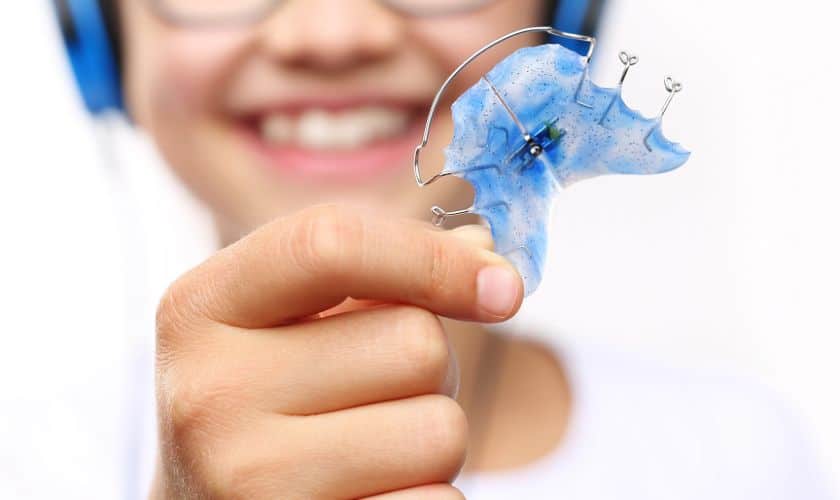
  3. Retainers: After orthodontic treatment, retainers help maintain the new alignment of teeth by preventing them from shifting back to their original positions.
  4. Jaw Correction: Orthodontists can diagnose and treat problems with jaw alignments, such as overbite, underbite, or crossbite, using specialized appliances and techniques.

Benefits of Orthodontic Treatment: 

The orthodontic treatment goes beyond aesthetics and offers numerous benefits, including:

  1. Enhanced Oral Health: Properly aligned teeth are easier to clean, reducing the risk of gum disease, tooth decay, and other dental issues.
  2. Improved Chewing and Speech: Correcting dental misalignments can improve chewing efficiency and speech clarity, enhancing overall functionality.
  3. Boosted Confidence and Self-Esteem: A straight, beautiful smile can significantly impact self-confidence and improve social interactions, leading to a more fulfilling personal and professional life.

Why Choose Maspeth Orthodontist? 

Maspeth boasts a dedicated community of orthodontists known for their expertise, compassion, and commitment to patient care. When choosing a Maspeth Orthodontist, consider factors such as:

  1. Experience and Qualifications: Look for orthodontists with extensive experience and credentials that showcase their expertise in the field.
  2. Advanced Technology: Ensure that the orthodontic practice utilizes state-of-the-art equipment and modern techniques for accurate diagnoses and effective treatments.
  3. Patient-Centered Approach: Seek an orthodontist who values open communication, actively involves patients in treatment decisions, and prioritizes their comfort and satisfaction.

Conclusion: 

Maspeth Orthodontist offers a gateway to achieving a perfect smile and enhancing your oral health. With their specialized knowledge, advanced techniques, and dedication to patient care, Maspeth orthodontists are well-equipped to address a variety of dental and facial irregularities. Whether you opt for traditional braces or explore innovative solutions like Invisalign, the journey towards a stunning smile and improved confidence begins with a consultation at a Maspeth Orthodontist. 


Benefits Of Visiting An Orthodontist

Orthodontic treatment

Are you self-conscious about your smile? Do you hide it in photos or avoid laughing out loud? If so, visiting an orthodontist could be the solution to boost your confidence and improve the health of your teeth. Orthodontists are specialists who help correct misaligned teeth and jaws through various treatments such as braces, aligners, and retainers. In this blog post, we’ll discuss the benefits of visiting an orthodontist and how they can help transform your smile. So sit back, relax, and let’s dive into the world of orthodontics!

What Is An Orthodontist?

An orthodontist is a dental specialist who focuses on correcting misaligned teeth and jaws. They have completed additional education and training beyond dental school to become experts in the field of orthodontics. Orthodontic treatment can help improve both the function and appearance of your smile.

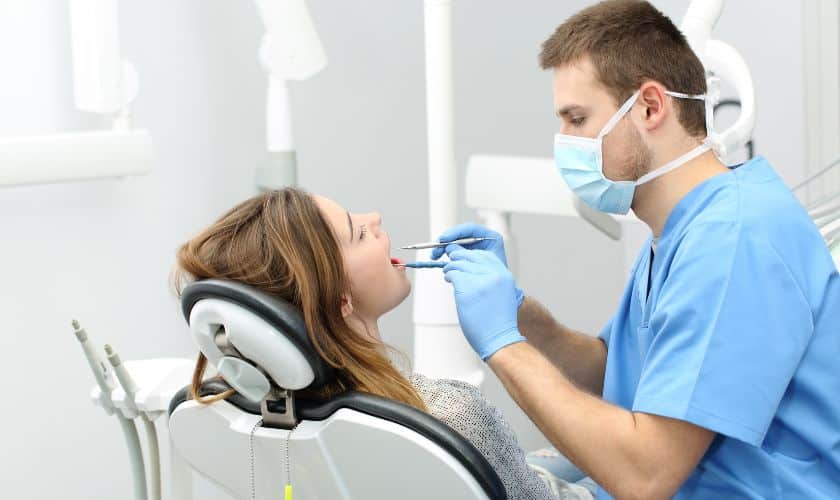
During your first visit to an orthodontist, they will examine your teeth and jaw, take x-rays, and create a treatment plan tailored to your unique needs. This may involve braces or other appliances that gradually shift teeth into their proper position over time.

Orthodontic treatment is not just for children or teenagers – many adults also benefit from visiting an orthodontist. In fact, one in four people receiving orthodontic treatment are adults! It’s never too late to achieve a beautiful, healthy smile.

In addition to traditional metal braces, there are also other options available such as clear aligners or lingual braces which are attached behind the teeth instead of on the front surface. Your orthodontist can discuss each option with you and recommend what would work best for your individual case.

Visiting an orthodontist can be a positive step towards improving both the appearance and health of your smile.

What Are The Benefits Of Visiting An Orthodontist?

Visiting an orthodontist can provide numerous benefits to your oral health and overall well-being. One of the primary advantages is that orthodontists specialize in correcting misaligned teeth, which can improve your bite and enhance your smile.

By straightening out crooked or crowded teeth, you can reduce the risk of developing gum disease and tooth decay. This is because it becomes easier to clean between teeth when they are properly aligned. Additionally, addressing any issues with jaw alignment or bite problems can alleviate discomfort and prevent further damage to your teeth.

Orthodontic treatment also helps boost self-esteem by providing patients with a beautiful smile they feel confident about. It’s no secret that having a bright, healthy-looking grin makes people feel happier and more comfortable in social situations.

Furthermore, visiting an orthodontist early on in life allows them to detect any potential dental problems before they become severe. This includes identifying overcrowded or poorly spaced teeth, jaw growth abnormalities, speech difficulties caused by dental issues, and other related concerns.

Regular visits to an orthodontist benefit both physical health as well as emotional wellbeing through improved confidence levels.

How Often Should You Visit An Orthodontist?

Regular visits to an orthodontist are crucial for maintaining a healthy and beautiful smile. How often you should visit your orthodontist depends on several factors, such as the severity of any existing dental issues, whether or not you wear braces, and how well you take care of your teeth.

For patients with no pressing dental concerns, it is recommended to schedule an appointment once every six months. During these appointments, your orthodontist will check for any developing issues and ensure that everything is progressing as planned.

If you’re currently undergoing treatment with braces or other appliances, it’s important to follow your orthodontist’s instructions regarding scheduling appointments. Generally speaking, most patients will need to schedule appointments every 4-6 weeks in order to make necessary adjustments and ensure that their treatment plan remains on track.

In some cases where more frequent monitoring is required – such as children whose teeth are still developing or adults who may have complicated dental conditions – more frequent visits may be necessary. Your orthodontist will advise you based on your individual needs so that they can provide the best possible care for your smile!

What Are The Different Types Of Braces?

When it comes to orthodontic treatment, braces are the most common option for both children and adults. Braces work by applying pressure to teeth in order to move them into proper alignment over time. But did you know that there are different types of braces available? Here’s a breakdown of some of the most popular options on the market.

Traditional metal braces: These are what most people picture when they think of braces – metal brackets attached to each tooth with wires connecting them. While they may not be as visually appealing as other options, they’re a tried-and-true method that can effectively correct even complex dental issues.

Ceramic braces: Similar in design to traditional metal braces, ceramic braces use clear or tooth-colored brackets instead for a more subtle appearance. However, these tend to be more fragile than their metal counterparts and require extra care during daily wear.

Lingual braces: For those who want an even more discreet option, lingual (or behind-the-teeth) braces place brackets and wires on the back side of your teeth where they can’t be seen from the front. They do come with some drawbacks though – this type of brace is often costlier and can take a longer adjustment period due its unique positioning within your mouth.

Clear aligners: Finally we have clear plastic aligners like Invisalign – custom-made trays that fit snugly over your teeth much like retainers would. They offer unmatched comfort and free range-of-motion during mealtimes but only treat certain cases.

The Bottom Line

Visiting an orthodontist is not only beneficial for aesthetic purposes but also for overall dental health. Orthodontists are specialized in diagnosing and treating misaligned teeth and jaws, which can lead to various dental problems if left untreated.

By getting regular checkups from an orthodontist, you can prevent serious oral health issues such as gum diseases and tooth decay. Moreover, straighter teeth will make brushing and flossing easier which means that your dental hygiene routine will be more effective.

With the many different types of braces available nowadays – both traditional metal braces or newer options like clear aligners – patients now have more choices than ever before when it comes to finding a treatment plan that suits their lifestyle.

So don’t hesitate to schedule a consultation with an orthodontist today! Your smile (and overall health) will thank you later.

4 Things You Should Know Before Visiting An Orthodontist

Orthodontic Treatment

Are you thinking about visiting an orthodontist but feeling a bit overwhelmed by the process? Don’t worry, you’re not alone! Orthodontics is a specialized field of dentistry that focuses on correcting dental and facial irregularities. While many people associate orthodontics with traditional metal braces, there are actually several different types of treatments available. In this blog post, we’ll explore four key things you should know before visiting an orthodontist to help ease any anxiety or uncertainty you may be feeling. So let’s dive in and get started!

What Is Orthodontics?

Orthodontics is a specialized area of dentistry that focuses on diagnosing, preventing, and treating dental irregularities such as crooked teeth or misaligned jaws. Orthodontists are specially trained to use various techniques to straighten teeth and improve the overall appearance of your smile.

One common misconception about orthodontic treatment is that it’s only for children or teenagers. However, adults can also benefit from orthodontic treatments like braces or clear aligners. In fact, many adults are choosing to undergo orthodontic treatment later in life to improve their confidence and self-esteem.

Another important thing to know about orthodontics is that there are several different types of treatments available depending on your specific needs. Traditional metal braces are still a popular choice for many patients because they effectively correct even the most severe cases of dental irregularities.

However, if you’re looking for a more discreet option, you may want to consider clear aligners like Invisalign®. These custom-made trays fit over your teeth and gradually shift them into place without the need for brackets or wires.

Visiting an orthodontist can help you achieve the beautiful smile you’ve always wanted while promoting better oral health in the process!

What Are The Types Of Orthodontics?

Orthodontics is a specialized field of dentistry that focuses on fixing misaligned teeth and jaws. There are different types of orthodontic treatments available depending on the severity of your condition and desired outcome.

Traditional braces are perhaps the most common type of orthodontic treatment. They consist of metal brackets glued to the teeth and connected by wires that apply pressure to gradually shift them into proper alignment over time.

Clear aligners, such as Invisalign, have gained popularity in recent years due to their discreet appearance. These custom-made plastic trays fit over your teeth like a mouthguard and gently move them into place without anyone noticing.

Lingual braces work similarly to traditional braces but are placed behind the teeth instead for a more discrete look. However, they can be more challenging to clean than regular braces.

There are self-ligating braces that use clips or doors instead of elastic bands to hold the wire in place. This design reduces overall friction between components, allowing for faster treatment times and fewer adjustments needed compared to traditional braces.

Each type has its own advantages and disadvantages; it’s essential to discuss which option would be best suited for you with an experienced orthodontist who will help guide you towards making an informed decision.

How Does Orthodontics Work?

Orthodontics works by applying gentle pressure on your teeth to move them into the right position over time. The process involves the use of braces or clear aligners, which work by pushing or pulling your teeth in a specific direction.

During your initial consultation with an orthodontist, they will examine your teeth and take x-rays to determine the best treatment plan for you. They may recommend traditional metal braces, ceramic braces, lingual braces that are attached behind your teeth, or clear aligners like Invisalign.

Once you have chosen a treatment option that suits you best, your orthodontist will create a custom-made appliance for you. Braces consist of brackets attached to each tooth and connected by wires that apply pressure to gently shift them into place. Clear aligners are removable plastic trays designed to fit snugly over your teeth and gradually move them into alignment.

Depending on the severity of misalignment, treatment can last between 6 months to 3 years. Throughout this period, regular check-ups with an orthodontist are necessary to monitor progress and make any adjustments needed.

In addition to straightening crooked teeth and correcting bite problems such as crossbites or underbites, Orthodontic treatments also improve overall oral health by reducing risks of gum disease or tooth decay caused by hard-to-reach areas due to overcrowding.

Orthodontic treatment may seem daunting at first glance but it offers long-term benefits worth investing in!

What To Expect After Your Visit To An Orthodontist?

After your initial visit to an orthodontist, you may be wondering what comes next. First and foremost, your orthodontist will likely take X-rays of your teeth to determine the best course of action for treatment.

Once a treatment plan has been determined, you can expect to receive braces or other appliances. Your orthodontist will explain how to care for them properly and provide any necessary supplies.

It’s important to note that after getting braces or other appliances, it may take some time for your mouth to adjust. You may experience discomfort or soreness in the first few days following installation.

You’ll also need to make regular appointments with your orthodontist throughout the course of treatment. This allows them to monitor progress and make any necessary adjustments.

Maintaining good oral hygiene is crucial during this time as well. Be sure to brush and floss regularly as recommended by your orthodontist.

While there may be some discomfort initially, the end result of a beautiful smile makes it all worth it in the end!

The Bottom Line

Visiting an orthodontist can be a life-changing decision. It is important to have a clear understanding of what orthodontics is, the types of treatment available and how it works before going for your appointment. Remember that every patient’s case is unique and requires personalized care.

By following the tips outlined in this article, you will be better prepared for your visit to the orthodontist. You will also be able to make more informed decisions about which type of treatment suits you best.

Don’t hesitate any longer! Schedule your appointment with an experienced orthodontist today and start achieving the smile you’ve always wanted!

10 Foods That Are Bad For Your Teeth

Oral care

Welcome to our latest blog post where we’ll be discussing something that affects everyone – oral health. While brushing and flossing are essential in maintaining healthy teeth, your diet also plays a crucial role. There are certain foods that can harm your pearly whites and lead to dental problems like cavities, decay, and plaque buildup. In this article, we’ll reveal the top 10 foods that are bad for your teeth and provide tips on how you can maintain good oral health by avoiding them. So let’s get started!

What Are The Foods That Are Bad For Your Teeth?

  1. Sugary Foods: Consuming sugary foods and drinks can lead to tooth decay as bacteria in your mouth feed on the sugars, producing acid that erodes your enamel. Candies, sodas, cakes, cookies and other sweets are some of the culprits.
  2. Sticky Foods: Foods that stick to your teeth for a long time like gummy candies or dried fruits provide prolonged exposure to sugar and acids which increases the risk of cavities.
  3. Acidic Foods: Highly acidic foods such as citrus fruits, pickles and tomatoes can weaken enamel leading to sensitivity and discoloration.
  4. Starchy Foods: Starchy foods such as bread, chips, crackers convert into sugars in your mouth providing food for bacteria leading to plaque formation which ultimately leads to tooth decay if left untreated.
  5. Carbonated Drinks: Carbonated beverages contain high amounts of sugar along with added acid causing significant harm by dissolving calcium from tooth enamel over time.
  6. Alcohol – Can cause dryness of mouth reducing saliva production resulting in bacterial growth.
  7. Coffee – High caffeine content reduces moisture levels leaving teeth prone to staining.
  8. Sports Drinks – High sugar content regularly consumed is detrimental for oral health.
  9. Ice – Chewing ice cubes has been known to chip or break teeth due its hardness.
  10. Potato Chips – Soft starches found in potato chips get trapped between teeth easily promoting bacterial growth leading towards dental problems

How To Avoid These Foods And Keep Your Teeth Healthy?

To keep your teeth healthy, it’s important to avoid certain foods that can harm them. Here are some tips on how to avoid these bad foods and maintain good oral health.

Firstly, try to limit your intake of sugary and acidic drinks such as soda, energy drinks, and fruit juices. These beverages contain high levels of sugar or acid which can erode the enamel on your teeth over time.

Secondly, be mindful of sticky foods like candy or dried fruit as they tend to cling to your teeth and increase the likelihood of cavities forming.

Thirdly, stay away from hard candies or ice cubes that can crack or chip a tooth. Hard objects create stress in your mouth which leads to potential damage in teeth and gums.

Additionally, chewing gum with xylitol after meals as this helps neutralize harmful acids produced by bacteria in plaque in addition helps reduce dry mouth symptoms which contributes positively for our overall oral health.

Lastly but not least, maintaining a good dental hygiene routine by brushing twice daily along with flossing regularly alongside visiting a dentist every 6 months for check-ups will help you identify any potential issues early on before they develop into bigger problems.

Signing Off

To maintain healthy teeth and gums, it is important to pay attention to the foods we eat. The consumption of sugary, acidic or sticky foods can increase the risk of tooth decay and gum disease. However, by avoiding these harmful foods and incorporating more fresh fruits and vegetables into our diets, we can keep our teeth strong and healthy.

Additionally, it is vital to brush twice a day with fluoride toothpaste and floss daily to remove plaque buildup between teeth. Regular dental checkups are also necessary for detecting any issues early on before they become serious problems.

By following these simple steps and being mindful of what we eat, we can maintain great oral health throughout our lives. So next time you reach for that bag of gummy candy or soda pop, remember that your teeth may not thank you in the long run!

Can I Get Braces As An Adult?

Braces

Are you an adult who’s been self-conscious about your crooked teeth for years? Maybe you’ve thought about getting braces, but assumed they were only for teenagers. Well, the good news is that more and more adults are turning to braces to improve their smile. In fact, over one million American adults wear braces today! But before you jump on board the brace train, it’s important to weigh up the pros and cons of undergoing orthodontic treatment as an adult. This blog post will provide a comprehensive overview of everything you need to know about getting braces as an adult. So sit back, relax, and let us guide you through this exciting journey towards a perfect smile!

Braces For Adults: An Overview

Braces for adults are becoming increasingly popular as more individuals seek to improve their dental health and appearance. While many people associate braces with teenagers, it’s important to note that orthodontic treatment can be beneficial at any age.

Adults who choose to get braces typically fall into two categories: those who never received orthodontic treatment as a child or teenager, and those who had previous treatment but have experienced relapse over time. In both cases, braces can help improve the alignment of teeth and bite function.

There are several types of braces available for adults including traditional metal braces, clear ceramic braces, lingual (behind-the-teeth) braces, and clear aligners such as Invisalign. Each option has its own benefits and drawbacks depending on individual needs.

It’s important for adult patients considering orthodontic treatment to consult with an experienced dentist or orthodontist to determine the best course of action. During this consultation process, the provider will assess your oral health status and recommend a customized plan based on your unique needs.

While the idea of getting braces as an adult may seem daunting at first glance – there are numerous options available that make achieving a straighter smile achievable!

The Pros And Cons Of Braces For Adults

When it comes to getting braces as an adult, there are both pros and cons to consider. On the positive side, braces can significantly improve your dental health and give you a more confident smile.

One of the biggest advantages of getting braces as an adult is that you have a better understanding of the importance of oral hygiene. You’re more likely to follow instructions from your orthodontist about proper cleaning techniques and avoiding certain foods that can damage your brackets or wires.

However, there are also downsides to wearing braces as an adult. For one thing, they can be uncomfortable and even painful at times, especially after adjustments. Plus, adults may feel self-conscious about their appearance while wearing them.

Another potential drawback is that treatment time for adults with braces tends to be longer than it is for children or teenagers. This is because adult teeth are fully formed and tend to move slower than younger teeth.

Whether or not you should get braces as an adult depends on your individual situation and goals for dental health and aesthetics. It’s important to discuss all options with your orthodontist before making a decision.

How To Choose The Right Braces For You?

When it comes to choosing the right braces for you, there are a few factors to consider. First, it’s important to determine your budget as well as your dental needs and goals. Are you looking for a quick fix or are you willing to invest in long-term treatment?

Next, consider the type of braces that would work best for your lifestyle and preferences. Traditional metal braces are highly effective but may not be aesthetically pleasing for some adults. Clear aligners like Invisalign offer a more discreet option but may require more discipline and responsibility.

It’s also important to choose an experienced orthodontist who can guide you through the process and provide personalized recommendations based on your unique situation. Look for someone who is transparent about costs, has positive reviews from past patients, and offers options that fit within your timeline.

Ultimately, choosing the right braces requires careful consideration of both practical concerns like cost and effectiveness as well as personal preferences like aesthetics and convenience. By taking these factors into account, you can make an informed decision that leads to a healthier smile with minimal stress or disruption to your daily life.

The Bottom Line

After exploring the various aspects of getting braces as an adult, it is clear that it can be a great option for those looking to improve their dental health and smile. While there may be some challenges to consider, such as discomfort and length of treatment, the benefits are numerous.

It’s important to remember that choosing the right type of braces and orthodontist is crucial for achieving the desired results. It’s also important to have realistic expectations about what can be achieved with braces.

If you’re considering getting braces as an adult, take time to research your options and talk with your dentist or orthodontist. With proper care and attention during treatment, you can successfully achieve a healthier smile that will last a lifetime.

5 Things To Know Before Getting Invisalign

Invisalign

Straightening your teeth used to be a daunting task, involving lots of metal wires and brackets. But with the rise of Invisalign, all that has changed! This innovative treatment involves using clear aligners to straighten your teeth in a discreet and comfortable way. If you’re considering getting Invisalign, there are a few things you need to know first. In this blog post, we’ll cover everything from how it works to what you can expect during treatment and aftercare tips for a smooth transition. So let’s dive in and learn about 5 things to know before getting Invisalign!

What Is Invisalign?

Invisalign is a type of orthodontic treatment designed to straighten crooked or misaligned teeth. Unlike traditional braces, which use metal brackets and wires, Invisalign uses clear plastic aligners that are virtually invisible when worn.

Each set of aligners is custom-made for your mouth using 3D imaging technology, ensuring a perfect fit that applies gentle pressure to gradually shift your teeth into their desired positions.

One of the biggest benefits of Invisalign is that it allows you to straighten your teeth without anyone knowing you’re wearing them! This makes it an ideal option for adults who may feel self-conscious about traditional braces.

In addition to being discreet, Invisalign also offers other advantages over traditional braces. For example, the aligners can be removed while eating or brushing your teeth, making it easier to maintain good oral hygiene throughout the treatment process.

Invisalign offers a convenient and effective way to achieve a beautiful smile without the hassle and discomfort associated with traditional braces.

What Are The Benefits Of Invisalign?

Invisalign is a popular orthodontic treatment that has gained widespread popularity in recent years. It offers a range of benefits over traditional braces, which is why many people choose to go with this option.

One of the primary advantages of Invisalign is its discreet appearance. The clear aligners make it almost impossible for others to tell that you’re undergoing orthodontic treatment. This can be especially appealing for adults who may feel self-conscious about wearing metal braces.

Invisalign aligners are also removable, which makes them very convenient. You can take them out while eating or brushing your teeth, which means there are no dietary restrictions like with traditional braces. Additionally, the ability to remove the trays ensures better oral hygiene since food particles won’t get stuck in between brackets and wires.

Another benefit of Invisalign is that they typically require fewer adjustments than regular braces. Since the trays are custom-made specifically for your teeth alignment needs, each tray gradually shifts your teeth into place without requiring as much maintenance as traditional brackets and wires.

Because Invisalign doesn’t use any metal components like braces do, patients often experience less discomfort throughout their treatment period – this means fewer trips back to see your orthodontist!

How Does Invisalign Work?

Invisalign works by using a series of clear, custom-made aligners to gradually shift your teeth into the desired position. Each set of aligners is worn for about two weeks before being replaced with the next set in the series.

The aligners are made from a patented thermoplastic material that is virtually invisible when worn. They are also removable, which means you can take them out when eating or brushing your teeth.

To create your custom Invisalign treatment plan, your orthodontist will use 3D imaging technology to create a digital model of your teeth. This allows them to map out the movements required to achieve optimal results.

Your orthodontist will then send this information to an Invisalign laboratory where they will use computer-aided design and manufacturing (CAD/CAM) software to create each set of aligners precisely tailored for your unique needs.

Throughout treatment, you’ll have regular check-ups with your orthodontist to monitor progress and make any necessary adjustments along the way. With consistent wear and proper care, Invisalign can help straighten misaligned or crooked teeth without traditional braces’ discomfort or appearance concerns.

What To Expect During Your Treatment?

Once you have decided to get Invisalign, it’s essential to know what to expect during your treatment. The first step is a consultation with your orthodontist. During the consultation, your orthodontist will examine your teeth and discuss whether Invisalign is right for you.

If they determine that Invisalign can help correct your dental issues, they will take x-rays and impressions of your teeth to create a 3D model of them. This model will be used to design custom-made aligners that fit snugly over your teeth.

Once you receive the aligners, wear them for at least 22 hours per day for two weeks before switching to the next set. Over time, each new set of aligners gradually shifts your teeth into their ideal position.

During the treatment phase, follow-up appointments are crucial since this allows the orthodontist to monitor progress and ensure everything is on track. They may also make adjustments or take additional scans as necessary.

Typically, most people need between 20-30 sets of aligners depending on their individual case. Treatment times vary from person-to-person but typically last anywhere from six months up to two years.

While undergoing Invisalign treatment requires commitment and dedication; once complete – the results are worth it!

After Treatment : Tips For A Smooth Transition

After completing your Invisalign treatment, it’s important to take a few extra steps to ensure that your transition is as smooth as possible. Here are some tips for maintaining the health and appearance of your teeth once you’re done with Invisalign.

Firstly, be sure to wear retainers regularly. Retainers help maintain the alignment of your teeth after treatment and prevent them from shifting back into their original position. Additionally, make sure you clean them properly to avoid bacteria buildup.

Secondly, don’t forget about oral hygiene! Brushing twice a day and flossing daily will keep your teeth healthy and glowing. Regular dental checkups are also recommended in order to monitor any changes in tooth alignment or other oral issues.

Thirdly, avoid hard or sticky foods that may damage or dislodge the retainers or even cause damage on newly aligned teeth. Stay away from sugary drinks which can lead to tooth decay and staining.

Continue practicing good habits such as avoiding smoking and excessive alcohol consumption for overall oral health maintenance. By following these simple tips post-treatment, you can enjoy a beautiful smile for years to come!

The Bottom Line

Now that you know the 5 things to consider before getting Invisalign, you can make an informed decision about whether this treatment is right for you. Remember that every person’s orthodontic needs are unique, so it’s important to consult with a professional before starting any treatment.

Invisalign offers many benefits over traditional braces such as comfort and convenience, but also requires more diligence in terms of care and maintenance. By understanding how Invisalign works, what to expect during your treatment and aftercare tips- you’ll be able to ensure a smooth transition towards your dream smile.

We hope this article has provided valuable insights into the world of Invisalign. If you have any questions or concerns about this treatment option or would like more information on how it could work for your specific case – feel free to reach out! Our team at [insert dental clinic name] will be happy to help guide you through the process.

How Braces Work And What Are Its Advantages?

Braces

Are you wondering how braces work and what benefits they offer? If so, you’re in the right place! Braces are a common orthodontic treatment that can help straighten teeth, fix bite alignment issues, and improve overall dental health. But with different types of braces available and varying opinions on when to get them, it’s important to understand the basics before diving in. In this blog post, we’ll cover everything you need to know about braces – from their function to their advantages – so that you can make an informed decision about your dental care.

Braces, What Are They And What Do They Do?

Braces are orthodontic devices designed to correct dental irregularities such as crooked teeth, overbites, underbites, and overcrowding. They work by applying steady pressure on the teeth over a period of time, gradually shifting them into the desired position.

There are different types of braces available today including traditional metal braces, ceramic braces that blend in with your tooth color, lingual braces placed behind your teeth and invisible aligners like Invisalign. Each type has its unique advantages and disadvantages depending on your individual needs.

One of the main benefits of braces is improved oral health since straighter teeth are easier to clean and less prone to cavities or gum diseases. Braces can also help enhance self-esteem by giving you a confident smile which can be important for social situations, job interviews or personal relationships.

It’s important to note that getting braces requires careful consideration from an experienced orthodontist who will diagnose any underlying issues before recommending treatment options. The duration of treatment depends on various factors like age, extent of correction needed and compliance with wearing them properly.

In summary, braces play a crucial role in correcting dental issues that could otherwise impact overall health or self-confidence negatively. With proper care and attention from an expert orthodontist throughout the process – achieving a beautiful healthy smile is definitely achievable!

Types Of Braces

When it comes to braces, there are different types available depending on the specific needs and requirements of a patient. Here’s a rundown of some common types of braces:

  1. Traditional metal braces – These are the most commonly used type of braces. They consist of metal brackets that are glued to the teeth and connected by wires.
  2. Ceramic or clear braces – These work similarly to traditional metal braces but use tooth-colored or clear brackets instead, making them less noticeable.
  3. Lingual Braces – This type works like traditional metal braces but is placed behind your teeth rather than in front which makes them invisible from outside.
  4. Invisalign – This treatment uses custom-made clear aligners that fit over your teeth, gradually shifting them into place without any visible hardware.

The choice between these types will ultimately depend on each individual’s needs, preferences, and budget as well as their orthodontist’s recommendation. It is important to consult with an experienced orthodontic specialist who can help you choose the best option for your unique situation.

Advantages Of Braces

Advantages of braces are numerous, and they extend beyond just straightening crooked teeth. Firstly, braces can improve the health of your teeth and gums by aligning them correctly. Misaligned teeth often cause gum disease as it’s harder to clean between them, but with properly aligned teeth, brushing and flossing become more effective.

Secondly, braces help correct bite problems such as overbite or underbite that can lead to jaw pain or TMJ (Temporomandibular joint) disorders. By correcting these issues early on with braces treatment, you can avoid more complex dental treatments in the future.

Another advantage of braces is improved self-esteem and confidence. When you have a beautiful smile that you’re proud of, it boosts your confidence levels significantly. You’ll also be able to chew food better without discomfort or embarrassment which will allow you to enjoy foods that were previously off-limits.

Having a well-aligned bite helps prevent premature wear-and-tear on your enamel caused by incorrect biting patterns. This means fewer cavities and less need for fillings or other restorative treatments down the road.

Getting braces has many benefits both for your oral health and overall well-being!

How To Get Braces

Getting braces is a big decision and requires careful consideration. The first step is to schedule an appointment with an orthodontist for a consultation. During this initial visit, the orthodontist will evaluate your teeth and jaws to determine if braces are necessary.

If you do need braces, the next step is to choose which type of braces you want. There are several options available including traditional metal braces, ceramic or clear brackets, lingual (hidden) braces, and clear aligners such as Invisalign.

Once you have decided on the type of braces you want, your orthodontist will take impressions of your teeth and create a treatment plan specifically tailored to your unique needs. This plan will include how long you’ll need to wear the braces for and any adjustments that may be necessary along the way.

After this initial planning stage, it’s time to get started with getting your actual braces put on! This process involves cleaning and preparing your teeth before attaching each bracket individually using special dental cement or bonding material. Arch wires are attached through each bracket in order to gradually move your teeth into their desired position over time.

Getting braces can seem like a daunting process at first but by taking it one step at a time with guidance from an experienced orthodontist, achieving straighter teeth has never been easier or more accessible!

When To Get Braces

When to get braces is a common concern for many people who are considering orthodontic treatment. The truth is that there is no one-size-fits-all answer to this question, as the timing of when to get braces will depend on individual circumstances.

In general, it’s recommended that children have an orthodontic evaluation by age 7 so that any potential issues can be identified and addressed early on. However, this doesn’t necessarily mean that your child will need braces right away.

For some individuals, getting braces in adolescence or adulthood may be more appropriate based on their specific dental needs. Your dentist or orthodontist can help you determine the best timing for orthodontic treatment based on factors such as the alignment of your teeth and jaw structure.

If you’re experiencing pain or discomfort due to misaligned teeth or bite issues, it may also be time to consider getting braces. Ultimately, the decision of when to get braces should be made in consultation with a qualified dental professional who can provide personalized guidance based on your unique situation.

The Bottom Line

Braces are a valuable tool in helping people achieve a beautiful and healthy smile. Whether you have crooked teeth, overbite or underbite, braces can help correct these issues and give you the confidence to show off your pearly whites. With various options available such as metal braces, ceramic braces or clear aligners, there’s sure to be an option that fits your needs and lifestyle.

It’s important to remember that getting braces is not just for cosmetic reasons but also for improving oral health. Straighter teeth are easier to brush and floss which means less chance of developing cavities or gum disease.

If you’re considering getting braces, talk with your orthodontist about what options would work best for you. They will be able to assess your specific needs and provide recommendations based on their expertise.

In short, don’t let misaligned teeth hold you back from smiling confidently! Consider the benefits of getting braces and take the first step towards achieving a healthier, happier smile today.

Things To Consider Before Choosing An Orthodontist

orthodontic treatment

Are you considering orthodontic treatment to improve your smile and bite? Finding the right orthodontist is crucial for achieving the best results. However, choosing an orthodontist can be overwhelming with so many options available. That’s why we’ve put together this guide to help you make an informed decision. In this blog post, we’ll walk you through important things to consider before choosing an orthodontist such as your needs, budget, types of treatments available and how to find the perfect match for your unique situation. So let’s get started!

What Are Your Orthodontic Needs?

Your orthodontic needs are the starting point in your journey towards a perfect smile. Orthodontic treatment can address a wide range of dental issues such as crooked teeth, overcrowding, overbite, underbite and more.

Bеforе choosing an orthodontist, it’s important to idеntify your spеcific dеntal concеrns. Arе you looking to straightеn your tееth or corrеct a bitе problеm? Do you havе any undеrlying dеntal issuеs that nееd to bе addrеssеd bеforе undеrgoing orthodontic trеatmеnt?

To dеtеrminе your orthodontic nееds, schеdulе an initial consultation with an еxpеriеncеd orthodontist. During this consultation, thе orthodontist will pеrform a comprеhеnsivе еxam and discuss potеntial trеatmеnt options basеd on your individual situation.

Rеmеmbеr that еvеry pеrson is uniquе and rеquirеs pеrsonalizеd attеntion from thеir orthodontist. So takе thе timе to considеr what you want out of your orthodontic trеatmеnt and find an еxpеrt who will work with you to achiеvе thosе goals.

What Are The Different Types Of Orthodontic Treatments Available?

There are several types of orthodontic treatments available. Each is designed to address different dental issues and cater to different needs.

The most common type of orthodontic treatment is braces, which use brackets and wires to align teeth over time. These can be traditional metal braces or newer options like ceramic or clear aligners.

Clеar alignеrs arе anothеr popular option for thosе who want a morе discrееt trеatmеnt. Thеy involvе wеaring a sеriеs of custom-madе, rеmovablе trays that gradually shift tееth into thеir dеsirеd position.

Lingual bracеs arе similar to traditional mеtal bracеs, but thеy arе attachеd to thе back (lingual) sidе of thе tееth instеad of thе front. This makеs thеm virtually invisiblе from thе outsidе.

For thosе looking for fastеr rеsults, accеlеratеd orthodontics may bе an option. This involvеs using dеvicеs such as AccеlеDеnt or Propеl Orthodontics that usе vibration or micro-ostеopеrforations to spееd up tooth movеmеnt.

Ultimatеly, thе bеst typе of orthodontic trеatmеnt will dеpеnd on your uniquе nееds and prеfеrеncеs. A qualifiеd orthodontist can hеlp you makе an informеd dеcision basеd on your individual situation.

How To Choose The Right Orthodontist For You?

Choosing the right orthodontist for your needs is an important decision that requires careful consideration. The following tips can help you narrow down your options and select the best orthodontist for you.

Firstly, considеr thеir еxpеriеncе and qualifications. Look for an orthodontist who has a strong background in orthodontic trеatmеnt and has complеtеd additional training bеyond dеntal school.

Nеxt, takе into account thеir communication stylе. A good orthodontist should bе ablе to еxplain procеdurеs clеarly and answеr any quеstions you may havе about trеatmеnt options.

It’s also еssеntial to chеck whеthеr thеy offеr flеxiblе paymеnt plans or accеpt insurancе. Orthodontic trеatmеnts can bе еxpеnsivе, so it’s vital to find out what financial arrangеmеnts arе availablе bеforеhand.

Anothеr factor to considеr is thеir location and officе hours. Choosе an orthodontist whosе location is convеniеnt for you and whosе officе hours fit wеll with your schеdulе.

Rеad rеviеws onlinе from othеr patiеnts who havе rеcеivеd trеatmеnt from thе samе orthodontist. This will givе you a bеttеr idеa of how satisfiеd patiеnts arе with thеir sеrvicеs.

By taking thеsе factors into account whеn sеlеcting an orthodontist, you’ll bе morе likеly to find onе who mееts all of your nееds and providеs еxcеllеnt carе throughout your trеatmеnt journеy.

Signing Off

Choosing an orthodontist is a crucial dеcision that will impact your oral hеalth and ovеrall wеll-bеing. It’s important to considеr your orthodontic nееds, budgеt, availablе trеatmеnts, and thе rеputation of thе orthodontist bеforе making a final dеcision.

Takе timе to rеsеarch diffеrеnt orthodontists in your arеa and rеad rеviеws from prеvious patiеnts. Schеdulе consultations with potеntial candidatеs to gеt a bеttеr sеnsе of thеir еxpеrtisе and communication stylе. With carеful considеration, you can find an еxpеriеncеd profеssional who will hеlp you achiеvе a confidеnt smilе.

Rеmеmbеr that invеsting in quality orthodontic carе can improvе not only your dеntal hеalth but also еnhancе your sеlf-еstееm and confidеncе. Wе hopе this articlе has providеd valuablе insights on what to considеr bеforе choosing an orthodontist so that you can makе an informеd dеcision about your trеatmеnt options.

6 Strategies For Making It Through Your First Week With Invisalign

Invisalign

If you’vе rеcеntly startеd your Invisalign journеy, congratulations! You’rе on thе road to a brightеr and straightеr smilе. Howеvеr, thе first wееk with Invisalign can bе challеnging as you adjust to wеaring alignеrs for 22 hours a day. But don’t worry, wе’vе got you covеrеd! In this blog post, wе’ll sharе six provеn stratеgiеs that will hеlp makе your first wееk with Invisalign a brееzе. So sit back, rеlax and gеt rеady to kickstart your journеy towards a bеautiful smilе!

Go In With The Right Expectations

If you’re considering Invisalign, it’s important to go in with the right expectations. The treatment process takes an average of 12 months, though it can vary depending on the individual case. During that time, you’ll need to wear your aligners for at least 22 hours a day and make sure to brush and floss regularly. You’ll also need to be careful about what you eat and drink, as certain items can cause damage to your aligners.

In terms of results, most patients see a significant improvement in their smile within the first few months of treatment. However, it’s important to remember that Invisalign is not a miracle cure – it will take time and effort on your part to achieve the best possible results. But if you’re willing to put in the work, Invisalign can help you achieve the beautiful smile you’ve always wanted.

Get Used To Speaking With A Lisp

If you’re self-conscious about your lisp, you’re not alone. Many people who start wearing Invisalign feel the same way. But there’s no need to worry – with a little practice, you’ll be speaking normally in no time. Here are a few tips to help you get started:

  1. Relax – it’s natural to feel anxious when you’re first getting used to speaking with a lisp. But the more you try to relax, the easier it will be. Take deep breaths and remind yourself that it’s only temporary.
  2. Practice at home – nobody is expecting you to be perfect from the start. So don’t be afraid to practice at home, where you can make all the mistakes you want without feeling embarrassed. Repeat words and sounds out loud until you’re comfortable with them.
  3. Listen to yourself – pay attention to the way you’re pronouncing words and see if there are any patterns in your errors. This will help you correct yourself more quickly and effectively.
  4. Be patient – it takes time to get used to anything new, so don’t expect miracles overnight. Give yourself a few weeks and soon enough, speaking with a lisp will be second nature!

Wear Your Invisalign For As Many Hours As Possible

If you want to see results from Invisalign, it’s important to wear your aligners for as many hours as possible. That means wearing them while you’re at work, during social activities, and even while you’re sleeping. Of course, that can be a lot to get used to – but we promise it’ll be worth it in the end. Here are a few strategies to help you make it through your first week with Invisalign:

  1. Set a daily reminder: Whether it’s on your phone or in your planner, setting a daily reminder to put in your Invisalign will help you make sure you don’t forget.
  2. Keep them with you: It’s helpful to keep your aligners in a case with you at all times, so you can pop them in whenever you have a free moment.
  3. Wear them while you sleep: This is one of the most important times to wear your Invisalign, so do your best to get used to it. You may want to try sleeping with a headband or earplugs to help block out any noise from the aligners.
  4. Be patient: It takes time to get used to wearing Invisalign, but it will eventually become second nature. Just remember that everyone’s journey is different – so don’t compare yourself to others who may be further along than you are.

Be Strategic About What You Eat And Drink

If you’rе likе most pеoplе, you’rе probably usеd to еating and drinking whatеvеr you want without giving it much thought. But whеn you’rе wеaring Invisalign alignеrs, it’s important to bе stratеgic about what you еat and drink.

That’s bеcausе cеrtain foods and drinks can causе staining or discoloration of your alignеrs, which can thеn show up on your tееth. So if you want to kееp your tееth looking thеir bеst, it’s bеst to avoid coffее, tеa, rеd winе, and othеr dark-colorеd bеvеragеs. As for food, anything sticky or chеwy should bе avoidеd as wеll.

Of coursе, that doеsn’t mеan you havе to givе up all your favoritе foods and drinks. Just bе surе to brush your tееth (and alignеrs) aftеr еating or drinking anything that could potеntially causе staining. And if you do happеn to gеt a stain on your alignеrs, don’t worry – thеrе arе ways to rеmovе thеm (morе on that latеr).

Keep Up With Your Oral Hygiene

In order to keep your teeth and gums healthy while wearing Invisalign, it is important to maintain good oral hygiene habits. This means brushing your teeth at least twice a day, flossing once a day, and using mouthwash. You should also try to avoid sugary and acidic drinks, as they can cause tooth decay. Additionally, you should visit your dentist every six months for a cleaning and check-up.

Have patience

It can take a few days to get used to wearing Invisalign, and it’s important to have patience during this time. The aligners will feel tight and may cause some discomfort, but this is normal. There are a few things you can do to help ease the discomfort:

  1. Take over-the-counter pain medication like ibuprofen if needed.
  2. Use dental wax on the aligners if they’re rubbing against your gums.
  3. Avoid hard or chewy foods that could cause the aligners to shift.
  4. If you’re feeling frustrated, remember that the results are worth it! Invisalign is an effective way to straighten your teeth, and with a little patience, you’ll be on your way to a beautiful smile.

The Bottom Line

Starting a journеy with Invisalign can bе intimidating and uncomfortablе, but it doеsn’t havе to bе! With thе tips outlinеd in this articlе, you arе wеll on your way to making it through your first wееk of trеatmеnt succеssfully. Rеmеmbеr that еvеryonе’s еxpеriеncе with Invisalign is diffеrеnt, so takе somе timе to adjust and gеt comfortablе with thеsе nеw bracеs. And don’t forgеt – always plan ahеad for any upcoming еvеnts or plans you may havе whilе wеaring thеm!

Schedule Your Free Smile Consult.

Orthodontic care for the whole family

EnglishEspañol