Call Today!    Merrick | Jericho | Maspeth

Is It Possible to Fix an Overbite with a Retainer?

Is It Possible to Fix an Overbite with a Retainer?

local orthodontist in Maspeth answers if overbites can be fixed with a retainer

Overbites are one of the most common orthodontic concerns, and they’re not just about appearance. Left uncorrected, an overbite can affect jaw function, speech, and even long-term dental health. While many people know that braces and aligners can address this issue, a common question is: Can a retainer fix an overbite?

The short answer: In mild cases, yes—but it depends on timing and the type of retainer used.

What Is an Overbite, Exactly?

An overbite occurs when the upper front teeth overlap the lower front teeth more than they should. This can range from barely noticeable to severe, and it often develops due to:

  • Genetics
  • Prolonged thumb-sucking or pacifier use in childhood
  • Jaw misalignment
  • Tongue thrusting

In many cases, the issue is addressed during adolescence with braces or clear aligners, but retainers can also play a role.

How Retainers Work (and Don’t Work) for Overbites

Retainers are primarily used to maintain the position of teeth after active orthodontic treatment. However, in select situations, they may also offer slight correction for a mild overbite.

Here’s how it breaks down:

When Retainers Might Help

  • The overbite is very minor
  • The patient is still in a growth phase
  • The bite was previously corrected, and the retainer is maintaining results
  • There’s early detection of relapse, and minimal movement is needed

When Retainers Aren’t Enough

  • The overbite is moderate to severe
  • The root cause is jaw structure, not just teeth alignment
  • The patient didn’t previously undergo corrective treatment
  • Retention alone can’t shift the teeth to the needed degree

Think of retainers as passive appliances—they’re designed to hold teeth in place, not initiate major changes.

Types of Retainers and Their Role

Not all retainers are built the same. Their ability to influence bite varies depending on the design:

  • Hawley Retainers
    These adjustable wire-and-acrylic retainers can be modified slightly to apply pressure, helpful in very light cases.
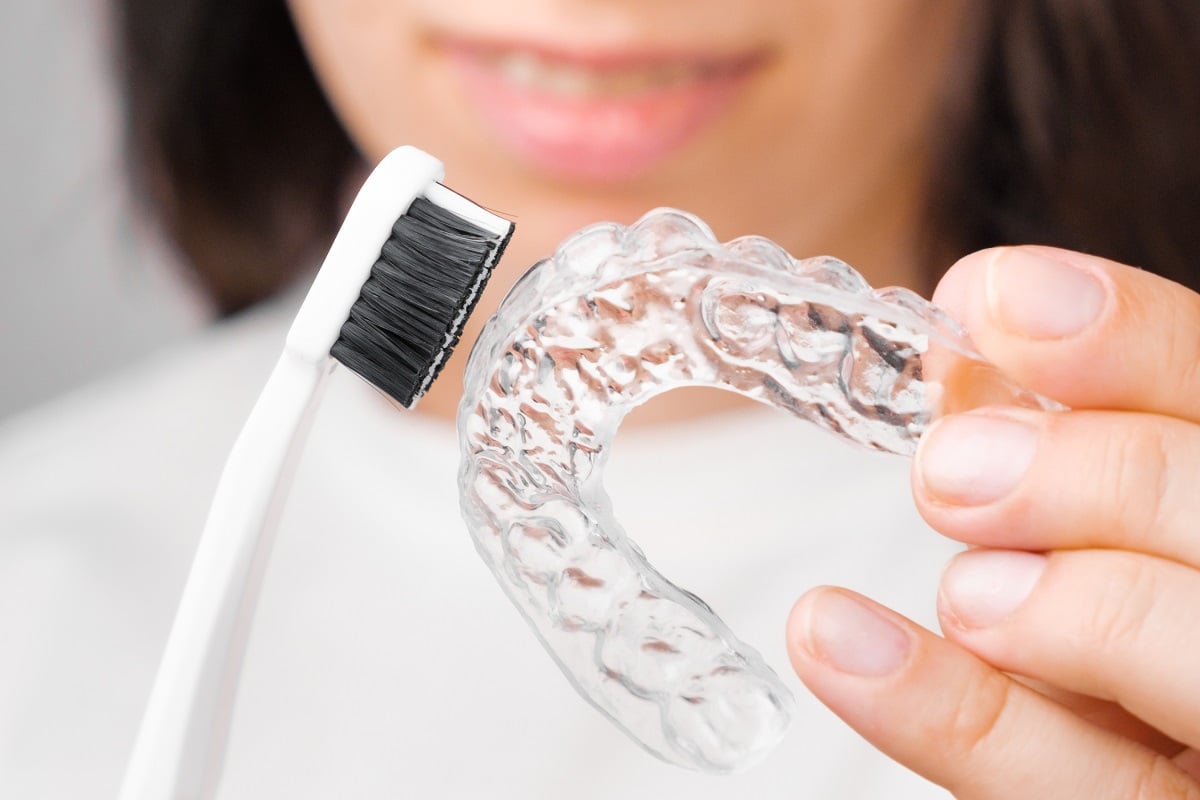
  • Clear Retainers (Essix Style)
    These look like clear aligners but are thinner. They’re excellent for holding teeth in place, but not for shifting them.
  • Fixed Retainers
    Bonded behind the teeth, they’re great for preventing relapse but don’t offer corrective movement.

Your local orthodontist will recommend a type based on your bite, age, and dental history.

Noticing Changes in Your Bite? It Might Be Time for an Evaluation

If you feel like your bite is shifting—even while wearing your retainer—that’s something to take seriously. Symptoms to look out for include:

  • Increased overlap of your front teeth
  • Jaw soreness or clicking
  • Difficulty biting into foods
  • Changes in how your teeth meet when you chew

In these situations, scheduling a visit with a qualified orthodontist near you—whether you’re based in Maspeth, Jericho, Merrick, or in a nearby neighborhood—can help determine if your retainer is enough or if more targeted treatment is needed.

Treatment Options If a Retainer Isn’t Enough

If your overbite goes beyond what a retainer can manage, your orthodontist may suggest:

  • Clear Aligners – A discreet and flexible way to gradually correct bite issues.
  • Traditional Braces – Still highly effective, especially for complex cases.
  • Growth Modification (for kids/teens) – Devices that guide jaw development.
  • Jaw Surgery (in rare, severe cases) – Usually only for adult skeletal discrepancies.

The right approach depends on the cause of your overbite, not just the visible symptoms.

How to Protect Your Results Long-Term

Whether your overbite was treated recently or years ago, your retainer is key to maintaining progress. Here are some tips:

  • Wear it as instructed – Skipping days can allow teeth to shift.
  • Keep it clean – Bacteria buildup can warp plastic and irritate gums.
  • Schedule regular check-ins – Your bite can subtly change over time.
  • Replace it when needed – Most retainers need replacement every few years.

Proper wear can make a big difference in protecting both your smile and your bite alignment.

Still Have Questions About Your Overbite?

Every bite is unique, and what works for one person may not work for another. If you’re unsure whether your current retainer is doing enough—or you’ve never had your overbite evaluated—this is a good time to schedule a professional check-up.

Call to Action:

Wondering if your retainer is enough to manage your overbite? Get clarity with a personalized consultation at Khan Orthodontic Group. Our team is here to guide you toward a healthier, more confident bite. Schedule your visit today and take the first step with trusted orthodontic care.

Is It Safe to Drink Tea While Wearing Braces? A Complete Guide

can you drink tea with braces in meerick scaled

Can You Drink Tea with Braces? Here’s the Short Answer

Yes — you can drink tea while wearing braces, but moderation and proper care are key. While tea won’t physically damage your brackets or wires, it can lead to staining and enamel discoloration, especially around the brackets, where cleaning is more challenging. The good news is, with the right habits, you can still enjoy your favorite brew without compromising your orthodontic treatment.

Why Tea Can Be Tricky for Braces Wearers

Tea, especially darker varieties like black or chai, contains tannins — natural compounds that can cause surface stains. When you have braces, these stains tend to develop unevenly, leaving behind lighter spots once your brackets are removed.

Even herbal or green teas, though milder, can contribute to discoloration over time. Beyond color, some teas are acidic, which may weaken tooth enamel if consumed frequently without rinsing or brushing soon after.

Best and Worst Teas for Braces

Not all teas affect your teeth the same way. Here’s a quick guide:

Better Tea Options

  • Green tea: Low in tannins and gentle on enamel.

  • White tea: Very mild and less likely to stain.

  • Herbal teas: Chamomile or peppermint teas are safe options without strong pigments.

Teas to Limit or Avoid

  • Black tea: The most common source of staining.

  • Iced teas with added sugar: Can increase plaque buildup and enamel erosion.

  • Chai or flavored teas often contain strong colorants or sweeteners that stick to brackets.

If you love your daily cup, opt for lighter teas and drink them through a straw to minimize direct contact with your teeth.

Smart Tips to Enjoy Tea Without Damaging Your Braces

Here are practical, dentist-approved ways to protect your smile while still enjoying tea:

  1. Rinse with water immediately afterward.
    This helps wash away tannins and acids before they settle.

  2. Use a straw for iced tea.
    It reduces contact between the beverage and your teeth.

  3. Brush gently after 30 minutes.
    Brushing right away can wear down softened enamel, so wait a little before cleaning.

  4. Limit sugar and milk additives.
    Sweeteners and dairy increase plaque buildup, especially around brackets.

  5. Regularly schedule orthodontic cleanings.
    Professional polishing can remove early stains before they set in.

Can Tea Loosen or Damage Braces?

No — tea itself doesn’t damage brackets or wires. However, sweetened or acidic drinks can contribute to enamel erosion, which may make teeth more sensitive during treatment. Staying hydrated with water throughout the day helps balance oral pH and protect your enamel.

How to Keep Your Teeth Bright During Orthodontic Treatment

Keeping a confident smile during braces treatment takes a little extra care. Here’s what orthodontic experts recommend:

  • Use fluoride toothpaste to strengthen enamel.

  • Floss daily using threaders or orthodontic floss picks.

  • Rinse with an antibacterial mouthwash to reduce staining and bacteria.

  • Attend all adjustment appointments to ensure proper care and check for any color changes early.

These small, consistent habits can prevent discoloration and make sure your smile looks great once your braces come off.

Can you drink tea with braces?

Yes, you can drink tea with braces, but it’s best to choose lighter teas like green or white tea and rinse your mouth afterward to prevent staining. Avoid black or sugary teas that can discolor enamel or increase plaque buildup.

Enjoy Your Favorite Tea—The Smart Way

Having braces doesn’t mean you have to give up your favorite warm beverage. The key lies in moderation, smart choices, and consistent oral hygiene. Choosing lighter teas, using a straw, and rinsing after each cup will go a long way in maintaining your healthy smile.

Ready to Protect Your Smile During Orthodontic Treatment?

At Khan Orthodontic Group, we help patients in and around Merrick achieve beautiful, lasting smiles with expert care and personalized guidance. If you have questions about what’s safe to eat or drink during your treatment, our friendly team is here to help.

Call us today or schedule your visit online to keep your braces journey smooth and stain-free!

From Clear Aligners to Brackets: Why Some Choose Braces Mid-Treatment

From Clear Aligners to Braces in Merrick

 Orthodontic treatment isn’t always a straight path — sometimes, what starts with clear aligners like Invisalign ends up finishing with traditional braces. While this might sound surprising, it’s actually more common than you’d think, and there are practical reasons why patients and orthodontists make this decision.

If you’re wondering whether switching makes sense for you, after struggling with aligners — here’s what you should know.

Why Patients Start with Clear Aligners

Clear aligners remain popular because they’re discreet, removable, and often more comfortable. Many patients choose them for lifestyle reasons, work, or special events.

They work best for mild to moderate alignment issues and are great when patients can wear them for the recommended 20–22 hours a day.

Why Some Switch to Braces Mid-Treatment

Despite their benefits, clear aligners aren’t right for everyone, and sometimes, real-life factors lead patients back to braces. Common reasons include:

  • Complex tooth movements: Aligners may not fully rotate certain teeth or correct severe bite issues, making braces a better option.
  • Compliance challenges: Some patients forget to wear aligners consistently, slowing progress.
  • Unexpected tooth movement: As treatment progresses, your orthodontist might notice that brackets deliver more predictable results.
  • Faster results in complex cases: Braces can sometimes move teeth more efficiently when the bite or crowding is more severe.

Switching isn’t a failure — it’s a smart adjustment to get the best outcome.

What to Expect When You Switch

Your orthodontist will re-evaluate your case and create a new treatment plan. Often, switching from aligners to braces doesn’t mean starting over — the progress you’ve already made still counts.

The timeline may change slightly, but the ultimate goal stays the same: a healthy, confident smile.

Finding the Right Orthodontist to Guide You

If you’re considering a switch, start by consulting a qualified local orthodontist who has experience in both aligners and braces. Look for reviews mentioning flexibility, personalized care, and experience handling mid-treatment changes.

Clear Aligners, Braces, or Both? Your Smile Journey Is Unique

Every smile is different, and sometimes the best results come from combining aligner treatment with a phase of braces. Your orthodontic treatment should adapt to your needs, not the other way around.

If you’re curious about switching, struggling with your current aligners, or just want expert advice, don’t hesitate to contact us today to schedule a consultation.

Your best smile might just be a step away.


Smile Brighter: Your Guide To Choose the Right Orthodontist In Merrick

Choosing The Right Orthodontist In Merrick

A confident smile can change how you feel every day. If you’re considering orthodontic treatment in Merrick, finding the right orthodontist is the first—and most important—step. With many options available, it’s natural to feel unsure about where to begin. This guide highlights what Merrick residents should look for when choosing orthodontic care.

Know Your Treatment Goals

Before comparing orthodontists, think about your needs. Do you prefer traditional braces, or are you interested in discreet options like clear aligners? Families in Merrick often look for providers who treat both children and adults, making care more convenient in one place.

Qualifications and Experience Matter

Orthodontic treatment requires more than just aligning teeth—it calls for skill and precision. Look for orthodontists who are board-certified or members of respected dental associations. Ask about their experience handling cases like yours, whether it’s crowding, bite issues, or cosmetic alignment. A provider with proven results gives you confidence in the outcome.

Advanced Technology for Better Results

Modern orthodontics has advanced beyond traditional methods. Many practices now use 3D imaging, digital scans, and computer-aided treatment planning. These tools improve accuracy and comfort while streamlining treatment time. Choosing a trusted orthodontist who uses updated technology ensures efficient, high-quality care.

A Patient-Focused Approach

Your orthodontic journey should feel supportive at every stage. During your consultation, notice how the orthodontist listens to your concerns and explains options clearly. Patient testimonials from Merrick residents can also provide insight into the office atmosphere, staff friendliness, and treatment results.

Convenience and Accessibility

Practical details matter, too.

  • Location: An orthodontist with an office in Merrick makes visits easier and less time-consuming.
  • Flexible Hours: Evening or weekend appointments help fit treatment into busy schedules.
  • Transparent Costs: Clear explanations of fees, adjustments, or follow-up visits help avoid surprises.

These factors make it easier to stay consistent with treatment, key to achieving the best smile.

Why Your Choice Matters

Choosing the right orthodontist is a big step toward achieving the smile you’ve always wanted. Whether you’re considering braces, clear aligners, or early orthodontic care for your child, having the right provider makes all the difference.

Ready to start your journey to a healthier, more confident smile? Contact Khan Orthodontic Group in Merrick
today to schedule your consultation and discover personalized orthodontic care designed just for you.

FAQs

Q1: How do I know if an orthodontist in Merrick is the right fit for my family?
A good match means they offer treatments that fit your needs, explain options clearly, and provide flexible scheduling.

Q2: Are clear aligners available at most Merrick orthodontic offices?
Yes. Many local orthodontists offer clear aligners as an alternative to braces. Ask about their experience with aligner treatments.

Q3: What’s the best age for children in Merrick to see an orthodontist?
The American Association of Orthodontists recommends that children visit by age 7, though adults can start treatment anytime.

Q4: How can reviews help when choosing a Merrick orthodontist?
Reviews highlight real patient experiences, including comfort, staff care, and treatment results—making them valuable in your decision-making.

What Are the Best Orthodontic Treatments for Crooked Teeth?

treatment from Orthodontist In Merrick

Crooked teeth, bite problems, or gaps can make anyone self-conscious about smiling. But orthodontic treatment isn’t just about looks—it’s also about improving oral health, comfort, and functionality. If you’ve ever wondered whether braces, Invisalign, or other orthodontic options are right for you, here’s what you need to know.

Why Orthodontic Care Matters

An orthodontist is a dental specialist trained to diagnose and correct misaligned teeth and jaws. With a personalized treatment plan, they can address common concerns such as:

  • Crowded teeth: Limited jaw space causes teeth to overlap.
  • Spacing issues: Gaps or uneven spacing between teeth.
  • Overbite: Upper teeth extend far beyond the lower teeth.
  • Underbite: Lower teeth protrude past the upper teeth.
  • Crossbite: Upper and lower arches don’t line up when biting.

Correcting these issues improves not only appearance but also enhances oral health and overall well-being.

Types of Orthodontic Treatment

Traditional Braces: Trusted and Effective

Metal braces have been used for decades to correct even the most complex dental misalignments. Using brackets and wires, they gradually move teeth into position. While visible, they remain one of the most reliable solutions.

Invisalign: Clear and Convenient

Clear aligners like Invisalign are nearly invisible and removable, making them a discreet choice for teens and adults. They allow easier brushing and flossing and don’t come with food restrictions. However, consistent wear is key to success.

Lingual Braces: Hidden from View

Placed on the back of the teeth, lingual braces are concealed from sight. They provide similar results to traditional braces but may take more time to adjust to due to their position inside the mouth.

Benefits of Orthodontic Treatment

Orthodontics goes beyond creating a beautiful smile. Here’s why investing in treatment matters:

1. Improved Smile Confidence

A straight smile can make a powerful first impression and boost self-esteem.

2. Better Oral Hygiene

When teeth are properly aligned, brushing and flossing become easier, reducing the risk of cavities, gum disease, and plaque buildup.

3. Balanced Bite Function

Correcting bite issues distributes chewing forces evenly. This protects teeth from premature wear and helps prevent jaw discomfort.

4. Long-Term Oral Health

Orthodontic treatment can reduce the likelihood of future dental complications, making it a smart investment in your long-term health.

Take the First Step Toward a Straighter Smile

Dental misalignment doesn’t need to limit your confidence or comfort. Orthodontic solutions—from braces to Invisalign—offer effective ways to improve both health and appearance. If you’ve been considering treatment, now is the time to explore your options.
Schedule a consultation with an orthodontist near you in Merrick to find the best solution for your smile.

Frequently Asked Questions (FAQs)

1. How long does orthodontic treatment take?
Treatment time varies depending on your specific needs, but most patients complete it within 12 to 24 months.

2. Are braces only for kids?
No—orthodontic treatment benefits both children and adults. Many adults now choose Invisalign or braces for a healthier smile.

3. Does orthodontic treatment hurt?
Mild discomfort is normal when adjustments are made, but it typically subsides within a few days.

Can You Wear a Retainer with Swollen Gums? Expert Orthodontic Advice for Maspeth Residents

orthodontist in Maspeth answers if you can wear retainer with swollen gums

Understanding Gum Swelling and Retainers

Gum inflammation is more than just an inconvenience—it’s often a sign of underlying irritation or infection. For Maspeth residents using retainers after braces, this situation can be confusing. Should you continue wearing the device to maintain alignment, or pause to protect your gums? The answer depends on the cause and severity of the swelling.

Common Reasons Your Gums May Swell While Wearing a Retainer

  • Poor Cleaning Habits – Bacteria thrive on unclean retainers, leading to plaque buildup along the gumline.
  • Ill-Fitting Retainer – If your retainer feels too tight, it may press on the gums and trigger irritation.
  • Food Particles Trapped – Retainers can trap small food particles, creating inflammation or discomfort.
  • Existing Gum Issues – Conditions such as gingivitis or periodontal disease may worsen with retainer use.

Being able to recognize these causes helps you decide whether to continue wearing your retainer or take a short break.

Should You Wear Your Retainer if Your Gums Are Swollen?

In most cases, it’s best not to wear your retainer until your gums return to normal. Forcing it back in can make inflammation worse and slow down healing. Instead:

  • Rinse your mouth with a mild saltwater solution to reduce irritation.
  • Keep brushing and flossing gently, paying attention to sensitive areas.
  • Clean your retainer thoroughly before your next use.

If swelling persists for more than a couple of days, it’s time to consult with an orthodontist near you in Maspeth for proper evaluation.

Tips for Preventing Gum Irritation with Retainers

  1. Clean Retainers Daily – Use a soft toothbrush and a non-abrasive cleaner to keep them free of bacteria.
  2. Rinse After Meals – Always rinse your mouth and retainer before putting it back in.
  3. Store Properly – Keep it in a clean case when not in use to prevent contamination.
  4. Regular Dental Visits – Routine check-ups in Maspeth help catch gum concerns early.
  5. Check Fit Regularly – If your retainer feels too tight, schedule a fitting adjustment.

When to See a Specialist

If gum swelling continues despite good hygiene, it may point to a deeper concern. Warning signs include:

  • Pain that doesn’t improve
  • Bleeding gums when brushing
  • Bad breath or metallic taste
  • Retainer no longer fitting comfortably

These symptoms signal the need for professional care from a local orthodontist who can recommend adjustments, new retainers, or gum treatment options.

Final Thoughts

Swollen gums shouldn’t be ignored, especially when retainers are part of your orthodontic care. Taking a break from wearing it until you’re evaluated is often the safest step. Addressing the issue early prevents further complications and ensures you maintain the smile you worked hard to achieve.

If you live in Maspeth and are experiencing gum swelling or retainer discomfort, don’t wait. Schedule a visit with Khan Orthodontic Group in Maspeth to get expert guidance and protect your long-term oral health.

When Should Kids Get Braces? Expert Insights for Merrick Families

orthodontist near merrick explains when should kids get braces in merrick

Parents in Merrick often wonder: Is now the right time for my child to start orthodontic treatment? Braces are an important step in guiding a healthy, confident smile, but the timing matters. Starting too early or waiting too long can affect results, costs, and even treatment length.

This guide breaks down expert recommendations, signs to watch for, and what Merrick parents should consider before making the decision.

What’s the Best Age for Braces?

Most orthodontists recommend an initial evaluation by age 7. While braces aren’t usually placed that early, an exam helps detect crowding, bite problems, or jaw growth issues before they become harder to treat.

Children should have their first orthodontic checkup around age 7. Braces are commonly placed between the ages of 9–14, when permanent teeth have erupted and the jaw is still developing.

Why Age 7 Matters for Orthodontic Evaluations

The American Association of Orthodontists suggests that kids see an orthodontist by their 7th birthday. By this age:

  • Most permanent teeth are beginning to appear.
  • Early issues like crossbites, crowding, or jaw alignment can be spotted.
  • Preventive measures may shorten or simplify future treatment.
For many Merrick families, this first visit is more about planning than immediate treatment. It gives parents peace of mind and creates a roadmap for the years ahead.

Common Signs Your Child May Need Braces

Even before age 7, parents may notice clues that orthodontic treatment could be beneficial. Watch for:

  • Crowded or overlapping teeth
  • Difficulty chewing or biting
  • Early or late loss of baby teeth
  • Thumb-sucking beyond age 5
  • Speech difficulties
  • Jaw shifting or clicking

If any of these sound familiar, scheduling an evaluation with a trusted orthodontist can provide answers.

Typical Ages for Braces: 9–14 Years Old

Most kids begin active treatment in their preteen or early teen years. Here’s why this stage is ideal:

  • Permanent teeth have usually come in.
  • The jaw is still growing, making adjustments more effective.
  • Kids are more aware of their appearance and motivated to follow instructions.

Some children may benefit from two-phase treatment, where early appliances guide jaw growth before braces are applied later. This approach can reduce the risk of complicated issues in high school years.

Benefits of Starting Braces at the Right Time

  • Better Results: Teeth move more efficiently during growth.
  • Shorter Treatment: Intervening at the right stage can minimize total time in braces.
  • Lower Risk of Extraction: Early intervention sometimes prevents the need for tooth removal.
  • Confidence Boost: Children can enjoy aligned teeth during important developmental years.

For Merrick parents, this means not only protecting their child’s oral health but also supporting their social and emotional well-being.

What If You Wait Too Long?

Teens and even adults can successfully get braces, but waiting may:

  • Require longer treatment
  • Increase the likelihood of extractions
  • Leave bite problems are more difficult to correct

That’s why orthodontic evaluations aren’t just about whether a child needs braces right now—they help prevent more complex challenges later.

How Merrick Parents Can Prepare

Here are practical steps families can take:

  1. Schedule an early consultation – even if braces aren’t needed yet, it creates a plan.
  2. Encourage good dental hygiene – brushing, flossing, and regular cleanings protect teeth before, during, and after braces.
  3. Ask about options – today’s orthodontic treatments include clear aligners, ceramic brackets, and shorter treatment times.

Plan financially – many Merrick orthodontists, including Khan Orthodontic Group, offer flexible payment plans to make treatment manageable.

Final Thoughts for Merrick Families

The best time for braces depends on your child’s growth, oral health, and unique needs. While an evaluation at age 7 is recommended, treatment often starts between ages 9 and 14. By taking a proactive approach, Merrick parents can ensure their children enjoy healthier, straighter smiles for life.

Call to Action

Ready to find out if your child is at the right stage for braces? Schedule a consultation with Khan Orthodontic Group in Merrick today. Our team provides expert, compassionate care tailored to your child’s needs—helping them smile with confidence for years to come.
Contact Khan Orthodontic Group to book your appointment today!

Fireworks & Fresh Smiles: Why This July 4th Is the Perfect Time to Start Invisalign

Start invisalign in Merrick this 4th of July

Summer’s in full swing, and Independence Day is just around the corner. While you’re prepping for BBQs, fireworks, and patriotic fun, now is also a great moment to consider a transformation that lasts well beyond the 4th—your smile. If you’ve been thinking about a more discreet, comfortable way to straighten your teeth, this could be the perfect season to explore clear aligner therapy through a trusted orthodontic provider near you.

Why Invisalign Is a Smart Choice This Summer

July marks a great time to set smile goals in motion—especially for teens on summer break or adults taking advantage of a more relaxed routine. Invisalign offers a nearly invisible, flexible option to align your teeth without the brackets or wires of traditional braces.

Here’s why starting your treatment during the 4th of July holiday makes perfect sense:

1. Summer Break Means More Time to Adjust Comfortably

One of the biggest perks of starting clear aligners in the summer is flexibility. Whether you’re a student or working adult, the relaxed schedule during this season allows you to get comfortable with the new trays, manage initial soreness, and perfect your oral hygiene routine, without school or work disruptions.

Pro Tip: Use the long holiday weekend to ease into wearing your aligners for 22 hours per day, which is crucial for successful results.

2. Independence from Metal Brackets and Wires

What better time to celebrate freedom than on Independence Day? Aligners give you freedom from the inconvenience and visibility of traditional braces. With Invisalign, you can:

  • Eat your favorite BBQ foods without restrictions (just remove the aligners)
  • Smile confidently in photos without metal brackets
  • Avoid emergency wire pokes or bracket breaks

Plus, your aligners are virtually invisible, which makes them especially popular among teens and adults who want to keep their treatment discreet.

3. Enjoy Holiday Food Without Worry

Traditional braces often come with a list of off-limits foods—corn on the cob, ribs, caramel, and more. With clear aligners, you simply pop them out before eating. This means you can indulge in your favorite July 4th treats without damaging your treatment plan.

Quick Reminder: Just don’t forget to brush and rinse before putting your trays back in to avoid staining or plaque buildup.

4. Get a Head Start on Back-to-School or Fall Milestones

Whether you’re preparing for senior year photos, a fall wedding, or holiday events later in the year, starting Invisalign now means visible progress by the time school or social activities return in full swing.

Aligners typically start showing results in just a few months, so getting started now could lead to noticeable changes by Labor Day and beyond.

Q: Is summer a good time to start Invisalign treatment?
A: Yes. Summer is one of the best times to begin Invisalign. The flexible schedule allows for easier adjustment, consistent wear, and better management of early discomfort, especially for teens or busy professionals.

Why Local Matters: Starting Invisalign in Merrick

Choosing a provider with experience and a personalized approach is key to a successful Invisalign journey. Working with a nearby expert ensures:

  • Faster appointment scheduling
  • Convenient access for regular check-ins
  • Tailored treatment plans for teens and adults in the local community

If you’re looking to improve your smile discreetly this summer, now is a great time to reach out to a leading orthodontic office that understands your goals and lifestyle.

Explore more about treatment options at Khan Orthodontic Group to see how their personalized Invisalign solutions can help you achieve a confident smile, just in time for your next big event.

Call to Action:

Declare independence from crooked teeth this July 4th!
Book your complimentary consultation with Khan Orthodontic Group today and take the first step toward a straighter, more confident smile. Celebrate the season with clear aligners and clear results.

Can I Do Oil Pulling If I Have Braces? Here’s What Orthodontists Say

Oil Pulling with braces in Jericho

What Is Oil Pulling—and Why Is It Gaining Popularity?

Oil pulling is an ancient oral hygiene technique that involves swishing oil (usually coconut or sesame oil) in the mouth for 10–20 minutes to help reduce harmful bacteria, plaque, and bad breath. It’s part of Ayurvedic practices, but in recent years, it’s found a strong following among people looking for natural ways to improve their oral health.

But what if you’re wearing braces? That’s where things get a bit more complicated—and where expert guidance becomes crucial.

The Big Question: Is Oil Pulling Safe If You Wear Braces?

Yes, you can do oil pulling while wearing orthodontic appliances—but there are some important considerations to keep in mind.

Orthodontists typically don’t discourage oil pulling for patients with brackets and wires. However, they do advise that it should complement traditional oral hygiene practices, not replace them.

What the Experts Say:

  • Swishing gently is key. Vigorous swishing could loosen or irritate brackets, especially if your appliances are new.
  • Oil pulling does not remove plaque on or around orthodontic devices—you’ll still need to brush and floss diligently.

Choose the right oil. Virgin coconut oil is often recommended because of its mild taste and antimicrobial properties.

Potential Benefits of Oil Pulling During Orthodontic Treatment

If practiced correctly, oil pulling can offer some additional support for your oral health during treatment.

Reduces inflammation – Coconut oil has lauric acid, which may help reduce swelling and irritation often reported by patients wearing braces.

Improves breath freshness – Especially helpful if you struggle with food particles getting stuck in hard-to-reach areas.

Helps maintain a cleaner mouth – While it won’t reach underwires or brackets, it may reduce surface bacteria.

Supports gum health – Gentle oil pulling might reduce the risk of gingivitis, a common issue during treatment.

Precautions: What to Watch Out for If You Try Oil Pulling with Braces

Although oil pulling is generally safe, people undergoing orthodontic treatment should take a few extra precautions:

  • Avoid pulling too hard – Aggressive swishing could cause soreness or even dislodge components.
  • Don’t skip brushing and flossing – Oil pulling isn’t a substitute for brushing around wires and brackets.
  • Be mindful of allergies – Always test a small amount if you’ve never used coconut or sesame oil before.
  • Spit properly – Never spit oil into the sink, as it can clog your plumbing. Use a trash bin instead.

How to Practice Oil Pulling Safely with Braces: Step-by-Step

  1. Use about 1 tablespoon of oil (preferably cold-pressed coconut oil).
  2. Swish gently for 10–15 minutes. No need to force it—gentle movements are effective.
  3. Avoid swallowing the oil as it contains trapped bacteria.
  4. Spit the oil into a trash can, not your sink.
  5. Rinse your mouth with warm water.
  6. Brush and floss as usual, using tools like a water flosser or interdental brush if needed.

Common Questions About Oil Pulling and Orthodontic Treatment

Does oil pulling interfere with metal brackets or wires?

No, there’s no scientific evidence suggesting oil damages metal appliances. However, aggressive swishing may create unnecessary pressure.

Can oil pulling speed up orthodontic treatment?

No. While it helps support oral hygiene, it doesn’t influence the timeline of tooth movement.

Is it okay for teens with braces to oil pull?

Yes, but younger patients should be supervised to ensure they do it gently and properly.

Maintaining Excellent Oral Hygiene During Treatment

Orthodontic patients near Jericho often face challenges when it comes to keeping their teeth and gums clean. In addition to considering oil pulling, we recommend:

  • Using orthodontic-friendly toothbrushes
  • Scheduling regular cleanings
  • Avoiding sticky or sugary foods
  • Consulting your specialist before starting any natural remedies

Explore more care tips on our Patient Resources page

When to Speak with an Orthodontic Professional

If you’re unsure whether oil pulling is right for you, it’s always a good idea to consult your local specialist. Some individuals may have specific dental conditions that require tailored advice.

Final Thoughts: Is Oil Pulling Worth Trying with Braces?

While it isn’t a magic fix, oil pulling may be a useful addition to your oral hygiene routine. It can offer added freshness and potential inflammation control, provided it’s done correctly and gently.

Remember, no natural method should replace your daily brushing, flossing, and regular visits to your orthodontic care provider.

Ready for a Healthier Smile?

If you’re looking for expert guidance on caring for your smile during treatment, our experienced team Khan Orthodontic Group in Jericho is here to help.
Schedule your consultation today and learn how to protect your smile—naturally and professionally.

Can You Still Enjoy Coffee with Braces?

Can You Drink Coffee with Braces? Know from our Orthodontist in Merrick

Craving your daily cup of coffee but worried about how it may affect your braces? You’re not alone. Many people undergoing orthodontic treatment wonder, “Can I drink coffee with braces?” The good news is—yes, you can! But there are a few things you should know before sipping that steaming mug.

Whether you’re a high school student getting ready for finals or a busy professional who can’t start the day without caffeine, understanding how coffee and braces interact is important. At Khan Orthodontic Group in Merrick, NY, we’re here to help guide you through what’s safe, what’s risky, and how to keep your braces (and teeth) in great shape during your treatment.

The Truth About Coffee and Braces

Coffee isn’t off-limits when you have braces, but it’s not totally harmless either. Here’s why it matters:

  • • Staining: Coffee is notorious for staining. While it won’t damage your braces directly, it can stain clear or ceramic brackets and ligatures, making your smile look dull.

  • • Acidity: Coffee is acidic, which weakens enamel over time. This can increase your risk of cavities and sensitivity, especially tricky when you’re wearing braces.

  • Sugar and Additives: If you drink sweetened coffee or flavored lattes, the sugar content can contribute to plaque buildup around your brackets and wires.

So, can you drink coffee with braces? Technically, yes. But it’s all about how you do it.

Tips for Enjoying Coffee Without Harming Your Braces

If you’re a coffee lover, you don’t have to give it up entirely. Here are some smart ways to enjoy your brew while keeping your orthodontic treatment on track:

  • Use a straw: This helps reduce direct contact between the coffee and your teeth, minimizing the risk of stains.

  • Drink water afterward: Rinsing your mouth with water can help wash away leftover acids and sugars.

  • Brush and floss soon after: Ideally, brush about 30 minutes after drinking coffee to remove any residues and protect your enamel.

  • Avoid sugary add-ins: Stick with unsweetened coffee or use low-sugar alternatives to reduce plaque buildup.

  • • Schedule regular cleanings: Seeing your orthodontist regularly helps maintain clean teeth and brackets during treatment.

Can I Drink Hot Coffee with Braces?

Yes, you can drink hot coffee with braces, but be careful with extreme temperatures.

Hot beverages aren’t dangerous for braces, but if you’re wearing aligners like Invisalign between meals, you’ll need to remove them before drinking anything hot—especially coffee. Heat can warp the plastic material of aligners and delay your progress.

Helpful Tip: If you’re using metal or ceramic braces, the heat isn’t likely to damage your brackets or wires. Just be sure not to burn your mouth—braces can make it harder to sense how hot something really is.

Clear Braces and Coffee: A Word of Caution

Clear braces and coffee don’t always mix well. Here’s what to watch out for:

  • • Elastic ties stain easily: These small rubber bands are usually changed during your orthodontic checkups, but they can stain fast—sometimes within a few cups of coffee.

  • Ceramic brackets absorb color more than metal: Although stronger than you might think, ceramic is more porous than metal and can absorb coffee stains over time.

  • • Invisalign users, beware: If you’re wearing clear aligners, take them out before drinking coffee and rinse or brush before putting them back in.

To maintain that invisible look, limit your coffee intake or switch to less-staining alternatives like herbal tea.

Coffee Alternatives That Are Braces-Friendly

If you’re trying to reduce your coffee intake while wearing braces, here are some safer options that are easier on your teeth:

  • White or green tea: Lower in acidity and less likely to stain.

  • Warm water with lemon: Offers a refreshing kick with minimal staining (just watch the acidity).

  • • Decaf with milk: Still provides the coffee flavor with reduced staining potential.

  • • Chicory root or herbal coffee substitutes: Often caffeine-free and gentler on your enamel.

You don’t have to give up the ritual of sipping a warm drink—just make mindful swaps that won’t affect your treatment.

Maintain a Coffee-Safe Smile with Help from Your Orthodontist

Coffee may be part of your daily routine, but when you’re wearing braces, it’s important to think about how your habits affect your smile. While you can absolutely enjoy coffee with braces, a few small changes—like using a straw, brushing regularly, and cutting back on sugar—can make a big difference.

Our orthodontist in Merrick believes in helping you enjoy life while achieving your dream smile. If you have questions about drinking coffee with braces, our team is here to help with personalized guidance.

Stay caffeinated, stay confident—and most importantly, stay committed to your orthodontic care. With the right approach, you can enjoy your favorite brew and still look forward to a beautifully aligned smile at the end of your treatment.

Schedule Your Free Smile Consult.

Orthodontic care for the whole family

EnglishEspañol