Call Today!    Merrick | Jericho | Maspeth

Struggling With Aligner Fit? Avoid These 7 Common Mistakes

Struggling With Aligner Fit? Avoid These 7 Common Mistakes

invisalign near you tray fit mistakes

Why don’t my Invisalign-style trays fit properly?

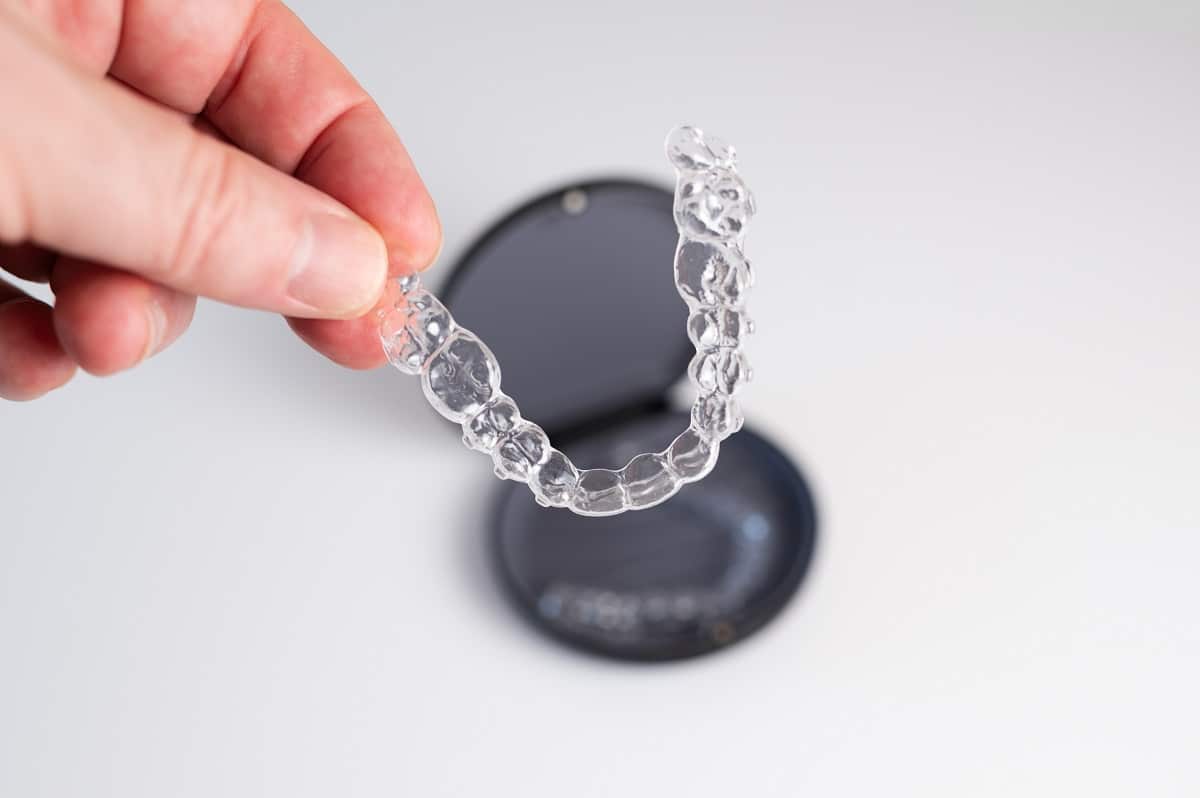
Ill-fitting trays often happen due to skipping wear time, not using chewies, starting a new set too soon, warping aligners with heat, or not following your orthodontist’s instructions. Addressing these issues early helps keep your treatment on track.

Introduction

When your Invisalign doesn’t click into place as easily as it should, it can feel frustrating, especially when you’re hoping for steady progress. Tray fit issues are more common than people realize, and the good news is that most can be fixed by adjusting a few daily habits. Whether you’re new to treatment or midway through your plan, understanding these mistakes ensures your smile transformation stays on schedule.

1. Not Wearing Aligners for the Full Recommended Hours

Invisalign works by applying consistent, gentle pressure. Wearing them for less than the recommended daily hours prevents your teeth from moving as planned. Even a few missed hours can cause a noticeable gap between the tray and teeth, leading to unnecessary discomfort and delays.

Tip: Set smartphone reminders throughout the day, especially after meals, so you maintain steady wear time.

2. Skipping Chewies or Bite Tools

Chewies help “seat” your trays fully, ensuring proper contact along every surface. Without them, trays may not hug your teeth correctly, especially during the first few days of a new set.

Local insight: Many New York patients find that using chewies five minutes a day keeps trays tight and secure.

3. Switching to the Next Tray Too Early

Some patients get excited and move ahead before their teeth have finished adapting to the current set. This is one of the fastest ways to create a poor fit. Your treatment works in small increments, and jumping ahead disrupts the predictable movement sequence.

Tip: Only switch trays when your orthodontist confirms it or when the recommended timeline is complete, never earlier.

4. Exposing Aligners to Heat

Hot water, warm drinks, or leaving trays on a sunny dashboard can warp their shape. Even slight distortion makes trays impossible to seat correctly.

Quick Fix: Clean aligners with cool or lukewarm water only, and store them in their protective case whenever you’re not wearing them.

5. Not Keeping Teeth and Aligners Clean

Food debris, plaque buildup, and residue inside the trays affect how they sit on your teeth. Over time, this creates unwanted pressure points and even affects the predictable movement path.

Tip: Brush after meals and gently clean trays with a clear, orthodontist-approved solution to prevent buildup.

6. Ignoring Attachments or Buttons That Have Fallen Off

Attachments play a major role in guiding tooth movement. If one comes off, your trays may not grip the tooth in the way your orthodontist intended. That leads to misalignment and poor tray seating.

Action Step: If an attachment loosens or breaks, contact your provider immediately to prevent treatment delays.

7. Not Reporting Fit Problems Early

Some patients wait weeks before mentioning a tray that won’t fully seat. By that point, multiple sets may no longer fit. Early intervention is the key to staying on schedule.

Local reminder: If you’re in or around Maspeth, quick follow-ups are easy to schedule, ensuring you’re never stuck with ill-fitting trays.

When to Seek an Orthodontist’s Help

If trays consistently pop up in the same area, feel extremely tight, or you notice gaps that don’t improve after using chewies, it’s time for a professional evaluation. Early guidance keeps your progress smooth and prevents the need for revised treatment plans.

Final Thoughts

A well-fitting tray is essential for successful orthodontic results. By avoiding these common mistakes and staying consistent with your routine, you protect your investment and ensure your smile continues moving in the right direction.
If you’re noticing fit issues or want expert support throughout your clear aligner journey, Khan Orthodontic Group is here to help. Schedule a consultation today to ensure your treatment stays on track and your smile reaches its full potential.

Are Teeth Gaps a Problem? Find Out When to Act

teeth spacing orthodontic treatment near jericho

Understanding Teeth Gaps and Why They Occur

Noticing extra space between your teeth? You’re not alone. Gaps—known in dentistry as diastema—can appear for many reasons. While some spacing is natural and harmless, others can signal bite problems or developmental issues that may need orthodontic care.

Common causes include:

  • Differences in tooth size or jaw structure

  • Missing or undersized teeth

  • Habits like thumb-sucking or tongue thrusting

  • Gum disease or bone loss

  • Genetics and family history

Knowing why the gap exists is the first step to deciding whether it needs treatment.

When Tooth Gaps Are Just Cosmetic

Small gaps between front teeth can be purely aesthetic. Some people even see them as part of their charm. If you’re not bothered by how it looks and it doesn’t affect your bite or speech, you might not need orthodontic treatment.

However, if gaps cause self-consciousness, modern orthodontic options—like clear aligners—can close the space discreetly and comfortably.

When Spacing Becomes a Dental Concern

While mild spacing may be harmless, larger or shifting gaps can lead to dental complications over time. Here’s when you should consider seeing an orthodontic specialist:

  • Difficulty Biting or Chewing – Uneven spacing may cause certain teeth to take more pressure, leading to wear or discomfort.

  • Speech Changes – Gaps can sometimes cause a lisp or affect pronunciation.

  • Food Trapping – Spaces between teeth can trap food, increasing the risk of decay and gum irritation.

  • Shifting Teeth – If you notice widening gaps, it may indicate bone loss or periodontal disease.

  • Jaw Pain or Misalignment – Irregular spacing may affect bite alignment, leading to tension in the jaw or headaches.

Ignoring these signs can allow minor issues to turn into bigger, more expensive problems later on.

How an Orthodontist Can Help

An orthodontic evaluation can identify whether spacing is cosmetic or functional. During your visit, your orthodontist may take X-rays and digital scans to understand your bite and tooth alignment.

Depending on the cause, treatment options may include:

  • Clear Aligners – Ideal for mild to moderate spacing, offering nearly invisible correction.

  • Braces – Effective for larger gaps or complex bite problems.

  • Dental Bonding or Veneers – Sometimes used alongside orthodontics for small cosmetic adjustments.

  • Retainers – To maintain your smile after treatment and prevent teeth from shifting again.

Early evaluation is key, especially for children. Detecting spacing or jaw growth issues at an early age can simplify future treatment.

When to Act

If you’ve noticed gaps widening, food consistently getting stuck, or changes in your bite, it’s time to schedule a consultation. Even if you’re unsure, a quick assessment can bring peace of mind and protect your smile’s long-term health.

Local orthodontic practices serving the Jericho community offer comprehensive evaluations to determine the best, most comfortable treatment plan for your needs.

Your Smile Deserves Expert Care

Living with gaps between your teeth can affect confidence, comfort, and even oral health—but the good news is, modern orthodontic treatments are more efficient and subtle than ever before.

If you’re ready to explore options for a healthier, more balanced smile, book a consultation with Khan Orthodontic Group today. Their experienced team provides personalized orthodontic care for children, teens, and adults throughout Jericho and nearby areas.

Understanding Common Orthodontic Issues: Overbite, Underbite, and Crowding Explained

common orthodontic issues in merrick jericho maspeth

Why Orthodontic Problems Matter

A confident smile does more than boost appearance—it plays a key role in oral health and comfort. When teeth or jaws don’t align properly, it can affect how you eat, speak, and even breathe. Conditions like overbite, underbite, and crowding are among the most common orthodontic concerns patients face today. Fortunately, modern orthodontic solutions make it easier than ever to correct these issues and restore both function and aesthetics.

What Causes Orthodontic Problems?

Misalignment can develop for various reasons, including genetics, childhood habits (like thumb-sucking or pacifier use), early or late loss of baby teeth, or injuries to the jaw. Understanding the root cause helps guide the right treatment plan, whether for teens or adults seeking to improve their bite and smile alignment.

Overbite: When the Upper Teeth Overlap Too Much

An overbite occurs when the upper front teeth extend significantly over the lower teeth.
Why it matters: Severe overbites can lead to uneven tooth wear, jaw discomfort, and even speech challenges.
Treatment options:

  • Clear aligners or braces gradually reposition the teeth for a balanced bite.

  • In more advanced cases, orthodontic appliances or bite correction procedures may be needed to improve jaw alignment.

Underbite: When the Lower Jaw Extends Forward

An underbite happens when the lower front teeth protrude past the upper front teeth.
Why it matters: It can cause chewing difficulties, jaw pain, and facial imbalance over time.
Treatment options:

  • Custom orthodontic devices can guide jaw growth in younger patients.

  • Aligners or braces help reposition the teeth for a healthier bite pattern.

  • Severe skeletal underbites might require orthognathic (jaw) surgery combined with orthodontic care.

Crowding: When There Isn’t Enough Room for Teeth

Crowding occurs when teeth overlap or twist because the jaw is too small to accommodate them all properly.
Why it matters: Crowded teeth are harder to clean, increasing the risk of decay and gum disease.
Treatment options:

  • Aligners or braces gently move teeth into proper alignment.

  • In some cases, tooth reshaping or limited extraction may be needed to create more space for alignment.

  • Retainers help maintain the results and prevent relapse after treatment.

What’s the best way to fix overbite, underbite, or crowding?

The right treatment depends on your age, bite severity, and oral health. Most patients benefit from orthodontic aligners or braces, which gradually shift teeth into proper alignment without surgery.

How Orthodontic Care Enhances Overall Health

Beyond aesthetics, correcting alignment helps reduce the risk of:

  • Tooth wear from uneven bite forces

  • Jaw discomfort or TMJ strain

  • Speech difficulties

  • Long-term gum problems from hard-to-clean areas

Straight teeth are easier to maintain, support healthier gums, and contribute to a balanced facial profile.

Modern Orthodontic Treatments: Comfort Meets Precision

Today’s orthodontic technology has come a long way from traditional metal braces. Many patients now choose:

  • Clear aligners for discreet, removable treatment

  • Self-ligating braces for faster adjustment visits

  • Digital scanning and 3D treatment planning for improved accuracy

These advancements make treatment more comfortable, efficient, and tailored to individual needs.

Why Choose Khan Orthodontic Group

Visit us at our dental clinics in Khan Orthodontic Group in Merrick, Jericho, and Maspeth, and get personalized orthodontic care that goes beyond straightening teeth. Our experienced team focuses on long-term function, comfort, and aesthetics using advanced treatment methods. Whether you’re dealing with an overbite, underbite, or crowding, we’ll create a plan that fits your goals and lifestyle.

Ready to Transform Your Smile?

If you’ve noticed bite misalignment or crowding, it’s never too late to explore your options. Schedule a consultation with Khan Orthodontic Group today and take the first step toward a healthier, more confident smile.

Oil Pulling vs. Mouthwash: What Works Best During Invisalign Care

oil pulling vs mouthwash during invisalign care in jericho

Keeping your mouth fresh and healthy is key when you’re undergoing clear aligner therapy. Many Jericho patients wonder whether traditional mouthwash or natural oil pulling does a better job at keeping aligners clean and their smiles bright. Both have benefits—but when it comes to aligner care, one option may fit your lifestyle better than the other.

What Is Oil Pulling?

Oil pulling is an ancient oral hygiene practice that involves swishing oil (usually coconut, sesame, or sunflower oil) in your mouth for about 10–15 minutes. The goal is to “pull” out bacteria, reduce plaque buildup, and promote gum health.
This natural approach appeals to those who prefer chemical-free oral care routines and may help reduce dry mouth or bad breath.

However, while oil pulling can complement your oral hygiene, it’s not a substitute for brushing, flossing, or using orthodontic cleaning aids.

How Mouthwash Supports Oral Health During Invisalign

Mouthwash offers fast, convenient protection against bacteria and odor—important benefits for anyone wearing aligners for most of the day. Alcohol-free antibacterial rinses can help:

  • Eliminate harmful bacteria between brushings

  • Prevent plaque and gingivitis

  • Keep your breath fresh, especially after meals

  • Reach areas your toothbrush might miss

When used correctly, mouthwash supports a clean environment for your aligners and reduces your risk of developing spots on your teeth once treatment ends.

Oil Pulling vs. Mouthwash: Key Differences for Invisalign Users

Here’s a closer look at how the two compare when you’re in active aligner treatment:

Feature Oil Pulling Mouthwash
Ingredients Natural oils (coconut, sesame, sunflower) Antibacterial agents, fluoride, and freshening compounds
Time Required 10–15 minutes daily 30 seconds–1 minute
Effectiveness for Bacteria Mild antibacterial effect Proven antimicrobial protection
Aligner Compatibility Safe if done before inserting trays Ideal for quick cleanups between meals
Best Use Supplement to oral hygiene routine Daily antibacterial support

If you’re wearing clear aligners, consistency and efficiency matter. Mouthwash often wins for its speed, effectiveness, and targeted oral health benefits. Still, oil pulling can be a nice natural addition if used as part of your morning routine before brushing.

Can Oil Pulling Damage Clear Aligners?

No, oil pulling doesn’t damage aligners—but it’s best done without your trays in. Oils can leave a residue, which might dull your aligners or make them cloudy if not rinsed properly. Always brush and rinse before putting your aligners back in.

If you’re unsure whether oil pulling fits your oral care plan, ask your orthodontic provider for personalized advice based on your aligner material and daily wear schedule.

Tips to Keep Your Smile Fresh During Aligner Treatment

To get the most out of your aligner journey, keep these Jericho orthodontist-approved tips in mind:

  • Brush and floss after every meal before putting the aligners back in.

  • Use an alcohol-free mouthwash to avoid dryness or irritation.

  • Clean aligners daily with a gentle, clear-aligner-safe cleanser.

  • Stay hydrated—dry mouth can increase odor-causing bacteria.

  • Consider oil pulling in the morning to start your day fresh, naturally.

These simple steps can help you maintain healthy gums and crystal-clear aligners throughout your treatment.

What’s Better for Invisalign—Oil Pulling or Mouthwash?

Answer: Mouthwash is typically more effective for Invisalign users because it kills bacteria quickly, supports gum health, and prevents plaque buildup around aligners. Oil pulling can be used as a natural supplement, but shouldn’t replace mouthwash or daily brushing.

Why Jericho Patients Trust Khan Orthodontic Group

Local patients value expert guidance during every stage of their smile transformation. At Khan Orthodontic Group, you’ll receive customized oral care advice tailored to your aligner needs—from choosing the right cleaning routine to keeping your trays spotless and comfortable.

Ready to Refresh Your Smile?

Whether you’re curious about starting aligner therapy or looking for personalized hygiene tips, Khan Orthodontic Group in Jericho is here to help you every step of the way.
Schedule a consultation today to experience expert, patient-focused care and keep your smile confidently healthy throughout your treatment.

Does Your Child Need Braces? What Merrick Parents Should Look Out For

early signs your child needs braces in merrick

Is It Time for Braces? Understanding the Early Signs

Parents often wonder when it’s the right time to consider orthodontic treatment for their child. While some dental issues are obvious, others develop slowly and may only be detected by a trained orthodontist. Recognizing the early warning signs can make all the difference—helping your child achieve a healthier, more confident smile with less complex treatment later on.

Why Early Evaluation Matters

According to the American Association of Orthodontists, children should have their first orthodontic evaluation around age 7. At this stage, your child’s permanent teeth begin to emerge, allowing specialists to spot potential problems early—such as jaw growth discrepancies, crowding, or bite alignment issues. Early assessment helps ensure the most effective and comfortable treatment plan.

Common Signs Your Child May Need Braces

Every child’s smile develops differently, but here are some clear indicators that orthodontic care might be needed:

1. Crooked or Crowded Teeth

If your child’s teeth overlap, twist, or appear misaligned, it could indicate insufficient space in the mouth. Braces or aligners can gradually reposition teeth for a more functional and balanced bite.

2. Early or Late Loss of Baby Teeth

Losing baby teeth too early—or too late—can affect how adult teeth come in. If teeth erupt out of place or appear in unusual positions, a professional evaluation is recommended.

3. Difficulty Biting or Chewing

Does your child struggle to bite into foods like apples or sandwiches? This may point to bite alignment problems such as overbite, underbite, or crossbite that orthodontic treatment can correct.

4. Mouth Breathing or Speech Issues

Constant mouth breathing or difficulty pronouncing certain words can be linked to jaw or bite problems. Orthodontic intervention may help restore normal oral function and breathing patterns.

5. Jaw Shifting or Clicking Sounds

A noticeable shift when opening or closing the mouth—or clicking sounds in the jaw—can signal alignment issues that may worsen without timely care.

How Do I Know If My Child Needs Braces?

Answer: You can tell your child might need braces if their teeth are crowded, spaced too far apart, or if they have difficulty chewing, biting, or speaking clearly. Other signs include thumb-sucking past age 5, early or late loss of baby teeth, and visible jaw misalignment. Schedule an orthodontic exam around age 7 to detect issues early and ensure healthy dental development.

How Early Orthodontic Treatment Helps

Addressing orthodontic problems while your child’s jaw is still growing offers significant advantages:

  • Guides Proper Jaw Growth: Helps the upper and lower jaws develop in harmony.

  • Prevents Future Complications: Reduces the need for extractions or complex procedures later in life.

  • Improves Oral Function: Enhances chewing, speech, and overall comfort.

  • Boosts Confidence: A straighter smile often leads to improved self-esteem for growing kids.

When to Visit an Orthodontic Specialist

Even if your child’s teeth appear straight, an orthodontic consultation can uncover hidden issues. Parents in Merrick should consider scheduling an evaluation if:

  • Their child’s teeth don’t meet properly when biting.

  • There’s noticeable crowding or spacing.

  • The jaw seems to protrude or recede.

  • Their child complains of jaw pain or tooth sensitivity.

Regular dental checkups combined with timely orthodontic assessments are key to maintaining long-term oral health.

Trusted Orthodontic Care for Merrick Families

Visit Khan Orthodontic Group in Merrick, and we believe every child deserves a confident, healthy smile. Our team uses advanced technology and personalized care plans to make orthodontic treatment comfortable, efficient, and tailored to your child’s needs. Whether it’s early intervention or full orthodontic care, we’re here to guide you through every step.

Schedule Your Child’s Evaluation Today

If you’ve noticed any of these signs, don’t wait—early orthodontic care can make a lasting difference. Contact Khan Orthodontic Group today to schedule your child’s consultation and learn how we can help create the foundation for a lifetime of healthy smiles.

How Long Does Orthodontic Treatment Take? A Complete Guide for Jericho Patients

how long does orthodontic treatment take from orthodontist in jericho

Most orthodontic treatments last between 12 and 36 months, depending on factors like the type of braces or aligners, case complexity, and how well patients follow care instructions. Consistent appointments and good oral hygiene help shorten the overall timeline.

A Straighter Smile Takes Time — But It’s Worth It

If you’ve ever wondered how long you’ll need braces or clear aligners, you’re not alone. Every patient’s orthodontic journey is unique, but most people in the Jericho area can expect treatment to last about one to three years. The exact timeline depends on your individual smile goals, dental health, and the type of treatment recommended by your orthodontic specialist.

Let’s break down what really determines your treatment length — and how you can keep things moving efficiently.

1. Your Specific Alignment Needs Matter Most

The biggest factor in treatment length is the complexity of your case.

  • Mild spacing or crowding: May be corrected in as little as 6–12 months.
  • Moderate to severe misalignment or bite correction: Often requires 18–30 months or more.
  • Comprehensive bite adjustments or jaw discrepancies: Can take up to 36 months for ideal results.

Your orthodontic specialist will take digital scans or X-rays to determine exactly what your teeth need before mapping out a timeline.

2. The Type of Appliance Plays a Big Role

Not all orthodontic systems move teeth the same way or at the same speed.

  • Traditional metal braces: Reliable and effective for complex cases, but typically take 18–24 months.
  • Ceramic braces: Offer a more discreet look but may require slightly longer adjustments due to their delicate material.
  • Clear aligners (like Invisalign): Great for mild to moderate misalignment and often completed in 12–18 months with consistent wear.

Each treatment option has unique advantages, so the best choice depends on your goals, lifestyle, and budget.

3. Age and Bone Density Can Influence Progress

Teens tend to see faster movement because their jawbones are still growing and more adaptable. Adults can absolutely achieve beautiful results too — it just may take a bit longer due to denser bone structure. However, with today’s advanced orthodontic technology, even adult cases can be completed more efficiently than ever before.

4. Patient Cooperation Is a Game-Changer

Your habits directly impact your treatment timeline. Here’s how to stay on track:

  • Keep every scheduled appointment. Missed visits can delay progress.
  • Follow your orthodontist’s instructions carefully. Consistency is key, whether it’s wearing elastics or keeping your aligners in for 22 hours a day.
  • Maintain excellent oral hygiene. Plaque buildup or broken brackets can slow down your results.

Patients who follow their care plan closely often finish treatment months earlier than those who don’t.

5. New Technology Means Shorter Treatment Times

Modern orthodontic tools — from digital scanning to accelerated tooth movement devices — have made treatment more precise and efficient. Some systems can even reduce overall treatment time by up to 30% compared to traditional methods.

If you’re starting your orthodontic journey in Jericho, ask your local specialist whether advanced options like self-ligating braces or AI-powered treatment monitoring could shorten your experience.

6. Retainers Are the Final Step (and Just as Important)

Even after your braces or aligners come off, your treatment isn’t officially complete until you maintain your new smile with retainers. Skipping this step can cause teeth to shift back, undoing months or years of progress.

Most patients wear retainers full-time for a few months, then transition to nighttime wear to preserve long-term results.

The Bottom Line

While most orthodontic treatments last between 12 and 36 months, your exact timeline depends on your specific needs and compliance. What matters most is creating a healthy, confident smile that lasts a lifetime — not rushing through the process.

Ready to Begin Your Smile Journey in Jericho?

If you’re considering braces or clear aligners, the first step is a personalized consultation with a trusted orthodontic team. Visit Khan Orthodontic Group in Jericho, and we’ll assess your smile, explain your treatment options, and give you a clear timeline — so you’ll know exactly what to expect from day one.

Schedule your appointment today and take the first step toward a straighter, healthier smile that’s worth every moment of the journey.

Contact Khan Orthodontic Group to get started!

Can I Wear My Last Invisalign Tray as a Retainer? Here’s the Truth

wearing invisalign in merrick tray as retainer pros and cons

When your Invisalign treatment wraps up, it’s natural to wonder what’s next for keeping your teeth perfectly aligned. Many patients ask: “Can I wear my last Invisalign tray as a retainer?” While it might seem like a convenient option, the answer is a bit more nuanced than a simple yes or no.

Below, we’ll explore the difference between aligners and retainers, the potential risks of using your final tray long-term, and what dental professionals in the Merrick area recommend for lasting results.

Understanding the Difference: Aligner vs. Retainer

Your Invisalign aligners are designed to actively shift your teeth during treatment. Each set is slightly different, guiding your teeth to their ideal positions over time. Retainers, on the other hand, are made to hold your teeth in place — not move them.

Think of it this way:

  • Aligners = gentle movement phase.
  • Retainers = stability and maintenance phase.

Because of this difference in purpose, aligners aren’t always built for the durability and wear schedule retainers require.

Why Some Patients Consider Using the Last Tray

Some patients decide to wear their final tray as a temporary retainer for reasons like:

  • Avoiding the extra cost of a dedicated retainer.
  • Waiting for their custom retainer to arrive from the dental office.
  • Wanting to maintain results while traveling or between appointments.

While this can work short-term, it’s rarely recommended as a long-term solution.

The Downsides of Using Your Last Invisalign Tray Long-Term

1. Material Wear and Tear

Invisalign trays are designed for short-term wear — usually around two weeks per set. Over time, the thin plastic can warp, crack, or lose its snug fit, reducing its ability to hold your teeth in position.

2. Hygiene Concerns

Extended use can lead to plaque buildup, odors, and staining. Unlike retainers, Invisalign trays aren’t built to withstand months or years of continuous cleaning cycles.

3. Fit Issues Over Time

Even a slight warping can allow teeth to shift subtly. This can undo months of orthodontic progress.

When It’s Okay to Use the Last Tray as a Retainer

Dental professionals often say it’s fine to use your final aligner for a short transition period — for example:

  • While waiting for your permanent retainer to be made.
  • If your retainer breaks or is lost, and you’re awaiting a replacement.

Just remember: This is a temporary fix, not a permanent plan.

What Dentists in Merrick Recommend Instead

To maintain your new smile, local orthodontists typically suggest:

  1. Ordering Vivera Retainers – These are made by the same company as Invisalign but built for long-term wear and durability.
  2. Hawley or Essix Retainers – Depending on your bite and preferences, your orthodontist may recommend a custom-made option.
  3. Regular Checkups – Post-treatment visits help ensure your retainers fit well and your teeth remain stable.

Pro Tips for a Smooth Transition

  • Don’t skip wear time — Retainers should be worn as instructed, often full-time at first, then nightly.
  • Keep your last tray as an emergency backup — Even if it’s not ideal for daily use, it can help prevent shifting if you lose your retainer.
  • Clean thoroughly — Use a retainer-safe cleaner, not just toothpaste, to prevent scratching the surface.

Q: Can I wear my last Invisalign tray as a retainer?

Yes, but only temporarily. Invisalign trays are not designed for the long-term retention phase, so they may lose effectiveness and hygiene quality over time. Dental professionals recommend switching to a dedicated retainer as soon as possible to maintain your results.

Final Takeaway

Using your last Invisalign tray as a temporary retainer can be a smart short-term solution, but it’s not built to last. For the best long-term results, invest in a durable, professionally made retainer and follow your orthodontist’s wear schedule. If you’ve recently completed treatment and need guidance on your post-Invisalign plan, schedule a consultation with your trusted Merrick dental team at Khan Orthodontic Group. We’ll ensure your smile stays as beautifully aligned as the day you finished treatment.

Braces Just Tightened? Here’s How Long the Discomfort Usually Lasts

orthodontists in merrick explains how to get rid of the pain after braces tightening

Feeling Sore After a Braces Tightening? You’re Not Alone

If you’ve recently had your braces adjusted and are noticing tenderness in your teeth or gums, don’t worry—it’s completely normal. After each adjustment, your orthodontist applies gentle pressure to guide your teeth into their proper positions. That tightening sensation can lead to mild soreness, especially during the first few days.

This discomfort is a sign your treatment is progressing as planned. Still, knowing how long it lasts and how to manage it can make your orthodontic journey much smoother.

How Long Does the Discomfort Last?

Most people feel some level of soreness for 3 to 5 days after a tightening appointment. The intensity varies depending on your pain tolerance, diet, and stage of treatment.

  • Day 1–2: Mild to moderate soreness begins within a few hours after the adjustment.

  • Day 3–4: Tenderness peaks but typically starts to fade.

  • Day 5–7: Most discomfort subsides completely, and you can return to your normal eating habits.

If pain persists beyond a week or becomes sharp or localized, it’s best to schedule a quick checkup with your orthodontist to ensure no wire or bracket is causing irritation.

Why Braces Tightening Causes Soreness

Each time your braces are adjusted, the wires exert pressure on your teeth, encouraging them to shift slightly closer to their ideal alignment. This process triggers a response in the surrounding tissues and ligaments, resulting in mild inflammation and sensitivity.

Think of it as a good sign—your smile is literally on the move!

Practical Tips to Ease Braces Tightening Pain

While some soreness is unavoidable, there are simple ways to manage it effectively at home:

1. Stick to Soft Foods

In the first couple of days, choose foods that don’t require much chewing—like yogurt, mashed potatoes, oatmeal, or smoothies. Avoid crunchy snacks and chewy treats until the soreness eases.

2. Use an Ice Pack or Cold Water Rinse

Applying a cold compress on your cheeks or swishing cold water can reduce inflammation and numb sensitive areas temporarily.

3. Over-the-Counter Pain Relief

If needed, mild pain relievers such as ibuprofen or acetaminophen can help ease discomfort. Always follow dosage instructions or consult your orthodontist if you’re unsure.

4. Orthodontic Wax Is Your Friend

If brackets or wires are rubbing against your cheeks or gums, apply orthodontic wax to those spots. It creates a smooth barrier and prevents irritation.

5. Maintain Gentle Oral Hygiene

Don’t skip brushing or flossing. Instead, use a soft-bristled toothbrush and move gently around your brackets and wires to avoid worsening soreness.

When to Contact Your Orthodontist

While soreness after tightening is normal, certain signs call for professional attention:

  • Persistent pain lasting more than a week
  • Wires poking your cheeks or gums
  • A loose bracket or broken wire
  • Swelling or bleeding that doesn’t improve

Our orthodontic team in Merrick can make minor adjustments or replace any hardware irritating to restore comfort quickly.

How long does pain last after braces are tightened?
Soreness usually lasts about 3 to 5 days after a braces adjustment. It’s normal for teeth to feel tender during that time, and discomfort can be managed with soft foods, cold compresses, and mild pain relievers.

Staying Positive Throughout Treatment

It’s easy to feel discouraged after each tightening, but remember: every bit of discomfort means you’re one step closer to your new smile. The body is simply responding to the gentle forces guiding your teeth into alignment.

Most patients find that as they continue through treatment, the soreness after adjustments becomes less intense. Your mouth gradually adapts, and you’ll find your recovery time shortens after each visit.

Ready to Feel More Comfortable With Your Smile Journey?

At Khan Orthodontic Group in Merrick, we’re dedicated to making every step of your treatment as smooth as possible. If your recent adjustment has left you feeling more discomfort than expected—or if you just want expert advice on managing soreness—our friendly orthodontic team is here to help.

Contact us today to schedule a comfort check or your next visit. Let’s keep your smile on track—comfortably and confidently!

Can You Drink Lemonade with Braces? Tips from Orthodontists

is lemonade safe for braces near you in Maspeth

Yes, you can drink lemonade with braces — but only in moderation and with extra care. Lemonade is acidic and often high in sugar, which can weaken enamel and increase the risk of staining or damage to your braces. If you enjoy lemonade occasionally, rinse your mouth with water afterward and maintain excellent oral hygiene.

Why Lemonade Can Be Risky for Braces

Lemonade combines citric acid from lemons with added sugar. This double hit of acidity and sweetness can:

  • Soften tooth enamel, making it more vulnerable to decay.
  • Cause staining around brackets, leading to uneven coloring after braces are removed.
  • Irritate gums if plaque builds up around wires and brackets.

Patients from Jericho, Maspeth, and Merrick who love lemonade often notice more plaque buildup if they don’t rinse or brush right after drinking it.

How to Enjoy Lemonade Without Harming Your Smile

Orthodontists recommend these tips if you don’t want to give it up completely:

1. Limit How Often You Drink It

Instead of sipping lemonade throughout the day, enjoy it in one sitting to reduce the amount of time your teeth are exposed to acid.

2. Use a Straw

Drinking through a straw helps minimize contact between the acidic liquid and your teeth.

3. Rinse Immediately

A quick rinse with water can neutralize acidity and wash away sugars before they harm your enamel.

4. Wait Before Brushing

Brushing immediately after acidic drinks can cause enamel erosion. Wait about 30 minutes, then brush gently.

5. Opt for Sugar-Free or Diluted Versions

Cutting sugar and adding more water to your lemonade can reduce its impact on your teeth.

What Our Local Orthodontists Say

Orthodontists in Jericho, Maspeth, and Merrick often see patients who think clear drinks like lemonade are harmless. In reality, even light-colored drinks can cause noticeable marks if braces aren’t cleaned properly.

“Moderation is key. We’d rather see you enjoy lemonade occasionally with proper care than avoid it entirely but neglect brushing,” says one of our specialists.

Better Alternatives to Lemonade During Braces

If you want something refreshing but less harmful, try:

  • Infused water with cucumber or berries
  • Herbal iced teas without added sugar
  • Sparkling water with a splash of lemon for flavor

These options still give you a burst of flavor but are gentler on enamel and braces.

Final Takeaway

You don’t need to give up lemonade completely while wearing braces, but you do need to be mindful. With moderation, smart drinking habits, and good oral care, you can keep your smile healthy throughout your orthodontic treatment.

Ready for Your Best Smile?

Whether you’re starting braces treatment or already wearing them, our team is here to guide you every step of the way. If you’re in Jericho, Maspeth, or Merrick and considering orthodontic care, book a consultation with us today to get personalized advice for your lifestyle.

Schedule Your Appointment Now »

Bleeding Whenever You Insert Your Retainer? Here’s What It Could Mean

retainer causing gum bleeding solutions by orthodontists in maspeth

If your gums bleed when you put your retainer in, it’s not something you should ignore. While it may seem like a minor irritation, gum bleeding can be an early sign that something isn’t quite right with your oral hygiene routine or your retainer’s fit. Understanding what’s behind this issue — and how to address it — can help you protect your smile and prevent future discomfort.

Why Your Gums Might Bleed When Wearing a Retainer

1. Plaque and Tartar Buildup

Retainers can trap food particles and bacteria, especially if they aren’t cleaned daily. When plaque builds up along the gumline, it can lead to inflammation (gingivitis). Inflamed gums tend to bleed easily, particularly when pressure is applied — like when inserting your retainer.

2. Poor Oral Hygiene Habits

If you don’t brush and floss thoroughly, bacteria can linger under your gums and around your teeth. This leads to gum sensitivity and bleeding, even with slight friction from your retainer. Maintaining consistent oral hygiene is essential, especially if you wear retainers for long hours.

3. Ill-Fitting Retainers

Over time, your teeth can shift slightly, especially if you skip wearing your retainer for a few days. When that happens, your retainer might fit tighter than usual and irritate your gums. A snug or misshapen retainer can cause pressure points that make your gums bleed when you insert it.

4. Gum Inflammation or Early Gum Disease

Bleeding could indicate the early stages of gum disease. When gums are red, swollen, or tender, inserting your retainer can trigger bleeding easily. Without prompt care, gingivitis can progress into periodontitis — a more serious form of gum disease that can affect bone support around your teeth.

5. Dry Mouth or Certain Medications

Some medications or medical conditions reduce saliva flow, causing dry mouth. Saliva helps wash away bacteria and maintain gum health. Without enough of it, your gums become more prone to irritation and bleeding.

What You Can Do to Stop Gum Bleeding with a Retainer

1. Clean Your Retainer Daily

Use a soft toothbrush and a non-abrasive retainer cleaner or mild soap. Avoid toothpaste, as it can scratch the surface. Bacteria thrive on unclean retainers, which can aggravate gum inflammation.

2. Improve Your Brushing and Flossing Routine

Brush your teeth twice a day with a soft-bristled toothbrush and fluoride toothpaste. Don’t forget to floss once daily — especially around hard-to-reach areas. An interdental brush or water flosser can help remove debris more effectively if you wear orthodontic retainers.

3. Rinse with an Antimicrobial Mouthwash

Rinsing helps kill bacteria that brushing may miss. Choose an alcohol-free mouthwash with antibacterial properties to prevent irritation.

4. Check Retainer Fit Regularly

If your retainer feels tight, painful, or seems to press against your gums, it may need an adjustment. Avoid forcing it in — this can worsen bleeding and cause gum recession. Instead, schedule a visit to your local orthodontic specialist in Maspeth to have it evaluated.

5. Stay Consistent with Retainer Wear

Skipping days allows teeth to shift, making reinsertion uncomfortable and increasing gum irritation. Wearing your retainer consistently keeps your teeth stable and reduces trauma to your gums.

When to See an Orthodontic Professional

If the bleeding persists even after improving your hygiene routine, it’s time to seek professional help. Persistent gum bleeding could signal underlying gum disease, an ill-fitting retainer, or improper cleaning techniques. A trusted local orthodontic provider can examine your gums, clean your retainers properly, and ensure the fit is accurate for long-term comfort.

During your visit, your orthodontist may recommend:

  • A professional cleaning to remove plaque or tartar buildup
  • A refit or replacement for your retainer
  • A personalized hygiene plan tailored to your gum health

Preventing Future Gum Bleeding

  • Use lukewarm water only when rinsing your retainer — hot water can warp it.
  • Avoid sugary and acidic foods that can irritate gums.
  • Schedule regular dental checkups every six months to monitor gum health.
  • Keep your retainers in their case when not in use to avoid bacterial exposure.

Why do my gums bleed when I put my retainer in?
Gum bleeding when inserting a retainer usually results from poor oral hygiene, plaque buildup, or a tight-fitting retainer that irritates the gums. Cleaning your retainer daily, brushing and flossing properly, and visiting an orthodontic specialist for fit adjustments can help resolve the issue.

Ready to Protect Your Smile?

If you’re dealing with gum bleeding or discomfort while wearing your retainer, don’t wait for it to worsen. Schedule a consultation or visit Khan Orthodontic Group in Maspeth — your trusted local orthodontic team serving the Maspeth community. Our specialists will assess your retainer fit, check for gum health issues, and guide you toward a healthier, more confident smile.

Call today or book your visit online to get expert orthodontic care near you!

Schedule Your Free Smile Consult.

Orthodontic care for the whole family

EnglishEspañol