tr
Call Today!    Merrick | Jericho | Maspeth

Should You Reuse Old Invisalign Trays After Treatment? The Truth About Post-Treatment Care

Can I Reuse Old Invisalign Trays After Treatment?

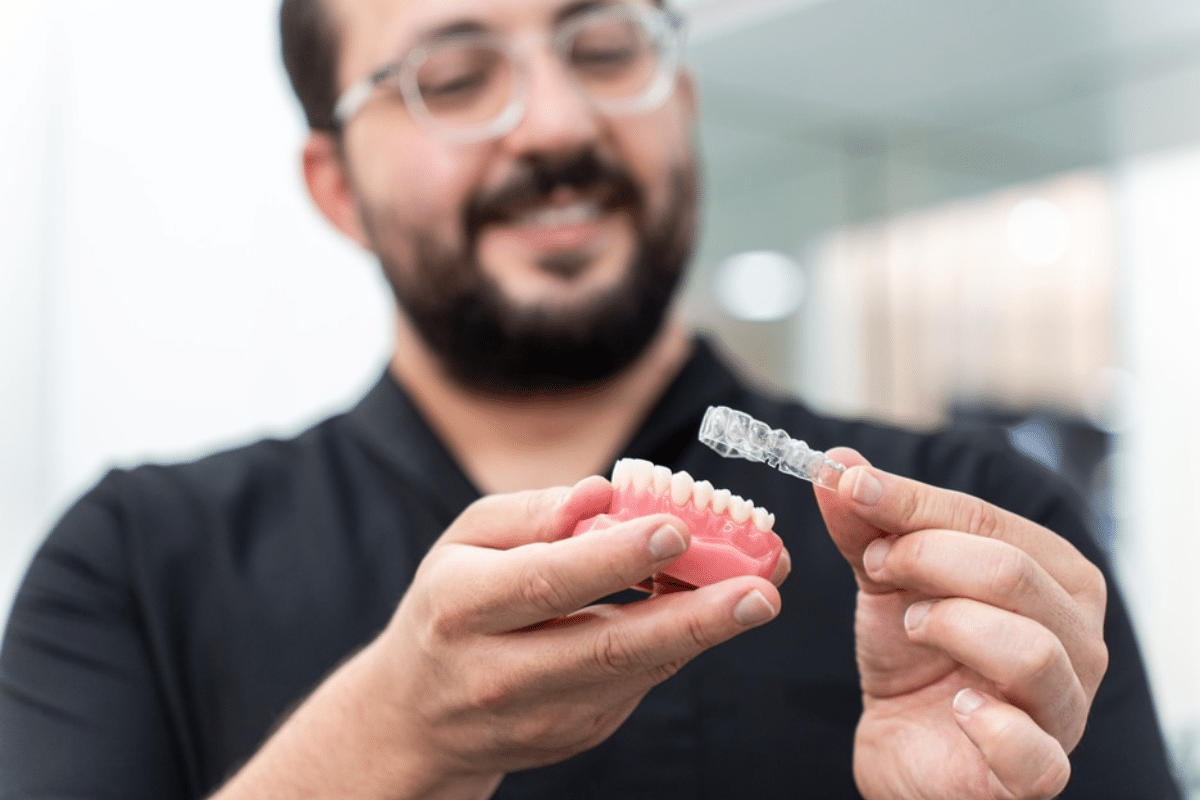
Completing your Invisalign treatment is an exciting milestone. After months of wearing aligners, you finally achieve a straight and confident smile. But what should you do with your old Invisalign trays? Some patients wonder if they can reuse them in case their teeth shift slightly or if they can serve as a backup retainer. If you’ve been asking, “Can I reuse my old Invisalign trays?”—you’re not alone. Let’s explore whether keeping and using old aligners is a good idea.

Can You Wear Old Invisalign Trays Again?

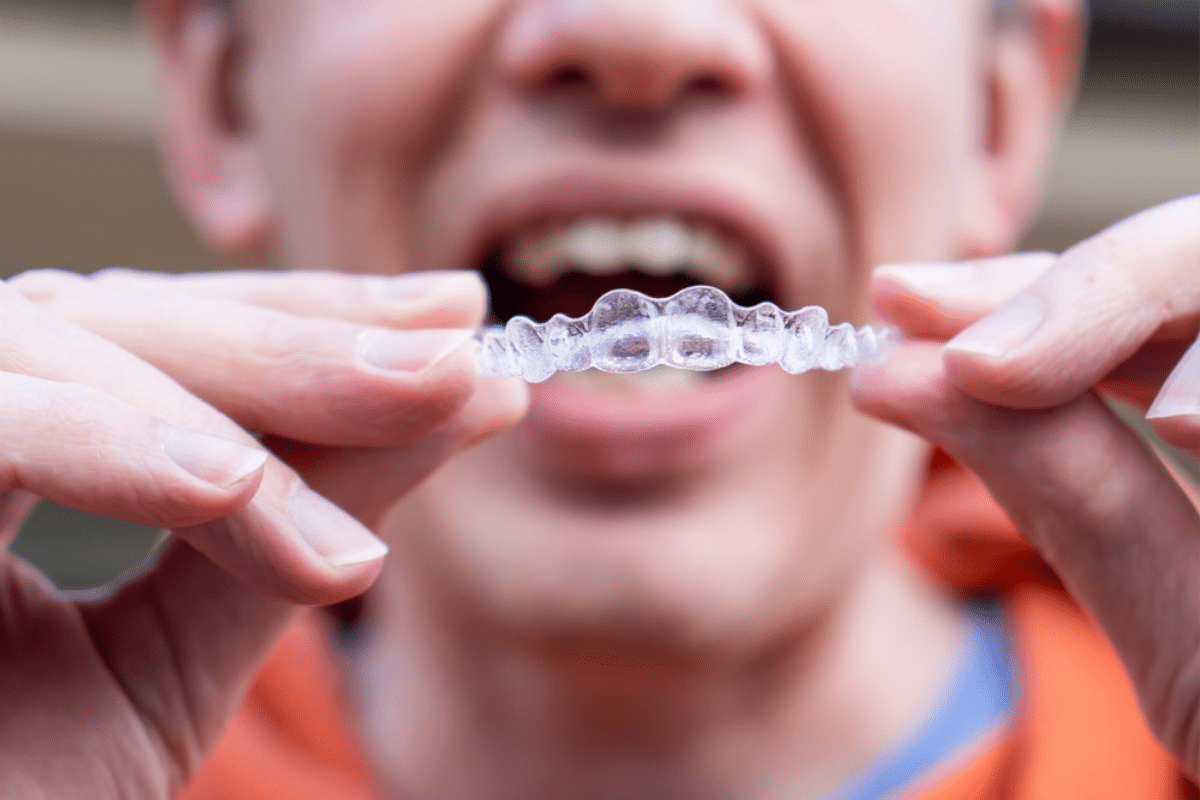
Reusing old Invisalign trays might seem like a cost-effective and convenient solution, but it’s not always the best approach. Here’s why:

  • Fit Issues: Your teeth continuously shift, even after Invisalign treatment. Old trays might no longer fit properly, leading to discomfort or ineffective results.
  • Loss of Effectiveness: Invisalign trays are designed for short-term use. Over time, they lose their structural integrity, making them less effective for realigning teeth.
  • Hygiene Concerns: Bacteria buildup can occur in aligners, even with proper cleaning. Reusing them after months of storage could increase the risk of oral infections.

If your teeth begin to shift, it’s best to consult an orthodontist near you rather than rely on old trays.

Can You Use the Last Invisalign Tray as a Retainer?

Your final Invisalign tray closely resembles a retainer, leading many patients to wonder if they can wear it indefinitely. While it may work temporarily, it’s not a long-term solution.

  • Retainers Are More Durable: Invisalign trays are made from thinner material than retainers, meaning they wear out faster.
  • Limited Lifespan: Your last aligner was designed for the final phase of your treatment, not for extended use.
  • Possible Teeth Shifting: Without a properly designed retainer, your teeth may gradually move out of alignment.

For lasting results, an orthodontist can provide a custom retainer to maintain your new smile. If you’re searching for invisalign near you in Merrick, Jericho, and Maspeth, Khan Orthodontic Group offers tailored post-treatment solutions.

How Long Can You Wear Your Last Invisalign Tray?

Some patients extend the use of their last tray while waiting for a retainer. If necessary, you can wear your final aligner for a short period, but keep these factors in mind:

  • Maximum Wear Time: Invisalign trays are not meant for lifetime use. They typically last a few weeks before becoming ineffective.
  • Regular Cleaning is Essential: To prevent bacteria buildup, clean your tray thoroughly with Invisalign cleaning crystals or a mild denture cleanser.
  • Monitor for Wear and Tear: If the aligner starts to crack or lose its shape, stop using it immediately and get a retainer.

If you need a long-term retainer, an orthodontist can provide a better option than reusing Invisalign trays.

What Should You Do With Old Invisalign Trays?

Instead of reusing old Invisalign trays, consider these options:

  • Keep the Last Few Sets: If your orthodontist recommends it, you might keep your last few trays as a reference.
  • Proper Disposal: If you no longer need them, dispose of old trays responsibly. They are made of plastic and should be discarded properly.
  • Emergency Backup: In rare cases, an old tray might serve as a temporary aligner if you lose your retainer while traveling. However, this should only be a short-term solution.

For a lasting and effective way to maintain your straight smile, invest in a professionally made retainer.

The Best Way to Keep Your Smile Perfect After Invisalign

Once your Invisalign treatment is complete, the best way to maintain your results is with a proper retainer. If you’re looking for Invisalign in Merrick, Jericho, Maspeth, or the nearby areas, Khan Orthodontic Group offers high-quality orthodontic care to keep your teeth perfectly aligned.

A retainer is designed to prevent teeth from shifting and is far more effective than an old Invisalign tray. Your orthodontist will guide you on the best retainer type for your needs.

Final Say: Should You Reuse Old Invisalign Trays?

While it might be tempting to reuse old Invisalign trays, they are not a reliable long-term solution. Instead, investing in a proper retainer will help preserve your results and keep your teeth aligned for years to come. If you notice any shifting, reach out to an orthodontist for professional advice rather than relying on outdated aligners.

If you need expert guidance on post-Invisalign care, visit Khan Orthodontic Group in Merrick, Jericho, or Maspeth. Our team is here to help you maintain your perfect smile!


Enjoy a Brighter Smile with Best Orthodontics in Maspeth

How to find the Best Orthodontist in Maspeth?

Do you dream of a straighter, more confident smile? If so, you’re not alone. Many people desire perfectly aligned teeth that make them feel proud. Fortunately, if you are looking for a reliable orthodontist in Maspeth, you have access to top-notch orthodontic care right in your neighborhood!

Whether you need traditional braces or prefer the discreet option of Invisalign, a skilled orthodontist near you can help you achieve the smile of your dreams. In this guide, we’ll explore different orthodontic treatments, their benefits, and how to find the best orthodontic care in Maspeth.

Traditional Orthodontics with Braces

Traditional braces have been a trusted method for straightening teeth for decades. They consist of metal or ceramic brackets bonded to your teeth and connected by wires that gradually shift your teeth into proper alignment.

Benefits of Traditional Braces

• Effective for All Cases: Braces can correct mild to severe orthodontic issues, including crowding, gaps, and bite misalignment.

• Precise Control: Orthodontists have complete control over the movement of your teeth, ensuring accurate results.

• Durability: Braces are strong and can withstand the rigors of daily wear.

If you require significant tooth movement or bite correction, traditional braces may be the best option for you.

Invisalign: The Discreet Alternative

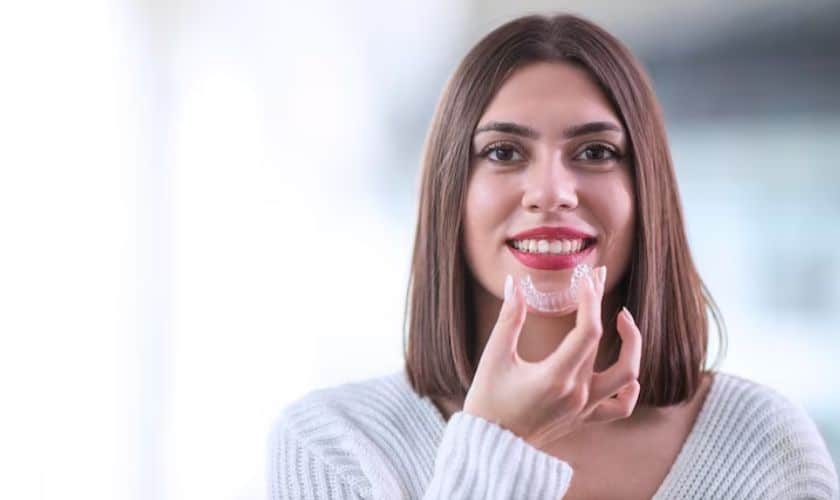
For those looking for a more subtle way to straighten their teeth, Invisalign offers a modern, nearly invisible solution. These clear aligners are custom-made and gradually shift your teeth into place.

Advantages of Invisalign

• Virtually Invisible: The clear aligners are discreet, making them a popular choice for adults and teens.

• Removable for Convenience: You can take out Invisalign aligners when eating, drinking, or brushing, making oral hygiene easier.

• Comfortable Fit: Without metal brackets or wires, Invisalign aligners cause minimal irritation.

• Fewer Orthodontic Visits: Treatment often requires fewer check-ups compared to traditional braces.

If you’re seeking a less noticeable and more flexible option, Invisalign may be the perfect fit for you.

Why Choose a Local Orthodontist in Maspeth?

Selecting an experienced orthodontist in Maspeth has several advantages. Not only does it make your treatment journey more convenient, but it also ensures personalized care.

• Convenience and Accessibility: Choosing an orthodontist near you means shorter travel times for appointments, making it easier to stay committed to your treatment plan.

• Personalized Treatment Plans: Local orthodontists take the time to understand your needs and customize treatment options tailored to your specific case.

• Community Connection: Our orthodontist in Maspeth understands the needs of the local community and strives to provide high-quality, compassionate care to residents.

How to Find the Best Orthodontist in Maspeth

When searching for an orthodontist near you, keep these key factors in mind:

• Read Online Reviews: Check patient testimonials and ratings to learn about the experiences of others.

• Visit the Clinic’s Website: Explore their services, treatment options, and credentials.

• Schedule a Consultation: Meeting with an orthodontist in person allows you to ask questions and determine if they are the right fit for your needs.

• Discuss Treatment Options: A reputable orthodontist will walk you through different treatments and help you choose the best one for your dental goals.

A Confident Smile Starts Today!

With a skilled orthodontist in Maspeth, you have access to exceptional orthodontic care, whether you choose traditional braces or Invisalign. Your journey to a straighter smile begins with a consultation. Don’t wait—take the first step towards improved confidence and oral health by scheduling an appointment with a trusted orthodontist near you today!

Remember, investing in your smile is an investment in your overall well-being. A beautifully aligned smile not only enhances your appearance but also boosts self-esteem and oral health. Contact our orthodontist in Maspeth and begin your transformation today!

Can You Kiss with Braces? Here’s What You Need to Know!

Can You Kiss with Braces?

Braces are a game-changer for your smile, but they come with their fair share of concerns. One common question many people have is: Can you kiss with braces? The short answer – yes! But there are a few things to keep in mind to make the experience comfortable and enjoyable for both you and your partner.

Yes, You Can Kiss With Braces!

If you’re worried about kissing while wearing braces, rest assured—it’s totally possible! While there might be a learning curve at first, a little patience and technique can make all the difference. Here’s what you need to know:

  • Be Gentle: Braces have brackets and wires that can feel unfamiliar at first. Avoid sudden or forceful movements to prevent discomfort.
  • Take It Slow: Start with soft, gentle kisses and gradually adjust as you become more comfortable.
  • Use Your Lips More: Focus on using your lips rather than your teeth to avoid any accidental bumps or snags.
  • Watch Out for Hooks and Wires: If you or your partner have braces, be mindful of any sharp edges to prevent irritation.

Common Concerns About Kissing With Braces

Wearing braces shouldn’t stop you from enjoying life—including kissing! Here are some common concerns and how to address them:

1. Will Braces Get Stuck Together?

This is a common fear, but modern braces are designed to prevent this from happening. As long as you’re careful, the chances of getting stuck are extremely low.

2. Can Braces Hurt My Partner?

If you’re kissing someone without braces, they might feel a bit of the metal, but as long as you’re gentle, it shouldn’t be a problem. If both of you have braces, being mindful of positioning can prevent accidental clashes.

3. What About Bad Breath?

Braces can trap food, leading to bad breath. Keep your breath fresh by brushing and flossing regularly, and consider carrying sugar-free mints for extra confidence.

Tips for a Better Kissing Experience

Want to make kissing with braces even smoother? Try these tips:

  • Keep Your Braces Clean: Good oral hygiene is key to a confident and fresh-smelling kiss. Brush and floss daily to avoid food buildup.
  • Use Orthodontic Wax: If you have sharp brackets or wires that irritate your lips, orthodontic wax can help create a smoother surface.
  • Communicate With Your Partner: If something feels uncomfortable, let your partner know so you can adjust accordingly.
  • Relax and Enjoy: Overthinking can make you tense. Stay relaxed, and kissing with braces will feel natural in no time.

Braces Won’t Stop Romance!

Braces are a temporary part of your journey to a perfect smile, but they don’t have to interfere with your personal life. With a little practice and care, you can still enjoy all the sweet moments you love—without any hassle.

If you’re looking for expert advice on braces in Merrick, Maspeth, or Jericho, Khan Orthodontic Group is here to help. Our team of experienced orthodontists treating patients in Merrick, Maspeth, Jericho, and nearby areas will guide you through every step of your orthodontic journey, ensuring your smile stays as healthy as your confidence.

Book a consultation today and take the next step toward your perfect smile!

Oil Pulling with Braces: A Natural Hack or a Risky Move?

Oil Pulling with Braces: Safe or Risky?

Braces help straighten teeth and improve your smile, but they also make oral hygiene more challenging. With food particles easily getting stuck between brackets and wires, many people look for alternative ways to maintain oral health. One popular method is oil pulling—but is oil pulling safe with braces? Let’s explore whether you should incorporate this ancient practice into your routine while wearing braces.

What is Oil Pulling?

Oil pulling is an ancient Ayurvedic practice that involves swishing oil (typically coconut, sesame, or sunflower oil) in your mouth for about 10–20 minutes. The idea is that the oil pulls out toxins, reduces bacteria, and promotes overall oral health.

Is Oil Pulling Safe with Braces?

While oil pulling is generally safe for most people, those with braces should proceed with caution. The continuous swishing motion could impact brackets and wires, potentially leading to loose or damaged orthodontic components. Additionally, some oils may leave a residue that is difficult to clean off braces.

Should You Try Oil Pulling with Braces?

If you’re considering oil pulling with braces, keep these tips in mind:

  • Use a Light Oil – Stick to lighter oils like sesame or sunflower oil instead of thick coconut oil.
  • Swish Gently – Avoid vigorous swishing to prevent loosening brackets or wires.
  • Shorten the Duration – Try oil pulling for 5–10 minutes instead of 20 minutes.
  • Rinse Well Afterward – Follow up with water or mouthwash to remove any oily residue.
  • Check with Your Orthodontist – Before adding oil pulling to your routine, consult your orthodontist for personalized advice.

Can You Practice Oil Pulling with Braces?

Yes, you can, but with precautions. If you choose to opt for oil pulling, ensure you are doing it correctly and not compromising your orthodontic treatment. Gentle swishing, using light oils, and maintaining a proper oral hygiene routine alongside oil pulling can help minimize risks.

Is Oil Pulling Good for Braces?

Oil pulling may provide benefits for those wearing braces, including:

  • Reduces Bacteria – Braces create more spaces for bacteria to hide. Oil pulling may help reduce harmful bacteria and plaque buildup.
  • Helps Freshen Breath – It can eliminate bad breath caused by trapped food particles and bacteria.
  • May Reduce Gum Inflammation – Some people find that oil pulling helps with gum irritation, which is common with braces.
  • Natural Alternative to Mouthwash – If you prefer natural oral care, oil pulling can serve as an alternative to chemical-based mouthwashes.

Risks and Concerns of Oil Pulling with Braces

While oil pulling has potential benefits, it also comes with risks when you have braces. Here’s what you need to consider:

  • Loosening of Brackets – The swishing motion could loosen brackets or wires, leading to orthodontic issues.
  • Oil Residue in Braces – Thick oils like coconut oil might stick to brackets and wires, making cleaning more difficult.
  • Does Not Replace Brushing & Flossing – Oil pulling should never be a substitute for proper brushing and flossing.
  • Potential Allergies – Some people may have allergies to certain oils, leading to irritation or swelling.

Other Effective Ways to Maintain Oral Health with Braces

If oil pulling isn’t right for you, there are plenty of other ways to keep your teeth and gums healthy while wearing braces:

  • Brush After Every Meal – Use a soft-bristled toothbrush and fluoride toothpaste.
  • Floss Daily – Use floss threaders or a water flosser to clean between brackets and wires.
  • Use an Orthodontic Mouthwash – Antimicrobial mouthwashes help reduce plaque and bacteria buildup.
  • Eat a Braces-Friendly Diet – Avoid sticky, hard, and sugary foods that can damage your braces.
  • Visit Your Orthodontist Regularly – Routine checkups ensure that your treatment stays on track.

Final Thoughts

Oil pulling may offer some benefits, but it’s not always the best option for people with braces. While it can help reduce bacteria and freshen breath, the risks of loosening brackets and leaving behind oily residue make it a less-than-ideal choice. If you’re interested in trying it, consult with your orthodontist first to ensure it won’t interfere with your treatment.

For the best results, stick to proven orthodontic care methods like brushing, flossing, and regular checkups. If you’re looking for expert orthodontic care, Khan Orthodontic Group is here to help. Whether you need braces in Merrick, Maspeth, or Jericho, our team is dedicated to providing top-quality orthodontic treatment. Schedule a consultation today to keep your smile on the right track!

Can Retainers Fix an Overbite? Here’s What You Should Know

Do Retainers Fix an Overbite? Insights orthodontist in Merrick, Maspeth, or Jericho

If you’ve been wondering whether retainers can fix an overbite, you’re not alone. Overbites are one of the most common orthodontic concerns, and finding the right solution can make a significant difference in your smile and oral health. In this blog, we’ll explore how retainers can help with overbites, the types of cases they’re suitable for, and when you might need alternative treatments. Let’s dive in!

What Is an Overbite and Why Does It Matter?

An overbite occurs when your upper teeth extend too far over your lower teeth. While a slight overbite is normal, a more pronounced one can lead to:

  • Difficulty biting and chewing.
  • Increased risk of tooth wear or damage.
  • Jaw pain and discomfort.
  • Speech issues or lisps.
  • Reduced confidence in your smile.

Our orthodontists in Maspeth, Merrick, and Jericho frequently see patients concerned about their overbites and wonder whether retainers might be the solution.

Can Retainers Really Fix an Overbite?

Retainers are primarily designed to maintain the position of teeth after orthodontic treatment. However, in some cases, they can help correct minor overbites, particularly in younger patients or when combined with other treatments. Here’s how:

  • • Preventing Relapse: After braces or aligners, retainers ensure your teeth stay in their corrected positions, preventing the overbite from returning.
  • • Minor Adjustments: For mild overbites, specially designed retainers can gradually shift the teeth into a better position.
  • • Growth Guidance: In children and teens, retainers can help guide jaw growth to improve alignment.

While retainers can be effective in certain scenarios, they’re not a one-size-fits-all solution. Consulting an experienced orthodontist near you is crucial to determine the best approach for your specific needs.

When Are Retainers Not Enough?

While retainers can work wonders in some cases, they may not be sufficient for moderate to severe overbites. Here are some scenarios where additional treatments might be necessary:

  • • Severe Overbites: When the overbite is significant, braces or clear aligners are often needed to correct the alignment of the teeth and jaw.
  • • Jaw Misalignment: If the overbite stems from the position of the jaw rather than the teeth, orthodontic appliances or even surgery might be required.
  • • Age Factor: Adults with fully developed jaws may require more comprehensive orthodontic solutions, as retainers are less effective once growth has stopped.

For such cases, seeking advice from our skilled orthodontist in Maspeth, Jericho, or Merrick ensures you’ll receive the most effective treatment plan.

Types of Retainers for Overbite Correction

There are various types of retainers, each designed to address specific needs. Here’s a breakdown:

  • • Hawley Retainers: These traditional retainers consist of a metal wire and acrylic base. They’re adjustable, making them a good option for minor tooth movements.
  • • Clear Retainers: Similar to Invisalign trays, clear retainers are discreet and comfortable. They’re ideal for maintaining tooth positions but may offer limited correction for overbites.
  • • Fixed Retainers: Bonded to the back of the teeth, fixed retainers are great for preventing relapse but don’t actively correct overbites.

Your orthodontist near you can recommend the most suitable retainer based on your unique dental needs.

What Are the Alternative Treatments for Overbites?

If retainers alone won’t fix your overbite, don’t worry—there are plenty of other options available. These include:

  • • Braces: Braces are highly effective for aligning teeth and correcting moderate to severe overbites. They use brackets and wires to gradually move teeth into the desired position.
  • • Clear Aligners: Brands like Invisalign offer a more discreet way to fix overbites. They’re removable, making them a convenient option for many patients.
  • • Jaw Surgery: In extreme cases where the jaw alignment is the primary issue, orthognathic surgery may be necessary.
  • • Functional Appliances: These devices, often used in children, can guide jaw growth and reduce overbites over time.

By consulting our orthodontist in Merrick, Maspeth, or Jericho, you can explore these options and choose the best orthodontic treatment for your situation.

Why You Should Address Your Overbite Now

Ignoring an overbite can lead to long-term issues, including:

  • Chronic jaw pain and headaches.
  • Increased risk of cavities and gum disease due to improper bite alignment.
  • Worn or chipped teeth.
  • Difficulty in maintaining proper oral hygiene.

The sooner you address your overbite, the better your chances of avoiding these complications and achieving a healthier, more confident smile.

Find Expert Orthodontic Care Near You

At Khan Orthodontic Group, we specialize in helping patients achieve their dream smiles. Whether you’re in Maspeth, Merrick, Jericho, or nearby, our team is here to guide you through every step of your orthodontic journey.

Wondering, will retainers fix an overbite? Let us help you find the right solution. From retainers to braces and beyond, we’ll create a personalized treatment plan tailored to your needs.

Take the First Step Toward a Perfect Smile

Fixing an overbite doesn’t have to be complicated. With professional care, achieving a healthier, more aligned smile is easier than you think. By consulting an experienced orthodontist, you can determine whether retainers, braces, or another treatment is the best solution for you. At Khan Orthodontic Group, we’re dedicated to providing top-notch orthodontic care to patients in Maspeth, Merrick, Jericho, and nearby. Schedule a consultation today and take the first step toward a healthier, more confident smile!

Delays in Invisalign Treatment: Common Issues Explained

Top Issues That Cause Delays in Invisalign Treatment

Misaligned teeth can cause a variety of oral health complications. Invisalign offers a reliable solution to straighten them comfortably and discreetly without delays. However, there are times when you might notice the progress of this orthodontic treatment is not as per your expectations. At Khan Orthodontic Group, we specialize in helping patients achieve aligned smiles with our Invisalign in Merrick, Maspeth, or Jericho.

Are you uncertain about the reasons for delaying your smile alignment? Let’s discuss the most common issues and ways to overcome them for success with Invisalign treatment. 

What is Invisalign?

Invisalign utilizes clear appliances to straighten your teeth. These aligners are customized as per your orthodontic needs, and they shift and reposition misaligned teeth. Each set of aligner trays is worn for nearly two to three weeks before moving on to the next series. Typically, the treatment duration spans between 12 to 18 months. Some patients may experience delays in straightening results, influenced by various aspects of their oral health.

Why Does Invisalign Treatment Get Delayed?

Were you hoping to witness quick outcomes after getting Invisalign but not seeing the progress? Many individuals face this challenge, dreaming of a perfect smile but struggling to straighten their teeth within the timeframe. If you’re noticing slower progress than expected, several factors could be contributing to the delays. Now, take a look at the factors significantly delaying the Invisalign treatment.

  • Missed Appointments

Regular checkups are essential for tracking the progress of transparent aligner trays. Missing even one consultation means disrupting your treatment plan and causing unnecessary interruption. 

  • Dental Complications

Issues like crowding, root resorption, delayed tooth eruption, decay, gum diseases, and missing or impacted teeth can hinder outcomes with invisible aligner trays. 

  • Aligner Placement

If your aligners are not correctly placed from the beginning, you may witness some setbacks with your teeth movement. An accident or falling on your face may also cause shifting of the teeth aligner, extending the treatment duration. 

  • Neglecting Wear Time

If you are taking frequent pauses while wearing aligners, chances are higher the procedure won’t work as intended. Orthodontists advise maintaining over 20 hours of wear time to achieve an aligned smile comparatively fast. 

How to Avoid Delay with Orthodontic Treatment?

  • Monitoring Treatment Progress: Watch how wearing Invisalign helps you overcome misalignments. Even a slight movement of your teeth indicates aligners are working efficiently. 
  • Wearing Aligners Appropriately: Orthodontists recommend wearing aligners for 20 to 22 hours to move crowded or misaligned teeth. Maintain this duration for a perfect smile. 
  • Maintain Optimal Dental Health: Combat periodontal inflammation, cavities, or other severe oral health concerns to ensure consistency with orthodontic treatment. 
  • Visiting the Orthodontist: Orthodontic consultations effectively manage the discomfort during Invisalign treatment and accelerate teeth repositioning.    

Achieve the Smile You Deserve

Invisible aligner trays offer a modern approach to orthodontic care with their removable and comfortable features. Designed to fit any lifestyle, Invisalign can provide an optimal teeth-aligning experience. All you need to do is to approach a reliable orthodontist to help you navigate your orthodontic journey.

Discuss the challenges that may delay your treatment and overcome them with routine oral checkups and comprehensive care. Visit Khan Orthodontic Group to explore Invisalign in Merrick, Maspeth, or Jericho to correct various malocclusions.

Schedule your appointment right now! 

Is An Orthodontist A Dentist? What’s the Difference and Who Do You Need?

Orthodontist vs. Dentist: Key Differences Explained

If you’ve ever wondered whether an orthodontist is a dentist or if there’s a difference between the two, you’re not alone. These two professionals are vital in maintaining your oral health, but their roles, training, and expertise vary significantly. Understanding when to visit an orthodontist and when to see a dentist can help you make informed decisions about your dental care.

Understanding the Basics: What Makes Orthodontists and Dentists Different?

At their core, both orthodontists and dentists work to improve your oral health. However, their focus and training differ:

  • Dentists: General dental professionals who provide a wide range of services, including cleanings, fillings, crowns, and general oral health care. They focus on maintaining overall oral health.
  • Orthodontists: Specialists who focus on aligning teeth, correcting bites, and improving jaw alignment. They receive additional training after dental school, making them experts in treatments like braces, clear aligners, and retainers.

Simply put, all orthodontists are dentists, but not all dentists are orthodontists.

How Orthodontists Bring Specialized Care to the Table

Orthodontists undergo additional years of training to address issues beyond general dentistry. Their expertise includes:

  • Correcting Misaligned Teeth: Whether through traditional braces or modern clear aligners like Invisalign, orthodontists help straighten your teeth for better function and aesthetics.
  • Bite Problems: Orthodontists address overbites, underbites, crossbites, and open bites to improve chewing efficiency and prevent long-term wear on your teeth.
  • Jaw Issues: From TMJ disorders to jaw misalignments, orthodontists can identify and treat structural problems that might affect your overall oral health.
  • Improved Confidence: Straighter teeth often lead to a better smile, boosting your self-esteem and making you more confident.

If you’re searching for an orthodontist near you in areas like Maspeth, Merrick, or Jericho, a consultation with Khan Orthodontic Group can be your first step toward achieving the smile you’ve always wanted.

When to See a Dentist vs. an Orthodontist

Knowing whom to visit for your dental needs can save you time and ensure you receive the right care.

Visit a Dentist For:

  • Regular checkups and cleanings
  • Tooth decay and cavities
  • Gum disease treatment
  • Root canals and extractions
  • Cosmetic dentistry, such as teeth whitening and veneers

Visit an Orthodontist For:

  • Crowded or crooked teeth
  • Gaps between teeth
  • Issues with your bite (overbite, underbite, etc.)
  • TMJ disorders
  • Retainer or aligner adjustments

Both professionals often work together. For example, your dentist might recommend seeing an orthodontist if they notice alignment issues during your routine exam.

Benefits of Orthodontic Treatment

Orthodontic care isn’t just about aesthetics. It also plays a crucial role in your overall oral health. Here are some key benefits:

  1. Easier Cleaning: Straight teeth are easier to brush and floss, reducing the risk of cavities and gum disease.
  2. Improved Digestion: Properly aligned teeth and a correct bite make chewing more efficient, aiding in better digestion.
  3. Reduced Wear and Tear: Orthodontic treatment prevents uneven wear on your teeth, which can lead to sensitivity or fractures over time.
  4. Better Speech: Some speech impediments caused by misaligned teeth or jaw issues can be resolved through orthodontic care.

If you’re in Maspeth, Merrick, or Jericho, orthodontic treatment from Khan Orthodontic Group can offer these benefits and more.

What to Expect During Your Orthodontic Journey

Orthodontic treatment is more accessible and comfortable than ever, thanks to advancements in technology. Here’s a quick overview of what you can expect:

  1. Consultation: Your orthodontist will assess your teeth, bite, and jaw alignment using X-rays, photos, and impressions.
  2. Treatment Plan: A customized plan will be created based on your unique needs. This might include braces, aligners, or other appliances.
  3. Regular Adjustments: You’ll visit your orthodontist periodically for adjustments and progress checks.
  4. Retention Phase: After your active treatment, retainers will help maintain your results.

Whether you’re considering braces or clear aligners, finding an orthodontist near you is your first step to a healthier, more confident smile.

Making the Right Choice Between Orthodontist vs. Dentist for Your Oral Health

Orthodontists and dentists each play essential roles in your oral health journey. While dentists are your go-to for general care and prevention, orthodontists specialize in alignment and structural issues that can enhance your smile and overall quality of life.

If you’re in Maspeth, Merrick, or Jericho, and looking for expert orthodontic care, Khan Orthodontic Group is here to help. Whether you need braces, clear aligners, or guidance for your child’s dental development, our team offers comprehensive care tailored to your needs.

Don’t let dental or alignment issues hold you back. Schedule a consultation with Khan Orthodontic Group today and take the first step toward a healthier, more confident smile!

The Right Way to Brush with Braces: A Step Toward a Beautiful Smile

Tips for Brushing with Braces by Orthodontists in Jericho, Maspeth, Merrick

Getting braces is a significant step towards achieving a straighter, more confident smile. However, taking care of your oral hygiene becomes more challenging when you’re wearing braces. With wires, brackets, and elastics, it’s essential to brush thoroughly to prevent plaque buildup, tooth decay, and gum issues. In this guide, we’ll walk you through the best practices for brushing with braces and keeping your teeth clean and healthy.

Why Proper Brushing with Braces Is Crucial

Brushing your teeth with braces isn’t just about keeping your smile bright; it’s about ensuring the best results from your orthodontic treatment. When you don’t brush effectively, food particles and plaque can accumulate around the brackets and wires, leading to tooth decay and gum problems. In some cases, poor oral hygiene can even affect the way your braces work, potentially delaying your treatment.

If you’re searching for braces near you or need help understanding how to brush effectively, let Khan Orthodontic Group in Jericho, Maspeth, or Merrick guide you toward a brighter smile. We’re here to make your journey to straighter teeth as smooth as possible.

Essential Brushing Techniques for Braces

Proper brushing techniques with braces can make a huge difference in maintaining good oral health. Here are the steps you need to follow:

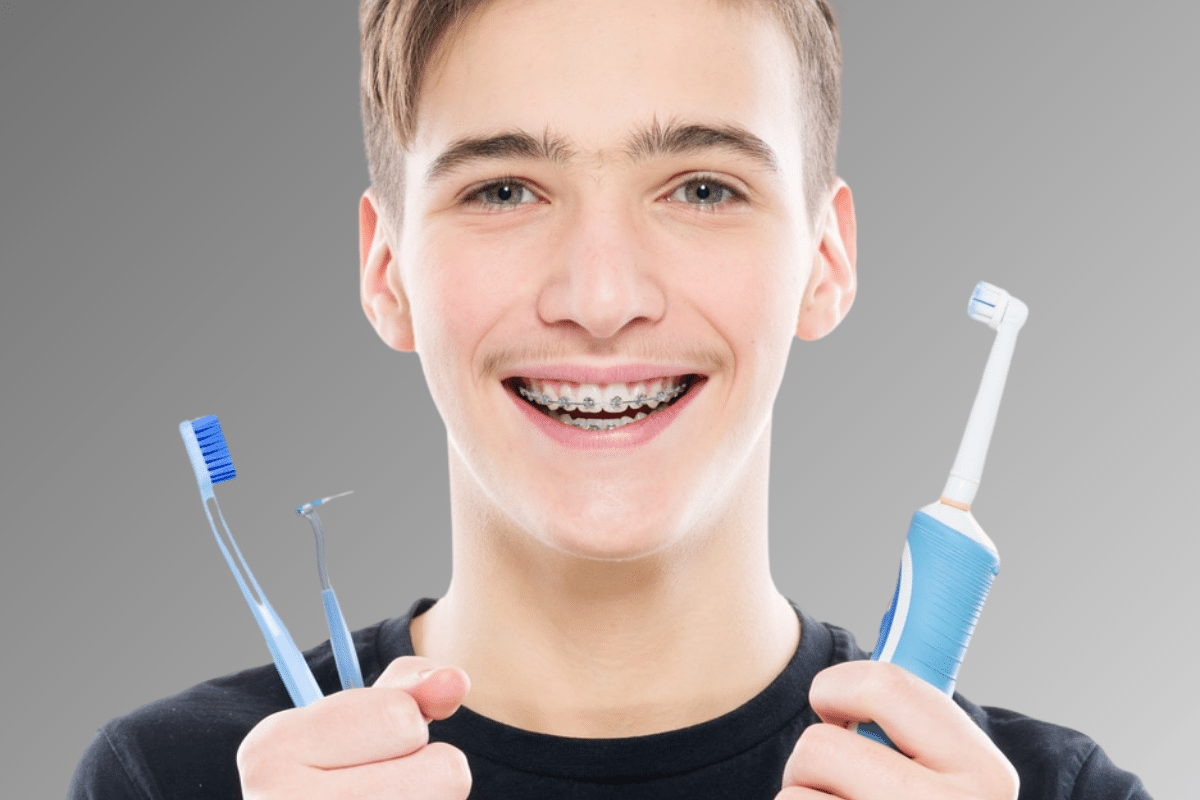
  • Use the Right Toothbrush
    A soft-bristled toothbrush is ideal for cleaning around the brackets and wires. You might also want to use an orthodontic toothbrush that’s specifically designed for braces. These brushes have a V-shaped bristle pattern that allows you to clean around the brackets more effectively.
  • Brush After Every Meal
    It’s essential to brush your teeth after every meal and snack to prevent food from getting stuck in your braces. If you can’t brush immediately, rinsing your mouth with water can help clear out food particles until you have a chance to brush.
  • Focus on the Brackets
    The brackets are the most likely places where food particles and plaque can get stuck. Make sure to gently brush each bracket and wire. Hold your toothbrush at a 45-degree angle and brush in a circular motion, being careful not to apply too much pressure that could damage the brackets.
  • Don’t Forget Your Gums
    The gum line is just as important as the teeth when it comes to brushing. Plaque buildup near the gums can cause gum disease and other issues, so be sure to gently brush along the gum line.
  • Use a Floss Threader
    Flossing can be difficult with braces, but it’s still necessary. A floss threader helps you thread dental floss under the wires to clean between the teeth and around the brackets. Flossing removes food and plaque buildup that your toothbrush may have missed.

Common Mistakes to Avoid While Brushing

While brushing with braces is essential, there are a few mistakes that can undermine your efforts:

  • Brushing Too Hard
    Using too much force when brushing can damage your gums and cause your braces to become loose. Use gentle, circular motions instead of scrubbing back and forth.
  • Skipping the Flossing
    Many people with braces skip flossing because it can be a bit tricky, but flossing is crucial to remove plaque between teeth. Make sure you use a floss threader or orthodontic floss to clean effectively.
  • Neglecting to Clean Your Braces
    Regularly cleaning your braces themselves is just as important as brushing your teeth. Make sure to clean your brackets and wires to prevent plaque and food buildup.
  • Not Using Mouthwash
    Using an antimicrobial mouthwash helps kill bacteria in your mouth and can help reduce plaque and gingivitis. Incorporate mouthwash into your routine to boost your oral health.

Tools You Need for Effective Braces Care

When you’re wearing braces, it’s important to have the right tools at your disposal. Here are some essential items you should keep in your dental care kit:

  • Orthodontic Toothbrush – This toothbrush is designed to clean your teeth and braces effectively.
  • Floss Threaders – Use these to thread floss under your braces for thorough cleaning.
  • Interdental Brushes – These small brushes help clean between the brackets and wires where regular toothbrushes can’t reach.
  • Mouthwash – Use an alcohol-free, fluoride mouthwash to kill bacteria and strengthen your teeth.
  • Orthodontic Wax – This wax can be used to cover any sharp edges or brackets that might irritate the inside of your mouth.
  • Braces Cleaner – These special cleaning tablets can help remove debris and stains from your braces.

Having these tools on hand ensures that you’re maintaining a high level of oral hygiene while wearing braces.

Maintaining a Healthy Smile Throughout Your Orthodontic Treatment

While brushing is critical, it’s only one part of the equation. Here are some additional tips for maintaining a healthy mouth during your orthodontic journey:

  • Watch What You Eat
    Certain foods can damage your braces or get stuck in the wires. Avoid sticky or hard foods such as caramel, popcorn, or nuts. Cutting up hard fruits and vegetables into smaller pieces can help you eat safely without compromising your braces.
  • Stay Consistent
    Consistency is key when it comes to caring for your braces. Make sure to brush, floss, and rinse regularly to maintain optimal oral health.
  • Visit Your Orthodontist Regularly
    Routine checkups with an orthodontist are essential to monitor the progress of your braces and ensure that your teeth are moving in the right direction. If you have any questions about your brushing technique or experience discomfort, your orthodontist will provide helpful guidance.

If you’re looking for braces in Jericho, Maspeth, or Merrick or need advice on caring for your braces, Khan Orthodontic Group is here to help. Our team is committed to making your treatment process as comfortable and effective as possible.

Staying on Track with Braces

Brushing with braces requires extra effort, but the results are well worth it. With the right techniques, tools, and habits, you can keep your teeth healthy and your smile bright throughout your orthodontic treatment. If you’re ever in doubt or need help with your brushing routine, don’t hesitate to reach out to your orthodontist for guidance.

At Khan Orthodontic Group, we’re dedicated to helping you achieve the smile you’ve always wanted. Whether you’re looking for braces near you in Jericho, Maspeth, or Merrick or need expert advice, our team is here to support you at every step of your orthodontic journey.

Keep brushing, keep smiling, and enjoy the process of getting your dream smile!

Cracked Invisalign During the Holidays? How to Keep Your Smile Merry and Bright

Cracked Invisalign During Holidays? Tips to Stay on Track

Maintaining a confident smile with Invisalign is easier than ever, but accidents happen. Whether it’s from chewing on something hard or simply handling your aligners roughly, a cracked Invisalign tray can feel like a major setback. If you’ve found yourself in this situation, don’t panic—there are practical steps you can take to address the issue without compromising your progress.

The holiday season brings joy, festivities, and plenty of delicious treats, but it can also pose unique challenges for Invisalign users. With schedules full of gatherings and indulgent meals, staying mindful of your aligners is crucial. At Khan Orthodontic Group, we’re here to help patients from Jericho, Merrick, Maspeth, and beyond navigate their Invisalign journey smoothly. Here’s everything you need to know about dealing with a cracked Invisalign tray and keeping your treatment on track.

How to Identify a Cracked Invisalign Tray

Sometimes, a crack in your Invisalign tray can be obvious, but other times it’s subtle. Here are signs your aligner might be damaged:

  • A visible line running through the aligner.
  • Difficulty inserting or removing the tray.
  • The aligner feels loose or doesn’t fit snugly.
  • Pain or discomfort when wearing it.

With the hustle and bustle of the holiday season, it’s easy to overlook minor issues with your aligners. However, catching a crack early can prevent more significant problems down the line. If you notice any of these issues, it’s essential to take action promptly to avoid delays in your Invisalign treatment.

Steps to Take When Your Invisalign Cracks

A cracked Invisalign tray can seem alarming, but quick action can minimize the impact. Here’s what to do:

1. Assess the Damage

  • Examine the crack. If it’s minor and the aligner still fits well, you might be able to continue wearing it temporarily.
  • If the aligner is split into two pieces or doesn’t fit properly, stop using it immediately.

2. Contact Your Orthodontist

  • Reach out to your orthodontist as soon as possible.
  • If you’re in Jericho, Merrick, or Maspeth, schedule an appointment with Khan Orthodontic Group. Our team will assess the damage and provide guidance on the next steps.

3. Use a Previous or Next Aligner

  • Depending on your treatment stage, your orthodontist may recommend using a previous aligner to maintain alignment until a replacement arrives.
  • Alternatively, you might be instructed to move to the next set if it’s almost time for your scheduled switch.

4. Avoid DIY Fixes

  • Never attempt to glue or repair the tray yourself. This can lead to further complications and may harm your teeth or gums.

Can a Cracked Invisalign Affect Your Treatment?

Yes, a damaged Invisalign tray can potentially disrupt your treatment if not handled correctly. Here’s how:

  • Alignment Issues: A cracked tray may not provide consistent pressure on your teeth, slowing progress.
  • Treatment Delays: Prolonged gaps between aligners can cause teeth to shift back to their original positions.
  • Discomfort: Wearing a damaged aligner can irritate your gums or cheeks.

To avoid these issues, always follow your orthodontist’s advice and address cracks immediately.

Delaying treatment during the holiday season could mean starting the new year off-track. Take quick action to ensure your smile stays on schedule, even amidst the celebrations.

Preventing Cracks in Your Invisalign

Holiday treats and celebrations can put extra stress on your aligners. To keep your Invisalign safe during the festivities, consider these tips:

  • Handle with Care: Avoid bending your aligners when inserting or removing them.
  • Use the Case: Always store your aligners in their protective case when not in use.
  • Avoid Hot Liquids: Heat can weaken the material, making it more prone to cracks.
  • Don’t Chew on Aligners: Never use your aligners to chew or bite down on objects, even if you feel tempted.

By taking these precautions, you can extend the life of your Invisalign trays and stay on track with your treatment.

When to Call Your Orthodontist

It’s always better to be safe than sorry when it comes to your Invisalign treatment. Call your orthodontist immediately if:

  • The aligner is split into two or more pieces.
  • The crack makes the tray uncomfortable to wear.
  • You’re unsure whether to continue wearing it or move to a different tray.

At Khan Orthodontic Group, we prioritize your smile. Whether you’re searching for Invisalign in Jericho, Merrick, or Maspeth, our team is ready to assist you with personalized care and prompt solutions.

Keep Your Smile Journey on Track with Khan Orthodontic Group

Dealing with a cracked Invisalign tray doesn’t have to derail your journey to a straighter smile. With quick action, proper guidance, and support from an experienced orthodontist, you can overcome this hiccup and continue progressing toward your dream smile.

This holiday season, as you gather with loved ones and enjoy festive treats, don’t let dental issues dampen your celebrations. If you need expert advice on Invisalign in Merrick, Jericho, or Maspeth, Khan Orthodontic Group is here to help. Schedule an appointment today to get back on track with your Invisalign treatment and maintain the confident smile you deserve.

Common Orthodontic Problems and How to Fix Them

Common Orthodontic Problems and Solutions from an orthodontist near you

A confident smile starts with properly aligned teeth, but many people face orthodontic issues that can disrupt their oral health and self-esteem. From overcrowded teeth to bite problems, orthodontic concerns are more common than you might think. Whether you’re considering braces or aligners, this guide breaks down the most common orthodontic problems and how our orthodontists in Jericho, Maspeth, or Merrick at Khan Orthodontic Group can help.

Misaligned Teeth: More Than Just a Cosmetic Concern

Crooked or misaligned teeth are among the most common orthodontic problems. While they can affect the appearance of your smile, they may also lead to:

  • Difficulty cleaning teeth, increasing the risk of cavities and gum disease.
  • Jaw pain due to uneven pressure during chewing.
  • Speech difficulties in severe cases.

Solution:
Braces or clear aligners are effective for gradually repositioning teeth. Modern options, such as Invisalign, provide a discreet way to correct misalignments. If you’re looking for an orthodontist near you in Jericho, Maspeth, or Merrick, Khan Orthodontic Group offers personalized solutions to help align your teeth comfortably.

Overcrowding: When There’s Not Enough Space

Overcrowding occurs when teeth don’t have enough room to grow properly, leading to overlapping or twisted teeth. This issue can make regular oral hygiene a challenge, increasing the likelihood of plaque buildup and decay.

Signs of Overcrowding:

  • Teeth that overlap significantly.
  • Difficulty flossing or brushing effectively.
  • Protruding teeth that alter your bite.

Solution:
Depending on the severity, orthodontic treatments such as braces or expanders can create the necessary space for teeth to align. In some cases, tooth extraction might be recommended before treatment begins.

Bite Problems: The Hidden Issue

Bite issues refer to the alignment of the upper and lower teeth when your mouth is closed. The most common bite problems include:

  • Overbite: The upper teeth overlap the lower teeth excessively.
  • Underbite: The lower teeth protrude beyond the upper teeth.
  • Crossbite: Some upper teeth sit inside the lower teeth instead of outside.
  • Open Bite: The front teeth do not meet when the back teeth are closed.

Impact of Bite Problems:

  • Uneven wear on teeth, leading to damage over time.
  • Jaw pain and potential temporomandibular joint (TMJ) disorders.
  • Challenges with eating or speaking.

Solution:
Orthodontic appliances like braces, aligners, or rubber bands are often used to correct bite problems. Severe cases may require surgical intervention. If you’re in Maspeth, Merrick, or Jericho, our expert orthodontists near you can assess your bite and recommend the best treatment.

Spacing Issues: Too Much Room

While overcrowding is a common issue, some people experience the opposite problem—excessive gaps between teeth. These gaps may result from missing teeth, small teeth, or an unusually large jawbone.

Why Fix Spacing Issues?

  • Gaps can cause food to get stuck, increasing the risk of gum problems.
  • They can alter the aesthetics of your smile.
  • Over time, improper spacing may lead to uneven wear on teeth.

Solution:
Clear aligners or braces can bring teeth closer together. In some cases, dental implants or veneers may be used to close gaps for a more uniform smile.

Early Intervention: The Key to Preventing Bigger Problems

Children and teenagers are particularly susceptible to orthodontic problems as their jaws and teeth develop. Early intervention is critical for addressing issues like overcrowding or bite misalignments before they worsen. Khan Orthodontic Group offers treatments tailored to young patients, ensuring their oral health is on the right track.

Why Choose Khan Orthodontic Group?

Finding a reliable orthodontist in Jericho, Maspeth, or Merrick can make all the difference in your treatment experience. At Khan Orthodontic Group, we specialize in personalized care, offering a variety of treatment options to suit every patient’s needs. From traditional braces to modern aligners, our goal is to help you achieve the smile you’ve always wanted.

Orthodontic issues can seem overwhelming, but the right treatment can significantly improve both your oral health and confidence. Whether you’re dealing with misaligned teeth, bite problems, or overcrowding, the solutions are within reach. Contact the Khan Orthodontic Group, your trusted orthodontist near you, to schedule a consultation and take the first step toward a healthier, straighter smile.

Schedule Your Free Smile Consult.

Orthodontic care for the whole family

EnglishEspañol