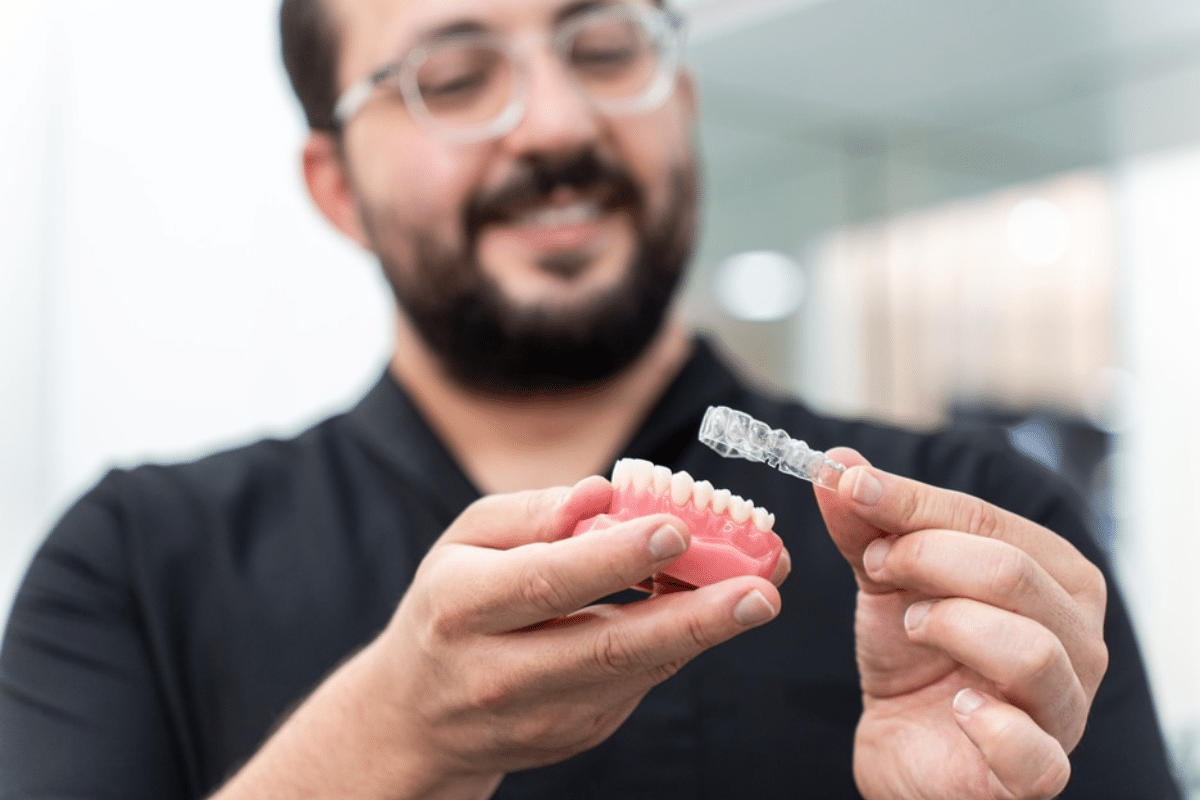
When it comes to achieving a straighter smile without the hassle of traditional braces, Invisalign has become the go-to choice for many adults and teens. Its clear, removable aligners offer discreet treatment and greater comfort—but there’s an important concern some patients raise: “Can Invisalign cause gum recession?”
If you’re considering Invisalign, it’s crucial to understand both the benefits and potential risks of treatment. At Khan Orthodontic Group, we’re here to help you make an informed decision with honest answers and expert guidance.
Let’s explore whether aligners can impact your gum health, what to watch for, and how to protect your smile throughout your orthodontic journey.
What Is Gum Recession and Why Does It Matter
Gum recession happens when your gum tissue pulls back from the surface of your teeth, exposing more of the tooth—or even the tooth root. This can lead to:
- • Increased tooth sensitivity
- • Higher risk of cavities near the gum line
- • Aesthetic concerns (longer-looking teeth)
- • Gum disease or bone loss if untreated
Gum recession can occur for many reasons, such as aggressive brushing, genetics, gum disease, or even orthodontic treatment. That’s where Invisalign comes into the picture.
Can Aligners Contribute to Gum Recession?
The short answer is yes, aligners can potentially contribute to gum recession, but it’s not common—especially when treatment is planned and supervised by an experienced orthodontist.
Here’s how aligners might play a role:
- • Improper Fit: Poorly fitting trays can apply pressure to the gums, irritating tissue and leading to inflammation or recession.
- • Neglected Oral Hygiene: If food and bacteria get trapped under your aligners, it can cause gum infections and increase the risk of recession.
- • Underlying Gum Issues: Patients who already have gum problems may be more susceptible to gum recession during Invisalign treatment.
In most cases, however, Invisalign is gum-friendly and safe when managed properly. Gum recession is rarely caused by the aligners themselves, but rather by poor oral habits or pre-existing conditions.
Common Signs to Watch For
Noticing early symptoms can help you address issues before they become severe. Here are signs that may indicate aligners are causing gum recession:
- • Your teeth look longer than usual
- • You feel increased sensitivity to hot, cold, or sweet foods
- • Swelling or soreness near the gum line
- • Sore gums with Invisalign that persist after a few days of switching trays
- • Gaps forming between teeth and gums
If you experience any of these signs, it’s important to consult your orthodontist right away.
Preventing Gum Recession While Using Invisalign
Preventing gum issues during orthodontic treatment is entirely possible—especially when you follow best practices.
Here’s how you can protect your gums while enjoying the benefits of Invisalign:
Maintain Excellent Oral Hygiene
- • Brush and floss after every meal before reinserting aligners.
- • Use a soft-bristled toothbrush to avoid irritating your gums.
- • Consider an antibacterial mouthwash to keep plaque under control.
Wear Aligners as Directed
- • Only wear them 20–22 hours a day, as recommended.
- • Replace them as scheduled to avoid improper fit.
- • Never skip aligner trays or prolong use without direction from your orthodontist.
Schedule Regular Dental Checkups
- • Visit both your dentist and orthodontist during treatment.
- • They can detect early signs of gum issues and adjust your care plan if needed.
Avoid Tobacco and Harsh Products
- • Smoking and tobacco use can worsen gum recession.
- • Choose alcohol-free, gentle oral care products.
Can You Get Invisalign If You Already Have Gum Recession?
Yes, in many cases, you can get Invisalign with gum recession, but only under professional supervision. If your gum tissue is healthy and stable, orthodontic treatment can proceed with caution.
Our experienced orthodontist in Jericho usually does the following:
- • Evaluate your gum health thoroughly before starting Invisalign
- • Collaborate with your general dentist or periodontist if needed
- • Monitor your gums closely throughout treatment to ensure safety
In some situations, gum treatment may be recommended before starting aligners. The goal is to create a healthy foundation for tooth movement.
Is Invisalign Safer Than Braces for Gums?
Invisalign can actually be gentler on the gums compared to traditional braces, since:
- • There are no brackets or wires irritating the tissue
- • You can remove aligners to clean your teeth thoroughly
- • It’s easier to floss and brush properly, reducing plaque buildup
However, just like with any orthodontic tool, misuse can cause problems. Proper aligner care, oral hygiene, and follow-ups with your orthodontist are key to staying on the right track.
Final Word: Invisalign and Your Gum Health
So, do aligners cause gum recession? Not usually—but they can contribute if gum health is already compromised or if care guidelines aren’t followed. The good news is that with the right support from our trusted orthodontist in Jericho, Invisalign remains a safe and effective way to straighten your teeth—while protecting your gums.
Your smile deserves both beauty and health. If you’re concerned about gum recession with Invisalign or wondering if you’re a good candidate for aligners, we’re here to help. Our team provides personalized consultations and complete oral evaluations before beginning treatment.
Ready to explore the possibilities of a healthier, straighter smile? Book your Invisalign consultation with our orthodontist in Jericho today—and let’s care for your gums as much as your grin.