Call Today!    Merrick | Jericho | Maspeth

Can I Do Oil Pulling If I Have Braces? Here’s What Orthodontists Say

Can I Do Oil Pulling If I Have Braces? Here’s What Orthodontists Say

Oil Pulling with braces in Jericho

What Is Oil Pulling—and Why Is It Gaining Popularity?

Oil pulling is an ancient oral hygiene technique that involves swishing oil (usually coconut or sesame oil) in the mouth for 10–20 minutes to help reduce harmful bacteria, plaque, and bad breath. It’s part of Ayurvedic practices, but in recent years, it’s found a strong following among people looking for natural ways to improve their oral health.

But what if you’re wearing braces? That’s where things get a bit more complicated—and where expert guidance becomes crucial.

The Big Question: Is Oil Pulling Safe If You Wear Braces?

Yes, you can do oil pulling while wearing orthodontic appliances—but there are some important considerations to keep in mind.

Orthodontists typically don’t discourage oil pulling for patients with brackets and wires. However, they do advise that it should complement traditional oral hygiene practices, not replace them.

What the Experts Say:

  • Swishing gently is key. Vigorous swishing could loosen or irritate brackets, especially if your appliances are new.
  • Oil pulling does not remove plaque on or around orthodontic devices—you’ll still need to brush and floss diligently.

Choose the right oil. Virgin coconut oil is often recommended because of its mild taste and antimicrobial properties.

Potential Benefits of Oil Pulling During Orthodontic Treatment

If practiced correctly, oil pulling can offer some additional support for your oral health during treatment.

Reduces inflammation – Coconut oil has lauric acid, which may help reduce swelling and irritation often reported by patients wearing braces.

Improves breath freshness – Especially helpful if you struggle with food particles getting stuck in hard-to-reach areas.

Helps maintain a cleaner mouth – While it won’t reach underwires or brackets, it may reduce surface bacteria.

Supports gum health – Gentle oil pulling might reduce the risk of gingivitis, a common issue during treatment.

Precautions: What to Watch Out for If You Try Oil Pulling with Braces

Although oil pulling is generally safe, people undergoing orthodontic treatment should take a few extra precautions:

  • Avoid pulling too hard – Aggressive swishing could cause soreness or even dislodge components.
  • Don’t skip brushing and flossing – Oil pulling isn’t a substitute for brushing around wires and brackets.
  • Be mindful of allergies – Always test a small amount if you’ve never used coconut or sesame oil before.
  • Spit properly – Never spit oil into the sink, as it can clog your plumbing. Use a trash bin instead.

How to Practice Oil Pulling Safely with Braces: Step-by-Step

  1. Use about 1 tablespoon of oil (preferably cold-pressed coconut oil).
  2. Swish gently for 10–15 minutes. No need to force it—gentle movements are effective.
  3. Avoid swallowing the oil as it contains trapped bacteria.
  4. Spit the oil into a trash can, not your sink.
  5. Rinse your mouth with warm water.
  6. Brush and floss as usual, using tools like a water flosser or interdental brush if needed.

Common Questions About Oil Pulling and Orthodontic Treatment

Does oil pulling interfere with metal brackets or wires?

No, there’s no scientific evidence suggesting oil damages metal appliances. However, aggressive swishing may create unnecessary pressure.

Can oil pulling speed up orthodontic treatment?

No. While it helps support oral hygiene, it doesn’t influence the timeline of tooth movement.

Is it okay for teens with braces to oil pull?

Yes, but younger patients should be supervised to ensure they do it gently and properly.

Maintaining Excellent Oral Hygiene During Treatment

Orthodontic patients near Jericho often face challenges when it comes to keeping their teeth and gums clean. In addition to considering oil pulling, we recommend:

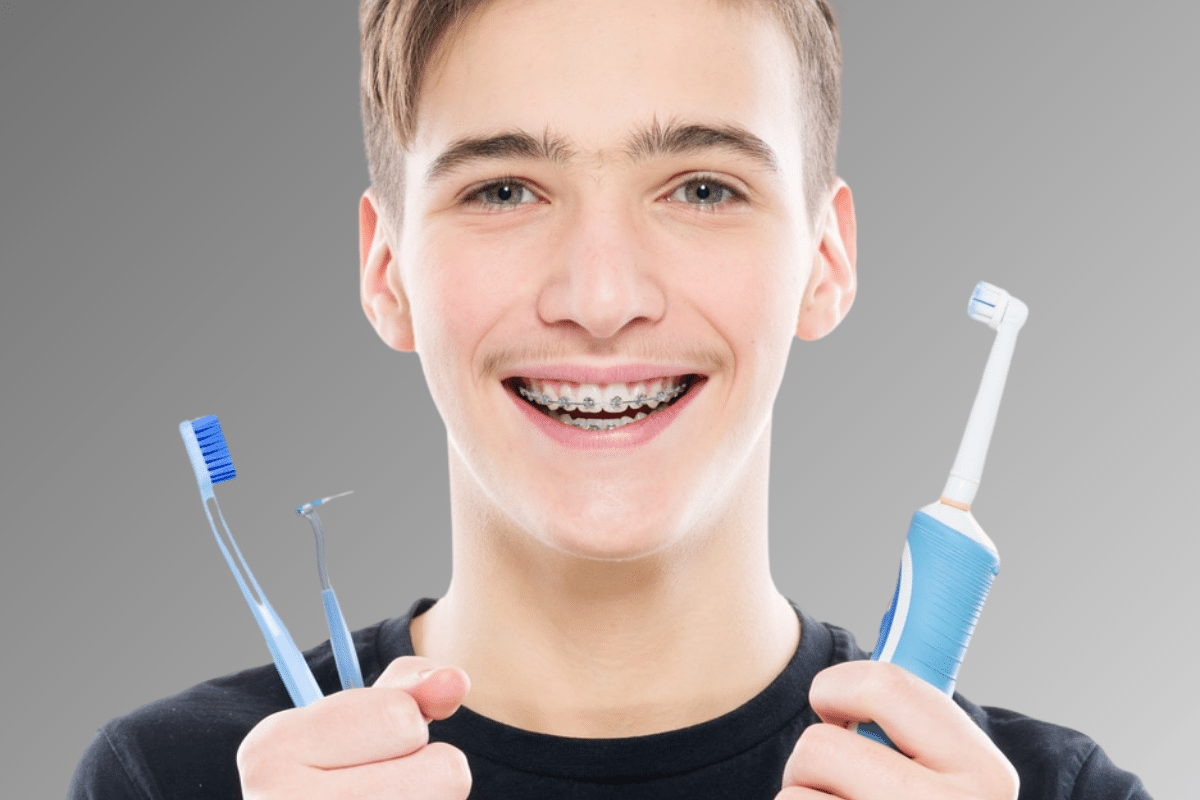
  • Using orthodontic-friendly toothbrushes
  • Scheduling regular cleanings
  • Avoiding sticky or sugary foods
  • Consulting your specialist before starting any natural remedies

Explore more care tips on our Patient Resources page

When to Speak with an Orthodontic Professional

If you’re unsure whether oil pulling is right for you, it’s always a good idea to consult your local specialist. Some individuals may have specific dental conditions that require tailored advice.

Final Thoughts: Is Oil Pulling Worth Trying with Braces?

While it isn’t a magic fix, oil pulling may be a useful addition to your oral hygiene routine. It can offer added freshness and potential inflammation control, provided it’s done correctly and gently.

Remember, no natural method should replace your daily brushing, flossing, and regular visits to your orthodontic care provider.

Ready for a Healthier Smile?

If you’re looking for expert guidance on caring for your smile during treatment, our experienced team Khan Orthodontic Group in Jericho is here to help.
Schedule your consultation today and learn how to protect your smile—naturally and professionally.

Can You Still Enjoy Coffee with Braces?

Can You Drink Coffee with Braces? Know from our Orthodontist in Merrick

Craving your daily cup of coffee but worried about how it may affect your braces? You’re not alone. Many people undergoing orthodontic treatment wonder, “Can I drink coffee with braces?” The good news is—yes, you can! But there are a few things you should know before sipping that steaming mug.

Whether you’re a high school student getting ready for finals or a busy professional who can’t start the day without caffeine, understanding how coffee and braces interact is important. At Khan Orthodontic Group in Merrick, NY, we’re here to help guide you through what’s safe, what’s risky, and how to keep your braces (and teeth) in great shape during your treatment.

The Truth About Coffee and Braces

Coffee isn’t off-limits when you have braces, but it’s not totally harmless either. Here’s why it matters:

  • • Staining: Coffee is notorious for staining. While it won’t damage your braces directly, it can stain clear or ceramic brackets and ligatures, making your smile look dull.

  • • Acidity: Coffee is acidic, which weakens enamel over time. This can increase your risk of cavities and sensitivity, especially tricky when you’re wearing braces.

  • Sugar and Additives: If you drink sweetened coffee or flavored lattes, the sugar content can contribute to plaque buildup around your brackets and wires.

So, can you drink coffee with braces? Technically, yes. But it’s all about how you do it.

Tips for Enjoying Coffee Without Harming Your Braces

If you’re a coffee lover, you don’t have to give it up entirely. Here are some smart ways to enjoy your brew while keeping your orthodontic treatment on track:

  • Use a straw: This helps reduce direct contact between the coffee and your teeth, minimizing the risk of stains.

  • Drink water afterward: Rinsing your mouth with water can help wash away leftover acids and sugars.

  • Brush and floss soon after: Ideally, brush about 30 minutes after drinking coffee to remove any residues and protect your enamel.

  • Avoid sugary add-ins: Stick with unsweetened coffee or use low-sugar alternatives to reduce plaque buildup.

  • • Schedule regular cleanings: Seeing your orthodontist regularly helps maintain clean teeth and brackets during treatment.

Can I Drink Hot Coffee with Braces?

Yes, you can drink hot coffee with braces, but be careful with extreme temperatures.

Hot beverages aren’t dangerous for braces, but if you’re wearing aligners like Invisalign between meals, you’ll need to remove them before drinking anything hot—especially coffee. Heat can warp the plastic material of aligners and delay your progress.

Helpful Tip: If you’re using metal or ceramic braces, the heat isn’t likely to damage your brackets or wires. Just be sure not to burn your mouth—braces can make it harder to sense how hot something really is.

Clear Braces and Coffee: A Word of Caution

Clear braces and coffee don’t always mix well. Here’s what to watch out for:

  • • Elastic ties stain easily: These small rubber bands are usually changed during your orthodontic checkups, but they can stain fast—sometimes within a few cups of coffee.

  • Ceramic brackets absorb color more than metal: Although stronger than you might think, ceramic is more porous than metal and can absorb coffee stains over time.

  • • Invisalign users, beware: If you’re wearing clear aligners, take them out before drinking coffee and rinse or brush before putting them back in.

To maintain that invisible look, limit your coffee intake or switch to less-staining alternatives like herbal tea.

Coffee Alternatives That Are Braces-Friendly

If you’re trying to reduce your coffee intake while wearing braces, here are some safer options that are easier on your teeth:

  • White or green tea: Lower in acidity and less likely to stain.

  • Warm water with lemon: Offers a refreshing kick with minimal staining (just watch the acidity).

  • • Decaf with milk: Still provides the coffee flavor with reduced staining potential.

  • • Chicory root or herbal coffee substitutes: Often caffeine-free and gentler on your enamel.

You don’t have to give up the ritual of sipping a warm drink—just make mindful swaps that won’t affect your treatment.

Maintain a Coffee-Safe Smile with Help from Your Orthodontist

Coffee may be part of your daily routine, but when you’re wearing braces, it’s important to think about how your habits affect your smile. While you can absolutely enjoy coffee with braces, a few small changes—like using a straw, brushing regularly, and cutting back on sugar—can make a big difference.

Our orthodontist in Merrick believes in helping you enjoy life while achieving your dream smile. If you have questions about drinking coffee with braces, our team is here to help with personalized guidance.

Stay caffeinated, stay confident—and most importantly, stay committed to your orthodontic care. With the right approach, you can enjoy your favorite brew and still look forward to a beautifully aligned smile at the end of your treatment.

Can I Really Ask My Orthodontist to Take My Braces Off Early

Can I Ask My Orthodontist to Remove Braces Early?

If you’ve been wearing braces for a while, it’s normal to feel impatient and wonder if there’s a way to end treatment sooner. Many patients reach a point where they’re tempted to ask their orthodontist to remove the braces before the expected date. While the idea of unveiling your new smile ahead of schedule is exciting, early removal isn’t always in your best interest. Knowing why orthodontists set specific timelines can help you make an informed decision and protect your results in the long run.

If you’re searching for an orthodontist or wondering about braces, this article will guide you through what happens when you request early removal, why orthodontists set treatment schedules, and what to expect from your orthodontic care.

Why Orthodontists Set a Specific Treatment Timeline

Orthodontic treatment isn’t just about straightening teeth quickly—it’s about ensuring long-term dental health and stability. Our orthodontist in Merrick carefully plans your treatment timeline based on several factors:

  • • Tooth movement needs: Teeth need time to move safely into their new positions.
  • • Bone remodeling: The bone around your teeth changes shape slowly to accommodate new tooth positions.
  • • Alignment and bite correction: Proper bite alignment requires careful adjustment over time.
  • • Retention phase preparation: Braces removal must coincide with readiness for retainers to maintain your new smile.


Because of these factors, your orthodontist will recommend a treatment length tailored specifically for your needs. This timeline ensures the best possible results without risking relapse or damage.

Can You Ask to Have Your Braces Taken Off Early?

Yes, you can ask your orthodontist to remove your braces early. In fact, it’s common for patients to want to know, “Can I ask my orthodontist to take my braces off?” or “Can I request to get my braces taken off early?” However, the key question is whether your orthodontist will agree to do so.

Here are some important points to consider:

  • • Orthodontic assessment: Your orthodontist will evaluate your teeth and bite to determine if early removal is safe.
  • • Risks of premature removal: Removing braces too soon may cause teeth to shift back, undoing progress.
  • • Treatment goals: If goals like bite correction or tooth positioning aren’t met, braces should stay on.


At Khan Orthodontic Group, our orthodontists in Merrick emphasize patient safety and the long-term success of treatment. While we understand your desire to get braces off, we prioritize healthy, stable results.

What Happens If You Ask Your Orthodontist to Remove Braces Early?

When you tell your orthodontist, “I want my braces off right now,” they will first conduct a thorough examination. This may include:

  • • X-rays and photos: To check tooth and bone alignment.
  • • Bite analysis: To assess how your upper and lower teeth meet.
  • • Teeth movement progress: To determine if teeth are in their desired positions.


If your orthodontist finds that early removal is not advisable, they will explain why. In some cases, patients might be close to finishing treatment and could have braces removed a little earlier, but this is evaluated carefully.

Can You Get Your Braces Off Whenever You Want?

It might seem tempting to think, “Can you get your braces off whenever you want?” but braces are a medical treatment and must be managed carefully by your orthodontist. Unlike removable aligners, braces are fixed appliances that work over time.

Removing braces early without professional approval can:

  • Lead to incomplete treatment results.
  • Cause teeth to shift or relapse.
  • Affect your bite and jaw alignment.
  • Potentially damage teeth or gums.


Any orthodontist near you would advise patients to follow the recommended timeline to ensure lasting results.

Alternatives If You’re Eager to Remove Braces

If the thought of wearing braces for an extended period is overwhelming, here are some alternatives to discuss with your orthodontist:

  • Adjusting treatment plan: Sometimes, minor modifications can speed up treatment safely.
  • • Using accelerated orthodontic techniques: Some patients qualify for advanced methods that reduce treatment time.
  • • Switching to clear aligners: Depending on your case, clear aligners might offer more flexibility.


At our dental practice in Merrick, our goal is to provide personalized care that fits your lifestyle and goals, while keeping your dental health a top priority.

How to Talk to Your Orthodontist About Removing Braces Early

When you visit an orthodontist, consider these tips to have a constructive conversation:

  • • Express your concerns: Let them know why you want to remove braces early.
  • • Ask about progress: Request an honest assessment of how close you are to finishing treatment.
  • • Discuss risks: Understand what could happen if braces are removed too soon.
  • • Explore options: Ask if there are safe ways to shorten your treatment.


Finding a trusted orthodontist near you ensures that your questions are answered with care and professionalism.

Why Patience Pays Off in Orthodontic Treatment

Though waiting to remove braces can be challenging, patience is crucial. Proper treatment duration ensures:

  • Stronger, stable teeth positioning.
  • Reduced chances of relapse.
  • Optimal bite function.
  • Long-term oral health benefits.


Remember, your orthodontist’s timeline is designed to give you the best smile that lasts a lifetime.

Trust Your Orthodontist for the Best Timing and Long-Lasting Results

If you’re considering asking your orthodontist to remove your braces early, it’s important to get a professional evaluation first. For those searching for an experienced orthodontist in Merrick or wondering about braces, Khan Orthodontic Group is here to guide you through every step of your orthodontic journey with care and expertise.

Contact us today and get the best advice from trusted orthodontic professionals near you. Your perfect smile is our priority!

What Happens if You Accidentally Swallow Braces Wire?

Swallowed Braces Wire? Here's What to Do— Know from an Orthodontist near you in Jericho, NY

Wearing braces is a crucial step toward achieving a straight and confident smile, but unexpected situations can arise — like accidentally swallowing a piece of your braces wire. It may sound alarming, and if you or your child has ever exclaimed, “I think I just swallowed my braces wire,” you’re not alone. Many orthodontic patients experience wire dislodgement or breakage, and yes, in some rare cases, that wire ends up being swallowed.

So, what happens if you accidentally swallow the braces wire? Is it dangerous? Should you panic? As a trusted orthodontist in Jericho, let’s dive into the facts and guide you on what to do next.

Is Swallowing a Braces Wire Dangerous?

Accidentally swallowing a piece of your braces wire may sound scary, but in most cases, it’s not life-threatening. The human digestive system is designed to handle small, sharp objects by surrounding them with mucus and gradually passing them through the system. However, that doesn’t mean you should ignore the situation.

Potential risks include:

  • Minor stomach discomfort or cramps
  • Injury to the throat or digestive tract
  • Braces wire stuck in throat
  • Internal puncture (rare)
  • Infection or inflammation

If you’ve swallowed a braces wire, it’s important to monitor your symptoms. If you feel pain in your throat, chest, or stomach, seek medical attention immediately.

This kind of situation also highlights the importance of regular orthodontic checkups to ensure your wires stay secure. At Khan Orthodontic Group, we provide expert care for patients undergoing braces treatment in Jericho and nearby areas.

Common Signs You Might Have Swallowed a Braces Wire

It may not always be obvious that you or your child swallowed a wire, especially if it happens while eating or sleeping. Here are some telltale signs:

  • Sudden coughing or gagging during meals
  • Feeling something stuck in your throat
  • Throat irritation or pain while swallowing
  • Chest discomfort
  • Visible missing piece from your braces
  • Change in speech or voice

For parents who suspect their child swallowed a brace wire, observe their eating, swallowing, and general behavior closely. Kids may not always articulate how they feel, so it’s vital to stay alert.

What You Should Do Right After Swallowing a Wire from Your Braces

If you’re sure you’ve swallowed a wire from your braces, here are the immediate steps you should take:

  • • Stay Calm
    Most swallowed wires pass naturally through the digestive tract.
  • • Don’t Induce Vomiting
    Forcing it back up could cause more damage.
  • • Check for Symptoms
    Are you experiencing pain? Trouble swallowing? Breathing difficulties? If so, go to the ER immediately.
  • • Call Your Orthodontist
    Contact your braces provider for an urgent checkup so they can inspect your braces and recommend the next steps.
  • • Monitor Your Bowel Movements
    Yes, it’s not the most fun part, but you’ll want to confirm that the wire passes naturally within 24–48 hours.
  • • Visit a Doctor if Symptoms Worsen
    If you feel abdominal pain, vomiting, or experience fever, this could be a sign that the wire is lodged internally.


When to See an Orthodontist Near You

While many cases of swallowed braces wire resolve without complications, certain situations require urgent care:

  • • Wire stuck in the throat: If you feel like the wire is lodged in your throat and causing discomfort or difficulty breathing.
  • • Stomach pain or cramping: Could signal that the wire is irritating or puncturing the digestive tract.
  • • Blood in stool: A red flag that needs immediate attention.
  • • Vomiting or nausea: Especially if it’s ongoing or severe.

In these situations, head straight to the emergency room. Doctors may order an X-ray to locate the wire and assess whether intervention is necessary. Our Jericho orthodontist can help assess your braces and ensure everything is secure to prevent future issues.

How to Prevent This from Happening Again

Prevention is key. Whether you’ve already swallowed a piece of braces wire or want to avoid future issues, here’s what to keep in mind:

  • • Regular orthodontic checkups: Visit your orthodontist routinely to ensure wires are in place and secure.
  • • Avoid hard or sticky foods: Foods like popcorn, nuts, caramel, and chewing gum can bend or break wires.
  • • Use orthodontic wax: This can keep wires from poking out or irritating your cheeks and lips.
  • • Check your braces often: Look in the mirror for any signs of loose or broken parts.
  • • Teach kids to be careful: Especially important for younger patients. If your child swallowed a braces wire once, take steps to ensure it doesn’t happen again.


Takeaways You Shouldn’t Ignore

Swallowing a part of your braces is unusual but not unheard of. Though often harmless, it’s a situation that should be treated with caution and awareness. Immediate action, monitoring symptoms, and contacting your orthodontist are essential steps.

At Khan Orthodontic Group, we’ve helped countless patients in Jericho and nearby areas navigate emergencies like swallowing the braces wire. Whether it’s routine adjustments or urgent repairs, our team is here to make your orthodontic journey as smooth and stress-free as possible.

Remember: Braces are meant to improve your smile — not cause a panic. Stay informed, stay calm, and let professionals handle the rest.

If you or your child needs braces near you in Jericho, schedule a visit today with our orthodontist you can trust!

How to Take Care of Your Teeth with Braces

How to Take Care of Your Teeth with Braces? - Know from our team serving Jericho and nearby areas

Getting braces is a big step toward achieving a confident, straight smile—but did you know that your oral hygiene routine needs a serious upgrade once they’re on? Whether you’re just starting your orthodontic journey or already wearing braces, it’s essential to understand how to take care of your teeth the right way.

At Khan Orthodontic Group in Jericho, we specialize in making your orthodontic journey smooth and successful. So, let’s dive into how you can protect your smile and get the best results from your braces!

Why Oral Hygiene is More Important with Braces

Braces create tight spaces around brackets and wires that easily trap food particles and plaque. This makes cleaning your teeth more challenging than usual. If not removed properly, this trapped debris can lead to several issues:

• Tooth Decay: Sugars and starches feed bacteria, leading to cavities around your brackets.

• Gum Inflammation: Poor cleaning may cause swollen, bleeding gums, known as gingivitis.

• White Spots: Plaque buildup can lead to decalcification, leaving permanent white marks on your teeth.

• Bad Breath: Bacteria that thrive in leftover food cause unpleasant odors.

• Delayed Treatment: If oral issues arise, they can delay your overall orthodontic progress.

That’s why a more thorough and consistent oral hygiene routine is a must when you have braces in Jericho or anywhere else.

The Right Way to Brush with Braces

Brushing with braces takes a little more time, but it’s worth the effort to keep your mouth clean and healthy.

• Use a soft-bristled or electric toothbrush: These are gentle on gums and better at reaching tight spaces.

• Angle your brush at 45 degrees: This helps clean the area between the braces and gums as well as above and below the brackets.

• Brush after every meal: Even small snacks can leave residue around your braces.

• Don’t forget the gumline: Gently brush along the gums to reduce the risk of inflammation and infection.

Using a proxabrush (a small brush that fits between braces) can be especially helpful to reach spots your regular brush misses.

Flossing Isn’t Optional

Flossing is still critical when wearing braces, even if it feels a bit tricky at first. It helps prevent plaque buildup and gum problems in areas your toothbrush can’t reach.

• Floss threaders: These help guide the floss under the wires, allowing you to clean between teeth.

• Orthodontic floss: Specially designed floss that’s easier to use with braces.

• Water flossers: These use a stream of water to flush out food and plaque, especially effective for braces wearers.

Make it a habit to floss once a day—even if it takes a little longer, it makes a big difference.

Watch What You Eat (And What You Avoid)

Some foods can damage your braces or get stuck in them, while others are safer and easier to chew. Here’s how to choose wisely.

Foods to avoid:

• Popcorn: Kernels can get stuck between brackets or under wires, causing irritation or damage.

• Chewing gum: It sticks to braces and can pull wires out of place.

• Caramel or taffy: Sticky textures cling to braces and are tough to clean off.

• Nuts: Hard and crunchy, they can break brackets or wires.

• Hard candies: They may seem small, but biting down on them can damage your braces.

Ice cubes: Chewing on ice is a common cause of bracket breakage.

Braces-friendly foods include:

• Mashed potatoes: Soft, easy to chew, and gentle on your braces.

• Soft fruits (bananas, berries): These don’t require a lot of chewing and are nutritious.

• Yogurt: Great for snacks or breakfast, and easy on the brackets.

• Cooked vegetables: Steamed or roasted veggies are easier to chew than raw ones.

• Scrambled eggs: A protein-rich and soft option perfect for any meal.

• Smoothies: Delicious, nutrient-packed, and a great way to enjoy fruits and vegetables without chewing.

Eating smart helps avoid unnecessary visits to your orthodontist and keeps your treatment on track.

How to Handle Discomfort and Emergencies

It’s normal to feel a bit of discomfort after getting your braces or during adjustments. Here’s how you can manage it:

• Warm saltwater rinses: Help reduce inflammation and soothe sore spots in your mouth.

• Orthodontic wax: Apply over any brackets or wires that irritate your cheeks or lips.

• Stick to soft foods: Especially helpful during the first few days after getting braces or tightening.

• Pain relievers: Over-the-counter medications can ease soreness—just be sure to follow dosage instructions.

If you ever experience broken wires or loose brackets, contact an orthodontist near you immediately. If you ever need quick help with braces in Jericho, Khan Orthodontic Group is always ready to assist.

Regular Check-Ups Are Non-Negotiable

Routine check-ups allow your orthodontist to monitor your progress and make necessary adjustments. Skipping appointments may delay your treatment timeline or lead to unnoticed issues.

And don’t forget your general dental cleanings. Even with braces, visiting your dentist every six months for a professional cleaning helps prevent decay and keeps your gums in good shape.

Keep That Beautiful Smile on Track

Taking care of your teeth while wearing braces takes effort, but the payoff is a beautiful, healthy smile that lasts a lifetime. With the right brushing and flossing techniques, smart food choices, and regular orthodontic visits, you’ll avoid complications and get the best results possible.

If you’re looking for trusted care for braces in Jericho or nearby areas, Khan Orthodontic Group is here to help. Our expert team will guide you every step of the way to ensure your orthodontic journey is smooth, safe, and effective.

Schedule your visit with us today and take the next step toward the confident smile you deserve!

What Not To Drink When Wearing Braces?

What Not to Drink with Braces? Tips by our Orthodontist in Maspeth

If you’ve just gotten braces or are planning to start orthodontic treatment soon, you’re probably wondering what changes you’ll need to make—especially when it comes to your favorite drinks.

Here’s the truth: braces don’t mean giving up everything you love. But they do come with a few rules to protect your teeth, avoid delays, and keep your smile looking its best when the braces come off.

At Khan Orthodontic Group, where we help patients in Maspeth and nearby areas get the best results from their braces, we often get one big question: What can’t I drink with braces? Let’s walk you through it—without taking the fun out of sipping your favorite beverages.

Why Drinks Matter More Than You Think

Braces create small spaces between your teeth and brackets where food and liquids can easily get trapped. Sugary and acidic drinks can sit on your teeth longer, leading to:

Tooth decay

White spots or staining

Bracket damage

Longer treatment times

And no one wants to go through months (or years) of braces only to end up with cavities or stains.

But don’t worry—this doesn’t mean you can’t enjoy your favorite drinks at all. It just means making smarter choices and following a few extra steps to protect your teeth.

Drinks to Be Careful With Braces (But Not Completely Ban)

1. Sodas and Fizzy Drinks

Yep, soda is high on the list. Whether it’s regular or diet, soda is acidic and can erode your enamel over time. They can also stain the area around your brackets, leaving marks when the braces come off.

But does that mean you can never have soda? Not at all. Just don’t make it an everyday habit. If you do have one:

Use a straw to reduce contact with your teeth

Drink it in one sitting (not sipping for hours)

Rinse your mouth with water afterward

Brush your teeth if you can

Enjoy it once in a while, and you’ll be just fine.

2. Sports and Energy Drinks

These are sneaky because they’re often labeled as healthy. But most are loaded with sugar and acids.

What’s the risk?

Enamel erosion

Staining

Bacteria growth around brackets

If you need one before a workout or game, go for a sugar-free version or drink it quickly, then rinse and brush. Better yet, alternate with water during sports.

3. Fruit Juices (Even the “Healthy” Ones)

Fresh juice might seem like a smart choice, but drinks like orange juice, apple juice, and lemonade are super acidic.

Do you have to ditch juice completely? Not necessarily. Just don’t sip on it all day. Try these tips:

Dilute the juice with water or ice to reduce acidity

Stick to once a day, preferably during meals

Rinse or brush afterward

And steer clear of boxed or bottled juices that are high in added sugar.

4. Coffee, Tea, and Other Dark Beverages

These drinks stain your teeth—and even more so when you have braces. The area around the brackets won’t get stained the same way as the rest of your tooth, which can leave patchy spots once your braces are removed.

If you’re a daily coffee or tea drinker, here’s how to manage:

Keep cream and sugar to a minimum

Use a straw if possible

Don’t sip it slowly over hours

Consider switching to lighter herbal teas

Moderation is key. You don’t have to give up your morning pick-me-up—just be mindful of how you drink it.

Better Sipping Options That Aren’t Boring

Okay, let’s be real: telling you to “just drink water” isn’t helpful when you’re used to flavored drinks. While water is great for your teeth, you’ve got options that give you taste and protect your braces.

Here are some braces-friendly drink alternatives:

• Infused Water – Add slices of cucumber, mint, berries, or citrus to give plain water some flavor without adding sugar.

• Milk or Almond Milk – Full of calcium, gentle on teeth, and won’t stain. Great for bone health while your teeth are shifting.

• Smoothies (Low Sugar) – Use fresh fruit, yogurt, and milk for a satisfying, nutrient-rich option. Avoid adding too much citrus or sugar.

• Coconut Water – Light, hydrating, and way less sugary than sports drinks.

• Herbal Teas (Iced or Hot) – Choose non-staining types like chamomile or rooibos, and skip the sweeteners.

These options still give you that satisfying taste without wrecking your braces or staining your teeth.

Bonus Tips for Beverage Lovers with Braces

Whatever you’re drinking, these small habits can go a long way:

• Rinse your mouth after every drink that isn’t water

• Don’t sip all day—it’s better to finish a drink quickly than to keep your teeth bathed in sugar or acid for hours

• Brush after drinking if possible, especially sugary or dark beverages

• Use a straw to minimize contact with your teeth

These simple tips from our orthodontist in Maspeth will help you enjoy your drinks and protect your smile.

Your Braces Journey, Your Choices

Having braces doesn’t mean cutting out every fun drink forever. It just means being a little more intentional. At Khan Orthodontic Group, we understand real life happens—and we’re here to help you enjoy it while still getting the smile you want.

If you’re looking for braces in Maspeth or searching for an orthodontist near you, our expert team is here to guide you with personalized care and effective tips that work for your lifestyle.

Whether it’s your first consultation or you’re midway through treatment, trust our team to keep your smile healthy from start to finish. Book a visit with our orthodontist today!

Braces 101: Everything You Need to Know About Orthodontic Treatment

Braces 101: Your Guide to Orthodontic Treatment

If you’ve ever wondered how braces can transform your smile, you’re in the right place! Orthodontics is a specialized branch of dentistry dedicated to correcting misaligned teeth and jaws. It not only enhances your smile but also improves overall oral health. Whether you’re considering braces in Merrick, Jericho, or Maspeth, understanding the treatment process is essential. In this blog, we’ll cover everything you need to know about braces, from types to aftercare.

Understanding Orthodontics

Orthodontics focuses on diagnosing, preventing, and treating dental and facial irregularities. The primary goal is to align teeth, correct bite issues, and ensure optimal oral function. Straighter teeth are easier to clean, reducing the risk of cavities and gum disease.

Orthodontists, like those at Khan Orthodontic Group, undergo specialized training to provide personalized treatment plans. During your initial consultation, our orthodontist in Merrick, Jericho, or Maspeth will assess your oral condition using X-rays and digital scans. This helps create a customized approach tailored to your needs.

Types of Braces Available

Choosing the right type of braces depends on your dental needs, lifestyle, and preferences. Here’s an overview of the most common options:

  • Traditional Metal Braces: These are the most common and effective for treating complex dental issues. They consist of metal brackets and wires that gradually shift your teeth into place.
  • Ceramic Braces: Made from clear or tooth-colored materials, ceramic braces are less noticeable and blend with your natural teeth. They’re a great option for those seeking a more discreet solution.
  • Lingual Braces: These braces are attached to the back of the teeth, making them virtually invisible from the front. They offer a discreet option but may require a longer adjustment period.

Consulting with an experienced orthodontist will help determine the most suitable option for your specific case.

How Do Braces Work?

Braces apply continuous, gentle pressure to your teeth, encouraging them to move into the correct position over time. Here’s how the process unfolds:

  1. Brackets: Small devices bonded to each tooth that hold the archwire in place.
  2. Archwire: The wire that runs through the brackets, guiding the teeth into alignment.
  3. Ligatures: Tiny rubber bands that hold the archwire to the brackets.
  4. Periodic Adjustments: Regular visits to the orthodontist are essential for tightening the wires and ensuring steady progress.

Throughout the treatment, the bones in your jaw adapt to the movement, creating a lasting alignment. If you’re seeking braces in Maspeth, Jericho, or Merrick, the orthodontists at Khan Orthodontic Group will ensure a smooth and effective process.

What to Expect During Orthodontic Treatment

Orthodontic treatment is a journey that requires commitment and patience. Here’s what you can expect:

  • Initial Consultation: This includes X-rays, impressions, and creating a treatment plan.
  • Fitting the Braces: Once the plan is set, the braces will be fitted to start the alignment process.
  • Regular Adjustments: Expect to visit your orthodontist every 4-6 weeks for adjustments. These visits help ensure your teeth are moving correctly.
  • Managing Discomfort: Mild discomfort after adjustments is normal. Over-the-counter pain relievers and a soft-food diet can help ease the soreness.
  • Oral Hygiene: Brushing and flossing around braces can be tricky but is essential to prevent plaque buildup.

Tips for Maintaining Oral Hygiene with Braces

Maintaining good oral hygiene is crucial to avoid complications like cavities and gum disease during orthodontic treatment. Here are some helpful tips:

  • Brush After Every Meal: Use a soft-bristled brush to clean around brackets and wires.
  • Floss Daily: Special orthodontic floss or floss threaders can make this easier.
  • Avoid Certain Foods: Hard, sticky, or chewy foods can damage braces.
  • Use Mouthwash: Rinse with an antibacterial mouthwash to keep your mouth fresh and clean.

Post-Treatment Care and Retainers

Once your braces are removed, retainers help maintain the alignment achieved. Here’s what you need to know:

  • Wearing Retainers: Follow your orthodontist’s instructions. Initially, you may need to wear retainers full-time before switching to nighttime use.
  • Cleaning Retainers: Clean them daily to avoid plaque buildup.
  • Regular Check-Ups: Continue seeing your orthodontist for periodic evaluations.
  • Maintain Oral Hygiene: Keep up with regular brushing, flossing, and dental visits.

Common Myths About Braces Debunked

  • Braces are only for kids: Orthodontic treatment is suitable for people of all ages.
  • Braces are painful: While adjustments can cause temporary discomfort, braces are generally not painful.
  • You can’t play sports with braces: You can, but wearing a mouthguard is advisable.
  • Braces take forever: Treatment times vary, but modern techniques have made the process more efficient.

Why Choose Khan Orthodontic Group?

Whether you’re looking for braces in Merrick, Jericho, or Maspeth, Khan Orthodontic Group offers personalized, high-quality orthodontic care. Our team specializes in creating customized treatment plans that align with your dental goals. From the initial consultation to post-treatment care, we ensure a comfortable and effective orthodontic experience.

Embarking on an orthodontic journey can be life-changing. Braces not only improve the aesthetics of your smile but also contribute to better oral health. Schedule your consultation today and take the first step towards achieving a beautiful, confident smile!

Your dream smile is just an appointment away!

Can Braces Change Your Face Shape? The Truth Behind Orthodontic Transformations

Do Braces Change Your Face Shape?

Braces do more than just straighten teeth—they can also influence your facial structure. If you’re wondering whether braces can change your face shape, you’re not alone. Many people considering orthodontic treatment worry about how it might affect their appearance. The truth is, braces can bring positive changes to your facial symmetry, especially if you have misalignments like an overbite or underbite. Let’s explore how braces impact facial structure and what to expect from treatment.

How Braces Influence Facial Structure

Braces work by gradually shifting teeth into their correct positions, which in turn affects jaw alignment and overall facial aesthetics. Some key factors that determine how braces change your face include:

  • Jaw Alignment: Misaligned jaws can cause an asymmetrical face. Braces help correct this over time.
  • Bite Correction: Issues like an overbite or underbite can change the way your chin and lips appear. Braces help create a more balanced look.
  • Tooth Positioning: Crooked or protruding teeth may affect the way your lips sit, and braces help correct this.
  • Growth and Development: Younger patients see more dramatic facial changes because their bones are still developing.

Overbite, Underbite, and Face Shape Changes

One of the most noticeable changes happens in cases of overbites and underbites. If you have an overbite, your upper jaw sticks out more, making your face appear shorter. After braces, the jaw moves into a more natural position, enhancing your profile. Similarly, an underbite can make the lower jaw protrude. Braces help reposition it, leading to a more balanced and proportionate appearance.

Can Braces Change Your Face Shape at Any Age?

Braces are effective at any age, but younger patients tend to see more significant facial changes because their bones are still growing. Adults can also experience improvements in their jawline and profile, but the changes might be more subtle.

Regardless of age, if you’re looking for specialized orthodontic care, Khan Orthodontic Group provides expert treatment in Jericho, Merrick, Maspeth, and nearby areas to help you achieve a balanced and confident smile.

Common Myths About Braces and Facial Changes

Many people worry about how braces will impact their looks. Let’s debunk some common myths:

  • Myth: Braces Make Your Face Look Thinner – Braces improve alignment but do not drastically change the shape of your face. Any slimming effect is usually due to better jaw positioning.
  • Myth: Braces Cause Sunken Cheeks – While teeth movement may affect how your lips and cheeks appear, braces do not cause major facial volume loss.
  • Myth: Braces Always Change Your Face Shape – While some adjustments occur, not everyone experiences a dramatic transformation.

What to Expect Before and After Braces

If you’re concerned about how your face might change, take a look at overbite before and after braces face shape comparisons. In most cases, the changes are subtle yet beneficial. Your jawline may become more defined, your lips may appear more proportionate, and your overall facial symmetry will improve. If you’re searching for braces near you in Jericho, Merrick, or Maspeth, consulting our experienced orthodontist can help you understand the changes you might expect.

Ready for a Smile Transformation?

Braces do more than just straighten teeth—they can enhance your facial aesthetics, correct bite issues, and give you a more confident smile. If you’re considering orthodontic treatment and looking for braces near you, Khan Orthodontic Group offers personalized solutions in Jericho, Merrick, and Maspeth to help you achieve the best results.

Schedule a consultation today to learn how braces can transform your smile and improve your facial symmetry!

Can You Kiss with Braces? Here’s What You Need to Know!

Can You Kiss with Braces?

Braces are a game-changer for your smile, but they come with their fair share of concerns. One common question many people have is: Can you kiss with braces? The short answer—yes! But there are a few things to keep in mind to make the experience comfortable and enjoyable for both you and your partner.

Yes, You Can Kiss With Braces!

If you’re worried about kissing while wearing braces, rest assured—it’s totally possible! While there might be a learning curve at first, a little patience and technique can make all the difference. Here’s what you need to know:

  • Be Gentle: Braces have brackets and wires that can feel unfamiliar at first. Avoid sudden or forceful movements to prevent discomfort.
  • Take It Slow: Start with soft, gentle kisses and gradually adjust as you become more comfortable.
  • Use Your Lips More: Focus on using your lips rather than your teeth to avoid any accidental bumps or snags.
  • Watch Out for Hooks and Wires: If you or your partner have braces, be mindful of any sharp edges to prevent irritation.

Common Concerns About Kissing With Braces

Wearing braces shouldn’t stop you from enjoying life—including kissing! Here are some common concerns and how to address them:

1. Will Braces Get Stuck Together?

This is a common fear, but modern braces are designed to prevent this from happening. As long as you’re careful, the chances of getting stuck are extremely low.

2. Can Braces Hurt My Partner?

If you’re kissing someone without braces, they might feel a bit of the metal, but as long as you’re gentle, it shouldn’t be a problem. If both of you have braces, being mindful of positioning can prevent accidental clashes.

3. What About Bad Breath?

Braces can trap food, leading to bad breath. Keep your breath fresh by brushing and flossing regularly, and consider carrying sugar-free mints for extra confidence.

Tips for a Better Kissing Experience

Want to make kissing with braces even smoother? Try these tips:

  • Keep Your Braces Clean: Good oral hygiene is key to a confident and fresh-smelling kiss. Brush and floss daily to avoid food buildup.
  • Use Orthodontic Wax: If you have sharp brackets or wires that irritate your lips, orthodontic wax can help create a smoother surface.
  • Communicate With Your Partner: If something feels uncomfortable, let your partner know so you can adjust accordingly.
  • Relax and Enjoy: Overthinking can make you tense. Stay relaxed, and kissing with braces will feel natural in no time.

Braces Won’t Stop Romance!

Braces are a temporary part of your journey to a perfect smile, but they don’t have to interfere with your personal life. With a little practice and care, you can still enjoy all the sweet moments you love—without any hassle.

If you’re looking for expert advice on braces in Merrick, Maspeth, or Jericho, Khan Orthodontic Group is here to help. Our team of experienced orthodontists treating patients in Merrick, Maspeth, Jericho, and nearby areas will guide you through every step of your orthodontic journey, ensuring your smile stays as healthy as your confidence.

Book a consultation today and take the next step toward your perfect smile!

Oil Pulling with Braces: A Natural Hack or a Risky Move?

Oil Pulling with Braces: Safe or Risky?

Braces help straighten teeth and improve your smile, but they also make oral hygiene more challenging. With food particles easily getting stuck between brackets and wires, many people look for alternative ways to maintain oral health. One popular method is oil pulling—but is oil pulling safe with braces? Let’s explore whether you should incorporate this ancient practice into your routine while wearing braces.

What is Oil Pulling?

Oil pulling is an ancient Ayurvedic practice that involves swishing oil (typically coconut, sesame, or sunflower oil) in your mouth for about 10–20 minutes. The idea is that the oil pulls out toxins, reduces bacteria, and promotes overall oral health.

Is Oil Pulling Safe with Braces?

While oil pulling is generally safe for most people, those with braces should proceed with caution. The continuous swishing motion could impact brackets and wires, potentially leading to loose or damaged orthodontic components. Additionally, some oils may leave a residue that is difficult to clean off braces.

Should You Try Oil Pulling with Braces?

If you’re considering oil pulling with braces, keep these tips in mind:

  • Use a Light Oil – Stick to lighter oils like sesame or sunflower oil instead of thick coconut oil.
  • Swish Gently – Avoid vigorous swishing to prevent loosening brackets or wires.
  • Shorten the Duration – Try oil pulling for 5–10 minutes instead of 20 minutes.
  • Rinse Well Afterward – Follow up with water or mouthwash to remove any oily residue.
  • Check with Your Orthodontist – Before adding oil pulling to your routine, consult your orthodontist for personalized advice.

Can You Practice Oil Pulling with Braces?

Yes, you can, but with precautions. If you choose to opt for oil pulling, ensure you are doing it correctly and not compromising your orthodontic treatment. Gentle swishing, using light oils, and maintaining a proper oral hygiene routine alongside oil pulling can help minimize risks.

Is Oil Pulling Good for Braces?

Oil pulling may provide benefits for those wearing braces, including:

  • Reduces Bacteria – Braces create more spaces for bacteria to hide. Oil pulling may help reduce harmful bacteria and plaque buildup.
  • Helps Freshen Breath – It can eliminate bad breath caused by trapped food particles and bacteria.
  • May Reduce Gum Inflammation – Some people find that oil pulling helps with gum irritation, which is common with braces.
  • Natural Alternative to Mouthwash – If you prefer natural oral care, oil pulling can serve as an alternative to chemical-based mouthwashes.

Risks and Concerns of Oil Pulling with Braces

While oil pulling has potential benefits, it also comes with risks when you have braces. Here’s what you need to consider:

  • Loosening of Brackets – The swishing motion could loosen brackets or wires, leading to orthodontic issues.
  • Oil Residue in Braces – Thick oils like coconut oil might stick to brackets and wires, making cleaning more difficult.
  • Does Not Replace Brushing & Flossing – Oil pulling should never be a substitute for proper brushing and flossing.
  • Potential Allergies – Some people may have allergies to certain oils, leading to irritation or swelling.

Other Effective Ways to Maintain Oral Health with Braces

If oil pulling isn’t right for you, there are plenty of other ways to keep your teeth and gums healthy while wearing braces:

  • Brush After Every Meal – Use a soft-bristled toothbrush and fluoride toothpaste.
  • Floss Daily – Use floss threaders or a water flosser to clean between brackets and wires.
  • Use an Orthodontic Mouthwash – Antimicrobial mouthwashes help reduce plaque and bacteria buildup.
  • Eat a Braces-Friendly Diet – Avoid sticky, hard, and sugary foods that can damage your braces.
  • Visit Your Orthodontist Regularly – Routine checkups ensure that your treatment stays on track.

Final Thoughts

Oil pulling may offer some benefits, but it’s not always the best option for people with braces. While it can help reduce bacteria and freshen breath, the risks of loosening brackets and leaving behind oily residue make it a less-than-ideal choice. If you’re interested in trying it, consult with your orthodontist first to ensure it won’t interfere with your treatment.

For the best results, stick to proven orthodontic care methods like brushing, flossing, and regular checkups. If you’re looking for expert orthodontic care, Khan Orthodontic Group is here to help. Whether you need braces in Merrick, Maspeth, or Jericho, our team is dedicated to providing top-quality orthodontic treatment. Schedule a consultation today to keep your smile on the right track!

Schedule Your Free Smile Consult.

Orthodontic care for the whole family

EnglishEspañol