Call Today!    Merrick | Jericho | Maspeth

The Right Way to Brush with Braces: A Step Toward a Beautiful Smile

The Right Way to Brush with Braces: A Step Toward a Beautiful Smile

Tips for Brushing with Braces by Orthodontists in Jericho, Maspeth, Merrick

Getting braces is a significant step towards achieving a straighter, more confident smile. However, taking care of your oral hygiene becomes more challenging when you’re wearing braces. With wires, brackets, and elastics, it’s essential to brush thoroughly to prevent plaque buildup, tooth decay, and gum issues. In this guide, we’ll walk you through the best practices for brushing with braces and keeping your teeth clean and healthy.

Why Proper Brushing with Braces Is Crucial

Brushing your teeth with braces isn’t just about keeping your smile bright; it’s about ensuring the best results from your orthodontic treatment. When you don’t brush effectively, food particles and plaque can accumulate around the brackets and wires, leading to tooth decay and gum problems. In some cases, poor oral hygiene can even affect the way your braces work, potentially delaying your treatment.

If you’re searching for braces near you or need help understanding how to brush effectively, let Khan Orthodontic Group in Jericho, Maspeth, or Merrick guide you toward a brighter smile. We’re here to make your journey to straighter teeth as smooth as possible.

Essential Brushing Techniques for Braces

Proper brushing techniques with braces can make a huge difference in maintaining good oral health. Here are the steps you need to follow:

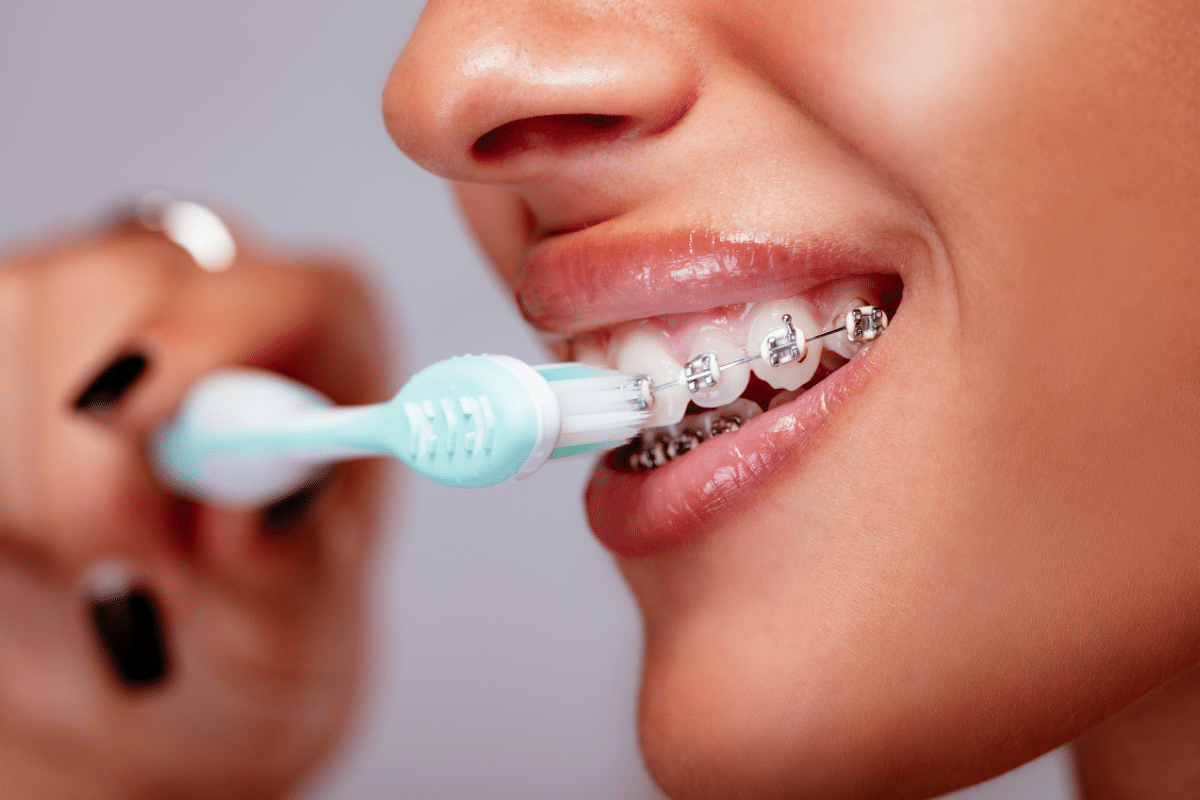
  • Use the Right Toothbrush
    A soft-bristled toothbrush is ideal for cleaning around the brackets and wires. You might also want to use an orthodontic toothbrush that’s specifically designed for braces. These brushes have a V-shaped bristle pattern that allows you to clean around the brackets more effectively.
  • Brush After Every Meal
    It’s essential to brush your teeth after every meal and snack to prevent food from getting stuck in your braces. If you can’t brush immediately, rinsing your mouth with water can help clear out food particles until you have a chance to brush.
  • Focus on the Brackets
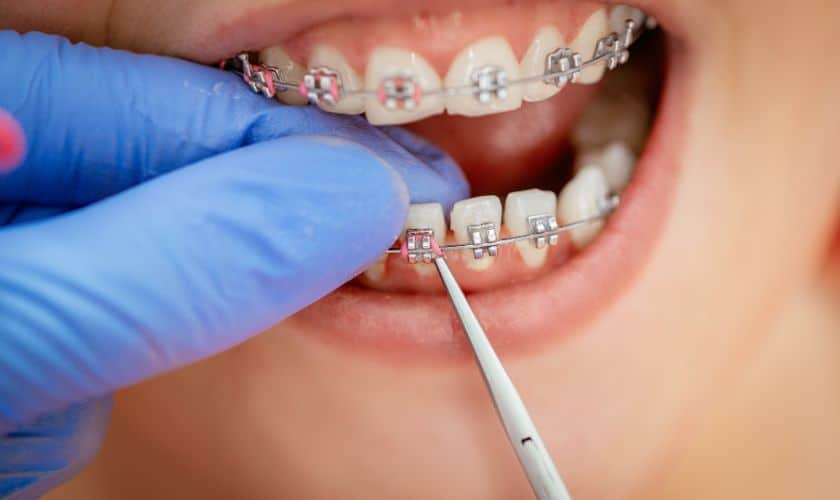
    The brackets are the most likely places where food particles and plaque can get stuck. Make sure to gently brush each bracket and wire. Hold your toothbrush at a 45-degree angle and brush in a circular motion, being careful not to apply too much pressure that could damage the brackets.
  • Don’t Forget Your Gums
    The gum line is just as important as the teeth when it comes to brushing. Plaque buildup near the gums can cause gum disease and other issues, so be sure to gently brush along the gum line.
  • Use a Floss Threader
    Flossing can be difficult with braces, but it’s still necessary. A floss threader helps you thread dental floss under the wires to clean between the teeth and around the brackets. Flossing removes food and plaque buildup that your toothbrush may have missed.

Common Mistakes to Avoid While Brushing

While brushing with braces is essential, there are a few mistakes that can undermine your efforts:

  • Brushing Too Hard
    Using too much force when brushing can damage your gums and cause your braces to become loose. Use gentle, circular motions instead of scrubbing back and forth.
  • Skipping the Flossing
    Many people with braces skip flossing because it can be a bit tricky, but flossing is crucial to remove plaque between teeth. Make sure you use a floss threader or orthodontic floss to clean effectively.
  • Neglecting to Clean Your Braces
    Regularly cleaning your braces themselves is just as important as brushing your teeth. Make sure to clean your brackets and wires to prevent plaque and food buildup.
  • Not Using Mouthwash
    Using an antimicrobial mouthwash helps kill bacteria in your mouth and can help reduce plaque and gingivitis. Incorporate mouthwash into your routine to boost your oral health.

Tools You Need for Effective Braces Care

When you’re wearing braces, it’s important to have the right tools at your disposal. Here are some essential items you should keep in your dental care kit:

  • Orthodontic Toothbrush – This toothbrush is designed to clean your teeth and braces effectively.
  • Floss Threaders – Use these to thread floss under your braces for thorough cleaning.
  • Interdental Brushes – These small brushes help clean between the brackets and wires where regular toothbrushes can’t reach.
  • Mouthwash – Use an alcohol-free, fluoride mouthwash to kill bacteria and strengthen your teeth.
  • Orthodontic Wax – This wax can be used to cover any sharp edges or brackets that might irritate the inside of your mouth.
  • Braces Cleaner – These special cleaning tablets can help remove debris and stains from your braces.

Having these tools on hand ensures that you’re maintaining a high level of oral hygiene while wearing braces.

Maintaining a Healthy Smile Throughout Your Orthodontic Treatment

While brushing is critical, it’s only one part of the equation. Here are some additional tips for maintaining a healthy mouth during your orthodontic journey:

  • Watch What You Eat
    Certain foods can damage your braces or get stuck in the wires. Avoid sticky or hard foods such as caramel, popcorn, or nuts. Cutting up hard fruits and vegetables into smaller pieces can help you eat safely without compromising your braces.
  • Stay Consistent
    Consistency is key when it comes to caring for your braces. Make sure to brush, floss, and rinse regularly to maintain optimal oral health.
  • Visit Your Orthodontist Regularly
    Routine checkups with an orthodontist are essential to monitor the progress of your braces and ensure that your teeth are moving in the right direction. If you have any questions about your brushing technique or experience discomfort, your orthodontist will provide helpful guidance.

If you’re looking for braces in Jericho, Maspeth, or Merrick or need advice on caring for your braces, Khan Orthodontic Group is here to help. Our team is committed to making your treatment process as comfortable and effective as possible.

Staying on Track with Braces

Brushing with braces requires extra effort, but the results are well worth it. With the right techniques, tools, and habits, you can keep your teeth healthy and your smile bright throughout your orthodontic treatment. If you’re ever in doubt or need help with your brushing routine, don’t hesitate to reach out to your orthodontist for guidance.

At Khan Orthodontic Group, we’re dedicated to helping you achieve the smile you’ve always wanted. Whether you’re looking for braces near you in Jericho, Maspeth, or Merrick or need expert advice, our team is here to support you at every step of your orthodontic journey.

Keep brushing, keep smiling, and enjoy the process of getting your dream smile!

Can You Eat Candy with Braces? Here’s What You Need to Know!

Can You Eat Candy with Braces?

If you’ve just gotten braces or have had them for a while, you might be wondering about your favorite sweets and how braces impact your snack choices. Can you indulge in candy while wearing braces, or is it a big no-no? The good news is that you don’t have to give up all sweets, but there are definitely some dos and don’ts to keep your braces (and your smile) in good shape. At Khan Orthodontic Group, we want to help you keep your teeth healthy and your orthodontic treatment on track! Here’s a guide to making smart candy choices when you have braces, plus tips on caring for your smile.

Why Candy Choices Matter When You Have Braces

Braces are designed to correct your bite and straighten your teeth, but they’re also sensitive to sticky, hard, or chewy foods that can damage brackets or wires. Eating the wrong kind of candy can lead to broken braces, which could delay your treatment and potentially lead to additional costs. Additionally, sugary treats can increase the risk of cavities if you don’t clean your teeth well. By knowing which candies are safe to enjoy, you can still satisfy your sweet tooth without compromising your orthodontic progress.

Types of Candy to Avoid with Braces

Some types of candy are off-limits while wearing braces, as they can easily damage your brackets and wires or cause other issues. Here’s a quick rundown of the candies you should avoid:

  • Sticky Candies: Candies like caramels, taffy, and gummy bears can stick to braces, making them difficult to remove and potentially damaging the brackets and wires.
  • Hard Candies: Hard candies, like lollipops and jawbreakers, can break brackets or bend wires if you bite into them. Sucking on them may still expose your teeth to excess sugar.
  • Chewy Candies: Candies that are tough to chew, such as Starbursts or jelly beans, can cause strain on your braces and may loosen the brackets.
  • Sour Candies: These acidic candies can weaken the enamel on your teeth, increasing the likelihood of cavities and tooth decay.
  • Popcorn and Nuts in Candy: Snacks like caramel popcorn or chocolate-covered nuts can be risky. They can get stuck in your braces or break the appliance.

Braces-Friendly Candy Options

Luckily, not all sweets are off-limits! There are safe candy options that you can enjoy without jeopardizing your braces. Here are some braces-friendly treats:

  • Chocolate Bars (without nuts or caramel): Plain chocolate, such as Hershey’s or Reese’s, melts easily and won’t harm your braces. Dark chocolate is an even better choice due to its lower sugar content.
  • Peanut Butter Cups: Smooth treats like peanut butter cups are usually soft enough to enjoy with braces.
  • Soft Cookies and Brownies: As long as they don’t contain hard toppings, soft-baked treats are generally safe and won’t harm your braces.
  • Ice Cream (without hard toppings): Ice cream and frozen yogurt can be a sweet treat; just avoid adding nuts or candy pieces.
  • Marshmallows: These fluffy treats don’t stick to braces and are generally safe in moderation.

Tips for Enjoying Candy with Braces

Even if you stick to braces-safe candy, it’s important to enjoy them responsibly and take a few precautions:

  1. Limit Candy Consumption: Too much candy isn’t good for your teeth or braces. Try to indulge only occasionally, rather than making it a daily habit.
  2. Rinse with Water After Eating: If you have candy, rinsing with water afterward can help remove any remaining sugar and protect your teeth.
  3. Brush and Floss: Brushing and flossing are essential, especially after eating sugary snacks. Floss carefully around each bracket to keep your braces clean.
  4. Use a Water Flosser: If regular flossing is challenging with braces, a water flosser can help remove candy particles stuck around brackets and wires.

Why Oral Hygiene Matters Even More with Braces

When you have braces, maintaining good oral hygiene is crucial for preventing plaque buildup and cavities. Since braces create additional spaces for food particles to hide, candy residue can stay on your teeth longer than it would without braces. Bacteria thrive on sugar, and if left uncleaned, it can lead to cavities or even white spots on your teeth after braces are removed. Here are some hygiene tips specifically for braces wearers:

  • Brush After Every Meal: This helps remove any leftover food particles and reduces the chance of cavities.
  • Floss Daily: Flossing is necessary to reach places your toothbrush can’t access. Consider using a floss threader to make it easier.
  • Use a Fluoride Mouthwash: Rinsing with fluoride mouthwash can help strengthen your enamel and protect your teeth from cavities.
  • Schedule Regular Orthodontic Checkups: Keeping up with your scheduled checkups helps ensure your braces are doing their job and helps spot any issues early on.

What to Do If You Break a Bracket

Sometimes, accidents happen. If you eat candy that ends up damaging your braces, here’s what to do:

  1. Stay Calm: A broken bracket or loose wire is common but needs immediate attention.
  2. Contact Your Orthodontist: Let your orthodontist know about the problem. At Khan Orthodontic Group, we’re here to help patients with braces if you’re in Maspeth, Jericho, Merrick, or any surrounding area.
  3. Apply Orthodontic Wax if Needed: If a broken bracket or loose wire is causing discomfort, orthodontic wax can provide temporary relief until you can visit your orthodontist.
  4. Avoid Eating on the Affected Side: Until your braces are fixed, try not to chew with the side where the bracket is broken to prevent further damage.

A Braces-Friendly Takeaway

It’s completely possible to enjoy candy and sweet treats while wearing braces—as long as you’re mindful of your choices. Avoiding sticky, hard, or chewy candies can help you prevent damage to your braces and keep your orthodontic treatment on track. If you’re ever in doubt about what’s safe, feel free to reach out to Khan Orthodontic Group, proudly serving Maspeth, Merrick. Jericho and nearby areas.

Taking good care of your braces will lead to a healthier, straighter smile you’ll enjoy for years to come. Our team is here to help you navigate your braces journey, whether you’re looking for tips on braces-friendly snacks or need help with your braces in Maspeth, Jericho, or Merrick.

Remember, a little patience and careful planning can make your braces experience smooth, fun, and candy-friendly!

Adult Braces: A New Approach to Anti-Aging and Oral Health

Adult Braces- A New Approach to Anti-Aging and Oral Health

When you think of getting braces, you might picture teenagers wearing metal brackets and wires. However, adults are increasingly turning to orthodontics to not only straighten their teeth but also unlock anti-aging benefits. At Khan Orthodontic Group, with locations in Maspeth, Jericho, and Merrick, our orthodontists believe that achieving a stunning smile can positively impact your self-esteem and overall appearance. Let’s explore how adult braces can offer not just cosmetic advantages but also unexpected anti-aging effects.

The Connection Between Oral Health and Aging

As we age, our bodies undergo various changes, and our oral health is no exception. Here are some key points on how oral health is intertwined with the aging process:

  • Tooth Loss: As we age, the risk of tooth loss increases, leading to changes in facial structure and appearance.
  • Jawbone Density: Poor oral health can lead to decreased jawbone density, affecting the shape of the face.
  • Gum Health: Gum disease is prevalent among older adults and can contribute to overall health issues, including inflammation.

By investing in braces, adults can improve their oral health and help prevent the signs of aging associated with dental issues.

Boosting Confidence with a Radiant Smile

One of the most immediate benefits of braces is the boost in confidence that comes from a straight, beautiful smile. Research shows that a person’s smile significantly affects how others perceive them, impacting social and professional interactions. Here’s how braces can enhance your confidence:

  • Improved Aesthetics: Straight teeth and a well-aligned bite enhance facial symmetry and improve overall appearance.
  • Youthful Energy: A bright smile can make you appear more youthful, as it conveys health and vitality.
  • Positive First Impressions: A confident smile can lead to better first impressions, enhancing personal and professional relationships.

At Khan Orthodontic Group, serving patients in Maspeth, Jericho, Merrick, and nearby areas, we recognize that confidence is crucial for feeling youthful and vibrant.

The Role of Proper Alignment in Facial Structure

Your dental alignment directly influences your facial structure, and braces can work wonders in reshaping your appearance. Here’s how proper alignment can rejuvenate your face:

  • Defined Jawline: Correcting bite issues can enhance jawline definition, providing a more sculpted look.
  • Balanced Features: A well-aligned bite and teeth can balance facial features, contributing to an overall youthful appearance.
  • Less Wrinkling: A proper bite may reduce the strain on facial muscles, potentially minimizing wrinkle formation over time.

If you’re located in Maspeth, Jericho, or Merrick and searching for braces near you, we offer tailored solutions that can positively transform your facial structure.

Oral Health: The Foundation of Youthful Living

Straightening your teeth through braces isn’t just about aesthetics; it plays a vital role in maintaining oral health, which is critical as we age. Here are several health benefits of adult braces:

  • Easier Cleaning: Misaligned teeth can trap food particles and plaque, leading to cavities and gum disease. Straight teeth are easier to clean, promoting better oral hygiene.
  • Reduced Wear and Tear: A misaligned bite can cause uneven wear on teeth, leading to more extensive dental problems down the road. Braces can ensure that your teeth meet evenly, prolonging their lifespan.
  • Improved Jaw Function: Properly aligned teeth can alleviate strain on the jaw, reducing discomfort and the risk of TMJ disorders.

By focusing on your dental health now, you set the stage for a healthier and more youthful future.

Finding the Right Solution for Your Smile

As an adult considering braces, you have several options. At Khan Orthodontic Group, we offer various treatments tailored to your unique needs, including:

  • Traditional Metal Braces: The most common option, these are effective for complex cases and provide reliable results.
  • Ceramic Braces: Made from clear materials, ceramic braces blend in with your teeth for a more discreet look.
  • Lingual Braces: These are placed on the back of the teeth, making them virtually invisible from the front.
  • Invisalign: This popular option uses clear aligners to gradually straighten your teeth without the need for brackets or wires.

No matter your choice, the results are clear: adult braces can enhance your smile while providing anti-aging benefits that go beyond mere aesthetics.

A New Chapter for Your Smile with Braces

If you’re ready to explore how braces can transform your smile, Khan Orthodontic Group is here to help. Our experienced team of orthodontists is committed to providing personalized treatment plans tailored to your unique needs, ensuring optimal results.

Braces are not just for improving dental health—they can also rejuvenate your appearance and boost your confidence. Age doesn’t have to define your smile, and orthodontics can be your path to enhanced beauty and health.

In today’s world, youthfulness and beauty are often linked with a straight, radiant smile. Adult braces offer more than just aesthetic benefits; they are a long-term investment in both self-care and oral health.

If you’re looking for braces near Maspeth, Jericho, or Merrick, don’t hesitate to contact us. Your journey to a more youthful smile begins today. Let us help you achieve the best version of your smile!

Shedding Light on Adult Braces: Myths and Facts

Shedding Light on Adult Braces near you in Merrick

When it comes to braces, most people picture teenagers awkwardly adjusting to a mouth full of metal. But in reality, more adults are choosing to straighten their teeth with braces, and it’s no longer something to be embarrassed about! However, there are plenty of myths surrounding adult braces that hold people back from achieving the smile they’ve always wanted.

If you’ve been considering braces but are hesitant due to misconceptions, this blog is for you. We’re here to bust some of the most common myths about adult braces, so you can make an informed decision and discover how braces near you can help transform your smile.

Myth 1: Braces Are Only for Teenagers

One of the biggest misconceptions is that braces are only for teenagers. Many adults feel like they’ve missed the boat if they didn’t get braces as a teen, but the truth is, orthodontic treatment can be just as effective in adulthood.

  • Fact: Braces are for everyone, regardless of age. Whether you’re 25, 40, or 60, orthodontic treatment can help align your teeth and improve your oral health.
  • Benefit: Straightening your teeth as an adult can enhance your confidence, correct bite issues, and make oral hygiene easier.

At Khan Orthodontic Group, we’ve helped countless adults in Merrick and beyond achieve straighter teeth and healthier smiles.

Myth 2: Braces Are Painful and Uncomfortable

Another common myth is that braces are painful and uncomfortable to wear. While it’s true that adjusting to braces can feel strange at first, most people find that the discomfort is temporary and manageable.

  • Fact: Modern braces are designed to be more comfortable than ever before. The materials used are lighter and more efficient, reducing the pressure on your teeth.
  • Tips for Comfort:
    • Use orthodontic wax to cover any sharp edges on the brackets.
    • Over-the-counter pain relievers can help with any initial soreness.
    • Eat soft foods like yogurt or mashed potatoes during the adjustment period.

After the first few days, your mouth will adjust, and you’ll barely notice the braces.

Myth 3: Braces Are Ugly and Obvious

Many adults worry that braces will negatively impact their appearance, picturing the bulky metal braces of the past. Fortunately, orthodontic technology has come a long way, and there are many discreet options available today.

  • Fact: There are multiple options to suit your lifestyle and aesthetic preferences, including clear aligners and ceramic braces.
  • Types of Adult Braces:
    • Traditional Metal Braces: The most common option, but now smaller and more comfortable than in the past.
    • Ceramic Braces: These blend in with your teeth and are much less noticeable.
    • Clear Aligners: A removable and nearly invisible option, perfect for adults who want a more subtle treatment.

If you’re looking for braces in Merrick, we offer a variety of discreet options to fit your needs.

Myth 4: Braces Take Years to Work

Another myth that discourages adults from getting braces is the idea that treatment will take years to complete. While it’s true that orthodontic treatment takes time, it’s not always as long as people think.

  • Fact: The length of time you’ll need braces depends on the complexity of your case, but many adults complete their treatment in 12 to 24 months.
  • Fast-Track Options: Some treatments, like clear aligners, can be more efficient than traditional braces in certain cases.

Thanks to advancements in orthodontic technology, there are ways to speed up the process without compromising the results.

Myth 5: Braces Are Expensive

Cost is often a concern for adults considering braces, leading many to believe that orthodontic treatment is out of their budget. While braces do require an investment, they may be more affordable than you think.

  • Fact: The cost of braces can vary depending on the type of treatment you choose and the complexity of your case. Many orthodontic offices offer payment plans or financing options to make treatment more manageable.
  • Long-Term Value: Investing in your smile can prevent more costly dental issues in the future, such as tooth decay or gum disease caused by misaligned teeth.

Khan Orthodontic Group provides flexible payment plans to ensure that braces in Merrick are accessible for all.

Why Adult Braces Are Worth It

Now that we’ve debunked these myths, let’s take a look at why getting braces as an adult is such a great choice:

  • Improved Oral Health: Straighter teeth are easier to clean, reducing your risk of cavities and gum disease.
  • Enhanced Appearance: A straight, healthy smile can improve your confidence and overall appearance.
  • Better Function: Correcting bite issues can prevent jaw pain, difficulty chewing, and even speech problems.

Whether you’re considering metal braces, ceramic braces, or clear aligners, adult orthodontics offers life-changing benefits.

Ready to Transform Your Smile with Braces in Merrick or Nearby?

It’s never too late to invest in your smile. At our dental practice in Merrick, we offer a range of orthodontic treatments for adults, including traditional braces and clear aligners. Our orthodontist in Merrick is dedicated to helping you achieve a healthier, more confident smile, and we’re here to guide you through the process every step of the way.

If you’ve been searching for braces near you, look no further. Schedule an appointment today and take the first step toward the smile you’ve always wanted. Let’s shatter the myths and embrace the benefits of adult braces together!

In conclusion, adult braces are not something to be afraid of. The myths surrounding them—whether about pain, appearance, or cost—are just that: myths. With modern orthodontic advancements, there are comfortable, discreet, and affordable options available for adults. If you’re in Merrick or nearby, Khan Orthodontic Group is here to help you explore your options. Take control of your smile and discover the benefits that braces can bring to your life.

A Guide to Foods You Can and Can’t Eat with Braces

A Guide to Foods You Can and Can Not Eat with Braces

Congratulations on starting your journey to a straighter smile with braces! Braces are a powerful tool for achieving your orthodontic goals, and with the guidance of your orthodontist, you can make the most of this treatment. However, they do require some adjustments to your diet. Knowing what to eat and what to avoid will not only keep your braces in good shape but also ensure a smooth and successful treatment experience.

Foods to Eat with Braces

The good news is there’s a variety of delicious and nutritious options you can enjoy with braces! An orthodontist near you can help you navigate this dietary shift. Here’s a breakdown of braces-friendly choices:

  • Soft Foods: These are gentle on your brackets and wires. Think steamed or boiled vegetables, mashed potatoes, yogurt, applesauce, and soft fruits like bananas and berries.
  • Cut-Up Foods: Larger, harder fruits and vegetables can be cut into bite-sized pieces to make them easier to chew. This includes apples, pears, carrots, celery, and broccoli.
  • Dairy Products: Dairy is a fantastic source of calcium and vitamin D, essential for strong teeth and bones during orthodontic treatment. Enjoy milk, cheese, yogurt, and soft puddings.
  • Lean Protein Sources: Protein is vital for maintaining overall health during treatment. Opt for soft, cooked meats like chicken, fish, and ground beef. Tofu, lentils, and beans are also excellent protein sources that are gentle on braces.
  • Whole Grains: Whole grains provide essential nutrients and fiber. Opt for cooked brown rice, quinoa, and soft whole-wheat bread.

Foods to Avoid with Braces

While many delicious foods await you, certain items can pose a challenge for your braces. Here’s what to limit or avoid altogether:

  • Hard Foods: These can damage brackets and wires. Avoid hard nuts, seeds, popcorn, pretzels, hard candies, and raw carrots.
  • Sticky Foods: Sticky candies, chewing gum, caramels, and fruit roll-ups can stick to your braces and be difficult to remove, increasing the risk of cavities.
  • Chewy Foods: Chewy bagels, chewy granola bars, and tough meats can put excessive pressure on your braces and potentially dislodge them.
  • Sugary Drinks: Sugary sodas and juices can contribute to tooth decay and create additional challenges with maintaining oral hygiene while wearing braces.
  • Acidic Foods: Highly acidic fruits like grapefruits and lemons can irritate your gums, especially during the initial adjustment period after getting braces.

Tips by An Experienced Orthodontist for Enjoying Your Favorite Foods

Don’t despair if your favorite food falls into the “avoid” category! Here are some clever ways to still enjoy them:

  • Cut Up Hard Fruits and Vegetables: Instead of biting into a whole apple, cut it into bite-sized pieces to make it easier to chew.
  • Steam or Boil Harder Vegetables: Steaming or boiling softens vegetables, making them easier to manage with braces.
  • Grind or Mince Meats: Tough meats can be ground or minced for easier chewing.
  • Soften Bread: Toasting or microwaving bread for a few seconds can soften it for easier chewing.
  • Alternatives for Sticky Candies: Sugar-free lollipops or hard candies that dissolve slowly are safer alternatives to sticky candies.

Maintaining Oral Hygiene with Braces

Brushing and flossing are even more crucial with braces. Food particles can easily get trapped around brackets and wires, increasing the risk of cavities and gum disease. Here are some additional tips:

  • Brush After Every Meal and Snack: This ensures food particles don’t linger around your braces.
  • Use a Soft-Bristled Toothbrush: A soft-bristled brush cleans thoroughly without damaging your brackets and wires.
  • Floss Daily: Flossing helps remove food particles from between your teeth and under your braces. Consider using a floss threader or a water flosser specifically designed for braces.
  • Maintain Regular Dental Checkups: Schedule regular appointments with an orthodontist near you, such as Khan Orthodontic Group in Maspeth, Jericho, and Merrick, for cleanings and adjustments to ensure your treatment progresses smoothly.

Embrace the Journey to a Straighter Smile

Following these guidelines will help you navigate your dietary journey with braces. Remember, a few temporary adjustments now will pay off with a beautiful, healthy smile in the future.

If you have any questions or concerns about what you can or can’t eat with braces, don’t hesitate to reach out to our orthodontic team at Khan Orthodontic Group, delivering exceptional dental care to Maspeth, Jericho, Merrick, and nearby areas. We’re here to support you every step of the way, ensuring a comfortable and successful orthodontic experience.

How to Avoid Staining Your Teeth with Braces

Braces In Maspeth

Wearing braces is a significant step towards achieving a beautiful and healthy smile. However, one of the challenges that come with braces is maintaining the whiteness of your teeth. Stains can form around the brackets, leaving unsightly marks once the braces are removed. Here are some practical tips to help you avoid staining your teeth while wearing braces, whether you’re undergoing treatment with Khan Orthodontic Group Maspeth or another orthodontic provider.

Maintain Excellent Oral Hygiene

The foundation of avoiding stains starts with impeccable oral hygiene. Braces create numerous small crevices where food particles and plaque can accumulate, leading to discoloration. Here’s how you can maintain excellent oral hygiene:

  1. Brush After Every Meal: Carry a toothbrush with you and make it a habit to brush after eating. Use fluoride toothpaste and a soft-bristled brush. Angle the brush towards the gumline and gently clean around each bracket.
  2. Use an Interdental Brush: An interdental brush can reach areas that a regular toothbrush cannot. It’s particularly effective in cleaning around brackets and wires.
  3. Floss Daily: Flossing with braces can be tricky, but it’s essential. Use floss threaders or special orthodontic floss to get between your teeth and under the wires.
  4. Rinse with Mouthwash: An antibacterial mouthwash can help reduce plaque buildup and keep your mouth fresh. Choose a mouthwash that contains fluoride to strengthen your teeth.


Watch Your Diet

Certain foods and drinks are notorious for causing stains. By being mindful of what you consume, you can reduce the risk of staining your teeth with braces.

  1. Avoid Dark-Colored Beverages: Coffee, tea, red wine, and cola are major culprits when it comes to staining teeth. If you do consume these drinks, use a straw to minimize contact with your teeth and rinse your mouth with water afterward.
  2. Be Cautious with Acidic Foods: Foods high in acidity, such as citrus fruits and tomatoes, can erode enamel and make teeth more susceptible to staining. Moderation is key, and rinsing with water after consumption can help neutralize acids.
  3. Limit Sugary Snacks: Sugary foods and drinks contribute to plaque buildup, which can lead to staining and tooth decay. Opt for healthier snacks like fruits, vegetables, and cheese.


Professional Cleanings and Checkups

Regular visits to your orthodontist and dentist are crucial. Professional cleanings can remove plaque and tartar that you might have missed during your daily routine. During these visits, your orthodontist can also check for any potential issues with your braces that might contribute to staining.

  1. Schedule Regular Cleanings: Aim for professional cleanings every six months or as recommended by your dentist. These cleanings are more thorough than your daily brushing and flossing.
  2. Orthodontic Adjustments: Regular visits to your orthodontist for adjustments are essential. They can ensure that your braces are functioning correctly and advise you on maintaining oral hygiene.

Use Whitening Products Cautiously

While it might be tempting to use whitening products to keep your teeth bright, caution is needed with braces. Whitening products can cause uneven coloration, as the brackets cover parts of your teeth. Here are some tips:

  1. Consult Your Orthodontist: Before using any whitening products, consult your orthodontist. They can recommend safe options that won’t interfere with your treatment.
  2. Whitening Toothpaste: Using a whitening toothpaste can help maintain the overall brightness of your teeth. However, avoid products that are too abrasive, as they can damage your enamel.
  3. Post-Treatment Whitening: If you’re concerned about staining, you can always opt for professional whitening treatments after your braces are removed. This ensures an even and effective whitening process.


Additional Tips

  1. Hydrate: Drinking plenty of water helps wash away food particles and reduce plaque buildup. It’s especially important after consuming stain-causing foods and beverages.
  2. Chew Sugar-Free Gum: Chewing sugar-free gum can stimulate saliva production, which naturally helps clean your teeth and neutralize acids in your mouth.
  3. Avoid Smoking: Tobacco products are notorious for staining teeth. If you smoke, consider quitting to improve both your oral health and overall well-being.

In conclusion, keeping your teeth stain-free with braces requires diligence and consistent care. By following these tips, you can maintain a bright and healthy smile throughout your orthodontic treatment. Whether you’re getting your braces in Maspeth or elsewhere, remember that good habits and regular professional care are your best allies in preventing stains. With the right approach, you can ensure that once your braces come off, your smile is not only well-aligned but also sparkling clean.

The Importance of Rubber Bands in Braces Care

Rubber Bands in Braces Care

When it comes to orthodontic treatments, braces are a commonly chosen solution for correcting misaligned teeth and achieving a beautiful smile. However, one crucial component of braces that often goes unnoticed is the rubber bands. These small but essential accessories play a vital role in ensuring the effectiveness of the treatment. In this article, we will delve into the importance of rubber bands in braces care, providing a comprehensive understanding of their function and how to properly manage them.


What Are Rubber Bands in Braces?

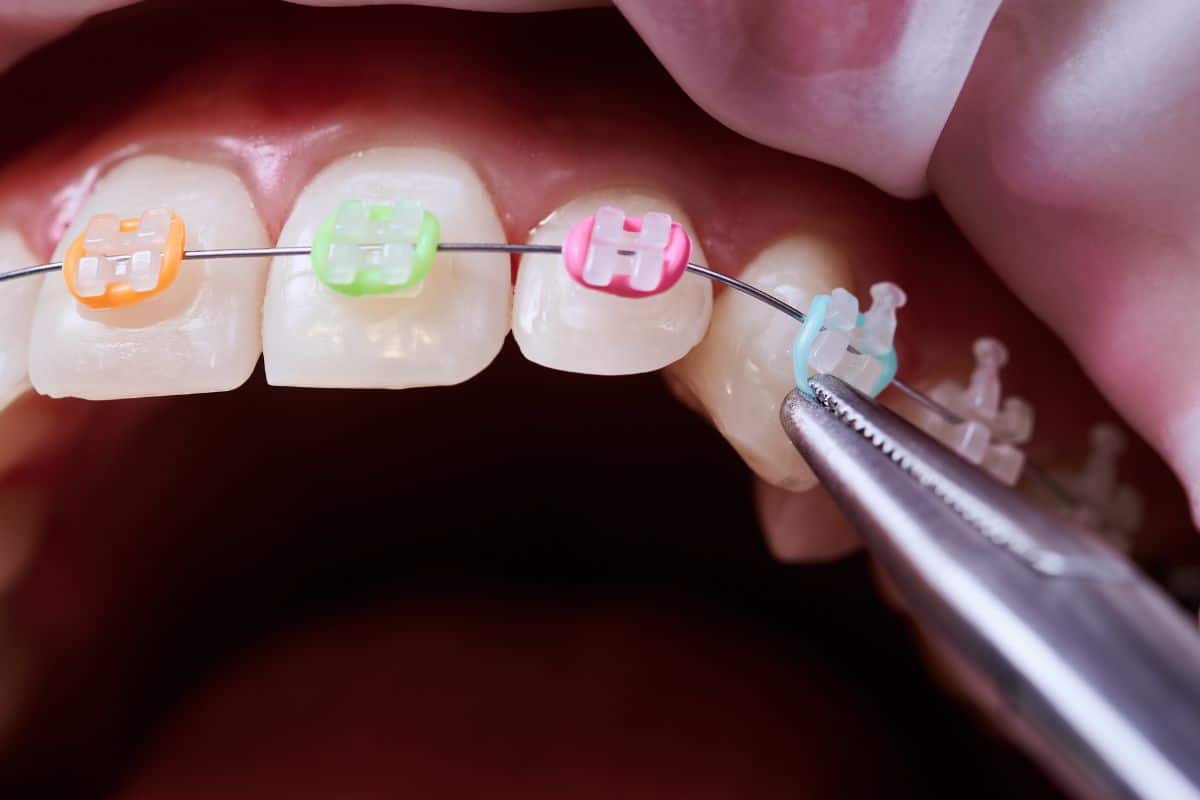
Rubber bands, also known as elastics, are tiny stretchy loops that are attached to the brackets of braces. They come in various sizes, colors, and strengths, and their primary purpose is to apply continuous pressure on the teeth, helping to move them into the desired position. Unlike the archwires, which are the main force behind the alignment process, rubber bands provide the additional force needed to correct specific bite issues, such as overbites, underbites, and crossbites.


How Do Rubber Bands Work?

Rubber bands work by creating tension between the upper and lower jaws, which helps in adjusting the bite and aligning the teeth. The orthodontist will determine the placement and configuration of the rubber bands based on the individual’s specific needs. By following the prescribed instructions and wearing the rubber bands as directed, patients can achieve optimal results in a shorter period.

Types of Rubber Bands

There are different types of rubber bands used in braces care, each serving a specific purpose. The most common types include:

  • Class I Elastics: Used to close spaces between teeth.
  • Class II Elastics: Used to correct overbites by pulling the upper teeth backward and the lower teeth forward.
  • Class III Elastics: Used to correct underbites by pulling the lower teeth backward and the upper teeth forward.
  • Anterior Elastics: Used to close open bites in the front teeth.
  • Posterior Elastics: Used to correct crossbites in the back teeth.


The Role of Rubber Bands in Braces Treatment


1. Accelerating the Alignment Process

Rubber bands provide the necessary force to move the teeth more effectively and efficiently. By applying consistent pressure, they help speed up the alignment process, reducing the overall duration of the braces treatment. This is particularly beneficial for patients who are eager to achieve their desired results quickly.

2. Correcting Bite Issues

One of the primary functions of rubber bands is to address bite problems. Whether it’s an overbite, underbite, or crossbite, rubber bands help in repositioning the jaws and aligning the teeth correctly. This not only improves the aesthetics of the smile but also enhances the functionality of the teeth, leading to better oral health.

3. Ensuring Stability and Retention

Once the teeth have moved into their desired positions, rubber bands help maintain the new alignment and prevent relapse. Wearing rubber bands as instructed by the orthodontist ensures that the teeth remain stable during the final stages of treatment. This is crucial for achieving long-lasting results and avoiding the need for further orthodontic intervention.


Proper Care and Maintenance of Rubber Bands


1. Consistency is Key

To achieve the best results, it is essential to wear the rubber bands consistently as directed by the orthodontist. This means wearing them for the recommended number of hours each day and changing them regularly. Skipping or neglecting to wear the rubber bands can prolong the treatment time and affect the overall outcome.

2. Handling and Replacing Rubber Bands

Rubber bands are delicate and can break or lose their elasticity over time. It is important to handle them with care and replace them as soon as they show signs of wear and tear. Keeping a supply of extra rubber bands on hand ensures that you can replace them promptly and continue with your treatment without interruptions.

3. Oral Hygiene Practices

Maintaining good oral hygiene is crucial when wearing braces and rubber bands. Food particles can easily get trapped in the rubber bands and braces, leading to plaque buildup and potential dental issues. Brushing and flossing thoroughly, along with regular dental check-ups, help in keeping the teeth and gums healthy throughout the treatment process.

4. Managing Discomfort

Wearing rubber bands may cause some initial discomfort as the teeth adjust to the pressure. This discomfort is normal and typically subsides after a few days. Over-the-counter pain relievers can help alleviate any pain or soreness. It is important to communicate with your orthodontist if the discomfort persists or if you experience any other issues.


The Role of Khan Orthodontic Group Jericho in Braces Care

At Khan Orthodontic Group Jericho, we understand the significance of rubber bands in achieving successful orthodontic outcomes. Our experienced team of orthodontists provides personalized treatment plans tailored to each patient’s unique needs. By utilizing advanced techniques and high-quality materials, we ensure that our patients receive the best possible care throughout their braces treatment journey.

Rubber bands are an integral part of braces care, playing a crucial role in the alignment and correction of teeth. By providing the necessary force to move the teeth and address bite issues, they help accelerate the treatment process and ensure long-lasting results. Proper care and maintenance of rubber bands, along with consistent usage, are essential for achieving the desired outcomes.

For more information about braces care and the importance of rubber bands, visit Khan Orthodontic Group Jericho. Our team is dedicated to helping you achieve a healthy and beautiful smile through comprehensive orthodontic care.

How Orthodontic Braces Straighten Your Smile

Braces Straighten Merrick

A captivating smile not only enhances your appearance but also boosts your confidence. Achieving that perfect smile often requires the help of orthodontic braces, a common and effective treatment to correct misaligned teeth. In this comprehensive guide, we delve into how orthodontic braces work to straighten your smile, exploring the intricate process that leads to beautifully aligned teeth.

Understanding Orthodontic Braces

Orthodontic braces are dental devices used to correct various alignment issues such as crooked teeth, overcrowded teeth, and gaps between teeth. These devices consist of several components, including brackets, wires, and bands, which work together to gradually move teeth into the desired position. The process is meticulously planned and executed by orthodontists, specialists in dental alignment.

The Mechanics of Teeth Movement

Applying Gentle, Consistent Pressure

Orthodontic braces straighten teeth by applying gentle, consistent pressure over an extended period. This pressure stimulates the bone around the teeth, allowing them to move. Here’s a closer look at the key elements involved in this process:

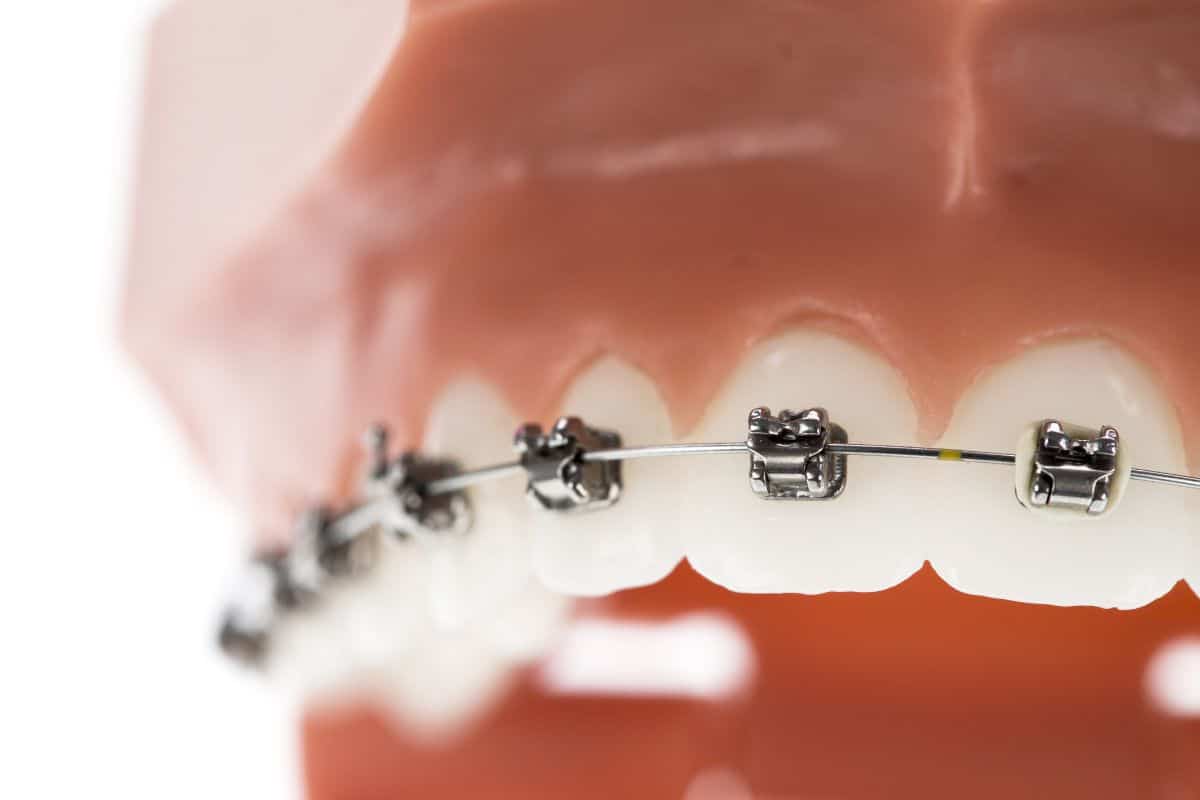
  • Brackets: Small, square-shaped attachments bonded to the front of each tooth. They serve as anchors for the archwires.
  • Archwires: Thin metal wires threaded through the brackets. They guide the movement of the teeth by applying pressure.
  • Bands: Elastic or metal bands that secure the archwires to the brackets, adding stability to the entire setup.

Bone Remodeling

As pressure is applied to the teeth, the bone surrounding the tooth roots undergoes a process known as bone remodeling. On the side of the tooth where pressure is applied, bone cells called osteoclasts break down bone tissue. Simultaneously, on the opposite side, osteoblasts form new bone. This remodeling process allows the teeth to move gradually into their new positions without causing damage to the roots or surrounding structures.

The Stages of Orthodontic Treatment

Initial Consultation and Planning

The journey to a straighter smile begins with an initial consultation with an orthodontist. During this visit, the orthodontist will evaluate your dental condition, take X-rays, photographs, and impressions of your teeth. This information is crucial for developing a personalized treatment plan tailored to your specific needs.

Placement of Braces

Once the treatment plan is finalized, the orthodontist will place the braces on your teeth. This involves cleaning the teeth, applying a bonding agent, and attaching the brackets. The archwires are then threaded through the brackets and secured with bands. This initial setup may cause some discomfort as your teeth begin to adjust to the pressure.

Regular Adjustments

Throughout the treatment period, which typically ranges from 18 months to 2 years, regular visits to the orthodontist are necessary. During these appointments, the orthodontist will make adjustments to the archwires and bands to ensure the teeth continue to move in the desired direction. These adjustments are essential for maintaining the correct pressure and promoting consistent tooth movement.

Retainers: Maintaining the Results

After the braces are removed, the orthodontist will provide retainers to maintain the newly aligned teeth. Retainers are custom-made devices that prevent the teeth from shifting back to their original positions. Wearing retainers as instructed is crucial for preserving the results of the orthodontic treatment.

Types of Orthodontic Braces

Metal Braces

Traditional metal braces are the most common type and are highly effective in treating various dental alignment issues. They are made of high-grade stainless steel and have become more comfortable and aesthetically pleasing over the years.

Ceramic Braces

Ceramic braces function similarly to metal braces but are made of tooth-colored or clear materials, making them less noticeable. They are a popular choice for individuals seeking a more discreet option.

Lingual Braces

Lingual braces are attached to the back of the teeth, making them virtually invisible from the front. They offer a cosmetic alternative for those who do not want their braces to be visible, though they may require more time to adjust to.

Invisalign

Invisalign aligners are clear, removable trays that gradually straighten teeth without the need for brackets and wires. They are custom-made for each patient and are a popular choice for adults and teenagers seeking a more flexible and aesthetically pleasing option.

Benefits of Orthodontic Treatment

Improved Oral Health

Straight teeth are easier to clean and maintain, reducing the risk of cavities, gum disease, and other oral health issues. Orthodontic treatment helps create a healthier oral environment.

Enhanced Aesthetics

A straight smile significantly enhances facial aesthetics. It boosts self-confidence and can positively impact social and professional interactions.

Better Functionality

Properly aligned teeth improve biting, chewing, and speaking functions. They reduce the risk of abnormal wear on teeth and help distribute the force of chewing more evenly.

Prevention of Dental Issues

Addressing misalignment early can prevent more serious dental problems in the future. Orthodontic treatment can alleviate issues such as jaw pain, temporomandibular joint disorders (TMJ), and excessive tooth wear.

Choosing the Right Orthodontist

Selecting a qualified and experienced orthodontist is crucial for a successful treatment outcome. Look for orthodontists with good reviews, relevant certifications, and a track record of successful treatments. Personalized care and clear communication are essential factors in ensuring a smooth and effective orthodontic experience.

Orthodontic braces play a vital role in achieving a straight, healthy, and beautiful smile. Through the precise application of pressure and the process of bone remodeling, braces can correct a wide range of dental alignment issues. Understanding the mechanics of braces, the stages of treatment, and the benefits of a properly aligned smile can help you make informed decisions about your orthodontic care.

How Braces Align Your Teeth for a Better Bite

Braces In Merrick

In orthodontics, braces play a crucial role in correcting dental misalignments and achieving a better bite. This comprehensive guide explores the intricate process of how braces work to align teeth effectively and improve overall dental health.


Understanding Dental Misalignment

Dental misalignment, or malocclusion, is a condition where the teeth are not properly aligned when the jaws are closed. This can manifest as overcrowding, spacing issues, overbites, underbites, or crossbites. These misalignments can lead to various dental problems such as difficulty chewing, speech impediments, and even jaw pain.


The Role of Braces in Correcting Misalignments

Braces are orthodontic devices designed to gradually move teeth into proper alignment over time. They consist of brackets, wires, and bands that work together to exert gentle pressure on the teeth, guiding them into the desired positions.

Components of Braces

  • Brackets: These are small squares bonded directly to the front of each tooth with dental adhesive.
  • Archwire: The main wire that connects all the brackets and applies the necessary force to move the teeth.
  • Bands: These are metal rings that are cemented around the molars to anchor the braces securely.

Mechanism of Action

Once braces are placed, periodic adjustments are made by the orthodontist to tighten the wires. This process gradually shifts the teeth into alignment by gently loosening and tightening the braces. The pressure exerted on the teeth stimulates bone remodeling, allowing the teeth to move into their new positions.


Types of Braces

There are several types of braces available, each catering to different needs and preferences:

  • Traditional Metal Braces: These are the most common type, featuring stainless steel brackets and wires.
  • Ceramic Braces: These are similar to traditional braces but use tooth-colored or clear brackets, making them less noticeable.
  • Lingual Braces: These are placed on the back side of the teeth, making them virtually invisible from the outside.
  • Clear Aligners: These are transparent trays that gradually move teeth similar to braces, but they are removable.


Treatment Process

The journey with braces treatment typically begins with a consultation where the orthodontist assesses the patient’s teeth and discusses treatment options. Once braces are chosen, the placement appointment follows, where the brackets and wires are affixed. Regular visits every 4-6 weeks are necessary for adjustments and monitoring progress.

Benefits of a Better Bite

Achieving a better bite through braces offers numerous benefits beyond aesthetics:

  • Improved Chewing: Properly aligned teeth chew more efficiently, improving digestion and nutrient absorption.
  • Speech Improvement: Correcting dental misalignments can enhance speech clarity and pronunciation.
  • Prevention of Dental Issues: Straight teeth are easier to clean, reducing the risk of cavities, gum disease, and uneven wear.


Maintaining Results Post-Treatment

After braces are removed, a retainer is often prescribed to prevent teeth from shifting back to their original positions. It’s essential to follow the orthodontist’s instructions for retainer wear and attend follow-up appointments to ensure long-term success.

In conclusion, braces are highly effective orthodontic tools that correct dental misalignments and improve overall oral health. By understanding how braces work and their benefits, individuals can make informed decisions about their orthodontic care, leading to a healthier smile and improved quality of life.

A Comprehensive Guide to Braces Treatment for Overbite Correction

Braces in Jericho

Overbites, a common dental condition, occur when the upper teeth overlap significantly with the lower teeth. While slight overbites may not cause significant issues, severe overbites can lead to various dental problems and even affect facial aesthetics. Addressing overbites requires specialized orthodontic treatment, often involving braces.


What Are Braces?

Braces are orthodontic appliances used to correct dental misalignments, including overbites. They consist of brackets bonded to the teeth and wires that apply pressure to gradually move the teeth into proper alignment. Modern braces come in various types, including traditional metal braces, ceramic braces, and lingual braces, offering patients options to suit their preferences and needs.


The Process of Overbite Correction with Braces

Initial Consultation

The journey to correcting an overbite with braces typically begins with an initial consultation with an orthodontist. During this appointment, the orthodontist will assess the patient’s dental condition, including the severity of the overbite, and discuss the available treatment options.

Treatment Planning

Following the consultation, the orthodontist will develop a personalized treatment plan tailored to address the patient’s specific needs. This plan will outline the duration of treatment, the type of braces recommended, and any additional procedures, such as tooth extractions, if necessary.

Braces Placement

Once the treatment plan is finalized, the braces placement procedure begins. For traditional braces, the orthodontist will bond the brackets to the patient’s teeth using dental adhesive. Wires are then threaded through the brackets and secured in place. Patients may experience mild discomfort during this process, which typically subsides within a few days.

Regular Adjustments

Overbite correction with braces requires periodic adjustments to ensure the teeth continue to move gradually into their desired positions. Patients will need to visit their orthodontist every few weeks for these adjustments, during which the wires may be tightened or replaced to maintain progress.

Monitoring Progress

Throughout the treatment process, the orthodontist will monitor the patient’s progress closely to ensure the overbite is being corrected effectively. Adjustments to the treatment plan may be made as needed to achieve optimal results.


Benefits of Braces for Overbite Correction

Improved Dental Health

Correcting an overbite with braces not only enhances the appearance of the smile but also improves overall dental health. By aligning the teeth properly, braces reduce the risk of issues such as tooth decay, gum disease, and temporomandibular joint (TMJ) disorders.

Enhanced Facial Aesthetics

Severe overbites can affect facial aesthetics, leading to a disproportionate appearance of the jaw and lips. Braces treatment helps realign the teeth and jaws, resulting in a more balanced facial profile and a confident smile.

Long-Term Stability

While the duration of braces treatment may vary depending on the severity of the overbite, the results are typically long-lasting. With proper care and maintenance, patients can enjoy the benefits of a corrected overbite for years to come.


Choosing the Right Orthodontic Provider

When considering braces treatment for overbite correction, it’s essential to choose a reputable orthodontic provider with experience and expertise in treating dental misalignments. The Jericho-Khan Orthodontic Group is a trusted name in orthodontic care, offering state-of-the-art treatment options and personalized care to patients in the USA.


Transforming Smiles with Braces

Braces treatment offers a proven solution for correcting overbites and achieving a straight, healthy smile. With advancements in orthodontic technology and the expertise of experienced orthodontists, patients can look forward to a transformed smile and improved dental health. If you’re ready to take the first step toward overbite correction, schedule a consultation with the Jericho-Khan Orthodontic Group today.

Schedule Your Free Smile Consult.

Orthodontic care for the whole family

EnglishEspañol