The goal of orthodontic treatment is to achieve ideal dental health and general well-being, which is a life-changing experience that extends beyond simple tooth straightening. In this post, we will examine the important relationship between diet and orthodontics, along with tips for leading a healthy lifestyle while undergoing treatment.
I. Introduction
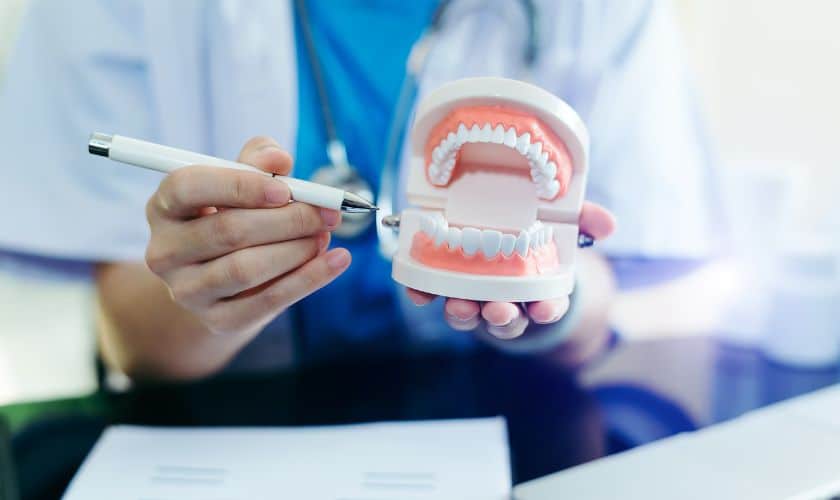
Orthodontics is a subspecialty of dentistry that treats abnormalities and misalignments of the jaws and teeth. Even if improving one’s smile and appearance is the main objective, orthodontic treatment is crucial for fostering general dental health.
Ensuring patients’ well-being throughout orthodontic treatment and enhancing procedure efficacy are two reasons a proper diet is so important.
II. How Orthodontic Treatment Works
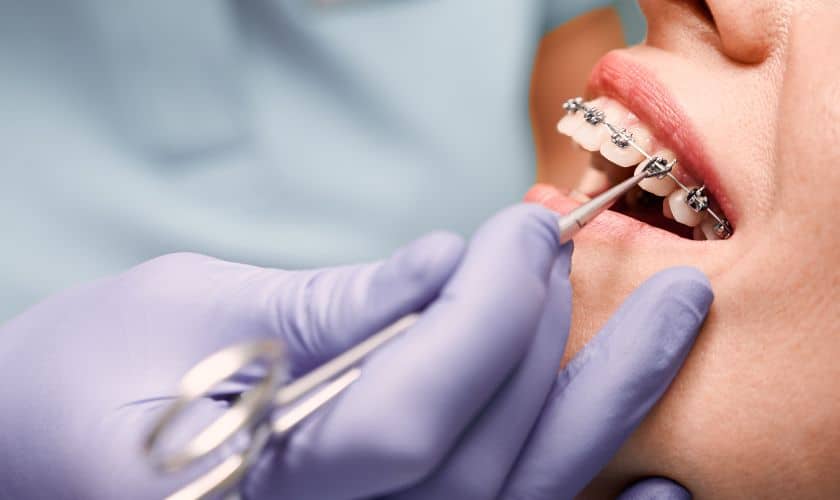
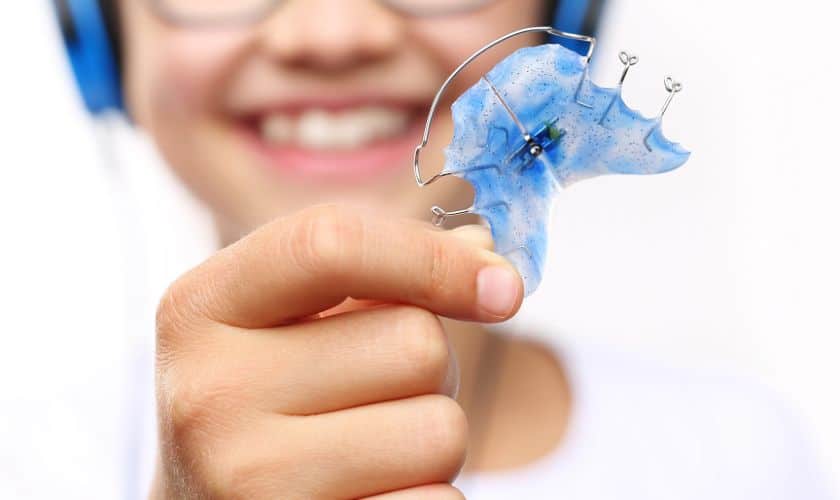
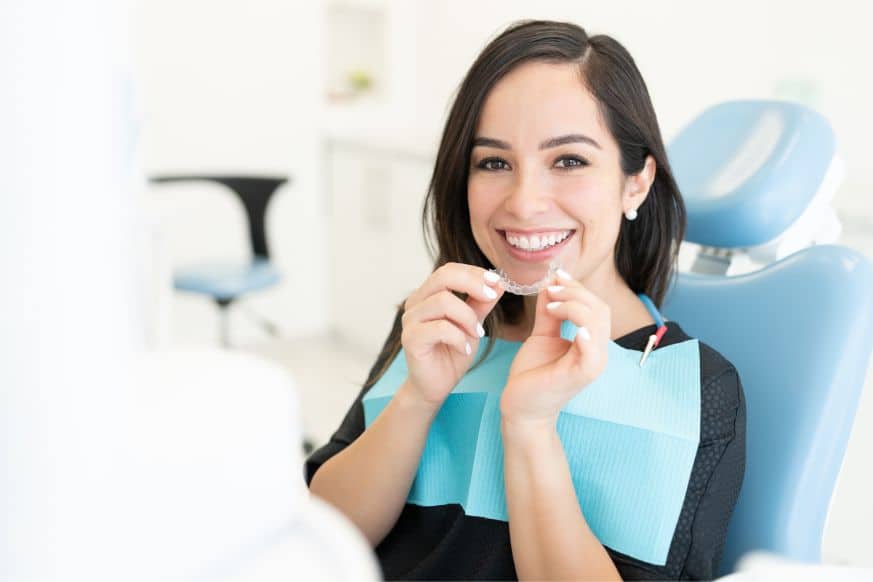
Orthodontic therapy frequently involves braces or clear aligners to progressively shift teeth into the proper positions. Patients must be aware of the mechanics underlying these treatments and the significance of following the advice given by orthodontic specialists.
III. Impact of Nutrition on Orthodontic Health
Maintaining healthy teeth and gums is essential, especially while undergoing orthodontic treatment. A balanced diet is key to this. Patients need to make educated dietary decisions since some foods have the potential to either help or impede the success of orthodontic operations.
IV. Maintaining Oral Hygiene with Orthodontics
Maintaining good dental hygiene becomes even more important when receiving orthodontic treatment. To avoid problems like cavities and gum disease, practicing proper brushing, flossing, and routine dental examinations is important.
V. Addressing Common Challenges
Orthodontic treatment may provide difficulties, including food restrictions and pain during adjustments. A more seamless and enjoyable experience depends on overcoming these obstacles.
VI. Orthodontics and Overall Well-being
There is a deeper connection between general and orthodontic health than just the physical. A stunning, well-aligned smile may improve mental and emotional well-being and increase self-confidence.
VII. Special Considerations for Different Age Groups
Different age groups require different types of orthodontic treatment, with adults and children requiring different methods. To guarantee that treatment outcomes are effective, it is imperative to address the particular difficulties that each age group faces.
VIII. Bursting Myths Surrounding Orthodontics
There are a lot of things that need to be clarified about orthodontic treatment. This part aims to debunk misconceptions and offer correct information so that patients may make knowledgeable decisions regarding their oral health.
IX. Real-life Success Stories
When someone is thinking about getting orthodontic treatment or is in the middle of their journey, hearing about the positive experiences of others may be encouraging and comforting.
X. The Future of Orthodontics
The future of orthodontics is shaped by technological developments that aim to enhance patient experience and treatment efficiency. To make your orthodontic experience more informed, keep up with the latest developments.
XI. Personalized Nutrition Plans for Orthodontic Patients
Understanding that orthodontic treatment is specific, working with nutritionists to develop customized meal plans can enhance the patient experience and improve results.
Read Also: How Orthodontics Can Improve Speech and Oral Function?
XII. Practical Tips for Eating with Braces
Maintaining a varied and healthy diet when wearing braces might not be easy. This section offers helpful advice on foods that work well with braces and methods for maintaining a balanced diet.
XIII. Lifestyle Adjustments for Enhanced Treatment
Supporting orthodontic therapy requires not just reducing stress but also incorporating physical exercise. Lifestyle changes can improve general health and positively affect the orthodontic process.
XIV. The Role of Hydration in Orthodontic Health
While it’s important for everyone to stay hydrated, orthodontic patients should pay extra attention to this. Find out why staying hydrated is important and how certain drinks might impact orthodontic equipment.
XV. Frequently Asked Questions
A. How long does orthodontic treatment usually last?
The length of orthodontic treatment varies depending on each instance. Achieving the desired outcomes might take an average of 18 months to 3 years.
B. Can I still enjoy my favorite foods during treatment?
Many delectable alternatives are still available, even though some meals could be prohibited. Pick softer substitutes that work well with braces, and keep your diet well-balanced.
C. What should I do if I experience discomfort?
A little soreness is typical following modifications. Orthodontic wax and over-the-counter painkillers can also help reduce discomfort. See your orthodontist for specific recommendations.
D. Are there specific foods that can expedite the treatment process?
Orthodontic treatment is a progressive procedure that is not accelerated by certain meals. For best outcomes, adhere to your orthodontist’s recommendations and schedule routine examinations.
E. How often should I visit my orthodontist for checkups?
Checkups regularly are essential for tracking development. Although your orthodontist may create a customized schedule, orthodontic appointments are often scheduled every four to six weeks.
Conclusion:
In conclusion, keeping a solid relationship between diet and orthodontics is essential to promoting general health during treatment. People can confidently start their orthodontic journey by comprehending the significance of a well-rounded diet, maintaining proper dental hygiene, and tackling typical obstacles. Choosing foods that support oral health and consulting with an orthodontist for personalized dietary advice can contribute to a successful and comfortable orthodontic experience.