Call Today!    Merrick | Jericho | Maspeth

Are Your Braces Damaged? 5 Warning Signs Maspeth Patients Shouldn’t Ignore

Are Your Braces Damaged? 5 Warning Signs Maspeth Patients Shouldn’t Ignore

braces problems warning signs orthodontist near maspeth

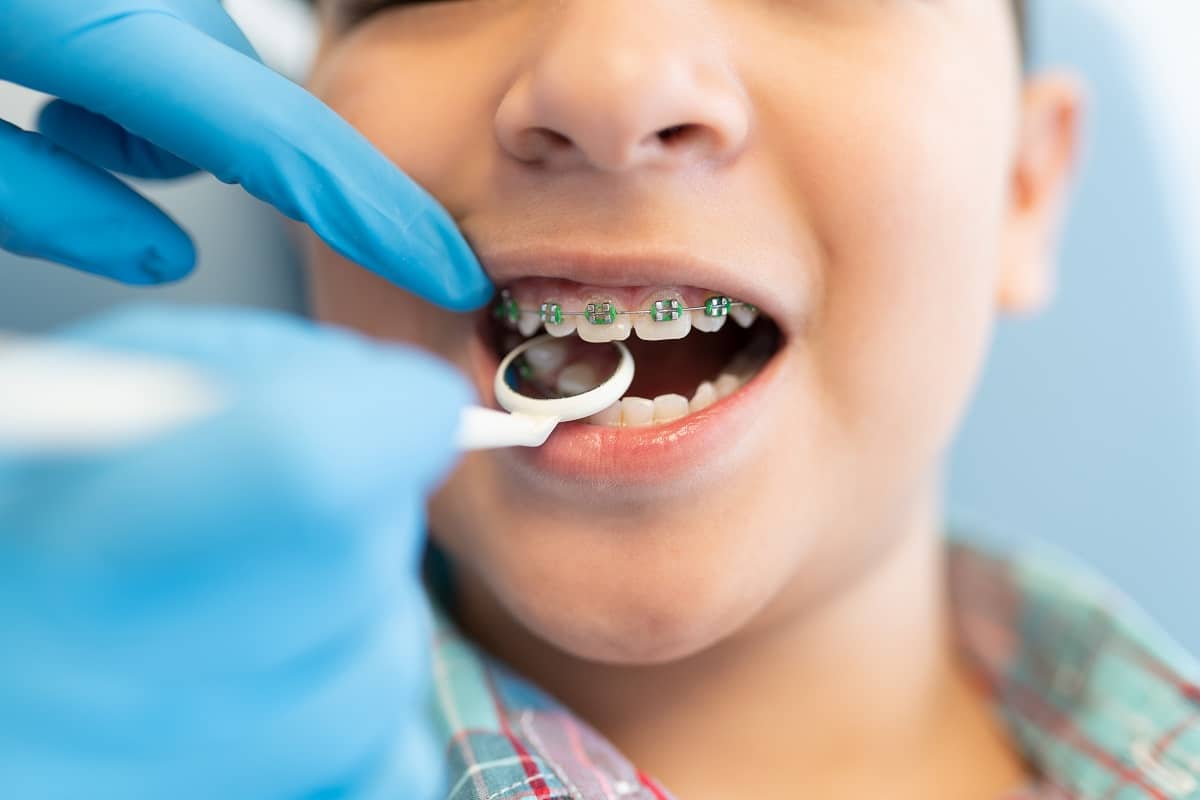
Most patients in Maspeth do not think much about their braces until something starts to feel uncomfortable during normal daily activities. What seems like a small annoyance can quickly turn into a delay in treatment if it is ignored for too long. The tricky part is that not every issue feels urgent at first.

At Khan Orthodontic Group, care is led by Dr. Sabeeh Khan and Dr. Azita Khan, who focus on practical, patient-centered orthodontics. Their approach combines clinical precision with clear communication, so patients know exactly when something is minor and when it needs attention. If something doesn’t feel right with your braces, it’s always better to check early. Contact us to get clear answers and timely care before a small issue turns into a bigger one.

When something feels off, it usually is

One of the most common patterns we see is patients waiting. A wire feels slightly off, a bracket seems loose, but it is not painful enough to act on immediately. Days pass, and suddenly, chewing becomes difficult, or irritation sets in.

Here is the reality. Braces do not fix themselves. Small issues tend to shift forces in unintended ways, which can slow or even reverse progress.

1. A sharp poking feeling that was not there before

A wire that starts poking your cheek or gums is one of the clearest signs something has changed.

Why does it happen in simple terms
As teeth move, the archwire shifts position. If it slides too far to one side or is not properly secured, the end can stick out.

What patients often do wrong
Ignoring it and hoping the irritation goes away
Constantly touching it with their tongue, which worsens soreness

What actually matters
If the irritation is consistent or causing sores, it is no longer minor. Temporary wax can help, but it does not solve the underlying shift.

2. A bracket that feels loose but is still attached

This one confuses a lot of patients. The bracket has not fallen off. It just moves slightly when touched.

Why it happens
The adhesive bond between the bracket and tooth weakens, often due to pressure from hard foods, accidental bites, or grinding habits.

What patients assume
If it is still there, it must be fine.

What is actually happening
That tooth is no longer being guided correctly. Over time, it can fall behind in alignment, which may extend treatment.

If you have searched for an orthodontist near you in Maspeth because something feels off but not painful, this is often the reason.

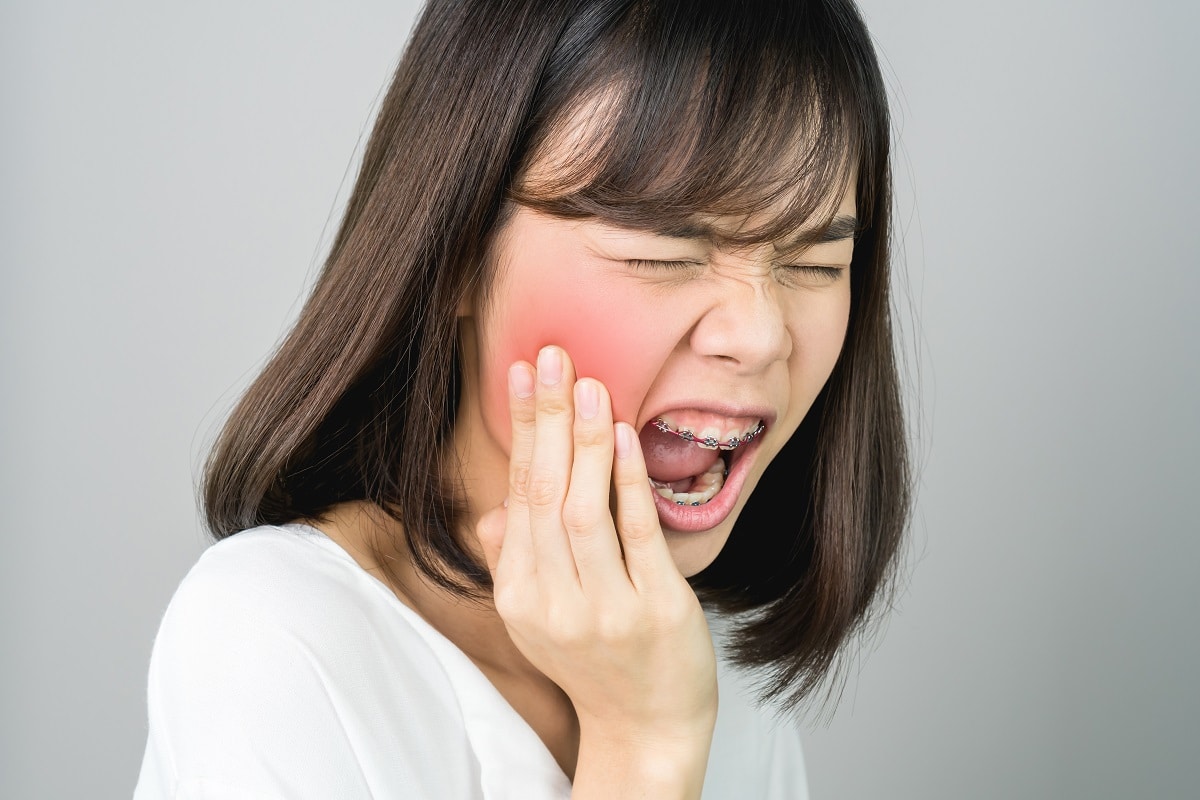
3. Sudden pain that feels different from normal adjustments

Not all discomfort is the same. There is a difference between expected soreness after an adjustment and pain that feels sharp, localized, or unusual.

What makes it a warning sign
Pain that starts suddenly without a recent appointment
Discomfort in just one tooth or area
Pain that gets worse instead of better

What could be happening
A wire may be applying uneven pressure, or a bracket may have shifted slightly, changing how force is distributed.

What we often see patients do
Wait it out for a week or more, assuming it is normal braces pain.

Sometimes it is. When it is not, waiting only makes the correction more complex.

4. Bands or wires that look out of place

Even if nothing hurts, visual changes matter.

Examples to watch for
A wire no longer centered across your teeth
A band that looks tilted or partially detached
Gaps appearing where everything was previously aligned

Why this matters more than it seems
Orthodontic treatment relies on controlled, consistent force. Even a small shift can change the direction of tooth movement.

Patients often notice this while brushing or flossing, then ignore it because there is no discomfort. That is a missed opportunity to catch the issue early.

5. Eating suddenly feels different or difficult

One of the most overlooked warning signs is a change in how your bite feels during meals.

What patients usually say
I cannot chew evenly anymore
Something feels off when I bite down

Why this happens
If a bracket loosens or a wire shifts, the balance of forces changes. Your teeth may no longer meet the way they did before.

Common mistake
Switching to softer foods and adapting instead of figuring out the cause.

If eating feels different for more than a couple of days, it is worth checking. Many patients who search for a local orthodontist at this stage are already dealing with a more progressed issue.

The habit of waiting slows progress

A recurring pattern we see in Maspeth patients is hesitation. Not because they do not care, but because they are unsure what counts as serious.

A simple way to think about it:

Minor issues improve quickly and do not change how things look or feel
Situations to monitor feel slightly off but are not getting worse
Situations to act on include ongoing irritation, visible damage, or bite changes

Most issues do not stay in the middle category for long.

What you can do right now without making it worse

Before your appointment, a few temporary steps can help if used correctly:

Use orthodontic wax to reduce irritation, not to fix the problem
Avoid hard and sticky foods to prevent further damage
Do not try to adjust wires yourself, as this often creates bigger issues

We have seen many cases where small home fixes made the situation more complicated.

When it is time to get it checked

If you are noticing any of these signs, the goal is not to panic. It is to act early. Most braces issues are quick to fix when caught in time.

At Khan Orthodontic Group, we focus on timely evaluations so small problems do not turn into bigger setbacks. Whether you need a quick adjustment or just reassurance, getting clarity makes a difference. If you are experiencing any discomfort or if something does not feel right, we encourage you to visit our Maspeth office so our team can take a closer look and help you stay on track with your treatment.

Final thoughts

Braces are designed to move teeth with precision, but that depends on everything working as intended. When something changes, even slightly, it is worth paying attention. We encourage patients to trust what they are feeling and noticing. If something does not seem right, addressing it early helps keep treatment smooth, predictable, and on track toward the results we are working together to achieve.

FAQs Maspeth patients often ask

1. How do I know if my braces problem is urgent?
If it is causing ongoing pain, visible damage, or affecting how you eat or speak, it should be checked soon.

2. Can a loose bracket fix itself over time?
No. Once the bond weakens, it will not reattach on its own.

3. Is it okay to wait until my next appointment?
Only if the issue is minor and improving. If not, it is better to come in sooner.

4. What happens if I ignore a poking wire?
It can cause sores, irritation, and sometimes infection if left untreated.

5. Why does my bite suddenly feel different?
A shifted wire or loose bracket may be changing how your teeth come together.

6. Can I keep eating normally with a small issue?
It is better to avoid foods that could make the problem worse.

7. Do all braces problems need the same-day care?
Not all, but many benefit from early attention.

8. Can small issues really delay treatment?
Yes. Even minor disruptions can affect how teeth move over time.

How to Know If Your Bite Is Off and When to See an Orthodontist

bite problems when to see an orthodontist in merrick

In Merrick and nearby areas like Bellmore and Freeport, many patients come in thinking their teeth look “fine,” but something doesn’t feel quite right when they bite down. It’s rarely a sharp pain that triggers concern. More often, it’s a subtle shift in how the teeth meet, slight jaw tension, or uneven pressure while chewing. These small changes are easy to ignore until they begin affecting daily comfort or long-term oral health.

If you’ve been searching for a local orthodontist, chances are you’re already noticing something that feels off. The challenge is knowing whether it’s temporary or something that needs professional evaluation.

At Khan Orthodontic Group, Dr. Sabeeh Khan and Dr. Azita Khan focus on diagnosing bite and alignment issues with a function-first approach. Their evaluations go beyond straightening teeth, helping patients understand how bite mechanics affect long-term comfort, jaw health, and stability.

If you’ve been noticing changes in how your bite feels or want clarity on whether your alignment is shifting, now is the right time to get it checked. Schedule a consultation at our Merrick, NY office to receive a detailed evaluation and understand the most effective path forward for your smile and bite health.

When your bite feels “different” but you can’t explain why

One of the most common patient statements is, “My bite just feels off lately.” There’s no clear pain, but something has changed. This often points to minor tooth movement or shifting in how upper and lower teeth come together.

Clinically, this can happen due to:

  • Gradual crowding over time
  • Teeth drifting after previous orthodontic treatment
  • Changes in bone or gum support
  • Nighttime grinding alters tooth surfaces

What makes this tricky is that the change is subtle. Patients adapt quickly, which delays action. By the time it becomes noticeable daily, the imbalance is usually more established.

Uneven pressure when chewing is not normal

A balanced bite distributes force evenly across teeth. If you consistently feel that one side is doing more work, or certain teeth are hitting first, that’s a functional red flag.

Patients often describe this as:

  • “I chew mostly on one side without realizing”
  • “One tooth feels like it’s taking all the pressure”
  • “Food doesn’t break down evenly”

This isn’t just discomfort. Over time, uneven force can lead to:

  • Premature enamel wear
  • Increased risk of cracks or fractures
  • Gum stress around overloaded teeth

These cases are frequently overlooked until visible damage appears.

Jaw tension, clicking, or fatigue after normal use

A misaligned bite doesn’t just affect teeth. It changes how the jaw joints function. When teeth don’t align properly, the jaw compensates, often leading to muscle strain or joint stress.

Early signs patients report:

  • Jaw tightness in the morning or after meals
  • Clicking or popping sounds when opening or closing
  • Fatigue while chewing foods that were previously easy

Many assume this is temporary or stress-related. In reality, it’s often the bite forcing the jaw into an unnatural position repeatedly.

Teeth that don’t touch evenly anymore

A healthy bite has consistent contact points. If you notice that:

  • Back teeth don’t touch when you bite down
  • Front teeth hit too early or too hard
  • There are small gaps when closing your mouth naturally

These are structural indicators that alignment has changed.

Interestingly, this is one of the most ignored signs because it’s not painful. Patients often only recognize it when eating becomes inefficient or uncomfortable.

Shifting teeth even after braces or aligners

A common misconception is that once orthodontic treatment is done, the results are permanent. In reality, teeth can shift throughout life, especially without proper retainer use.

In many adult patients, we see:

  • Mild relapse from previous orthodontic work
  • Crowding returning in lower front teeth
  • Bite changes due to shifting molars

If you previously had treatment and your bite feels different now, it’s not something to ignore. Early correction is significantly simpler than waiting until the shift becomes more pronounced.

Headaches or facial discomfort linked to bite imbalance

This is where many patients get misdiagnosed or delay care. Chronic headaches, especially around the temples, can sometimes be linked to bite issues rather than neurological causes.

Here’s what happens clinically:

  • Misalignment creates uneven muscle engagement
  • Jaw muscles overcompensate to stabilize the bite
  • This leads to tension that radiates to the head and face

Patients often go through multiple consultations before considering orthodontic evaluation. If headaches coincide with jaw discomfort or bite changes, it’s worth investigating.

Why delaying evaluation often makes things more complex

One consistent pattern we see is patients waiting until symptoms become disruptive. The issue with bite problems is that progression is gradual but cumulative.

Early-stage:

  • Minor imbalance
  • Occasional discomfort

Mid-stage:

  • Noticeable uneven wear
  • Jaw strain increases

Advanced-stage:

  • Structural changes in bite
  • Higher treatment complexity and duration

If you’re already noticing signs and searching for an orthodontist near Merrick, you’re in the ideal window to address the issue before it escalates.

Common patient mistakes that delay proper care

From a clinical perspective, a few patterns stand out:

  • Assuming no pain means no problem
  • Relying only on general dental checkups without bite analysis
  • Ignoring retainer use after previous treatment
  • Attributing jaw discomfort solely to stress

These assumptions often lead to delayed intervention, which increases both treatment complexity and cost.

When it’s time to get a professional opinion

You don’t need severe symptoms to justify an orthodontic evaluation. In fact, the most effective cases are those caught early.

You should consider an evaluation if:

  • Your bite feels different consistently
  • You notice uneven pressure or shifting
  • Jaw discomfort appears without clear cause
  • Teeth are no longer aligning as they used to

At Khan Orthodontic Group in Merrick, NY, evaluations are focused on identifying whether the issue is stable, progressing, or likely to worsen, so you can make an informed decision rather than waiting for symptoms to escalate. Patients from Merrick and nearby communities like Bellmore, Freeport, and Wantagh regularly visit for early bite assessments and personalized guidance.

If your bite doesn’t feel the way it used to, getting clarity early can prevent long-term complications. At Khan Orthodontic Group in Merrick, NY, Dr. Sabeeh Khan and Dr. Azita Khan provide detailed bite evaluations focused on function, comfort, and long-term stability. We welcome patients from Merrick and surrounding areas to visit our office and understand what’s changing and what your options are before the issue progresses.

Conclusion

Small changes in how our teeth meet are often easy to ignore, but they rarely stay the same. When we pay attention to early signs and act on them, we give ourselves more control over treatment outcomes and long-term comfort. Our goal should always be to address issues while they are still manageable, rather than waiting until they become complex.

Frequently Asked Questions

1. How can I tell if my bite is misaligned without pain?
Look for functional changes like uneven chewing, teeth hitting differently, or jaw fatigue. Pain is not always present in early stages.

2. Why does my bite feel different suddenly?
It can be due to gradual tooth movement, grinding, or minor structural shifts that become noticeable over time.

3. Can a bad bite affect my jaw long-term?
Yes. Misalignment can strain jaw joints and muscles, potentially leading to chronic discomfort or joint issues.

4. Is it normal for teeth to not touch evenly?
No. Uneven contact usually indicates a bite imbalance that should be evaluated.

5. Do bite problems get worse over time?
In most cases, yes. Without intervention, small imbalances often progress into more complex issues.

6. Should I see a dentist or orthodontist for bite concerns?
Dentists can identify general issues, but orthodontists specialize in correcting alignment and bite mechanics.

7. Can bite issues cause headaches?
Yes. Muscle strain from misalignment can contribute to tension headaches in some patients.

8. Is it too late to fix my bite as an adult?
No. Orthodontic treatment is effective at any age, though complexity may vary.

What Changes After Getting Braces? A Guide to Daily Life Adjustments

orthodontist-maspeth-guides-on-braces-impact-on-everyday-activities

Life in neighborhoods like Maspeth, Merrick, and Jericho moves fast—between school, work, social plans, and everything in between. So when you get braces, it’s natural to wonder how much your daily routine will change. Will eating feel different? Will talking be affected? And yes…what about more personal moments like kissing?

At Khan Orthodontic Group, patients often share these concerns during their first few visits. Dr. Sabeeh Khan and Dr. Azita Naghavi Khan regularly guide individuals through these transitions, helping them feel prepared, not overwhelmed. The truth is, braces do bring adjustments, but most are simple, manageable, and temporary. Understanding what to expect can make the experience smoother and far less stressful. If you’re about to begin treatment or have recently started, this guide will walk you through what really changes and how to adapt with confidence.

The First Few Days: What Feels Different

The initial adjustment period is when most people notice changes.

You may experience:

  • Mild soreness or pressure on teeth
  • Sensitivity when chewing
  • Increased awareness of brackets and wires

This typically lasts a few days after placement or adjustments. Soft foods, staying hydrated, and following your orthodontist’s guidance can help ease the transition.

Eating with Braces: Small Changes, Big Impact

One of the most noticeable shifts is how you eat.

Crunchy, sticky, or hard foods can damage brackets or wires, so your diet may need slight modification. Think softer textures, pasta, yogurt, eggs, cooked vegetables, especially early on.

Over time, you’ll naturally learn how to eat comfortably without even thinking about it. Many patients who visit for orthodontic care in Maspeth mention that after a few weeks, eating feels almost normal again.

Speaking and Social Interactions

Braces can slightly affect speech at first, especially with certain sounds like “s” or “sh.” This is temporary and usually resolves quickly as your mouth adapts.

A helpful tip: reading out loud or having regular conversations helps your tongue adjust faster.

If you’re visiting a Maspeth orthodontic office for braces, your provider will often share simple exercises to help you adapt more quickly.

Oral Hygiene Becomes More Intentional

Braces create small spaces where food particles can get trapped, which means oral hygiene becomes more detailed.

Daily habits should include:

  • Brushing after meals
  • Flossing with orthodontic tools
  • Rinsing to remove debris

While it may take a little extra time, many patients find that this routine becomes second nature.

Kissing with Braces: What to Expect

Does “kissing with braces” feel different?

Yes, but not in the way most people fear.

Kissing with braces is completely possible, but it may require a bit more awareness, especially at first. The main adjustment is being gentle and mindful of the brackets and wires.

Here’s what typically changes:

  • You may be more cautious initially
  • You’ll rely more on natural, relaxed movements
  • Awareness replaces hesitation over time

There’s no need to avoid intimacy—just approach it with patience. Most people adjust quickly and stop thinking about their braces altogether.

Do Braces Affect Everyday Activities Like Eating, Talking, and Kissing?

Yes, braces can temporarily affect everyday activities such as eating, speaking, and kissing.
You may need to adjust your diet, take extra care with oral hygiene, and be slightly more mindful during close interactions. However, these changes are short-term, and most people adapt within a few weeks as their mouth becomes accustomed to the braces.

Physical Activities and Lifestyle

If you’re active in sports or fitness, braces won’t stop you, but protection matters.

  • Use a mouthguard during contact sports
  • Stay hydrated to prevent dryness
  • Avoid habits like chewing on pens or ice

These small precautions help protect both your braces and your teeth.

Emotional and Confidence Shifts

Adjusting to braces isn’t just physical; it’s emotional, too.

It’s common to feel:

  • Self-aware in social settings
  • Slightly hesitant in new situations
  • More conscious of your appearance

These feelings are normal and usually fade as you grow more comfortable. Many patients report that after a few weeks, their confidence returns naturally.

Long-Term Perspective: Why It’s Worth It

Braces are temporary, but the results last for years.

Every adjustment you make, whether it’s how you eat, speak, or interact, is part of a process that improves alignment, function, and overall oral health.

Focusing on the long-term outcome can make daily changes feel more purposeful and less inconvenient.

Tips to Adjust Faster

Want to make the transition easier? Keep these in mind:

  • Stick to soft foods during soreness
  • Maintain consistent oral hygiene habits
  • Use orthodontic wax if needed
  • Stay patient with yourself during the adjustment period
  • Keep up with regular appointments

Small habits lead to a smoother experience.

Final Thoughts: Adjusting with Confidence

Braces do change certain everyday activities—but not in a way that should hold you back. With a little patience and awareness, most adjustments become effortless.

If you have questions about starting treatment or adapting to life with braces, our team at Khan Orthodontic Group is here to help. Patients can reach out or visit any of our practice’s locations in Jericho, NY, Merrick, NY, or Maspeth, NY to learn more and take the next step forward.

FAQ: Braces and Everyday Life

Do braces permanently change how I eat?

No. Food restrictions are temporary. Once treatment is complete, you can return to your normal diet.

How long does it take to get used to braces?

Most people adjust within 1–2 weeks, though minor sensitivity can occur after adjustments.

Will people notice my braces when I talk?

They may at first, but it quickly becomes less noticeable, especially as your confidence grows.

Is kissing uncomfortable with braces?

It can feel different initially, but with gentle movements and time, it becomes completely natural.

Can I live normally with braces?

Yes. Braces require small adjustments, but they don’t prevent you from enjoying daily life.

Early Orthodontic Treatment for Kids During National Children’s Dental Health Month

Early orthodontic treatment kids guide by orthodontist near merrick

Children’s developing smiles can reveal early signs of jaw growth concerns, crowding, and bite irregularities long before all permanent teeth appear. Subtle indicators such as uneven bites, mouth breathing, or early tooth loss may signal the need for professional evaluation. In this blog, you’ll learn what these signs mean, when parents should consider an assessment, and why timely visits with an orthodontist in Merrick can play a key role in guiding healthy dental development.

Most parents focus on brushing habits and cavity prevention when thinking about their child’s oral health. But alignment and jaw growth are just as important. A child’s smile can act like a roadmap, showing how their teeth and facial structure are developing over time.

If you’ve ever noticed your child’s teeth looking crowded, protruding, or not meeting evenly, you may have wondered whether it’s normal or something that needs attention. While some growth patterns correct naturally, others benefit from early guidance. Recognizing these signs early can help prevent more complex concerns later and support confident, healthy smiles as children grow.

Ready to Support Your Child’s Smile Development?

Thank you for taking the time to learn how early evaluation can make a meaningful difference in your child’s oral health journey. Monitoring small developmental changes today can help avoid bigger challenges tomorrow.

At Khan Orthodontic Group, our dentists — Dr. Azita Naghavi Khan and Dr. Sabeeh Khan — provide personalized assessments and growth-focused care designed specifically for children. If you’ve noticed changes in your child’s bite or simply want reassurance about their development, scheduling a consultation is the next step toward clarity and confidence.

Why Timing Matters for Growing Smiles

Childhood is the only period when dental and jaw structures are still forming. During these years, guidance techniques can influence growth direction, spacing, and facial symmetry. According to the American Association of Orthodontists, children should receive their first orthodontic screening by age 7. This doesn’t mean treatment always begins then—it simply allows specialists to detect developing issues early.

Early evaluation can help identify:

  • Jaw size discrepancies

  • Crossbites and underbites

  • Severe crowding or spacing

  • Protruding front teeth

  • Harmful oral habits like thumb sucking

Detecting these concerns early often reduces the need for more complex correction later.

Signs Your Child May Benefit From Early Assessment

Parents are often the first to notice subtle changes. Consider scheduling an evaluation if your child shows:

  • Difficulty biting or chewing

  • Teeth that meet unevenly

  • Frequent cheek biting

  • Early or late loss of baby teeth

  • Speech difficulties

  • Mouth breathing

These symptoms don’t always require immediate intervention, but they can signal developmental patterns worth monitoring.

Understanding Growth-Phase Smile Guidance

Children’s care is typically divided into two stages:

Phase One: Developmental Guidance

This stage focuses on directing jaw growth and creating space for permanent teeth. Appliances may be removable or fixed and are designed to work with natural growth patterns rather than against them.

Phase Two: Alignment Refinement

Once most permanent teeth erupt, a second stage may fine-tune positioning for optimal function and appearance.

Midway through this process, your provider may recommend early orthodontic treatment if they determine that growth modification or space management would prevent complications later. This proactive approach can shorten total care time and improve long-term stability.

Benefits of Addressing Concerns Early

Parents often ask whether waiting until adolescence is simpler. In some mild cases, monitoring is appropriate. However, timely intervention offers distinct advantages:

  • Guides jaw growth for better facial balance

  • Reduces the risk of impacted teeth

  • Lowers the likelihood of extractions

  • Improves speech and chewing efficiency

  • Protects protruding teeth from injury

  • Simplifies later alignment phases

In many cases, early care transforms complex problems into manageable ones.

Common Myths Parents Should Know

Myth 1: Baby teeth don’t matter.
They actually serve as placeholders for permanent teeth. Losing them too soon can lead to crowding or misalignment.

Myth 2: Kids must have all adult teeth before evaluation.
Growth monitoring should start years earlier so specialists can track development.

Myth 3: Treatment always means braces right away.
Many children only need observation visits until the ideal timing for intervention.

What Happens During a Child’s First Orthodontic Visit?

Initial visits are designed to be simple and stress-free. Typically, they include:

  • Visual examination of teeth and jaw

  • Digital imaging or X-rays if needed

  • Bite analysis

  • Growth assessment

  • Parent consultation

The goal is education, not immediate procedures. Parents leave with a clear understanding of their child’s development and whether monitoring or action is recommended.

Local Considerations for Merrick Families

Children in Merrick often participate in sports, music, and academic activities that can affect oral habits and jaw development. For example:

  • Mouthguards may be recommended for young athletes.

  • Wind instrument players may benefit from alignment guidance.

  • Busy school schedules make shorter, preventive care plans appealing.

Local providers understand these lifestyle factors and tailor recommendations accordingly.

Practical Tips for Parents

You can support your child’s smile development at home by:

  • Encouraging consistent brushing and flossing habits

  • Monitoring thumb sucking beyond age 4

  • Offering balanced nutrition rich in calcium and vitamin D

  • Scheduling regular dental checkups

  • Observing changes in bite or speech

Small daily habits often influence long-term oral development more than parents realize.

Conclusion

Thank you for taking the time to learn about the importance of timely smile evaluations for children. Understanding growth patterns early allows families to prevent complications, reduce treatment intensity, and support healthy development.

If you have concerns about your child’s bite, spacing, or jaw growth, visit the team at Khan Orthodontic Group in Merrick. We are here and ready to help. Contact the practice today to schedule a consultation and receive personalized guidance tailored to your child’s needs.

FAQs

When should my child have their first orthodontic evaluation?
Most experts recommend screening by age 7 to assess growth patterns and detect potential concerns.

Does every child need braces early?
No. Many children only require monitoring until the ideal treatment window.

Are early appliances uncomfortable?
Modern devices are designed for comfort and are typically well tolerated by children.

Can early care prevent tooth extractions later?
In some cases, guiding jaw growth creates space and reduces the need for removals.

How long does Phase One usually last?
It varies but typically ranges from 9 to 18 months, depending on developmental needs.

Will insurance cover children’s orthodontic care?
Many plans offer partial coverage; your provider can review benefits and financing options.

Braces-Safe Drinks for Teens in Jericho, Maspeth, and Merrick

juice and lemonade with braces teen guide by orthodontist in merrick maspeth jericho

Quick Summary for Teens and Parents

Teens with braces don’t have to give up every favorite drink—but smart choices matter. This guide explains which beverages are safer during orthodontic treatment, how juice and lemonade affect teeth, and what families in Jericho, Maspeth, and Merrick should know to avoid stains, enamel damage, and unnecessary setbacks. You’ll also find expert-backed tips and clear answers to common questions parents ask every day.

Why Beverage Choices Matter During Braces Treatment

For teens undergoing orthodontic care, brackets and wires create additional spaces where sugar and acids can linger. Over time, this increases the risk of enamel weakening and white spot formation—issues that often appear once braces are removed. Beverage habits play a significant role in preventing these concerns.

Dental alignment providers routinely advise families to focus not only on brushing and flossing, but also on what teens are drinking throughout the day—especially at school, after sports, or during long commutes around Nassau County and Queens.

What Can You Drink With Braces on a Daily Basis?

One of the most common questions parents ask is, what can I drink with braces that won’t cause harm. The safest orthodontist-approved everyday options include:

  • Plain water (still or lightly infused)

  • Low-fat or lactose-free milk

  • Unsweetened herbal teas served cool

  • Occasional diluted fruit juice

Water remains the best choice, particularly for teens juggling classes, extracurriculars, and travel between Jericho, Maspeth, and Merrick.

Juice and Braces: What Families Should Know

Juice is often seen as a healthier alternative to soda, which leads many parents to ask, can I drink juice with braces or can I have juice with braces regularly. The answer depends on how often and how it’s consumed.

Apple juice and orange juice, while popular among teens, are naturally acidic and contain sugars that feed harmful oral bacteria. This is why families frequently ask whether they can have apple juice with braces or if they can drink apple juice with braces without causing damage. Others wonder if they can drink orange juice with braces during the school week.

According to expect orthodontists, juice doesn’t need to be eliminated entirely. When teens drink apple juice with braces occasionally, pair it with meals, dilute it with water, and rinse afterward, the risk to enamel is significantly reduced. The concern arises when juice is sipped slowly throughout the day, allowing acids to stay in contact with teeth and brackets for extended periods.

Lemonade and Citrus Drinks: Use With Caution

Another common concern parents raise is, can you have lemonade with braces. Lemonade is highly acidic, which can soften enamel quickly—especially around brackets and bands.

If teens choose lemonade during warmer months in Merrick or after activities in Maspeth, dental professionals recommend limiting intake, using a straw when possible, and rinsing with water afterward. These small steps help minimize acid exposure without requiring complete avoidance.

Practical Tips for Teens With Braces

To protect teeth throughout treatment, families can encourage these habits:

  • Carry a refillable water bottle to school

  • Save juice or lemonade for mealtimes

  • Avoid sports drinks unless medically necessary

  • Rinse with water after acidic beverages

  • Maintain consistent oral hygiene routines

These strategies are especially helpful for teens balancing busy school schedules and after-school activities across Long Island.

Trusted Local Guidance Makes a Difference

At Khan Orthodontic Group, care is guided by Dr. Sabeeh Khan and Dr. Azita Khan, who regularly educate families on how everyday choices—like beverage selection—can impact long-term results. Their approach focuses on prevention, comfort, and helping teens complete treatment with strong, healthy enamel.

With offices conveniently located in Jericho, Maspeth, and Merrick, families have access to experienced orthodontic care close to home.

Final Thoughts for Local Families

Braces don’t mean giving up every favorite drink—but they do require awareness and balance. By choosing safer beverages most of the time and enjoying juice or lemonade thoughtfully, teens can protect their smiles and stay on track with treatment.

If you have questions about braces care or want personalized guidance for your teen, Khan Orthodontic Group welcomes families across Jericho, Maspeth, and Merrick.
Call today or schedule an appointment online to get expert support at every stage of treatment.

Braces-Safe Drink FAQs

Can teens drink juice with braces?
Yes, but only occasionally. Juice is best consumed with meals and followed by a water rinse.

Is apple juice safe with braces?
Apple juice can be enjoyed in moderation. Diluting it and avoiding frequent sipping helps protect enamel.

What’s the safest drink overall?
Water is the safest and most recommended beverage for teens wearing braces.

Struggling with an Open Bite? When to See an Orthodontist Near You

open bite when to see orthodontist near me in jericho

An open bite can be more than a cosmetic concern- it often affects how you eat, speak, and feel about your smile. If your front or back teeth don’t touch when your mouth is closed, you’re not alone. Many individuals in and around Jericho experience this issue without realizing that timely orthodontic care can prevent long-term complications. Understanding when to seek professional help can make a meaningful difference in both comfort and confidence.

What Is an Open Bite—and Why Does It Happen

An open bite occurs when certain teeth fail to meet properly, leaving visible gaps even when biting down. This can develop for several reasons, including prolonged thumb-sucking in childhood, tongue-thrusting habits, airway issues, or uneven jaw growth. In adults, untreated alignment concerns from earlier years often become more noticeable over time.

By the second or third paragraph, it’s worth noting that people searching for experienced orthodontic care in the Jericho area often report daily frustrations, difficulty chewing certain foods, unclear speech, or jaw strain, which prompt them to seek trusted local solutions rather than delaying treatment further.

Signs an Open Bite Needs Professional Attention

Some mild bite issues don’t immediately interfere with daily life. However, it’s time to consult a nearby orthodontic provider if you notice:

  • Trouble biting into foods like sandwiches or pizza

  • Lisping or changes in speech clarity

  • Jaw discomfort or uneven tooth wear

  • Gaps that affect smile balance or facial harmony

  • Increased self-consciousness when smiling or speaking

Left untreated, these concerns can contribute to enamel erosion, digestive issues from poor chewing, and ongoing jaw tension.

Why Early Evaluation Matters

Orthodontic specialists are trained to identify not just visible gaps, but the underlying cause of the bite imbalance. Early assessment often yields simpler and more predictable outcomes. According to data published by the American Association of Orthodontists, addressing bite discrepancies sooner can reduce treatment time and lower the risk of future dental complications.

For families and adults in Jericho seeking care close to home, local orthodontic evaluations also allow for consistent follow-ups, an important factor for successful results.

When Should You See an Orthodontic Professional for an Open Bite?

You should consider an orthodontic evaluation if your teeth don’t touch when biting down, if chewing feels inefficient, or if speech changes are noticeable. Persistent jaw discomfort or visible gaps are also signs that professional orthodontic care may be beneficial.

Treatment Options for Open Bite Concerns

Modern orthodontics offers multiple solutions depending on age, severity, and lifestyle:

  • Clear aligner systems for discreet correction

  • Braces are designed to guide teeth and jaw alignment precisely

  • Habit-correction approaches to address tongue positioning or muscle patterns

  • Collaborative care with dental or airway specialists when needed

Advancements in digital imaging and treatment planning allow orthodontic teams to map out efficient, customized care plans with predictable outcomes.

What to Expect During Your First Visit

During an initial consultation, the orthodontic team will evaluate bite function, jaw alignment, and facial balance. Diagnostic images help determine whether the issue stems from tooth position, jaw structure, or both. Patients often appreciate having a clear explanation of options, timelines, and expected improvements, especially when treatment is tailored to real-life concerns like work schedules or school commitments.

Practical Tips While You’re Deciding

If you suspect an open bite but haven’t scheduled a visit yet:

  • Avoid habits that place pressure on teeth or jaws

  • Practice mindful tongue positioning when swallowing

  • Choose foods that don’t strain your bite

  • Document any jaw discomfort or speech changes to discuss during your visit

These steps won’t replace treatment, but they can help minimize discomfort while you explore professional care.

Why Local Orthodontic Care Makes a Difference

Choosing an orthodontic provider near Jericho offers convenience, continuity, and a better understanding of community needs. Regular appointments are easier to maintain, and care feels more personalized when your provider understands local lifestyles and expectations.

Take the Next Step Toward a Healthier Bite

If an open bite is affecting your daily life, now is the right time to explore your options. Visit our team at Khan Orthodontic Group in Jericho,  where orthodontists are committed to providing thoughtful, patient-centered orthodontic care using modern techniques and proven expertise. Schedule a consultation today to learn how correcting your bite can improve comfort, function, and confidence.

Why Braces Tightening Causes Discomfort and How to Ease It

braces tightening pain relief by orthodontist merrick

Teeth often feel sore after an orthodontic adjustment because the steady pressure activates bone remodeling around the roots. This process allows the teeth to shift into better alignment. The tenderness usually lasts 24–72 hours and can be eased with soft foods, cool compresses, and over-the-counter comfort aids.

Understanding Why Tightening Causes Soreness

If you’ve recently had an adjustment and felt tenderness when biting down or brushing, you’re not alone. Many local patients experience this temporary discomfort during their orthodontic journey. Each adjustment by trained orthodontists activates gentle pressure that helps guide your smile into proper alignment. Though the sensation may be new or surprising, it’s a normal part of how the treatment works—and it’s your sign that progress is happening.

Orthodontic wires and brackets apply controlled force, prompting the bone around each tooth to remodel. This remodeling lets the teeth gradually move into healthier positions. While the process is safe and carefully monitored, the periodontal ligament reacts to the pressure, leading to mild inflammation. That’s where the soreness comes from.

How Long Does the Discomfort Last?

Most people feel the tightest pressure within the first 12–24 hours. By day two, the sensation usually becomes duller, and by day three, most of the tenderness fades. Some may feel slight sensitivity for a bit longer, depending on their bite, tooth structure, or stage of treatment.

If discomfort persists more than a week or becomes sharp or localized, you should reach out to your orthodontic provider for an evaluation.

Common Reasons You May Feel Discomfort After Tightening

1. Fresh Activation of Wires

Each adjustment resets the force needed for movement. That early pressure is what triggers the sensation.

2. Bite Shifts

As the teeth move, your bite may feel slightly different. This new position can make chewing feel odd for a day or two.

3. Sensitivity in the Gum Tissues

Your gums also respond to the adjustments. Mild swelling or tenderness is normal, especially in the early stages.

4. Bracket or Wire Irritation

Occasionally, the wire may feel closer to the cheeks or lips after adjustments. Orthodontic wax usually solves this quickly.

Effective Ways to Soothe Post-Adjustment Soreness

Choose Soft Foods for 1–2 Days

Think soups, pasta, yogurt, mashed potatoes, smoothies, or scrambled eggs. Avoid biting into firm items like apples or crusty bread until the tenderness eases.

Use Cool Compresses

Applying a cold pack on the outside of your cheek can help calm inflammation and reduce pressure sensations.

Stay Hydrated

Dry oral tissues are more sensitive. Drinking plenty of water helps keep the mouth comfortable.

Rinse with Warm Salt Water

A mild rinse can soothe irritated gums and support oral healing. Mix ½ teaspoon of salt in a cup of warm water and swish gently.

Consider OTC Relief (When Appropriate)

Many patients find short-term relief with over-the-counter comfort aids. Always follow proper dosage guidelines.

Use Orthodontic Wax

If any part of the hardware feels rough after the appointment, wax creates a smooth barrier.

Stick to Your Home-Care Routine

Brushing and flossing may feel trickier during the first day, but avoiding plaque buildup can help prevent additional irritation.

When Should You Contact Your Orthodontic Team?

Reach out promptly if you experience:

  • Pain lasting longer than 5–7 days

  • A wire poking the cheek or gums

  • A loose bracket

  • Swelling that increases instead of improving

  • Headaches or jaw discomfort that feels unusual

Your care team can easily make adjustments or offer additional comfort solutions.

How Local Orthodontic Experts Support Your Comfort

Modern orthodontic care is designed with patient comfort in mind. From lighter wires to digitally guided treatment planning, today’s adjustments are far gentler than what many remember from years ago. Local families often notice that each visit becomes easier as they get used to the routine.

At Khan Orthodontic Group, each adjustment is customized with your bite, progress, and comfort in mind. Your orthodontist evaluates how your teeth are responding and tailors each step to ensure healthy, steady movement.

Ready for a More Comfortable Orthodontic Experience?

If you’re feeling unsure about discomfort after an adjustment or want guidance for your next visit, the team at Khan Orthodontic Group is here to help. Reach out to schedule an appointment, ask questions, or plan your next check-in. Your comfort and your smile are always the priority.

How Poor Retainer Hygiene Can Lead to Bleeding Gums and Infection

retainer hygiene and gum health tips by orthodontist in jericho

What happens if you don’t clean your retainer properly?

A poorly cleaned retainer can trap bacteria, plaque, and food debris. This buildup irritates gum tissue, causing bleeding, swelling, bad breath, and increasing the risk of infection. Daily cleaning and regular checks from an orthodontic specialist help keep your mouth healthy.

How Poor Retainer Hygiene Can Lead to Bleeding Gums and Infection

Wearing a retainer is one of the most important parts of keeping your smile aligned after orthodontic treatment. But when it isn’t cleaned properly, it can quickly become a breeding ground for bacteria. Many patients don’t realize that gum bleeding and discomfort often start with something as simple as improper retainer care. If you’ve noticed tenderness or irritation around your gums, it may be time to take a closer look at your cleaning routine—and reach out to a trusted orthodontic professional in the Jericho area for guidance.

Why Retainer Hygiene Matters More Than You Think

Retainers sit directly against your teeth and gums for many hours at a time. Even with normal use, they accumulate plaque, biofilm, and bacteria. Without proper cleaning, this buildup hardens and transfers onto your gums, triggering inflammation.

Patients often assume retainers stay clean simply because they appear clear or aren’t worn during meals. In reality, bacteria multiply quickly on any oral appliance. This makes hygiene just as important as brushing and flossing.

Signs Your Retainer Is Causing Gum Issues

Poor hygiene can show up in several ways. Common symptoms include:

  • Bleeding when brushing or rinsing

  • Soreness or redness along the gumline

  • Persistent bad breath

  • A “slimy” or cloudy coating on your retainer

  • Irritation around specific teeth where the retainer sits

  • Increased plaque buildup, even if you brush regularly

These symptoms are early warnings that bacteria have started to irritate your soft tissues. If ignored, they can progress into more serious gum concerns.

How Poor Retainer Hygiene Leads to Bleeding Gums

Bleeding gums often develop because:

1. Bacteria Accumulate on the Retainer Surface

A dirty retainer introduces bacteria back into your mouth every time you wear it. Over time, this causes gum irritation and inflammation.

2. Plaque Transfers to the Gumline

If plaque forms on the retainer, it spreads across your teeth and gums. The more plaque present, the more likely your gums become sensitive and prone to bleeding.

3. pH Changes Impact Your Gum Health

Research shows that bacterial buildup can change the acidity in the mouth, creating a more favorable environment for harmful bacteria.

4. Biofilm Triggers Inflammation

Biofilm is a sticky layer of bacteria that attaches to retainers. When it sits against your gums, it increases the risk of gingivitis and infection.

Can a Dirty Retainer Cause Infection? Absolutely.

An infected retainer or gum infection doesn’t happen overnight. It progresses gradually:

  • Bacteria build up on the retainer

  • Gums become inflamed

  • Bleeding begins

  • Irritation leads to small openings in the gum tissue

  • Bacteria enter these openings and cause infection

This can escalate into gingivitis, periodontal irritation, or even oral thrush if the retainer has yeast buildup. Cleaning your retainer consistently is one of the simplest ways to protect your oral health.

How to Keep Your Retainer Clean and Safe

To avoid bleeding gums and infection, follow these practical habits:

1. Clean Your Retainer Daily

Rinse it under lukewarm water, then gently brush it with a soft toothbrush. Avoid toothpaste, as it may scratch the surface.

2. Soak It Weekly

Use a retainer-safe cleaning solution to dissolve bacteria and stubborn buildup.

3. Keep the Case Clean

Your retainer case also collects bacteria. Wash and air-dry it regularly.

4. Avoid Hot Water

Heat can warp retainers, causing improper fit and gum irritation.

5. Brush and Floss Before Wearing Your Retainer

Putting a retainer on over plaque traps bacteria between the appliance and your teeth.

6. Schedule Periodic Retainer Checks

An orthodontic specialist can identify early gum concerns and confirm that your retainer still fits properly.

These steps help maintain a clean, comfortable, and healthy environment in your mouth.

When to See an Orthodontic Professional

If your gums bleed regularly or your retainer feels uncomfortable, contacting a local orthodontic provider is the safest next step. A trained orthodontic team familiar with the Jericho community can identify whether the issue stems from hygiene, fit problems, or an underlying gum concern.

Early evaluation helps prevent complications and protects the results of your orthodontic treatment.

Protect Your Smile With the Right Guidance

Keeping your retainer clean isn’t difficult—but it needs consistency. If you’re experiencing any gum discomfort, irritation, or concerns that your retainer might be contributing to your symptoms, the team at Khan Orthodontic Group is here to help. Their experience, patient-centered approach, and advanced care options make it easier to maintain a healthy smile long after treatment.

Ready to Improve Your Retainer Hygiene and Gum Health?

If you’re noticing bleeding gums or irritation, don’t wait. Book a visit with Khan Orthodontic Group today for a thorough evaluation and personalized retainer care guidance. Your long-term smile depends on it.

Are Teeth Gaps a Problem? Find Out When to Act

teeth spacing orthodontic treatment near jericho

Understanding Teeth Gaps and Why They Occur

Noticing extra space between your teeth? You’re not alone. Gaps—known in dentistry as diastema—can appear for many reasons. While some spacing is natural and harmless, others can signal bite problems or developmental issues that may need orthodontic care.

Common causes include:

  • Differences in tooth size or jaw structure

  • Missing or undersized teeth

  • Habits like thumb-sucking or tongue thrusting

  • Gum disease or bone loss

  • Genetics and family history

Knowing why the gap exists is the first step to deciding whether it needs treatment.

When Tooth Gaps Are Just Cosmetic

Small gaps between front teeth can be purely aesthetic. Some people even see them as part of their charm. If you’re not bothered by how it looks and it doesn’t affect your bite or speech, you might not need orthodontic treatment.

However, if gaps cause self-consciousness, modern orthodontic options—like clear aligners—can close the space discreetly and comfortably.

When Spacing Becomes a Dental Concern

While mild spacing may be harmless, larger or shifting gaps can lead to dental complications over time. Here’s when you should consider seeing an orthodontic specialist:

  • Difficulty Biting or Chewing – Uneven spacing may cause certain teeth to take more pressure, leading to wear or discomfort.

  • Speech Changes – Gaps can sometimes cause a lisp or affect pronunciation.

  • Food Trapping – Spaces between teeth can trap food, increasing the risk of decay and gum irritation.

  • Shifting Teeth – If you notice widening gaps, it may indicate bone loss or periodontal disease.

  • Jaw Pain or Misalignment – Irregular spacing may affect bite alignment, leading to tension in the jaw or headaches.

Ignoring these signs can allow minor issues to turn into bigger, more expensive problems later on.

How an Orthodontist Can Help

An orthodontic evaluation can identify whether spacing is cosmetic or functional. During your visit, your orthodontist may take X-rays and digital scans to understand your bite and tooth alignment.

Depending on the cause, treatment options may include:

  • Clear Aligners – Ideal for mild to moderate spacing, offering nearly invisible correction.

  • Braces – Effective for larger gaps or complex bite problems.

  • Dental Bonding or Veneers – Sometimes used alongside orthodontics for small cosmetic adjustments.

  • Retainers – To maintain your smile after treatment and prevent teeth from shifting again.

Early evaluation is key, especially for children. Detecting spacing or jaw growth issues at an early age can simplify future treatment.

When to Act

If you’ve noticed gaps widening, food consistently getting stuck, or changes in your bite, it’s time to schedule a consultation. Even if you’re unsure, a quick assessment can bring peace of mind and protect your smile’s long-term health.

Local orthodontic practices serving the Jericho community offer comprehensive evaluations to determine the best, most comfortable treatment plan for your needs.

Your Smile Deserves Expert Care

Living with gaps between your teeth can affect confidence, comfort, and even oral health—but the good news is, modern orthodontic treatments are more efficient and subtle than ever before.

If you’re ready to explore options for a healthier, more balanced smile, book a consultation with Khan Orthodontic Group today. Their experienced team provides personalized orthodontic care for children, teens, and adults throughout Jericho and nearby areas.

Understanding Common Orthodontic Issues: Overbite, Underbite, and Crowding Explained

common orthodontic issues in merrick jericho maspeth

Why Orthodontic Problems Matter

A confident smile does more than boost appearance—it plays a key role in oral health and comfort. When teeth or jaws don’t align properly, it can affect how you eat, speak, and even breathe. Conditions like overbite, underbite, and crowding are among the most common orthodontic concerns patients face today. Fortunately, modern orthodontic solutions make it easier than ever to correct these issues and restore both function and aesthetics.

What Causes Orthodontic Problems?

Misalignment can develop for various reasons, including genetics, childhood habits (like thumb-sucking or pacifier use), early or late loss of baby teeth, or injuries to the jaw. Understanding the root cause helps guide the right treatment plan, whether for teens or adults seeking to improve their bite and smile alignment.

Overbite: When the Upper Teeth Overlap Too Much

An overbite occurs when the upper front teeth extend significantly over the lower teeth.
Why it matters: Severe overbites can lead to uneven tooth wear, jaw discomfort, and even speech challenges.
Treatment options:

  • Clear aligners or braces gradually reposition the teeth for a balanced bite.

  • In more advanced cases, orthodontic appliances or bite correction procedures may be needed to improve jaw alignment.

Underbite: When the Lower Jaw Extends Forward

An underbite happens when the lower front teeth protrude past the upper front teeth.
Why it matters: It can cause chewing difficulties, jaw pain, and facial imbalance over time.
Treatment options:

  • Custom orthodontic devices can guide jaw growth in younger patients.

  • Aligners or braces help reposition the teeth for a healthier bite pattern.

  • Severe skeletal underbites might require orthognathic (jaw) surgery combined with orthodontic care.

Crowding: When There Isn’t Enough Room for Teeth

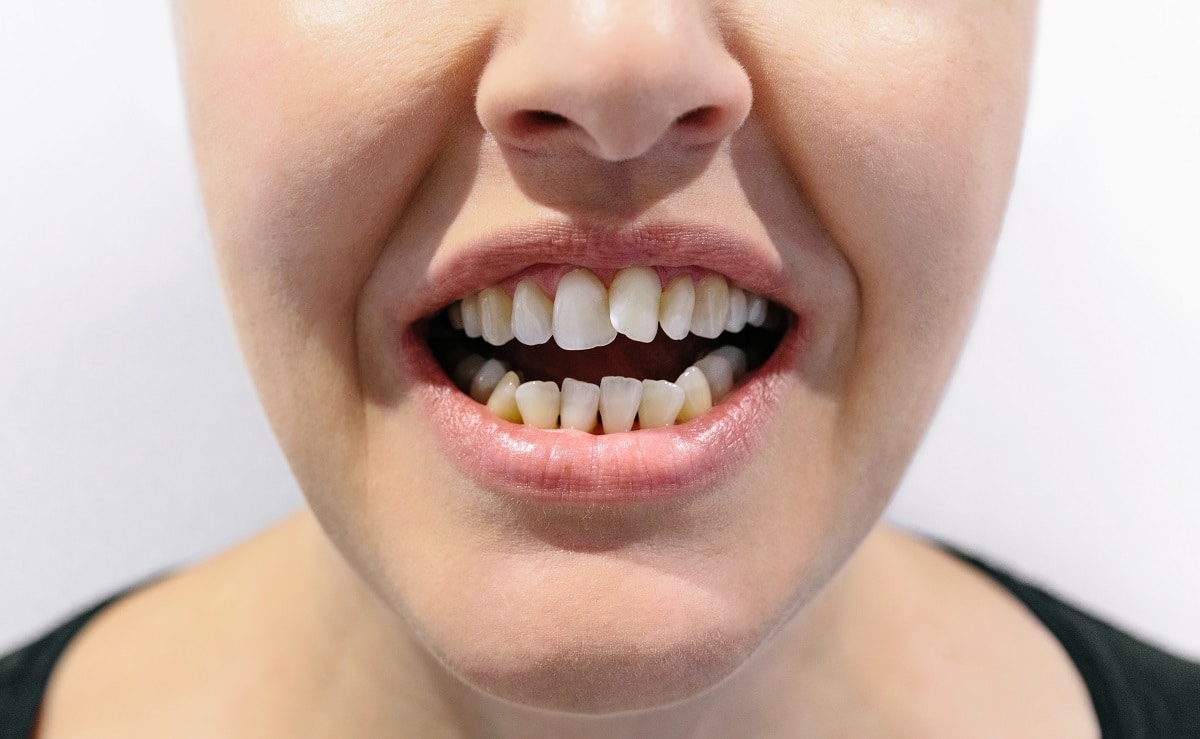
Crowding occurs when teeth overlap or twist because the jaw is too small to accommodate them all properly.
Why it matters: Crowded teeth are harder to clean, increasing the risk of decay and gum disease.
Treatment options:

  • Aligners or braces gently move teeth into proper alignment.

  • In some cases, tooth reshaping or limited extraction may be needed to create more space for alignment.

  • Retainers help maintain the results and prevent relapse after treatment.

What’s the best way to fix overbite, underbite, or crowding?

The right treatment depends on your age, bite severity, and oral health. Most patients benefit from orthodontic aligners or braces, which gradually shift teeth into proper alignment without surgery.

How Orthodontic Care Enhances Overall Health

Beyond aesthetics, correcting alignment helps reduce the risk of:

  • Tooth wear from uneven bite forces

  • Jaw discomfort or TMJ strain

  • Speech difficulties

  • Long-term gum problems from hard-to-clean areas

Straight teeth are easier to maintain, support healthier gums, and contribute to a balanced facial profile.

Modern Orthodontic Treatments: Comfort Meets Precision

Today’s orthodontic technology has come a long way from traditional metal braces. Many patients now choose:

  • Clear aligners for discreet, removable treatment

  • Self-ligating braces for faster adjustment visits

  • Digital scanning and 3D treatment planning for improved accuracy

These advancements make treatment more comfortable, efficient, and tailored to individual needs.

Why Choose Khan Orthodontic Group

Visit us at our dental clinics in Khan Orthodontic Group in Merrick, Jericho, and Maspeth, and get personalized orthodontic care that goes beyond straightening teeth. Our experienced team focuses on long-term function, comfort, and aesthetics using advanced treatment methods. Whether you’re dealing with an overbite, underbite, or crowding, we’ll create a plan that fits your goals and lifestyle.

Ready to Transform Your Smile?

If you’ve noticed bite misalignment or crowding, it’s never too late to explore your options. Schedule a consultation with Khan Orthodontic Group today and take the first step toward a healthier, more confident smile.

Schedule Your Free Smile Consult.

Orthodontic care for the whole family

EnglishEspañol