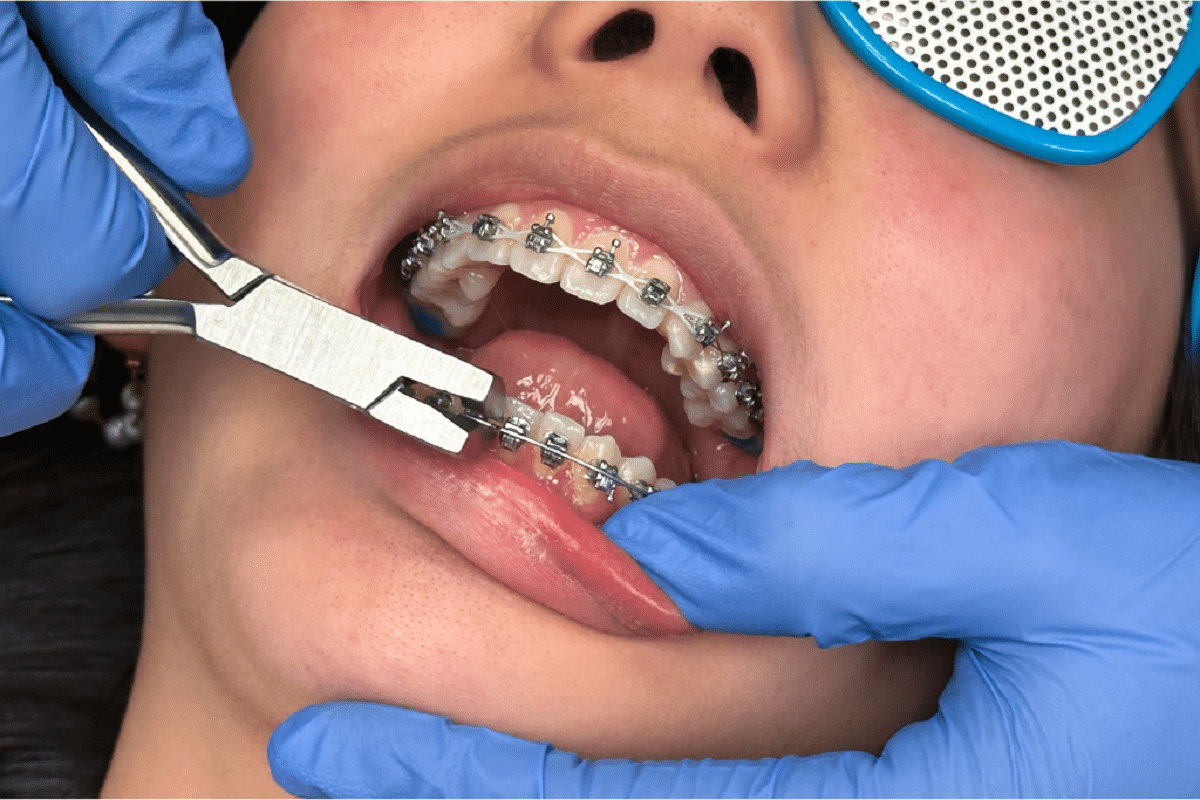
Teeth often feel sore after an orthodontic adjustment because the steady pressure activates bone remodeling around the roots. This process allows the teeth to shift into better alignment. The tenderness usually lasts 24–72 hours and can be eased with soft foods, cool compresses, and over-the-counter comfort aids.
Understanding Why Tightening Causes Soreness
If you’ve recently had an adjustment and felt tenderness when biting down or brushing, you’re not alone. Many local patients experience this temporary discomfort during their orthodontic journey. Each adjustment by trained orthodontists activates gentle pressure that helps guide your smile into proper alignment. Though the sensation may be new or surprising, it’s a normal part of how the treatment works—and it’s your sign that progress is happening.
Orthodontic wires and brackets apply controlled force, prompting the bone around each tooth to remodel. This remodeling lets the teeth gradually move into healthier positions. While the process is safe and carefully monitored, the periodontal ligament reacts to the pressure, leading to mild inflammation. That’s where the soreness comes from.
How Long Does the Discomfort Last?
Most people feel the tightest pressure within the first 12–24 hours. By day two, the sensation usually becomes duller, and by day three, most of the tenderness fades. Some may feel slight sensitivity for a bit longer, depending on their bite, tooth structure, or stage of treatment.
If discomfort persists more than a week or becomes sharp or localized, you should reach out to your orthodontic provider for an evaluation.
Common Reasons You May Feel Discomfort After Tightening
1. Fresh Activation of Wires
Each adjustment resets the force needed for movement. That early pressure is what triggers the sensation.
2. Bite Shifts
As the teeth move, your bite may feel slightly different. This new position can make chewing feel odd for a day or two.
3. Sensitivity in the Gum Tissues
Your gums also respond to the adjustments. Mild swelling or tenderness is normal, especially in the early stages.
4. Bracket or Wire Irritation
Occasionally, the wire may feel closer to the cheeks or lips after adjustments. Orthodontic wax usually solves this quickly.
Effective Ways to Soothe Post-Adjustment Soreness
Choose Soft Foods for 1–2 Days
Think soups, pasta, yogurt, mashed potatoes, smoothies, or scrambled eggs. Avoid biting into firm items like apples or crusty bread until the tenderness eases.
Use Cool Compresses
Applying a cold pack on the outside of your cheek can help calm inflammation and reduce pressure sensations.
Stay Hydrated
Dry oral tissues are more sensitive. Drinking plenty of water helps keep the mouth comfortable.
Rinse with Warm Salt Water
A mild rinse can soothe irritated gums and support oral healing. Mix ½ teaspoon of salt in a cup of warm water and swish gently.
Consider OTC Relief (When Appropriate)
Many patients find short-term relief with over-the-counter comfort aids. Always follow proper dosage guidelines.
Use Orthodontic Wax
If any part of the hardware feels rough after the appointment, wax creates a smooth barrier.
Stick to Your Home-Care Routine
Brushing and flossing may feel trickier during the first day, but avoiding plaque buildup can help prevent additional irritation.
When Should You Contact Your Orthodontic Team?
Reach out promptly if you experience:
-
Pain lasting longer than 5–7 days
-
A wire poking the cheek or gums
-
A loose bracket
-
Swelling that increases instead of improving
-
Headaches or jaw discomfort that feels unusual
Your care team can easily make adjustments or offer additional comfort solutions.
How Local Orthodontic Experts Support Your Comfort
Modern orthodontic care is designed with patient comfort in mind. From lighter wires to digitally guided treatment planning, today’s adjustments are far gentler than what many remember from years ago. Local families often notice that each visit becomes easier as they get used to the routine.
At Khan Orthodontic Group, each adjustment is customized with your bite, progress, and comfort in mind. Your orthodontist evaluates how your teeth are responding and tailors each step to ensure healthy, steady movement.
Ready for a More Comfortable Orthodontic Experience?
If you’re feeling unsure about discomfort after an adjustment or want guidance for your next visit, the team at Khan Orthodontic Group is here to help. Reach out to schedule an appointment, ask questions, or plan your next check-in. Your comfort and your smile are always the priority.