Call Today!    Merrick | Jericho | Maspeth

5 Signs It’s Time to See an Orthodontist Near You Right Now!

5 Signs It’s Time to See an Orthodontist Near You Right Now!

5 Signs It is Time to See an Orthodontist Near You
When it comes to maintaining your oral health, recognizing when to seek professional help is essential. If you’re experiencing any issues with your teeth or jaw alignment, visiting an orthodontist near you might be a crucial step toward a healthier smile. Whether you need braces, Invisalign, or another type of orthodontic treatment, recognizing the signs that you should seek help is crucial. Not sure if it’s time to make that appointment? Here are five clear indicators that it’s time to consult an orthodontist right now!

1. Your Teeth Are Crowded or Misaligned

One of the most apparent signs that you need to visit an orthodontist is the state of your teeth. Crowded or misaligned teeth not only impact your smile but also your oral health. Here are some specific issues to look for:

  • Overlapping Teeth: When teeth are too close together, it can be difficult to clean them properly, increasing the risk of cavities and gum disease.
  • Crooked Teeth: Teeth that are not aligned can detract from your smile and affect how you bite.
  • Gaps Between Teeth: Excessive spacing can lead to problems with chewing and jaw function.

If you notice these issues, an experienced orthodontist near you can help determine whether treatments like braces or Invisalign are appropriate to straighten your teeth and improve your oral health.

2. Difficulty Chewing or Speaking

Struggling to chew your food or having trouble speaking can be more than just minor annoyances; they might signal a need for orthodontic intervention. Misaligned teeth can interfere with proper jaw function, leading to:

  • Pain While Eating: Discomfort when biting or chewing can indicate that your teeth aren’t aligned correctly.
  • Speech Impediments: If your teeth or jaw are not properly aligned, it may affect your speech patterns.

If you’re experiencing any of these problems, it’s crucial to visit an orthodontist near you who can evaluate your situation and provide effective orthodontic treatment options to improve both chewing and speaking.

3. Frequent Jaw Pain or Headaches

If you regularly experience jaw pain or tension headaches, it may be time to consult an orthodontist. Misalignment in your teeth and jaw can lead to issues like:

  • TMJ Disorders: Problems with the temporomandibular joint (TMJ) can cause pain in your jaw and affect your ability to open and close your mouth comfortably.
  • Tension Headaches: If you’re frequently clenching your jaw or grinding your teeth, this can lead to headaches that may worsen over time.

Seeking help from an orthodontist near you can help identify any underlying issues and provide treatment options that could alleviate your discomfort.

4. Your Bite Feels Off

The way your teeth fit together, known as your bite, is essential for oral health. If you notice any issues with your bite, such as:

  • Overbite or Underbite: If your upper teeth overlap your lower teeth excessively, or vice versa, this misalignment can lead to further dental issues.
  • Crossbite: When some upper teeth sit inside the lower teeth during a bite, it can create discomfort and even wear down your teeth.

Having a misaligned bite can lead to various complications, including tooth wear and jaw pain. An orthodontist can assess your bite and recommend effective treatments, such as braces or Invisalign, to restore proper alignment.

5. It’s Never Too Late to Seek Treatment

Many adults believe that orthodontic treatment is only for children and teenagers, but that’s far from the truth! Whether you’re considering braces or Invisalign, it’s never too late to pursue a healthier smile. Here’s why you should not hesitate:

  • Improved Oral Health: Straightening your teeth can make it easier to maintain proper hygiene, reducing the risk of cavities and gum disease.
  • Functional Benefits: Correctly aligned teeth improve overall functionality, making chewing easier and more comfortable.
  • Increased Confidence: Achieving a beautiful smile can greatly enhance your self-esteem and how you feel about yourself.

Begin Your Orthodontic Journey with an Orthodontist Near You

If you recognize any of these signs, the next step is straightforward: contact an orthodontist near you to schedule a consultation. At Khan Orthodontic Group, our team is dedicated to providing personalized care tailored to your specific needs. During your visit, we’ll thoroughly examine and discuss potential treatment options that fit your lifestyle.

Seeing our orthodontist in Merrick, Jericho, or Maspeth can open doors to a healthier, more beautiful smile. Don’t wait for the signs to escalate; proactive care can prevent future complications and enhance your quality of life.

Investing in your dental health today will lead to a brighter smile tomorrow. Schedule your consultation with us and take the first step toward a smile that boosts your confidence and health!

With our team of experts in Jericho, Merrick, and Maspeth, your orthodontic journey will be smooth and rewarding. Don’t let misaligned teeth or jaw issues hold you back any longer. Act now, and embrace the smile you deserve!

Invisalign vs. Braces: An Orthodontist’s Guide to the Perfect Smile

Invisalign or Braces: An Orthodontist in Merrick Weighs In

When it comes to achieving a straighter smile, modern orthodontic treatments offer more choices than ever before. Two of the most popular options are traditional braces and Invisalign. But how do you know which one is right for you? Whether you’re an adult looking for a discreet solution or a parent deciding the best option for your child, understanding the differences can help make the decision easier. Consulting an orthodontist is the first step in finding the right treatment. Let’s break down the pros and cons of each to help you find the best fit for your smile.

Why Consider Orthodontic Treatment?

Orthodontic treatments are not just about appearance. They can significantly impact your overall dental health, too. Straight teeth are easier to clean and maintain, reducing the risk of cavities and gum disease. Misaligned teeth, on the other hand, can lead to issues like difficulty chewing, jaw pain, and even speech problems.

If you’re thinking about improving your smile, two main options often come to mind: Invisalign and traditional braces. Each has unique benefits and can be suitable for different needs. Let’s explore how these treatments work and what makes them stand out.

Invisalign: A Seamless Way to Straighten Your Teeth

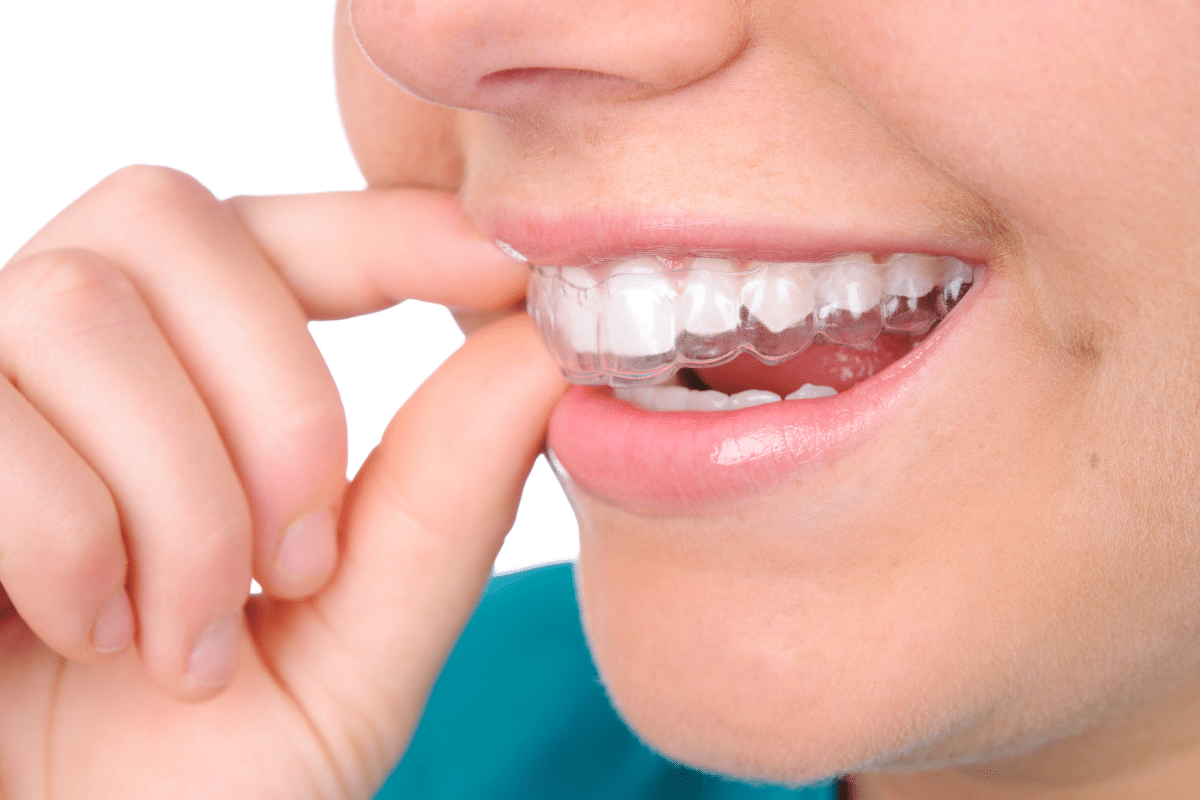
Invisalign involves a series of custom-made, clear plastic aligners that fit snugly over your teeth. These aligners are designed to shift your teeth into the desired position over time gradually.

Key Benefits of Invisalign:

  • Discreet Appearance: The aligners are nearly invisible, making Invisalign a great option for those who want a subtle, less noticeable treatment.
  • Removable Aligners: You can easily remove the aligners to eat, drink, brush, and floss. This feature allows you to maintain better oral hygiene compared to traditional braces.
  • Comfortable Fit: The smooth plastic of Invisalign aligners reduces the chances of gum and mouth irritation that metal braces can cause.
  • Fewer Office Visits: With Invisalign, you typically visit the orthodontist every 6-8 weeks for a quick check-in, making it a convenient option for those with busy schedules.

Who Is It Best For?

Invisalign is ideal for those with mild to moderate orthodontic issues like minor crowding, gaps, or misalignment. It’s a popular choice among adults and teens who are looking for a less conspicuous way to straighten their teeth. If you’re searching for Invisalign near you in Merrick, Khan Orthodontic Group can help determine if you’re a good candidate.

Traditional Braces: The Tried-and-True Method

Traditional braces consist of metal brackets glued to your teeth, connected by wires and rubber bands. The orthodontist periodically adjusts the wires to move your teeth into the correct alignment.

Key Benefits of Braces:

  • Effective for Complex Issues: Braces are highly effective for more severe orthodontic problems, such as significant crowding, rotated teeth, and misaligned bites.
  • Precise Control: Braces allow for more precise control of tooth movement, making them a versatile option for complex cases.
  • Variety of Options: While metal braces are the most common, you can also choose ceramic braces that blend with your teeth or lingual braces that are placed behind the teeth for a more discreet appearance.

Who Is It Best For?

Traditional braces are often the go-to choice for children and teenagers, as they can correct a wide range of orthodontic issues. They’re also an excellent option for adults who have more complex alignment problems. If you’re looking for braces near you in Merrick, visiting Khan Orthodontic Group can provide you with expert guidance on the best treatment for your needs.

Comparing Treatment Duration

Treatment Duration:

  • Invisalign: Most cases take about 12 to 18 months, but the aligners must be worn for 20-22 hours a day for the best results.
  • Braces: Treatment with traditional braces usually lasts between 18 months to 3 years, depending on the severity of the case.

Lifestyle and Maintenance

Daily Routine:

  • Invisalign: Requires commitment to wearing the aligners for most of the day and remembering to switch to a new set of aligners every 1-2 weeks.
  • Braces: Brushing and flossing around the brackets and wires can be challenging and time-consuming. You’ll also need to avoid certain foods that can damage the braces, like sticky or hard snacks.

Maintenance:

  • Invisalign: Aligners must be cleaned regularly with a special solution or gentle brushing to prevent the buildup of bacteria and stains.
  • Braces: Regular adjustments and check-ups are necessary. You’ll need to be careful with oral hygiene to avoid issues like cavities or gum disease.

Making the Decision: Which is Right for You?

The choice between Invisalign and braces largely depends on your personal needs and lifestyle. Here are some questions to consider:

  • Are you looking for a discreet treatment? Invisalign might be your best bet.
  • Do you have severe alignment issues? Braces could offer more control and precision.
  • Are you willing to follow strict guidelines and keep up with aligner changes? If yes, then Invisalign is an option.
  • Do you have a busy schedule and prefer fewer visits? Invisalign can be more convenient.

Remember, consulting with an experienced orthodontist in Merrick, like Khan Orthodontic Group, is the best way to make an informed decision. They can evaluate your needs, discuss your preferences, and help you find the right treatment to achieve the smile you’ve always wanted.

Ready to Transform Your Smile with our Orthodontist in Merrick?

Both Invisalign and traditional braces are excellent ways to improve your smile and oral health. Whatever option you choose, the result will be worth the effort. If you’re still unsure and live in Merrick or nearby areas, a consultation with our orthodontist in Merrick can provide personalized advice tailored to your unique dental needs.

Your journey to a perfect smile is just a call away. In Merrick, whether you opt for Invisalign near you or braces near you, the team at Khan Orthodontic Group is here to guide you every step of the way. Contact us and start your smile transformation today!

5 Common Orthodontic Problems You Can Fix at Home

5 Common Orthodontic Problems You Can Fix at Home: Tips by an Orthodontist Near You

Orthodontic treatments are essential for achieving a beautiful smile and a healthy bite. At Khan Orthodontic Group, we understand that while professional care is crucial, minor issues with your braces or aligners can sometimes arise between visits. Fortunately, there are several common orthodontic problems you can address at home. While it’s always best to consult an orthodontist near you for major issues, here’s a look at five common orthodontic problems and simple solutions you can try on your own until your next appointment.

Wobbly Brackets

Brackets can occasionally become loose, especially if you’ve had a recent adjustment or if you’ve eaten something sticky. If a bracket feels wobbly but is still attached to the wire, follow these steps:

  • Avoid Hard Foods: Stick to softer foods to prevent further loosening.
  • Reposition Gently: Use a clean finger to gently press the bracket back into place. Don’t force it.
  • Dental Wax: Apply orthodontic wax over the bracket to avoid irritation if it’s rubbing against your gums.

If the bracket comes off completely, contact your orthodontist near you for a replacement as soon as possible.

Discomfort from Wire Ends

Sometimes, the ends of your braces’ wires might poke into the inside of your mouth, causing irritation. To alleviate this discomfort:

  • Use Orthodontic Wax: Place a small piece of wax over the wire ends that are causing discomfort.
  • Warm Salt Water Rinse: Rinse your mouth with warm salt water to soothe irritation and reduce inflammation.
  • Gently Bend the Wire: Using a clean pair of tweezers, gently bend the wire away from the sensitive area. Be very careful not to snap the wire.

Broken or Bent Wires

A wire can bend or break for various reasons, like eating hard foods or having an accidental trauma. Here’s how to handle a broken or bent wire:

  • Smooth the Wire: Use a pair of sterilized tweezers to try to straighten the wire. If it’s too bent, you can use orthodontic wax to cover the end to prevent it from hurting your cheeks.
  • Avoid Sticky Foods: Until you can see your orthodontist nearby, avoid sticky or hard foods that might exacerbate the problem.

Loose or Missing Bands

If you notice that a band around one of your molars is loose or missing, this could affect your treatment progress. To manage this issue:

  • Avoid Chewy Foods: Chewy or sticky foods can further loosen the band, so steer clear until you can get it repaired.
  • Check for Damage: If the band is still attached but loose, use orthodontic wax to cover it and prevent irritation.
  • Contact Your Orthodontist: Schedule an appointment with your orthodontist near you to have the band replaced or repaired.

Pain and Soreness

Orthodontic treatment can sometimes cause discomfort or soreness, particularly after adjustments. Here’s how to manage this discomfort at home:

  • Pain Relief: Over-the-counter pain relievers, like ibuprofen, can help alleviate soreness. Be sure to follow the dosage instructions on the label.
  • Soft Foods: Stick to soft foods like yogurt, mashed potatoes, and smoothies to avoid further irritation.
  • Cold Compress: Applying a cold compress to your cheeks can help reduce swelling and numb the area.

When to Seek Help from an Orthodontist Near You

While these at-home solutions can provide temporary relief, they are not a substitute for professional orthodontic care. If you experience persistent pain, a broken appliance, or any other significant issue, it’s crucial to consult an orthodontist near you. They can provide a thorough examination and ensure that your treatment progresses as planned.

For those seeking an experienced orthodontist near Jericho, Merrick, and Maspeth, Khan Orthodontic Group is here to help with any issues you might face. Regular check-ups and timely interventions can help keep your treatment on track and ensure your orthodontic experience is as comfortable as possible.

By addressing minor issues at home, you can make your orthodontic journey smoother. However, remember that your orthodontist is your best resource for maintaining optimal dental health and achieving the smile you’ve always wanted. If you’re in Jericho, Merrick, or Maspeth and need an orthodontist near you, don’t hesitate to schedule an appointment to discuss any problems or to get expert advice on your orthodontic needs. 

Top 10 Reasons to See an Orthodontist Before Turning 30

Top 10 Reasons to See an Orthodontist Before Turning 30

You’ve heard it before: good oral health is essential to overall well-being. But did you know that the benefits of orthodontic treatment extend far beyond a beautiful smile? While it’s never too late to improve your teeth and bite, there are distinct advantages to seeking orthodontic care before turning 30. By addressing orthodontic issues early, you can unlock a range of health benefits that go beyond just aesthetics—enhancing your confidence, comfort, and long-term dental health. At Khan Orthodontic Group, we’re here to show you why getting a jump start on orthodontic care now can pave the way for a healthier, happier future.

Early Treatment, Lasting Benefits

Your teenage years are a time of significant growth and development. Orthodontic treatment during this period can harness these natural changes to achieve optimal results. By addressing dental issues early on, you can prevent more complex and costly procedures later in life.

  1. Early Intervention for Developing Issues

    Orthodontic treatment is often most effective when begun early. By seeing an orthodontist in your twenties, you can catch and address potential issues before they become more severe. Early intervention can help correct bite issues, overcrowding, and alignment problems, making future treatments less complex and potentially less costly. Proactive care can prevent the need for more extensive procedures later in life.


  2. Enhanced Aesthetic Benefits

    One of the most common reasons adults seek orthodontic care is to improve their smile. If you’re unhappy with the alignment of your teeth or have gaps that affect your confidence, orthodontic treatment can make a significant difference. By addressing these concerns before you turn 30, you can enjoy the benefits of a straighter, more attractive smile while still in your prime. Aesthetic improvements can boost self-esteem and positively impact both personal and professional interactions.


  3. Better Oral Health

    Misaligned teeth and improper bites can lead to various oral health issues, including an increased risk of tooth decay and gum disease. Crooked teeth are harder to clean properly, which can lead to plaque buildup and eventual dental problems. Orthodontic treatment helps correct these issues, making it easier to maintain good oral hygiene. By seeing an orthodontist before 30, you can ensure that your teeth are aligned in a way that supports better overall oral health.


  4. Prevention of Long-Term Dental Issues

    Ignoring orthodontic problems can lead to more serious complications down the road. Misalignment can cause excessive wear on certain teeth, jaw pain, and even difficulties with chewing and speaking. By addressing these issues early, you can prevent the development of more severe dental and jaw problems in the future. Orthodontic care can help ensure that your teeth and jaws function properly, reducing the likelihood of long-term dental issues.

  5. Improved Functionality

    Orthodontic treatment isn’t just about looks; it also enhances the functionality of your teeth and jaws. Proper alignment improves your bite, making chewing and speaking more comfortable and efficient. If you’ve experienced issues with your bite or find yourself frequently clenching your jaw, an orthodontist can help correct these problems. Enhanced functionality can make daily activities more enjoyable and reduce discomfort associated with misalignment.


  6. Customized Treatment Plans

    Orthodontists tailor treatment plans to meet individual needs. Whether you require braces, aligners, or other orthodontic appliances, an orthodontist will design a plan that fits your unique dental structure and lifestyle. By seeking orthodontic care in your twenties, you can take advantage of the latest advancements in orthodontic technology and techniques, ensuring that your treatment is as effective and comfortable as possible.


  7. Avoiding Future Complications

    By addressing orthodontic issues early, you can avoid more complex and costly treatments in the future. Waiting until problems become severe can lead to more extensive procedures and longer treatment times. Early intervention allows for simpler solutions and can prevent the need for more drastic measures later on. Taking care of your orthodontic needs before turning 30 sets you up for a healthier, more manageable dental future.


  8. Boosting Confidence and Self-Esteem

    A significant part of orthodontic care is improving self-confidence. If you’re self-conscious about your teeth or smile, addressing these concerns can lead to a considerable boost in self-esteem. Feeling good about your appearance can positively impact various aspects of your life, from social interactions to career opportunities. Investing in your smile before 30 can pay off in numerous ways, enhancing both your personal and professional life.


  9. Long-Term Financial Savings

    Investing in orthodontic treatment early can be financially advantageous. By addressing issues before they escalate, you can potentially save money on more extensive and costly treatments in the future. Orthodontic care can also reduce the need for additional dental work related to misalignment problems. Planning ahead and taking care of your orthodontic needs before 30 can lead to long-term financial benefits and fewer unexpected expenses.


  10. Maintaining Optimal Oral Function

    Orthodontic treatment helps ensure that your teeth and jaws function optimally. Misalignment can affect how well your teeth come together, impacting your ability to chew and speak comfortably. Proper alignment enhances oral function and can prevent issues related to jaw discomfort and improper bite. Seeing an orthodontist before 30 helps ensure that your teeth and jaws work together harmoniously, supporting overall oral health and functionality.

Why Waiting Isn’t the Best Option: See an Orthodontist Before 30

The decision to undergo orthodontic treatment is a personal one, but the evidence clearly supports the benefits of early intervention. By addressing dental issues before you hit the big 30  can improve your oral health, enhance your appearance, and boost your self-confidence.

If you’re considering orthodontic treatment for yourself or your child, schedule a consultation with Khan Orthodontic Group. Our experienced team of orthodontists, proudly serving Merrick, Jericho, Maspeth, and nearby areas, can assess your specific needs and develop a customized treatment plan to help you achieve your smile goals.

Don’t wait—contact us to schedule a consultation with us today to start your journey toward a healthier, more confident smile.

Why a Visit to an Orthodontist Could Be Your Smile’s Best Move?

Why a Visit to an Orthodontist Could Be Your Smile's Best Move?

A radiant smile does more than enhance your appearance—it boosts your confidence and plays a crucial role in oral health. However, misaligned teeth, gaps, or bite issues can stand in the way of that perfect grin. That’s where we come in at Khan Orthodontic Group.

Located conveniently in Merrick, our team of skilled orthodontists is dedicated to creating beautiful, healthy smiles for patients of all ages. But how do you know if you need an orthodontist? Here are some key reasons why scheduling a consultation with us could be the best decision for your smile:

  • Creating a Flawless Smile

‣ Crooked Teeth: This is perhaps the most common reason people seek help from an orthodontist. At Khan Orthodontic Group, we utilize advanced techniques and appliances, like braces and clear aligners (Invisalign), to gently move teeth into their optimal positions for a straighter, more symmetrical smile.

‣ Spacing Issues: Gaps between teeth can be caused by missing teeth, a large jawbone, or tongue thrusting habits. Our qualified orthodontists in Merrick can effectively close these gaps using braces or aligners, enhancing the overall appearance of your smile.

‣ Overcrowding: When there’s not enough space for all your teeth to erupt properly, they can become crowded and misaligned. Our treatments can relieve overcrowding, improving not only aesthetics but also reducing the risk of tooth decay and gum disease.

  • Enhancing Oral Health and Function

‣ Malocclusion (Bad Bite): An improper bite (overbite, underbite, crossbite) can lead to a variety of issues, including difficulty chewing, speaking, and even jaw pain. We can diagnose and correct malocclusion using orthodontic appliances, promoting optimal oral health and function.

‣ Teeth Grinding: Teeth grinding (bruxism) can damage teeth and cause headaches. Our orthodontic treatment can realign the bite to minimize grinding and reduce its associated complications.

‣ Speech Difficulties: Misaligned teeth or a bad bite can sometimes impact speech clarity. Our procedures can improve speech patterns by correcting the underlying cause of the difficulty.

  • Boosting Confidence and Overall Well-Being

‣ Improved Self-Esteem:  A beautiful smile can significantly boost confidence and self-esteem. Our care can help you achieve the smile you’ve always dreamed of, allowing you to smile confidently in social and professional settings.

‣ Enhanced Facial Harmony: Properly aligned teeth and a balanced bite can contribute to a more aesthetically pleasing facial profile. Our orthodontic solutions can create a more harmonious and balanced appearance.

‣ Improved Oral Hygiene: Straight teeth are easier to clean, reducing the risk of cavities and gum disease. Our orthodontic treatments can ultimately make maintaining good oral hygiene easier and more effective.

Seeking Care from an Orthodontist at Khan Orthodontic Group in Merrick

If you’re experiencing any of these issues or simply desire a straighter, healthier smile, schedule a consultation with our experienced orthodontists in Merrick at Khan Orthodontic Group. During your consultation, we will thoroughly examine your teeth and jaw, discuss your concerns and goals, and recommend the most suitable plan to achieve a beautiful, healthy smile.

We offer a variety of treatment options, including traditional braces, clear aligners, and interceptive treatments for children. We are committed to providing personalized care in a comfortable and welcoming environment.

Don’t hesitate to take the first step towards a healthier, more confident smile. Contact Khan Orthodontic Group in Merrick today!

Additional Considerations

  • Age is Not a Barrier: While many associate orthodontics with teenagers, orthodontic services are beneficial for adults as well. We welcome patients of all ages to achieve their smile goals.
  • Flexible Treatment Options:  With a variety of appliances available, we work with you to find the option that best suits your lifestyle, preferences, and budget.
  • Financial Options:  We understand that cost can be a concern. We offer flexible payment plans and work with most insurance companies to make our orthodontic care accessible.

Investing in orthodontic care is an investment in your oral health, confidence, and overall well-being. By visiting our dental office in Merrick, you can embark on a journey towards a healthier, brighter smile that will last a lifetime.

Is There an ‘Ideal Age’ for Orthodontic Treatment?

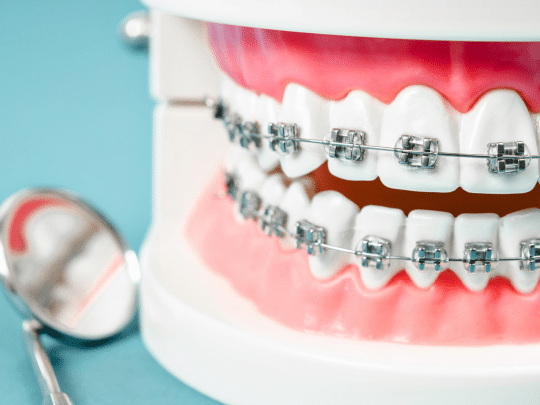
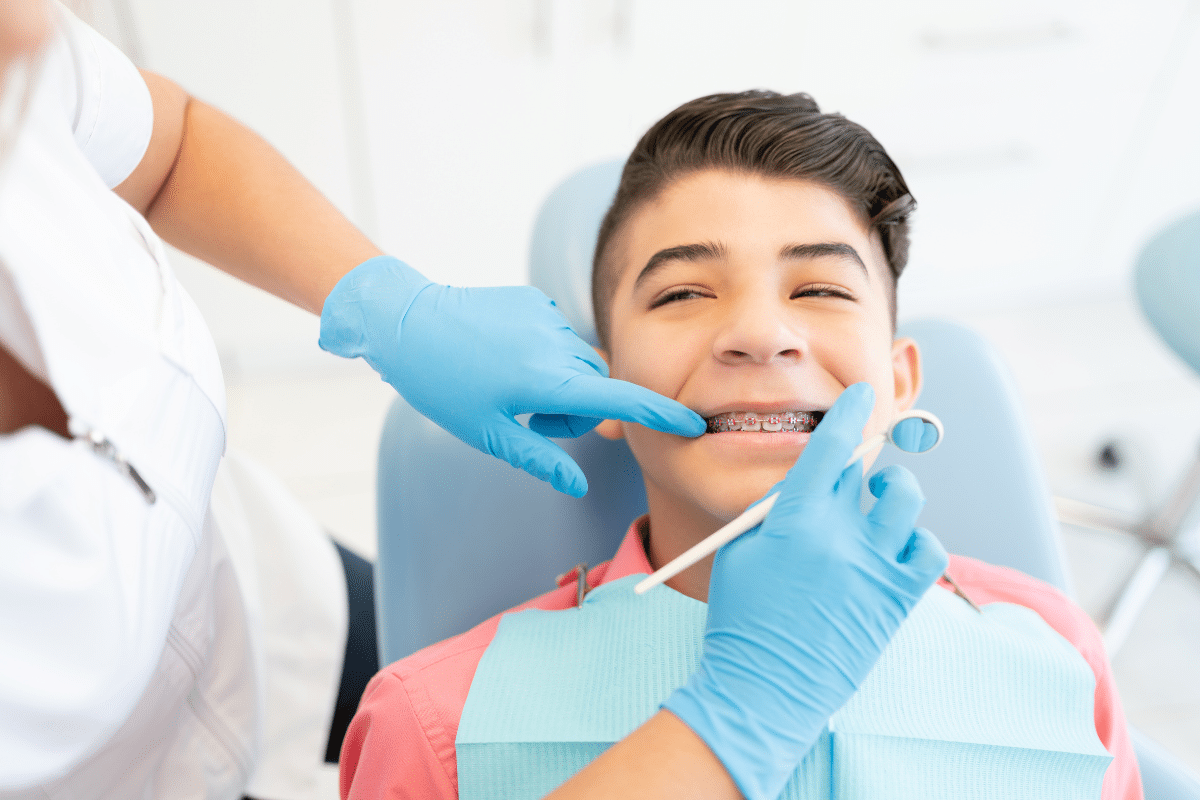
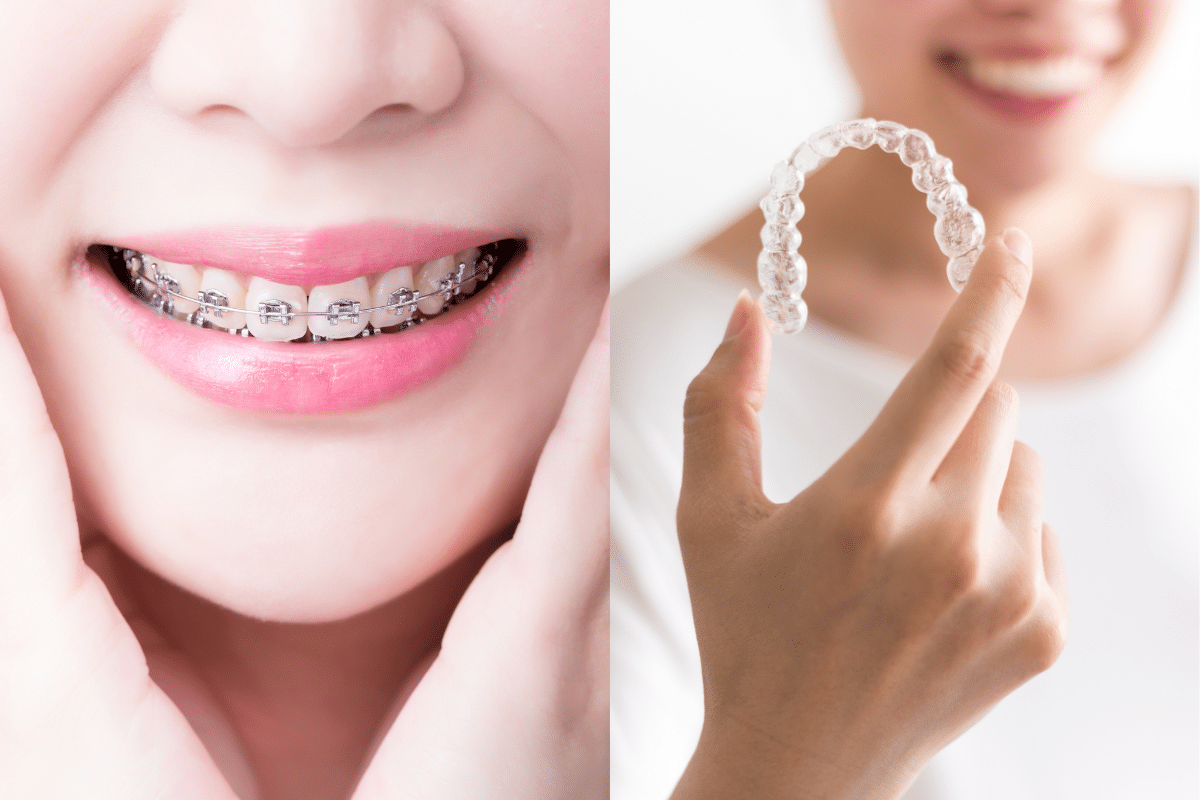
Person smiling with metal braces on teeth against light blue background

A dazzling smile is more than just aesthetics; it can boost confidence, improve oral health, and enhance overall well-being. If you’re considering orthodontic treatment to achieve a straighter, healthier smile, you might wonder, “What is the best age for Orthodontic Treatment?” At Khan Orthodontic Group, our experienced orthodontists in Jericho understand this concern. We’re dedicated to providing exceptional orthodontic care for patients of all ages.

Know about the ideal age for orthodontic treatment, the benefits of early intervention, and the factors influencing the best time to begin your journey towards a beautiful smile.

Understanding the Role of Age in Orthodontics

While orthodontic treatment can be successful at any age, there can be advantages to starting at specific stages of development. Here’s a breakdown of orthodontic considerations across different age groups:

  • Early Childhood (Age 7-9): This age range is ideal for identifying potential orthodontic issues early on. An orthodontist at Khan Orthodontic Group can perform a preliminary evaluation to assess jaw growth, tooth development, and any emerging concerns. Early intervention can sometimes prevent future problems from developing or make future treatment less complex.
  • Pre-Teens (Age 10-13): This period often coincides with the eruption of permanent teeth, making it a prime time for comprehensive orthodontic treatment. The jawbone is still relatively malleable during this stage, allowing for more efficient orthodontic adjustments.

Benefits of Early Orthodontic Intervention

While treatment can be successful at any age, there are significant advantages to seeking an evaluation from an orthodontist during childhood or adolescence:

  • Guiding Jaw Growth: Early intervention can help guide jaw development, potentially preventing the need for extractions or complex procedures later.
  • Improved Function and Appearance: Addressing orthodontic issues early can improve chewing efficiency, speech development, and overall facial aesthetics.
  • Enhanced Self-Confidence: A straighter smile can boost self-esteem and confidence during a crucial stage of social and emotional development.
  • Potentially Shorter Treatment Time: Early intervention may lead to shorter treatment times compared to starting treatment in adulthood.

Factors to Consider When Determining the Ideal Age

While early intervention has its advantages, the ideal age for orthodontic treatment can vary depending on individual circumstances. Some factors our orthodontists in Jericho at Khan Orthodontic Group consider include:

  • The severity of the Orthodontic Issue: The complexity of the misalignment will influence the timing of treatment. Simple spacing issues might be addressed earlier, while more complex cases might benefit from waiting for further jaw development.
  • Jaw Growth and Development: The orthodontist will assess jaw growth patterns to determine the optimal time to influence tooth movement for optimal results.
  • Dental Health: Overall oral health, including the presence of gum disease or cavities, can influence treatment timing.
  • Patient Cooperation: Successful orthodontic treatment often relies on patient cooperation with wearing braces or retainers. The orthodontist will assess a child’s maturity and ability to follow treatment instructions.

Khan Orthodontic Group in Jericho: Your Partner in Achieving a Beautiful Smile at Any Age

At Khan Orthodontic Group, we offer personalized orthodontic treatment plans for patients of all ages in Jericho. Our team of experienced orthodontists will conduct a thorough evaluation to determine the ideal time to begin treatment and recommend the most suitable approach to achieve your desired smile.

We offer a variety of advanced orthodontic options, including traditional braces, clear aligners like Invisalign®, and other innovative solutions. We understand that a beautiful smile is an investment in your confidence and well-being. We’re committed to providing exceptional care throughout your orthodontic journey.

Schedule an appointment with Khan Orthodontic Group today! Let our experienced orthodontists in Jericho guide you towards a straighter, healthier smile at the perfect time for you.

How Orthodontic Treatment Can Correct Misaligned Jaws

Orthodontist In Merrick

Misaligned jaws, also known as jaw discrepancies or malocclusions, can significantly impact one’s oral health, appearance, and overall quality of life. These issues can lead to difficulties in chewing, speaking, and even breathing, not to mention the potential for chronic pain and increased wear on teeth. Fortunately, orthodontic treatment offers effective solutions for correcting these problems, often leading to improved functionality and aesthetics.

Orthodontic treatment involves the use of various appliances and techniques to move teeth and jaws into their correct positions. While many people associate orthodontics primarily with braces for straightening teeth, this field also addresses more complex skeletal issues, including misaligned jaws. An orthodontist is a dental specialist who has undergone additional training to diagnose, prevent, and treat dental and facial irregularities.


Understanding Jaw Misalignment

Jaw misalignment can manifest in several ways, including overbites, underbites, crossbites, and open bites. These conditions can be caused by genetic factors, developmental issues, or habits such as thumb sucking or prolonged use of a pacifier during childhood.

  1. Overbite: This occurs when the upper jaw significantly overlaps the lower jaw. While a slight overbite is normal, a pronounced one can lead to difficulties in biting and chewing, as well as increased risk of trauma to the front teeth.
  2. Underbite: An underbite is when the lower jaw protrudes past the upper jaw. This can result in an imbalanced facial appearance and can cause issues with chewing and speech.
  3. Crossbite: A crossbite happens when some of the upper teeth sit inside the lower teeth when the mouth is closed. This can lead to asymmetrical growth of the jaws and can cause excessive wear of the teeth.
  4. Open Bite: An open bite occurs when there is a gap between the upper and lower teeth when the mouth is closed. This can interfere with proper chewing and speech and often results from habits such as thumb sucking.


The Role of Orthodontic Treatment in Correcting Jaw Misalignment

Orthodontic treatment can address these jaw misalignments through a variety of approaches. The specific treatment plan will depend on the severity of the misalignment, the age of the patient, and their overall oral health.

1. Braces and Aligners

Traditional braces and clear aligners like Invisalign are commonly used to correct tooth and jaw alignment issues. Braces apply continuous pressure to move teeth into their desired positions. In some cases, they can also be used to influence the growth of the jaws, especially in younger patients whose bones are still developing.

2. Orthopedic Appliances

For growing children and adolescents, orthodontists may use orthopedic appliances such as palatal expanders or headgear. Palatal expanders are used to widen the upper jaw, creating more space for teeth and improving the alignment of the upper and lower jaws. Headgear can help guide the growth of the upper jaw and prevent or correct overbites and underbites.

3. Surgical Interventions

In severe cases of jaw misalignment, orthodontic treatment alone may not be sufficient. Orthognathic surgery, performed in conjunction with orthodontic treatment, can be necessary to reposition the jaws. This surgical procedure is usually considered when the patient has stopped growing and other treatments have not been effective. Orthognathic surgery can dramatically improve function and appearance but requires a comprehensive treatment plan involving both an orthodontist and an oral surgeon.


Benefits of Correcting Jaw Misalignment

Addressing misaligned jaws through orthodontic treatment can provide numerous benefits beyond just an improved smile. These benefits include:

  1. Enhanced Oral Function: Properly aligned jaws can significantly improve chewing, speaking, and even breathing. This can lead to better digestion and overall health.
  2. Reduced Risk of Dental Issues: Misaligned jaws can cause excessive wear on teeth, increasing the risk of cavities, gum disease, and tooth loss. Correcting the alignment can help preserve the teeth and gums.
  3. Pain Relief: Jaw misalignment can lead to chronic pain in the jaw, neck, and head. Orthodontic treatment can alleviate these symptoms by addressing the root cause of the pain.
  4. Improved Aesthetics: While the functional benefits are paramount, the aesthetic improvements that come with correcting jaw alignment can boost self-esteem and confidence.


Choosing the Right Orthodontist

Selecting an experienced orthodontist is crucial for achieving the best results in treating jaw misalignment. In Merrick, patients can turn to professionals like the Khan Orthodontic Group Merrick for comprehensive care. These specialists are trained to handle complex cases and can provide personalized treatment plans tailored to each patient’s unique needs.

In conclusion, orthodontic treatment offers effective solutions for correcting misaligned jaws, improving both function and appearance. Whether through braces, orthopedic appliances, or surgical interventions, the right treatment can significantly enhance a patient’s quality of life. If you are experiencing issues related to jaw misalignment, consulting with an orthodontist in Merrick can help you explore your options and embark on a path to better oral health.

The Complete Guide to Crossbite Diagnosis and Treatment

Orthodontist In Maspeth

Crossbite is a dental condition that occurs when the upper teeth fall inside the lower teeth when the jaws are closed. This misalignment can affect both the front and back teeth, and it can lead to various dental issues if left untreated. In this comprehensive guide, we will explore the diagnosis and treatment of crossbite, offering insights into the latest techniques and procedures used to correct this condition.


Understanding Crossbite

Crossbite can be classified into two main categories: anterior and posterior crossbite. Anterior crossbite involves the front teeth, while posterior crossbite affects the back teeth. Both types can cause problems with biting, chewing, and speaking, and can also lead to uneven wear of the teeth, gum disease, and jaw problems.

Causes of Crossbite

There are several factors that can contribute to the development of a crossbite, including:

  • Genetics: If your parents had a crossbite, you are more likely to develop one as well.
  • Delayed Tooth Eruption: If baby teeth take longer to fall out, it can affect the alignment of the adult teeth.
  • Thumb Sucking: Prolonged thumb sucking can push the teeth out of alignment.
  • Mouth Breathing: Chronic mouth breathing due to allergies or enlarged tonsils can influence jaw development.


Diagnosing Crossbite

Diagnosis of crossbite typically involves a combination of clinical examination and advance techniques. Use various tools to accurately diagnose crossbite:

  • Clinical Examination: The orthodontist will visually inspect the alignment of your teeth and bite.
  • X-rays: X-rays provide a detailed view of the teeth and jawbone, helping to identify any underlying issues.
  • Impressions: Dental impressions may be taken to create a model of your teeth for closer examination.
  • 3D Imaging: Advanced 3D imaging techniques can offer a comprehensive view of the teeth and jaw, aiding in precise diagnosis.


Treatment Options for Crossbite

Treatment for crossbite aims to correct the alignment of the teeth and jaw to improve function and aesthetics. The treatment plan will depend on the severity of the crossbite and the age of the patient.

Braces

Braces are one of the most common treatments for crossbite. They work by gradually moving the teeth into their correct positions. Braces can be made of metal, ceramic, or clear materials. For children and teenagers, braces are often the preferred option as their jaws are still growing and more adaptable to change.

Invisalign

Invisalign is a popular alternative to traditional braces, especially for adults and teenagers who prefer a more discreet treatment option. Invisalign uses a series of clear, removable aligners to gradually shift the teeth into place. The aligners are custom-made for each patient and need to be worn for about 22 hours a day for optimal results.

Palatal Expanders

Palatal expanders are devices used to widen the upper jaw, making it easier to align the teeth properly. This treatment is particularly effective for children whose jawbones are still developing. The expander is attached to the upper molars and gradually adjusted to widen the jaw over time.

Surgery

In severe cases of crossbite, orthognathic surgery may be required to correct the alignment of the jaw. This is usually considered when other treatments are not sufficient to achieve the desired results. Surgery can help reposition the jaw to improve both function and appearance.

Retainers

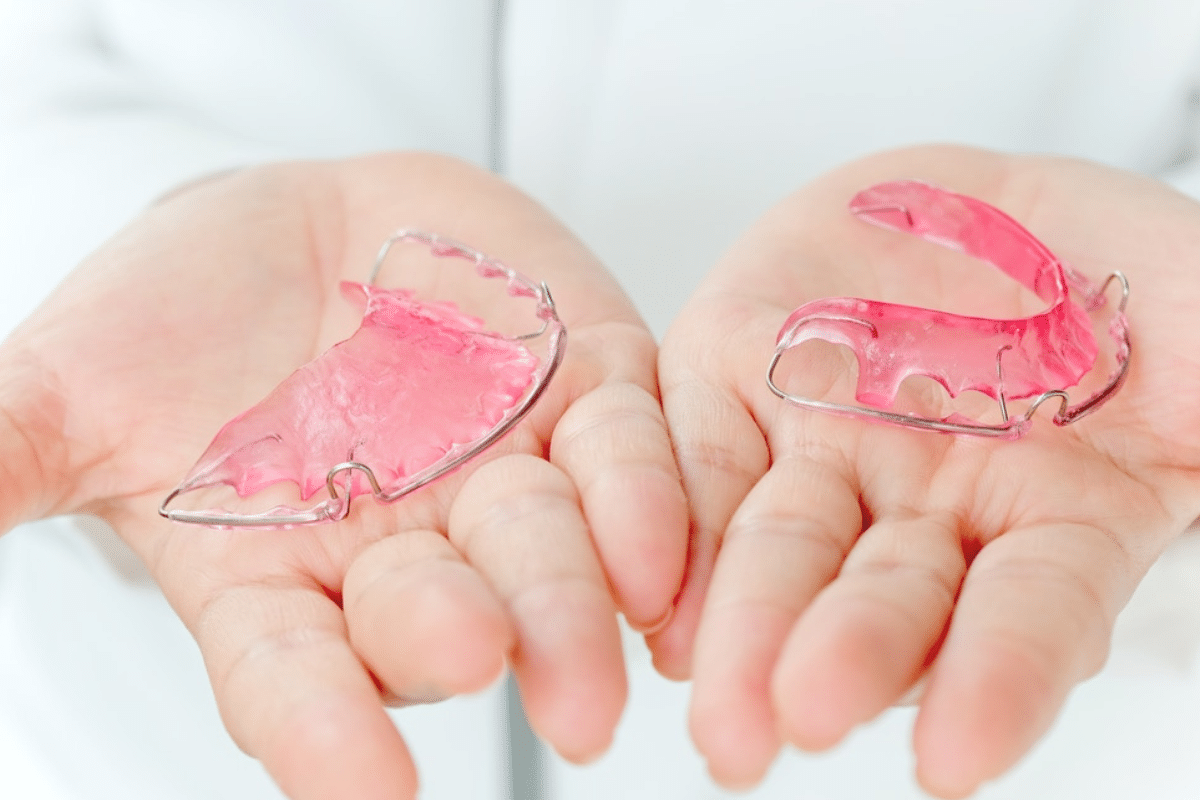
After the primary treatment is completed, retainers are often used to maintain the new alignment of the teeth. Retainers can be fixed or removable and are typically worn at night. They help ensure that the teeth do not shift back to their original positions.


The Role of Early Intervention

Early intervention is crucial in the treatment of crossbite. Orthodontic evaluations for children should begin by the age of 7, as recommended by the American Association of Orthodontists. Early detection allows for timely treatment, which can prevent more severe dental problems in the future.


Choosing the Right Orthodontist

Selecting an experienced orthodontist is vital for successful crossbite treatment. At Khan Orthodontic Group of Maspeth, our team of skilled professionals uses the latest techniques and technology to provide personalized care for each patient. We understand that every case is unique, and we are committed to achieving the best possible outcomes for our patients.


Maintaining Oral Health During Treatment

Maintaining good oral hygiene is essential during crossbite treatment. Brushing and flossing regularly will help prevent cavities and gum disease. It’s also important to follow the orthodontist’s instructions regarding diet and appliance care to ensure the treatment progresses smoothly.

Crossbite is a common dental issue that can have significant effects on oral health and overall well-being. With early diagnosis and appropriate treatment, it is possible to correct crossbite and achieve a healthy, beautiful smile. Whether you opt for braces, Invisalign, or other orthodontic treatments, consulting with a qualified orthodontist,

How Orthodontics Can Influence Your Speech Patterns

orthodontic treatment

Orthodontics is commonly associated with improving dental aesthetics, but its benefits extend far beyond just a beautiful smile. One often overlooked aspect of orthodontic treatment is its significant influence on speech patterns. Misaligned teeth and jaw discrepancies can lead to speech impediments, which can be corrected through targeted orthodontic interventions. In this article, we will delve into the intricate relationship between orthodontics and speech, shedding light on how treatments can enhance communication abilities and overall oral health.


Understanding Speech Impediments

Speech production involves a complex interplay of various anatomical structures, including the tongue, lips, teeth, and palate. Any disruption or misalignment in these structures can lead to speech difficulties. Common speech impediments related to dental issues include:

  1. Lisping: Often caused by misaligned teeth, especially the front teeth, which affect the placement of the tongue during speech.
  2. Articulation Disorders: Misalignment of the jaw or teeth can lead to difficulties in producing specific sounds, making speech unclear.
  3. Mumbling: Malocclusion, or improper bite alignment, can result in unclear speech due to improper jaw movement.


The Role of Orthodontics in Speech Improvement

Orthodontic treatments, such as braces and aligners, are designed to correct misalignments and improve dental function. Here’s how these treatments can positively impact speech patterns:

Correcting Teeth Alignment

One of the primary functions of orthodontic treatment is to align the teeth properly. Khan Orthodontic Group Merrick specializes in providing braces and Invisalign, which are effective in straightening teeth. Properly aligned teeth ensure that the tongue has enough space to move freely, aiding in the correct pronunciation of words.

Improving Bite Alignment

Malocclusion, or a bad bite, can severely impact speech. Orthodontic treatments address issues such as overbite, underbite, and crossbite. By aligning the jaws correctly, these treatments ensure that the upper and lower teeth meet properly, facilitating better speech production.

Enhancing Tongue Function

The position and function of the tongue are crucial for clear speech. Misaligned teeth can force the tongue into unnatural positions, leading to speech impediments. Orthodontic treatments create more space and provide a better environment for the tongue to move naturally, improving speech clarity.


Specific Orthodontic Treatments and Their Impact on Speech

Braces

Traditional metal braces and ceramic braces are highly effective in correcting various dental misalignments. By gradually shifting teeth into their proper positions, braces can significantly improve speech patterns. Patients often notice a reduction in lisping and better articulation of words as their treatment progresses.

Invisalign

Invisalign aligners are a popular alternative to braces, offering a more aesthetic and comfortable solution. Our orthodontic team provides Invisalign treatments that are customized to each patient’s needs. These clear aligners not only straighten teeth but also allow for normal tongue movement, thereby enhancing speech clarity. Patients can also remove the aligners when necessary, ensuring minimal disruption to their daily communication.


The Psychological Impact of Improved Speech

Beyond the physical benefits, orthodontic treatments can also have a profound psychological impact. Speech impediments can affect self-esteem and confidence, particularly in social and professional settings. By improving speech clarity, orthodontic treatments can boost self-confidence and enhance communication skills. This, in turn, can lead to better academic and career prospects, as well as improved social interactions.

Orthodontics plays a crucial role in enhancing speech patterns by correcting dental and jaw misalignments. Treatments such as braces, Invisalign, can significantly improve speech clarity and articulation. Beyond the physical benefits, improved speech can also boost self-confidence and overall quality of life.  If you or your child are experiencing speech difficulties related to dental issues, seeking professional orthodontic care who can be a transformative step toward better oral health and effective communication.

How Orthodontic Treatment Can Transform Your Smile and Solve Dental Issues

Orthodontic Treatment Jericho

Orthodontic treatment, often associated with achieving a beautiful, straight smile, plays a crucial role in overall dental health. Beyond aesthetics, properly aligned teeth and jaws can prevent a variety of dental issues and contribute to a person’s long-term well-being. Understanding how orthodontic treatment works and its benefits can help you make informed decisions about your dental care.


The Mechanics of Orthodontic Treatment

Orthodontic treatment typically involves the use of braces or aligners to correct the alignment of teeth and jaws. Braces consist of brackets attached to the teeth and connected by wires, which are periodically tightened to gradually shift teeth into their desired positions. Aligners, such as those offered by Invisalign, are clear, removable trays custom-made to fit over the teeth and move them incrementally.

The process begins with a comprehensive examination by an orthodontist. This includes taking X-rays, photographs, and impressions of your teeth. Based on these records, a personalized treatment plan is developed. The duration of treatment varies depending on the complexity of the case, but most patients wear braces or aligners for one to three years.


Improving Oral Health

One of the primary benefits of orthodontic treatment is the improvement of oral health. Crooked or crowded teeth can create hard-to-reach areas where plaque and food particles accumulate. This can lead to tooth decay and gum disease. By aligning the teeth properly, orthodontic treatment makes it easier to maintain good oral hygiene, reducing the risk of these dental problems.

Properly aligned teeth also distribute the forces of biting and chewing more evenly, which can prevent excessive wear on certain teeth. This helps maintain the health and functionality of your teeth over time.


Preventing and Alleviating Jaw Problems

Jaw misalignment, often manifesting as an overbite, underbite, or crossbite, can cause a range of issues, including difficulty chewing, speaking, and even breathing. Misaligned jaws can also lead to temporomandibular joint (TMJ) disorders, which cause pain and dysfunction in the jaw joint and muscles controlling jaw movement.

Orthodontic treatment addresses these problems by aligning the jaws properly, improving the bite, and ensuring that the teeth fit together correctly. This can alleviate pain and discomfort associated with TMJ disorders and improve overall oral function.


Boosting Self-Confidence

A straight, beautiful smile can significantly boost a person’s self-confidence and self-esteem. For many people, the appearance of their teeth affects how they perceive themselves and how they interact with others. By improving the alignment of teeth, orthodontic treatment can enhance an individual’s smile, leading to greater confidence in social and professional settings.

At Khan Orthodontic Group – Jericho, patients are provided with personalized treatment plans tailored to their specific needs. The team understands the impact a confident smile can have on an individual’s life and strives to deliver exceptional results that contribute to both oral health and self-esteem.


Addressing Childhood and Adolescent Dental Issues

While orthodontic treatment is beneficial for individuals of all ages, addressing dental issues during childhood and adolescence can prevent more severe problems later in life. Early intervention can guide the growth of the jaw and the development of permanent teeth, reducing the likelihood of extraction or more invasive procedures in the future.

For children, an initial orthodontic evaluation is recommended by age seven. This allows the orthodontist to identify any potential issues early on and develop a treatment plan that will guide the teeth and jaws into proper alignment as the child grows. Adolescents can also benefit from orthodontic treatment, as their teeth and jaws are still developing and are more responsive to treatment.


Options for Adults

It is never too late to benefit from orthodontic treatment. Many adults seek orthodontic care to correct long-standing dental issues or to improve their smile. Advances in orthodontic technology, such as clear aligners and ceramic braces, provide more discreet options that fit seamlessly into an adult’s lifestyle.

Khan Orthodontic Group – Jericho offers a range of orthodontic solutions for adults, ensuring that each patient receives the care they need to achieve optimal dental health and a beautiful smile. Whether it is for functional improvement or aesthetic enhancement, adults can experience significant benefits from orthodontic treatment.

Orthodontic treatment is more than just a means to achieve a beautiful smile. It plays a vital role in maintaining and improving oral health, preventing and alleviating jaw problems, and boosting self-confidence. By addressing dental issues early and effectively, orthodontic care can lead to a lifetime of benefits.

At Khan Orthodontic Group – Jericho, the focus is on providing personalized, high-quality orthodontic care to help patients of all ages achieve their best smile. Whether for children, adolescents, or adults, the transformative power of orthodontic treatment can make a lasting difference in one’s dental health and overall well-being.

Schedule Your Free Smile Consult.

Orthodontic care for the whole family

EnglishEspañol