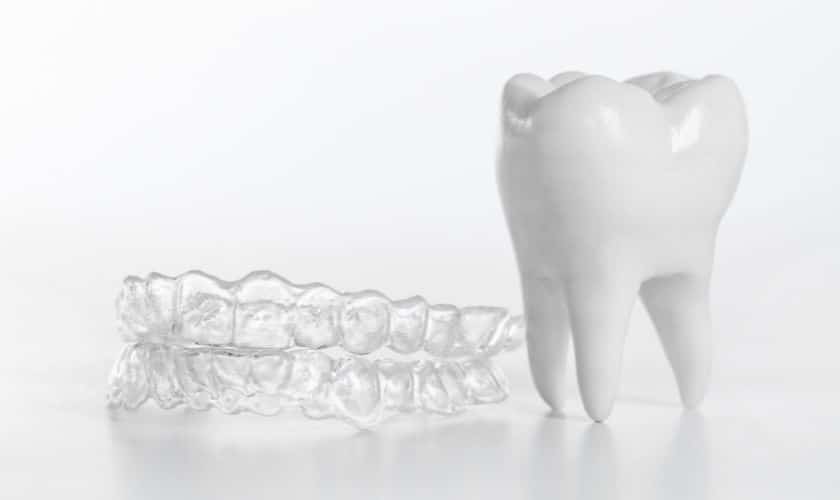
Crooked teeth can be a source of discomfort and self-consciousness for many individuals. With the advent of advanced orthodontic solutions, people now have several options to straighten their teeth. Among these, Invisalign has gained significant popularity. But is Invisalign truly the best option for crooked teeth? In this comprehensive article, we will explore the efficacy, benefits, and limitations of Invisalign, and how it compares to traditional braces and other orthodontic treatments.
Understanding Invisalign
Invisalign is a modern orthodontic treatment that uses clear, removable aligners to straighten teeth. These aligners are custom-made for each patient using advanced 3D imaging technology, ensuring a precise fit and effective treatment plan. The aligners gradually shift teeth into their desired position by applying gentle, controlled force over time.
How Does Invisalign Work?
The Invisalign process begins with a consultation with an orthodontist or dentist trained in Invisalign treatment. During this consultation, the provider will take digital impressions of the patient’s teeth, which are then used to create a series of custom aligners. Each set of aligners is worn for about two weeks before being replaced with the next set in the series. Over the course of the treatment, which typically lasts between 12 to 18 months, the aligners gradually move the teeth into the desired alignment.
Benefits of Invisalign
-
Aesthetics: One of the most significant advantages of Invisalign is its near-invisibility. The clear aligners are barely noticeable, making them an attractive option for adults and teens who want to straighten their teeth without the stigma of traditional braces.
- Comfort: Invisalign aligners are made from smooth, BPA-free plastic, which reduces the risk of irritation to the gums and cheeks that is common with metal braces.
- Convenience: The aligners are removable, allowing patients to eat, drink, brush, and floss with ease. This is a significant benefit over traditional braces, which can make oral hygiene more challenging.
- Predictable Results: Invisalign uses advanced technology to map out the entire treatment plan from start to finish, providing patients with a clear idea of what to expect.
-
Reduced Office Visits: Invisalign patients typically need fewer office visits compared to those with traditional braces, as the treatment requires less frequent adjustments.
Comparing Invisalign to Traditional Braces
While Invisalign offers several benefits, it’s essential to compare it to traditional braces to determine which option might be best for specific cases of crooked teeth.
Effectiveness
Both Invisalign and traditional braces are effective at straightening teeth, but they work in different ways. Traditional braces use metal brackets and wires to apply continuous pressure to the teeth, gradually moving them into place. They are highly effective for treating complex dental issues, including severe misalignment, overbites, underbites, and crossbites.
Invisalign, on the other hand, is best suited for mild to moderate cases of misalignment. While advancements in Invisalign technology have made it capable of addressing more complex cases, traditional braces may still be the preferred option for severe dental corrections.
Duration of Treatment
The duration of treatment with Invisalign is generally comparable to that of traditional braces. However, the exact length of treatment depends on the severity of the dental issues being addressed. On average, both treatments take between 12 to 24 months to achieve the desired results.
Maintenance and Care
Invisalign aligners require diligent maintenance. Patients must remove them when eating or drinking anything other than water and clean the aligners regularly to prevent staining and maintain oral hygiene. Traditional braces, while fixed, require careful brushing and flossing around the brackets and wires to prevent plaque buildup and tooth decay.
Limitations of Invisalign
Despite its numerous benefits, Invisalign does have some limitations:
- Compliance: Success with Invisalign heavily relies on patient compliance. The aligners must be worn for 20-22 hours per day to be effective. Failure to adhere to this can prolong the treatment duration and affect the outcome.
- Cost: Invisalign tends to be more expensive than traditional braces. While many dental insurance plans cover a portion of the cost, patients often find that out-of-pocket expenses are higher with Invisalign.
-
Complex Cases: As mentioned earlier, Invisalign may not be suitable for very complex orthodontic cases. Traditional braces might be required for severe misalignment or significant bite issues.
Invisalign in Maspeth: A Local Perspective
For residents of Maspeth considering orthodontic treatment, Khan Orthodontic Group of Maspeth offers a modern, discreet solution for straightening teeth with Invisalign. Khan Orthodontic Group of Maspeth are equipped with the latest Invisalign technology and have experienced providers who can guide patients through the treatment process.
Choosing the Right Provider
Selecting the right orthodontist or dentist is crucial for successful Invisalign treatment. In Maspeth, patients should look for providers with a proven track record in Invisalign cases and positive patient reviews. A thorough initial consultation can help determine whether Invisalign is the appropriate treatment and what the expected outcomes will be.
Patient Testimonials
Many patients in Maspeth have shared positive experiences with Invisalign. They highlight the convenience of the removable aligners, the discreet nature of the treatment, and the supportive care from local dental providers. These testimonials can provide valuable insights for those considering Invisalign.
Is Invisalign the Best Option for You?
Deciding whether Invisalign is the best option for crooked teeth depends on various factors, including the severity of the misalignment, patient lifestyle, and personal preferences. Invisalign offers a discreet, comfortable, and effective solution for many individuals, particularly those with mild to moderate dental issues.