When it comes to orthodontic treatments, braces are a commonly chosen solution for correcting misaligned teeth and achieving a beautiful smile. However, one crucial component of braces that often goes unnoticed is the rubber bands. These small but essential accessories play a vital role in ensuring the effectiveness of the treatment. In this article, we will delve into the importance of rubber bands in braces care, providing a comprehensive understanding of their function and how to properly manage them.
What Are Rubber Bands in Braces?
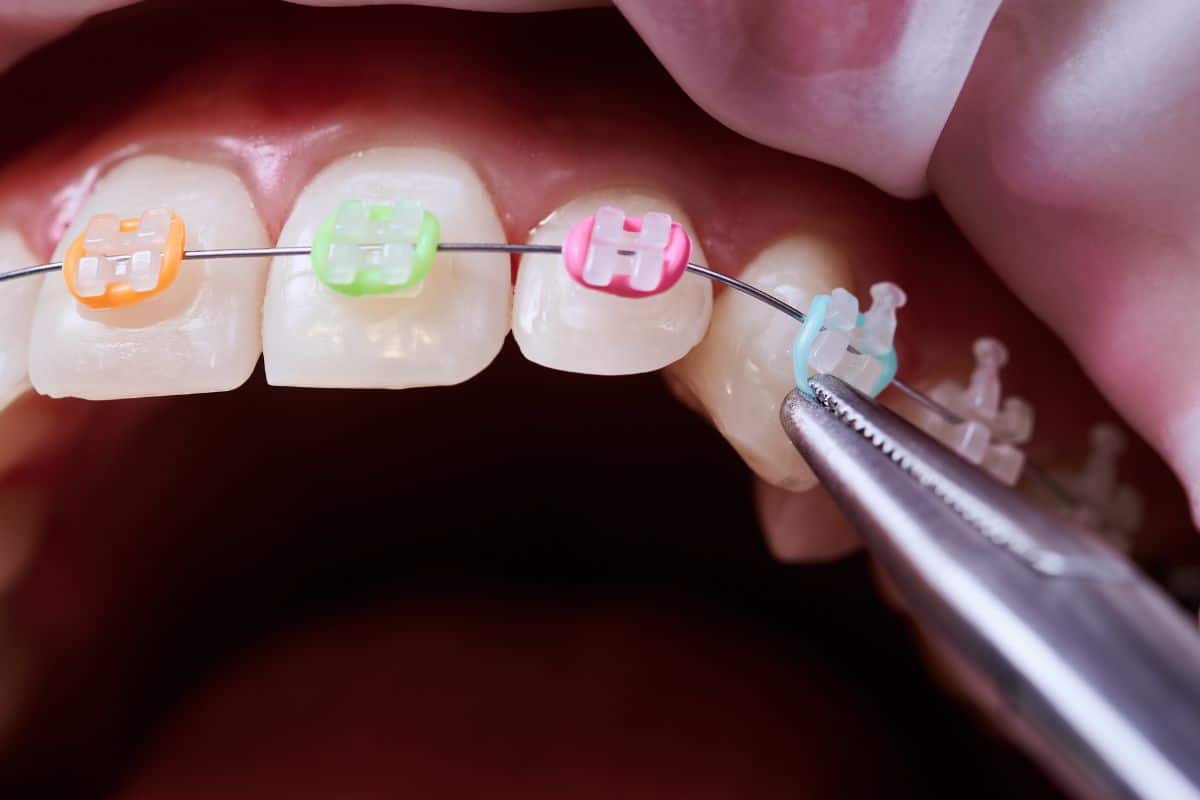
Rubber bands, also known as elastics, are tiny stretchy loops that are attached to the brackets of braces. They come in various sizes, colors, and strengths, and their primary purpose is to apply continuous pressure on the teeth, helping to move them into the desired position. Unlike the archwires, which are the main force behind the alignment process, rubber bands provide the additional force needed to correct specific bite issues, such as overbites, underbites, and crossbites.
How Do Rubber Bands Work?
Rubber bands work by creating tension between the upper and lower jaws, which helps in adjusting the bite and aligning the teeth. The orthodontist will determine the placement and configuration of the rubber bands based on the individual’s specific needs. By following the prescribed instructions and wearing the rubber bands as directed, patients can achieve optimal results in a shorter period.
Types of Rubber Bands
There are different types of rubber bands used in braces care, each serving a specific purpose. The most common types include:
- Class I Elastics: Used to close spaces between teeth.
- Class II Elastics: Used to correct overbites by pulling the upper teeth backward and the lower teeth forward.
- Class III Elastics: Used to correct underbites by pulling the lower teeth backward and the upper teeth forward.
- Anterior Elastics: Used to close open bites in the front teeth.
- Posterior Elastics: Used to correct crossbites in the back teeth.
The Role of Rubber Bands in Braces Treatment
1. Accelerating the Alignment Process
Rubber bands provide the necessary force to move the teeth more effectively and efficiently. By applying consistent pressure, they help speed up the alignment process, reducing the overall duration of the braces treatment. This is particularly beneficial for patients who are eager to achieve their desired results quickly.
2. Correcting Bite Issues
One of the primary functions of rubber bands is to address bite problems. Whether it’s an overbite, underbite, or crossbite, rubber bands help in repositioning the jaws and aligning the teeth correctly. This not only improves the aesthetics of the smile but also enhances the functionality of the teeth, leading to better oral health.
3. Ensuring Stability and Retention
Once the teeth have moved into their desired positions, rubber bands help maintain the new alignment and prevent relapse. Wearing rubber bands as instructed by the orthodontist ensures that the teeth remain stable during the final stages of treatment. This is crucial for achieving long-lasting results and avoiding the need for further orthodontic intervention.
Proper Care and Maintenance of Rubber Bands
1. Consistency is Key
To achieve the best results, it is essential to wear the rubber bands consistently as directed by the orthodontist. This means wearing them for the recommended number of hours each day and changing them regularly. Skipping or neglecting to wear the rubber bands can prolong the treatment time and affect the overall outcome.
2. Handling and Replacing Rubber Bands
Rubber bands are delicate and can break or lose their elasticity over time. It is important to handle them with care and replace them as soon as they show signs of wear and tear. Keeping a supply of extra rubber bands on hand ensures that you can replace them promptly and continue with your treatment without interruptions.
3. Oral Hygiene Practices
Maintaining good oral hygiene is crucial when wearing braces and rubber bands. Food particles can easily get trapped in the rubber bands and braces, leading to plaque buildup and potential dental issues. Brushing and flossing thoroughly, along with regular dental check-ups, help in keeping the teeth and gums healthy throughout the treatment process.
4. Managing Discomfort
Wearing rubber bands may cause some initial discomfort as the teeth adjust to the pressure. This discomfort is normal and typically subsides after a few days. Over-the-counter pain relievers can help alleviate any pain or soreness. It is important to communicate with your orthodontist if the discomfort persists or if you experience any other issues.
The Role of Khan Orthodontic Group Jericho in Braces Care
At Khan Orthodontic Group Jericho, we understand the significance of rubber bands in achieving successful orthodontic outcomes. Our experienced team of orthodontists provides personalized treatment plans tailored to each patient’s unique needs. By utilizing advanced techniques and high-quality materials, we ensure that our patients receive the best possible care throughout their braces treatment journey.
Rubber bands are an integral part of braces care, playing a crucial role in the alignment and correction of teeth. By providing the necessary force to move the teeth and address bite issues, they help accelerate the treatment process and ensure long-lasting results. Proper care and maintenance of rubber bands, along with consistent usage, are essential for achieving the desired outcomes.
For more information about braces care and the importance of rubber bands, visit Khan Orthodontic Group Jericho. Our team is dedicated to helping you achieve a healthy and beautiful smile through comprehensive orthodontic care.