A captivating smile not only enhances your appearance but also boosts your confidence. Achieving that perfect smile often requires the help of orthodontic braces, a common and effective treatment to correct misaligned teeth. In this comprehensive guide, we delve into how orthodontic braces work to straighten your smile, exploring the intricate process that leads to beautifully aligned teeth.
Understanding Orthodontic Braces
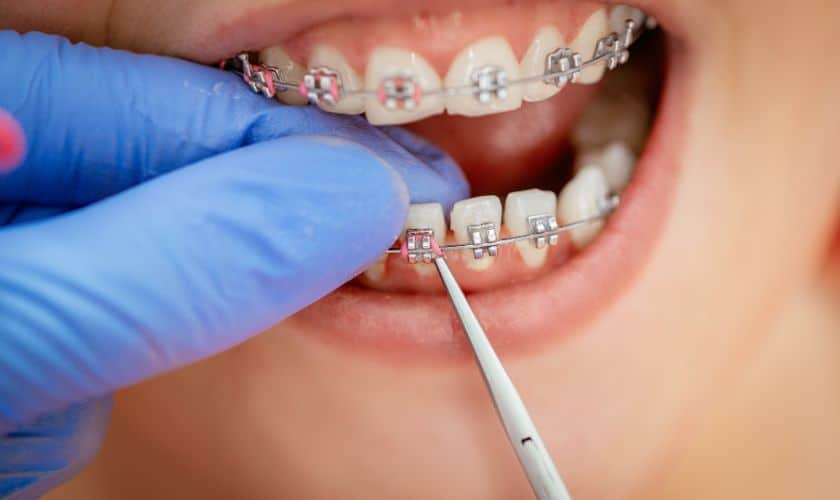
Orthodontic braces are dental devices used to correct various alignment issues such as crooked teeth, overcrowded teeth, and gaps between teeth. These devices consist of several components, including brackets, wires, and bands, which work together to gradually move teeth into the desired position. The process is meticulously planned and executed by orthodontists, specialists in dental alignment.
The Mechanics of Teeth Movement
Applying Gentle, Consistent Pressure
Orthodontic braces straighten teeth by applying gentle, consistent pressure over an extended period. This pressure stimulates the bone around the teeth, allowing them to move. Here’s a closer look at the key elements involved in this process:
- Brackets: Small, square-shaped attachments bonded to the front of each tooth. They serve as anchors for the archwires.
- Archwires: Thin metal wires threaded through the brackets. They guide the movement of the teeth by applying pressure.
- Bands: Elastic or metal bands that secure the archwires to the brackets, adding stability to the entire setup.
Bone Remodeling
As pressure is applied to the teeth, the bone surrounding the tooth roots undergoes a process known as bone remodeling. On the side of the tooth where pressure is applied, bone cells called osteoclasts break down bone tissue. Simultaneously, on the opposite side, osteoblasts form new bone. This remodeling process allows the teeth to move gradually into their new positions without causing damage to the roots or surrounding structures.
The Stages of Orthodontic Treatment
Initial Consultation and Planning
The journey to a straighter smile begins with an initial consultation with an orthodontist. During this visit, the orthodontist will evaluate your dental condition, take X-rays, photographs, and impressions of your teeth. This information is crucial for developing a personalized treatment plan tailored to your specific needs.
Placement of Braces
Once the treatment plan is finalized, the orthodontist will place the braces on your teeth. This involves cleaning the teeth, applying a bonding agent, and attaching the brackets. The archwires are then threaded through the brackets and secured with bands. This initial setup may cause some discomfort as your teeth begin to adjust to the pressure.
Regular Adjustments
Throughout the treatment period, which typically ranges from 18 months to 2 years, regular visits to the orthodontist are necessary. During these appointments, the orthodontist will make adjustments to the archwires and bands to ensure the teeth continue to move in the desired direction. These adjustments are essential for maintaining the correct pressure and promoting consistent tooth movement.
Retainers: Maintaining the Results
After the braces are removed, the orthodontist will provide retainers to maintain the newly aligned teeth. Retainers are custom-made devices that prevent the teeth from shifting back to their original positions. Wearing retainers as instructed is crucial for preserving the results of the orthodontic treatment.
Types of Orthodontic Braces
Metal Braces
Traditional metal braces are the most common type and are highly effective in treating various dental alignment issues. They are made of high-grade stainless steel and have become more comfortable and aesthetically pleasing over the years.
Ceramic Braces
Ceramic braces function similarly to metal braces but are made of tooth-colored or clear materials, making them less noticeable. They are a popular choice for individuals seeking a more discreet option.
Lingual Braces
Lingual braces are attached to the back of the teeth, making them virtually invisible from the front. They offer a cosmetic alternative for those who do not want their braces to be visible, though they may require more time to adjust to.
Invisalign
Invisalign aligners are clear, removable trays that gradually straighten teeth without the need for brackets and wires. They are custom-made for each patient and are a popular choice for adults and teenagers seeking a more flexible and aesthetically pleasing option.
Benefits of Orthodontic Treatment
Improved Oral Health
Straight teeth are easier to clean and maintain, reducing the risk of cavities, gum disease, and other oral health issues. Orthodontic treatment helps create a healthier oral environment.
Enhanced Aesthetics
A straight smile significantly enhances facial aesthetics. It boosts self-confidence and can positively impact social and professional interactions.
Better Functionality
Properly aligned teeth improve biting, chewing, and speaking functions. They reduce the risk of abnormal wear on teeth and help distribute the force of chewing more evenly.
Prevention of Dental Issues
Addressing misalignment early can prevent more serious dental problems in the future. Orthodontic treatment can alleviate issues such as jaw pain, temporomandibular joint disorders (TMJ), and excessive tooth wear.
Choosing the Right Orthodontist
Selecting a qualified and experienced orthodontist is crucial for a successful treatment outcome. Look for orthodontists with good reviews, relevant certifications, and a track record of successful treatments. Personalized care and clear communication are essential factors in ensuring a smooth and effective orthodontic experience.
Orthodontic braces play a vital role in achieving a straight, healthy, and beautiful smile. Through the precise application of pressure and the process of bone remodeling, braces can correct a wide range of dental alignment issues. Understanding the mechanics of braces, the stages of treatment, and the benefits of a properly aligned smile can help you make informed decisions about your orthodontic care.