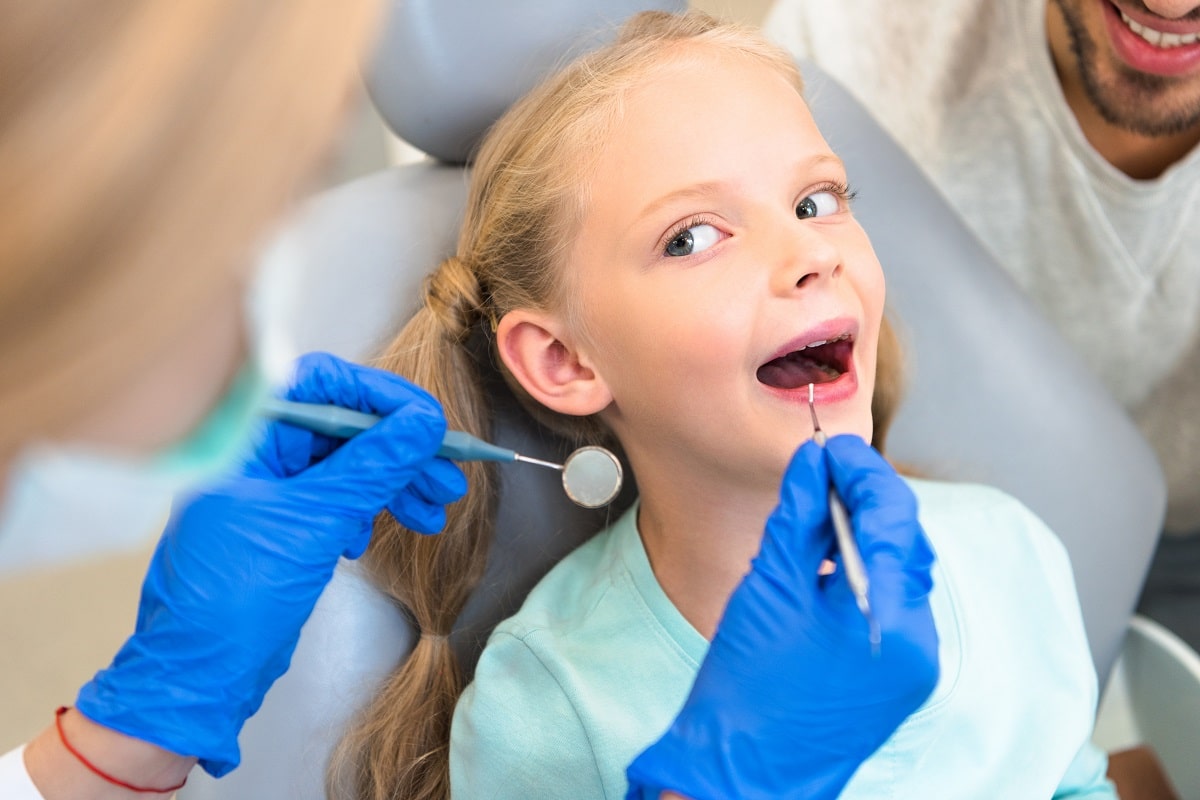
Children’s developing smiles can reveal early signs of jaw growth concerns, crowding, and bite irregularities long before all permanent teeth appear. Subtle indicators such as uneven bites, mouth breathing, or early tooth loss may signal the need for professional evaluation. In this blog, you’ll learn what these signs mean, when parents should consider an assessment, and why timely visits with an orthodontist in Merrick can play a key role in guiding healthy dental development.
Most parents focus on brushing habits and cavity prevention when thinking about their child’s oral health. But alignment and jaw growth are just as important. A child’s smile can act like a roadmap, showing how their teeth and facial structure are developing over time.
If you’ve ever noticed your child’s teeth looking crowded, protruding, or not meeting evenly, you may have wondered whether it’s normal or something that needs attention. While some growth patterns correct naturally, others benefit from early guidance. Recognizing these signs early can help prevent more complex concerns later and support confident, healthy smiles as children grow.
Ready to Support Your Child’s Smile Development?

Thank you for taking the time to learn how early evaluation can make a meaningful difference in your child’s oral health journey. Monitoring small developmental changes today can help avoid bigger challenges tomorrow.
At Khan Orthodontic Group, our dentists — Dr. Azita Naghavi Khan and Dr. Sabeeh Khan — provide personalized assessments and growth-focused care designed specifically for children. If you’ve noticed changes in your child’s bite or simply want reassurance about their development, scheduling a consultation is the next step toward clarity and confidence.
Why Timing Matters for Growing Smiles
Childhood is the only period when dental and jaw structures are still forming. During these years, guidance techniques can influence growth direction, spacing, and facial symmetry. According to the American Association of Orthodontists, children should receive their first orthodontic screening by age 7. This doesn’t mean treatment always begins then—it simply allows specialists to detect developing issues early.
Early evaluation can help identify:
-
Jaw size discrepancies
-
Crossbites and underbites
-
Severe crowding or spacing
-
Protruding front teeth
-
Harmful oral habits like thumb sucking
Detecting these concerns early often reduces the need for more complex correction later.
Signs Your Child May Benefit From Early Assessment
Parents are often the first to notice subtle changes. Consider scheduling an evaluation if your child shows:
-
Difficulty biting or chewing
-
Teeth that meet unevenly
-
Frequent cheek biting
-
Early or late loss of baby teeth
-
Speech difficulties
-
Mouth breathing
These symptoms don’t always require immediate intervention, but they can signal developmental patterns worth monitoring.
Understanding Growth-Phase Smile Guidance
Children’s care is typically divided into two stages:
Phase One: Developmental Guidance
This stage focuses on directing jaw growth and creating space for permanent teeth. Appliances may be removable or fixed and are designed to work with natural growth patterns rather than against them.
Phase Two: Alignment Refinement
Once most permanent teeth erupt, a second stage may fine-tune positioning for optimal function and appearance.
Midway through this process, your provider may recommend early orthodontic treatment if they determine that growth modification or space management would prevent complications later. This proactive approach can shorten total care time and improve long-term stability.
Benefits of Addressing Concerns Early
Parents often ask whether waiting until adolescence is simpler. In some mild cases, monitoring is appropriate. However, timely intervention offers distinct advantages:
-
Guides jaw growth for better facial balance
-
Reduces the risk of impacted teeth
-
Lowers the likelihood of extractions
-
Improves speech and chewing efficiency
-
Protects protruding teeth from injury
-
Simplifies later alignment phases
In many cases, early care transforms complex problems into manageable ones.
Common Myths Parents Should Know
Myth 1: Baby teeth don’t matter.
They actually serve as placeholders for permanent teeth. Losing them too soon can lead to crowding or misalignment.
Myth 2: Kids must have all adult teeth before evaluation.
Growth monitoring should start years earlier so specialists can track development.
Myth 3: Treatment always means braces right away.
Many children only need observation visits until the ideal timing for intervention.
What Happens During a Child’s First Orthodontic Visit?
Initial visits are designed to be simple and stress-free. Typically, they include:
-
Visual examination of teeth and jaw
-
Digital imaging or X-rays if needed
-
Bite analysis
-
Growth assessment
-
Parent consultation
The goal is education, not immediate procedures. Parents leave with a clear understanding of their child’s development and whether monitoring or action is recommended.
Local Considerations for Merrick Families
Children in Merrick often participate in sports, music, and academic activities that can affect oral habits and jaw development. For example:
-
Mouthguards may be recommended for young athletes.
-
Wind instrument players may benefit from alignment guidance.
-
Busy school schedules make shorter, preventive care plans appealing.
Local providers understand these lifestyle factors and tailor recommendations accordingly.
Practical Tips for Parents
You can support your child’s smile development at home by:
-
Encouraging consistent brushing and flossing habits
-
Monitoring thumb sucking beyond age 4
-
Offering balanced nutrition rich in calcium and vitamin D
-
Scheduling regular dental checkups
-
Observing changes in bite or speech
Small daily habits often influence long-term oral development more than parents realize.
Conclusion
Thank you for taking the time to learn about the importance of timely smile evaluations for children. Understanding growth patterns early allows families to prevent complications, reduce treatment intensity, and support healthy development.
If you have concerns about your child’s bite, spacing, or jaw growth, visit the team at Khan Orthodontic Group in Merrick. We are here and ready to help. Contact the practice today to schedule a consultation and receive personalized guidance tailored to your child’s needs.
FAQs
When should my child have their first orthodontic evaluation?
Most experts recommend screening by age 7 to assess growth patterns and detect potential concerns.
Does every child need braces early?
No. Many children only require monitoring until the ideal treatment window.
Are early appliances uncomfortable?
Modern devices are designed for comfort and are typically well tolerated by children.
Can early care prevent tooth extractions later?
In some cases, guiding jaw growth creates space and reduces the need for removals.
How long does Phase One usually last?
It varies but typically ranges from 9 to 18 months, depending on developmental needs.
Will insurance cover children’s orthodontic care?
Many plans offer partial coverage; your provider can review benefits and financing options.