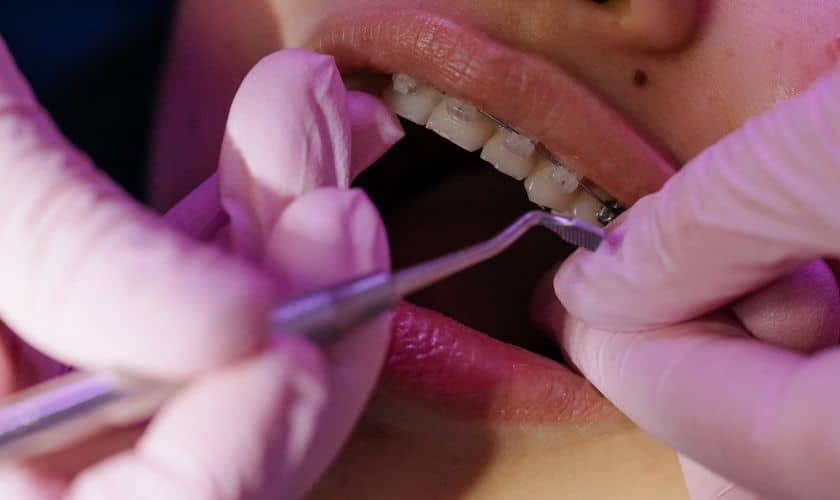
Braces have long been a cornerstone of orthodontic treatment, revolutionizing dental health for millions of people worldwide. From traditional metal braces to modern alternatives like Invisalign, the evolution of braces has transformed the landscape of dental care. In this comprehensive guide, we delve into the history, evolution, and impact of braces on dental health, specifically focusing on Braces in Maspeth and Invisalign in Maspeth.
The History of Braces: From Ancient Beginnings to Modern Innovations
Braces trace their roots back to ancient times, with early civilizations experimenting with crude methods to straighten teeth. Archaeological findings suggest that ancient Egyptians used metal bands wrapped around teeth to close gaps and correct misalignments. However, it wasn’t until the 18th century that braces began to take shape in a more recognizable form.
The advent of modern orthodontics in the 19th century paved the way for significant advancements in brace technology. Pioneers like Pierre Fauchard and Edward Angle introduced innovative techniques and devices, laying the foundation for contemporary orthodontic practices. Over the years, braces evolved from bulky, uncomfortable contraptions to sleek, discreet appliances designed for maximum comfort and effectiveness.
The Evolution of Braces: From Metal Wires to Clear Aligners
Traditional metal braces have been a mainstay of orthodontic treatment for decades, offering a reliable solution for correcting a wide range of dental issues. Made from high-grade stainless steel, these braces consist of brackets bonded to the front surface of teeth, connected by metal wires and elastic bands. Despite their conspicuous appearance, metal braces remain a popular choice for patients seeking comprehensive orthodontic correction.
In recent years, advancements in dental technology have led to the development of alternative treatments like Invisalign. Utilizing clear, removable aligners, Invisalign offers a discreet and convenient solution for straightening teeth without the need for metal wires or brackets. Custom-made to fit snugly over the teeth, Invisalign aligners gradually shift them into the desired position, providing a comfortable and virtually invisible orthodontic experience.
The Impact of Braces on Dental Health: Beyond Aesthetic Enhancement
While braces are often associated with cosmetic improvements, their impact extends far beyond aesthetics. Properly aligned teeth contribute to overall oral health by reducing the risk of various dental problems, including:
1. Tooth Decay and Gum Disease
Misaligned teeth can create tight spaces where food particles and plaque accumulate, increasing the risk of tooth decay and gum disease. Braces help align teeth, making them easier to clean and maintain, thus reducing the likelihood of oral health issues.
2. Jaw Pain and TMJ Disorders
Malocclusions and bite irregularities can lead to jaw pain and temporomandibular joint (TMJ) disorders. By correcting misalignments, braces alleviate pressure on the jaw joint and improve bite function, resulting in reduced discomfort and improved jaw mobility.
3. Speech Impediments
Severe dental misalignments can affect speech clarity and articulation. Braces help align teeth and improve oral function, allowing patients to speak more clearly and confidently.
Choosing the Right Orthodontic Treatment: Factors to Consider
When considering orthodontic treatment, patients have a range of options to choose from, each with its own benefits and considerations. Factors to consider when selecting the right treatment include:
1. Severity of Misalignment
The complexity of dental issues will influence the type of orthodontic treatment recommended by your dentist or orthodontist. While mild to moderate misalignments may be suitable for Invisalign treatment, more severe cases may require traditional braces for optimal results.
2. Lifestyle and Aesthetic Preferences
Some patients prioritize discretion and convenience when selecting orthodontic treatment. Invisalign offers a discreet option for those who wish to maintain a more natural appearance during treatment, while others may prefer the durability and reliability of traditional metal braces.
3. Treatment Duration and Compliance
The duration of orthodontic treatment and the level of patient compliance are essential considerations. Invisalign treatment typically requires fewer office visits and offers greater flexibility, making it an attractive option for busy individuals with hectic schedules.
Braces have undergone a remarkable evolution, revolutionizing orthodontic treatment and transforming smiles around the world. From traditional metal braces to innovative alternatives like Invisalign, patients now have more options than ever to achieve optimal dental health and aesthetic enhancement. By exploring the history, evolution, and impact of braces on dental health, we gain a deeper understanding of their significance in modern dentistry.