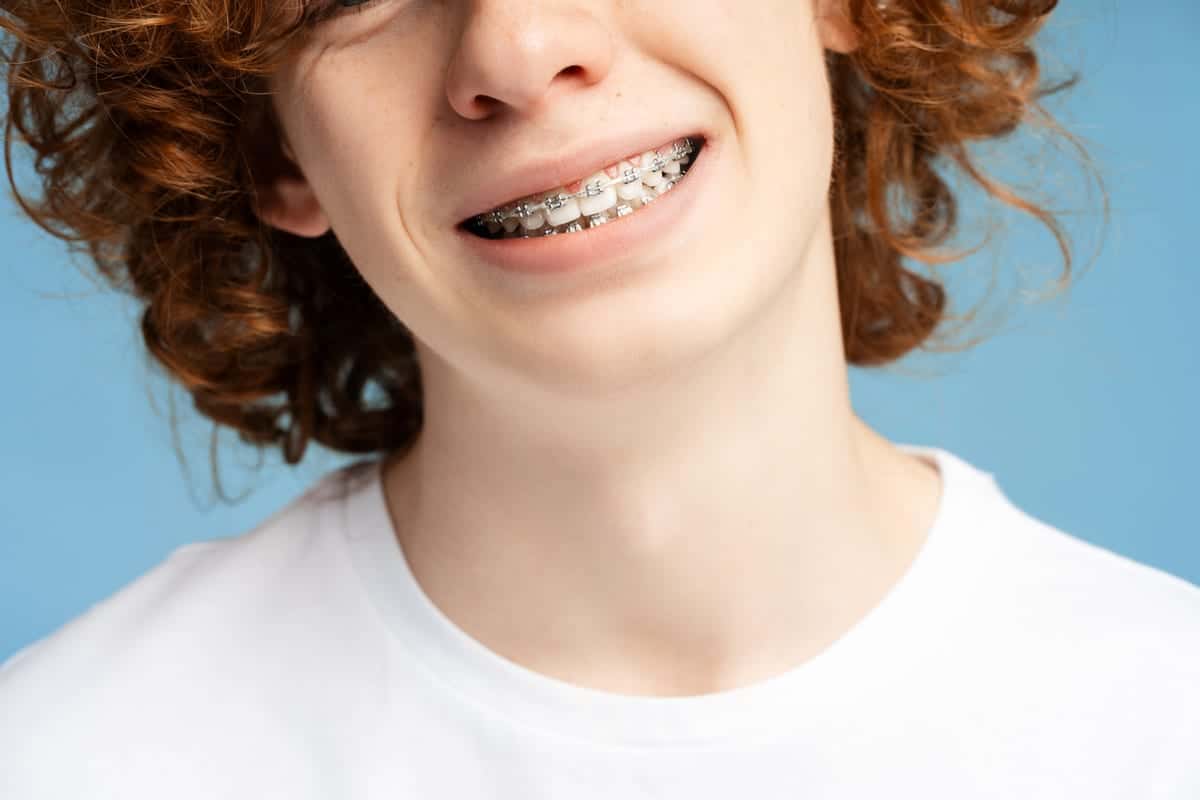
Many Maspeth patients ask a very important question after finishing orthodontic treatment. Will your braces results last forever, or do they fade in Maspeth over time? The honest answer is that results can last a lifetime — but only with the right habits. Understanding what protects your smile is just as important as the treatment itself.
At Khan Orthodontic Group – Jericho Office, Dr. Azita Naghavi Khan helps patients understand what comes after braces. This article breaks down exactly how long results last, what shortens their lifespan, and how to protect your investment for years to come. If you want to learn more, visit our Dental Blog Maspeth for ongoing tips and guidance.
How Long Do Braces Results Actually Last in Maspeth?
Braces can permanently shift your teeth into better alignment. However, teeth are not fixed in stone — they respond to pressure over time. Without proper follow-up care, gradual shifting can occur. This process is called relapse, and it affects many patients who skip post-treatment steps.
Most orthodontists agree that results are highly stable in the first few years. After that, the key factor is retainer use. Patients who wear retainers consistently enjoy much longer-lasting results. Those who stop wearing retainers often notice movement within months.
The good news is that significant relapse is largely preventable. With simple, consistent habits, your smile can stay aligned for decades. The work you do after braces matters just as much as the treatment itself.
What Causes Braces Results to Fade Over Time?
Several factors can cause your teeth to shift after braces. Knowing these risks helps you avoid common mistakes. Here are the most frequent causes of post-treatment relapse:
- Not wearing your retainer: This is the single biggest cause of shifting teeth after braces.
- Natural aging: As you age, teeth naturally tend to crowd slightly, especially in the lower front area.
- Wisdom teeth pressure: Emerging wisdom teeth can push other teeth out of position.
- Grinding or clenching: This puts irregular pressure on teeth and can cause movement.
- Gum disease or bone loss: These conditions weaken the structures that hold teeth in place.
- Skipping dental check-ups: Without regular monitoring, small shifts go unnoticed until they become larger problems.
Understanding these risks puts you in control. Many of them are entirely preventable with consistent professional care. Explore your Treatment Maspeth options to stay proactive about your orthodontic health.
The Role of Retainers in Preserving Your Smile
Retainers are the single most important tool for maintaining braces results. After braces come off, the bone and tissue around your teeth need time to stabilize. Without a retainer, teeth begin drifting almost immediately. This is biology — not a flaw in your treatment.
There are two main types of retainers to consider:
- Removable retainers: Worn at night, these are easy to use and easy to clean. They require consistent discipline but offer flexibility.
- Fixed (bonded) retainers: Attached to the back of the teeth, these work continuously without requiring you to remember to wear them. They do require special cleaning techniques.
Many patients start with full-time retainer wear for the first few months. After that, nightly wear is often sufficient. Your orthodontist will give you a customized schedule based on your specific case.
Losing or breaking your retainer is not the end of the world. Contact your provider quickly and get a replacement. Every day without a retainer is a day your teeth may shift slightly. Acting fast limits the damage.
Daily Habits That Extend the Life of Your Results
Retainers are essential, but your daily habits also play a huge role. Small choices add up over months and years. Here is what consistently helps patients in Maspeth protect their smile long-term:
- Brush twice daily and floss every day to prevent gum disease
- Wear a nightguard if you grind your teeth during sleep
- Avoid chewing on ice, pens, or hard objects that stress your teeth
- Schedule regular dental cleanings and orthodontic check-ins
- Address any jaw pain or bite issues early before they worsen
Good oral hygiene keeps your gums and bone healthy. Healthy supporting structures mean your teeth stay in position longer. Neglecting oral care accelerates both gum disease and tooth movement.
Diet matters too. Crunchy and hard foods occasionally are fine. But regularly chewing very hard items puts stress on your bite alignment. Balanced choices protect both your teeth and your orthodontic investment.
When Should Maspeth Patients Consider Touch-Up Treatment?
Even with the best habits, some patients notice slight shifting years down the road. This does not mean your original treatment failed. It simply means biology has continued doing what it always does. The good news is that touch-up treatment options exist.
Invisalign is a popular choice for minor corrections after braces. It is discreet, comfortable, and often faster than full braces treatment. Many adults in Maspeth use clear aligners to address small shifts without major disruption to their lives.
Deciding whether you need a touch-up starts with an evaluation. Dr. Azita Naghavi Khan can assess your current alignment and recommend the right path. Early intervention always leads to simpler and more affordable corrections. Waiting too long allows minor shifts to become significant problems.
Frequently Asked Questions
Will my teeth always shift after braces?
Some natural movement is normal over a lifetime. However, significant shifting is preventable. Consistent retainer use and good oral hygiene are the most effective ways to minimize movement and maintain your results long-term.
How long do I need to wear my retainer?
Most orthodontists recommend wearing a retainer indefinitely. In the first few months after treatment, full-time wear is common. After that, nightly wear is typically sufficient. Your specific schedule depends on your case and your provider’s guidance.
What happens if I stop wearing my retainer?
Teeth can begin shifting within weeks of stopping retainer use. The longer you go without wearing it, the more movement may occur. If you have stopped wearing your retainer, contact your orthodontist as soon as possible for an evaluation.
Can Invisalign fix shifting after braces?
Yes, Invisalign is an excellent option for minor corrections after braces. It is discreet and effective for small alignment changes. A consultation with your orthodontist will determine whether Invisalign or another approach is right for your situation.
How often should I visit the orthodontist after treatment ends?
Periodic check-ins — even once every year or two — help catch small shifts early. Your general dentist can also monitor your alignment during regular visits. Early detection makes any necessary corrections much simpler and less involved.
Your smile is one of the most visible parts of your appearance. Protecting your orthodontic results does not require extreme effort — just consistent, informed habits. Dr. Azita Naghavi Khan and the team at Khan Orthodontic Group are here to support Maspeth patients every step of the way. Book Now to schedule your appointment with our team.