Are you wondering how braces work and what benefits they offer? If so, you’re in the right place! Braces are a common orthodontic treatment that can help straighten teeth, fix bite alignment issues, and improve overall dental health. But with different types of braces available and varying opinions on when to get them, it’s important to understand the basics before diving in. In this blog post, we’ll cover everything you need to know about braces – from their function to their advantages – so that you can make an informed decision about your dental care.
Braces, What Are They And What Do They Do?
Braces are orthodontic devices designed to correct dental irregularities such as crooked teeth, overbites, underbites, and overcrowding. They work by applying steady pressure on the teeth over a period of time, gradually shifting them into the desired position.
There are different types of braces available today including traditional metal braces, ceramic braces that blend in with your tooth color, lingual braces placed behind your teeth and invisible aligners like Invisalign. Each type has its unique advantages and disadvantages depending on your individual needs.
One of the main benefits of braces is improved oral health since straighter teeth are easier to clean and less prone to cavities or gum diseases. Braces can also help enhance self-esteem by giving you a confident smile which can be important for social situations, job interviews or personal relationships.
It’s important to note that getting braces requires careful consideration from an experienced orthodontist who will diagnose any underlying issues before recommending treatment options. The duration of treatment depends on various factors like age, extent of correction needed and compliance with wearing them properly.
In summary, braces play a crucial role in correcting dental issues that could otherwise impact overall health or self-confidence negatively. With proper care and attention from an expert orthodontist throughout the process – achieving a beautiful healthy smile is definitely achievable!
Types Of Braces
When it comes to braces, there are different types available depending on the specific needs and requirements of a patient. Here’s a rundown of some common types of braces:
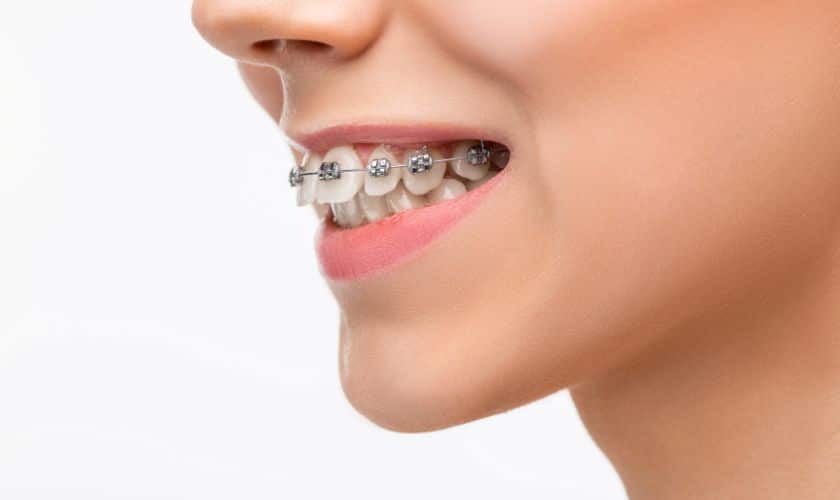
- Traditional metal braces – These are the most commonly used type of braces. They consist of metal brackets that are glued to the teeth and connected by wires.
- Ceramic or clear braces – These work similarly to traditional metal braces but use tooth-colored or clear brackets instead, making them less noticeable.
- Lingual Braces – This type works like traditional metal braces but is placed behind your teeth rather than in front which makes them invisible from outside.
- Invisalign – This treatment uses custom-made clear aligners that fit over your teeth, gradually shifting them into place without any visible hardware.
The choice between these types will ultimately depend on each individual’s needs, preferences, and budget as well as their orthodontist’s recommendation. It is important to consult with an experienced orthodontic specialist who can help you choose the best option for your unique situation.
Advantages Of Braces
Advantages of braces are numerous, and they extend beyond just straightening crooked teeth. Firstly, braces can improve the health of your teeth and gums by aligning them correctly. Misaligned teeth often cause gum disease as it’s harder to clean between them, but with properly aligned teeth, brushing and flossing become more effective.
Secondly, braces help correct bite problems such as overbite or underbite that can lead to jaw pain or TMJ (Temporomandibular joint) disorders. By correcting these issues early on with braces treatment, you can avoid more complex dental treatments in the future.
Another advantage of braces is improved self-esteem and confidence. When you have a beautiful smile that you’re proud of, it boosts your confidence levels significantly. You’ll also be able to chew food better without discomfort or embarrassment which will allow you to enjoy foods that were previously off-limits.
Having a well-aligned bite helps prevent premature wear-and-tear on your enamel caused by incorrect biting patterns. This means fewer cavities and less need for fillings or other restorative treatments down the road.
Getting braces has many benefits both for your oral health and overall well-being!
How To Get Braces
Getting braces is a big decision and requires careful consideration. The first step is to schedule an appointment with an orthodontist for a consultation. During this initial visit, the orthodontist will evaluate your teeth and jaws to determine if braces are necessary.
If you do need braces, the next step is to choose which type of braces you want. There are several options available including traditional metal braces, ceramic or clear brackets, lingual (hidden) braces, and clear aligners such as Invisalign.
Once you have decided on the type of braces you want, your orthodontist will take impressions of your teeth and create a treatment plan specifically tailored to your unique needs. This plan will include how long you’ll need to wear the braces for and any adjustments that may be necessary along the way.
After this initial planning stage, it’s time to get started with getting your actual braces put on! This process involves cleaning and preparing your teeth before attaching each bracket individually using special dental cement or bonding material. Arch wires are attached through each bracket in order to gradually move your teeth into their desired position over time.
Getting braces can seem like a daunting process at first but by taking it one step at a time with guidance from an experienced orthodontist, achieving straighter teeth has never been easier or more accessible!
When To Get Braces
When to get braces is a common concern for many people who are considering orthodontic treatment. The truth is that there is no one-size-fits-all answer to this question, as the timing of when to get braces will depend on individual circumstances.
In general, it’s recommended that children have an orthodontic evaluation by age 7 so that any potential issues can be identified and addressed early on. However, this doesn’t necessarily mean that your child will need braces right away.
For some individuals, getting braces in adolescence or adulthood may be more appropriate based on their specific dental needs. Your dentist or orthodontist can help you determine the best timing for orthodontic treatment based on factors such as the alignment of your teeth and jaw structure.
If you’re experiencing pain or discomfort due to misaligned teeth or bite issues, it may also be time to consider getting braces. Ultimately, the decision of when to get braces should be made in consultation with a qualified dental professional who can provide personalized guidance based on your unique situation.
The Bottom Line
Braces are a valuable tool in helping people achieve a beautiful and healthy smile. Whether you have crooked teeth, overbite or underbite, braces can help correct these issues and give you the confidence to show off your pearly whites. With various options available such as metal braces, ceramic braces or clear aligners, there’s sure to be an option that fits your needs and lifestyle.
It’s important to remember that getting braces is not just for cosmetic reasons but also for improving oral health. Straighter teeth are easier to brush and floss which means less chance of developing cavities or gum disease.
If you’re considering getting braces, talk with your orthodontist about what options would work best for you. They will be able to assess your specific needs and provide recommendations based on their expertise.
In short, don’t let misaligned teeth hold you back from smiling confidently! Consider the benefits of getting braces and take the first step towards achieving a healthier, happier smile today.