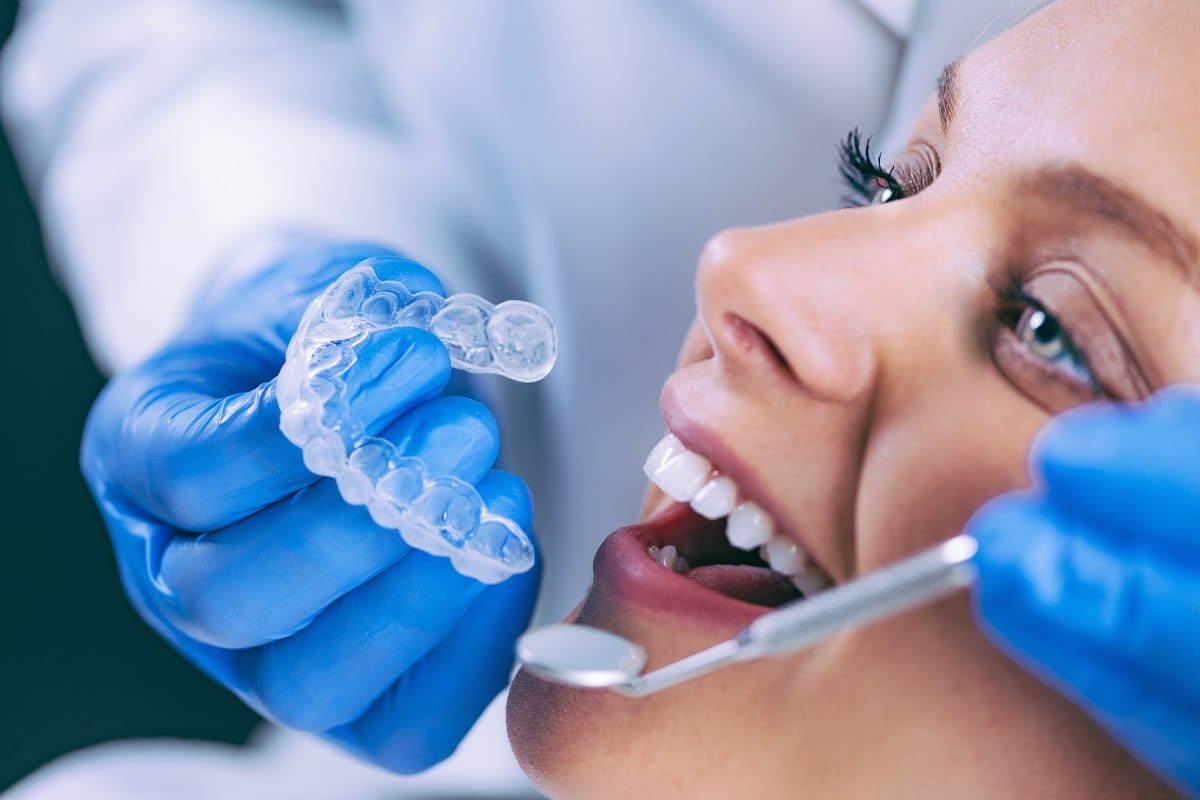
Choosing orthodontic treatment is a meaningful decision, and one of the first questions most patients ask is how long Invisalign treatment will take. It’s a natural concern—people want straighter teeth, but they also want a clear idea of the commitment involved and how it will fit into their daily lives.
Treatment timelines can feel uncertain, especially when every smile is different. This blog explains how Invisalign timelines are determined, what factors influence treatment length, and what science and clinical experience tell us—so you can move forward with confidence. For patients exploring Invisalign treatment in Merrick, this guide is designed to give clarity without confusion.
Ready for your new smile. Visit us today!

Khan Orthodontic Group provides comprehensive orthodontic care with a patient-first approach. Led by Dr. Sabeeh Khan and Dr. Azita Khan, the practice offers Invisalign, traditional orthodontics, and retention solutions designed around comfort, precision, and long-term results.
With a commitment to advanced technology, compassionate care, and clear communication, the team strives to make every orthodontic visit a positive experience. If you’re considering Invisalign treatment in Merrick, scheduling a consultation is a helpful first step toward achieving a balanced, confident smile.
What Affects Invisalign Treatment Time?
There isn’t a single, fixed timeline for Invisalign because orthodontic care is highly personalized. Treatment length depends on several clinical and lifestyle factors, including:
-
The complexity of tooth movement needed
-
Crowding, spacing, or bite alignment issues
-
How consistently aligners are worn (typically 20–22 hours per day)
-
Age and bone response
-
Whether refinements are needed during treatment
For many patients, Invisalign treatment can range from 6 to 18 months, with mild alignment concerns often resolving sooner and more complex cases requiring additional time.
A Gentle Reminder Before We Go Further
If you’re researching Invisalign and taking the time to understand how it works, you’re already making a thoughtful decision. Learning about your options is an important first step toward a healthier, more confident smile.
What Orthodontics Tell Us
Orthodontic tooth movement is a well-studied biological process. Organizations such as the American Dental Association (ADA) and the American Association of Orthodontists (AAO) recognize clear aligner therapy as a safe and effective orthodontic option when planned and supervised by trained professionals.
Clinical studies show that Invisalign can achieve predictable results when aligners are worn as directed and treatment is guided by digital planning. There is no evidence that Invisalign is inherently slower or less effective than traditional braces for appropriately selected cases. In fact, advanced software allows orthodontists to map out tooth movement from start to finish, offering realistic expectations for treatment duration while prioritizing patient safety and comfort.
How Invisalign Treatment Works (Step by Step)
Invisalign is designed to move teeth gradually and comfortably using a series of custom-made clear aligners.
-
Digital Scan and Treatment Planning
A 3D digital scan creates a precise model of your teeth. This allows your orthodontist to design a personalized treatment plan and estimate the timeline. -
Custom Aligner Series
Each set of aligners applies gentle pressure to guide teeth into better alignment. Aligners are typically changed every one to two weeks. -
Progress Monitoring
Regular check-ins ensure teeth are moving as planned. Adjustments or refinements may be made if needed. -
Completion and Retention
Once alignment goals are met, retainers help maintain results and protect your investment.
Throughout treatment, Invisalign focuses on controlled movement, comfort, and preserving the natural structure of your teeth.
Why Treatment Time Matters
Invisalign isn’t just about aesthetics—it plays a role in long-term oral health. Properly aligned teeth can:
-
Improve chewing and speech
-
Reduce uneven tooth wear
-
Support healthier gums
-
Make daily brushing and flossing easier
Delaying orthodontic care may allow bite issues or crowding to worsen over time, potentially leading to discomfort or more complex treatment later. Invisalign’s flexibility makes it especially appealing for patients balancing work, school, and social commitments.
As one satisfied patient shared—
“????The staff at the orthodontist office are truly outstanding. Their bright, friendly demeanor creates a welcoming and uplifting environment that makes each visit a pleasure. Their professionalism and dedication to patient care shine through in every interaction, ensuring that you feel comfortable and well taken care of. The officer is equally commendable, contributing to the positive atmosphere with exceptional support and attentiveness. Together, they form an amazing team that genuinely enhances the orthodontic experience.???? and if you meet TODD you’ll know what I’m talking about ????”
— I. Cruz
Experiences like this reflect the importance of a supportive orthodontic team. Many patients find reassurance in reading additional reviews and learning from others who’ve gone through similar treatment journeys.
Is Invisalign Painful?
It’s common to feel mild pressure or soreness when starting a new set of aligners. This sensation is generally short-lived and often described as less intense than traditional braces.
Modern aligner materials and precise planning help minimize discomfort. Most patients find that any initial tightness fades within a day or two, and many appreciate that Invisalign has no wires or brackets to irritate cheeks or gums. Waiting too long to address alignment concerns, however, can lead to increased discomfort or functional issues over time.
What Happens If You Delay Treatment?
Putting off orthodontic care doesn’t usually make the problem go away. Over time, misalignment can contribute to:
-
Increased tooth wear
-
Jaw strain or bite imbalance
-
Greater difficulty in cleaning teeth effectively
Early evaluation allows for more predictable planning and may help prevent future complications, supporting both oral and overall health.
Safety, Technology, and Modern Invisalign Care
Today’s Invisalign treatment relies on advanced digital imaging, precise aligner fabrication, and evidence-based orthodontic protocols. Sterilized environments, high-quality materials, and data-driven planning make Invisalign a routine and well-established treatment option in modern orthodontics.
These tools allow orthodontists to track progress closely and adjust treatment as needed, reinforcing both safety and reliability.
Trusted Invisalign Care Close to Home
At Khan Orthodontic Group, patients receive individualized Invisalign care guided by experience, education, and clear communication. Dr. Sabeeh Khan and Dr. Azita Khan focus on helping patients understand their treatment timelines, expectations, and long-term benefits—without pressure.
By emphasizing patient comfort and education, the practice supports informed decisions at every stage of care.
Ready to Take the Next Step?
If you’re noticing crowding, bite issues, or simply want to understand whether Invisalign is right for you, an orthodontic consultation can provide clarity. Early evaluation allows for personalized planning and helps keep treatment timelines on track.
Final Thoughts
Invisalign treatment time depends on your unique smile, goals, and consistency—but it is a proven, science-backed approach to orthodontic care. With modern technology, expert planning, and patient cooperation, Invisalign offers a reliable path to a healthier, more confident smile.
Understanding your options empowers you to make decisions that support both your oral health and overall well-being.