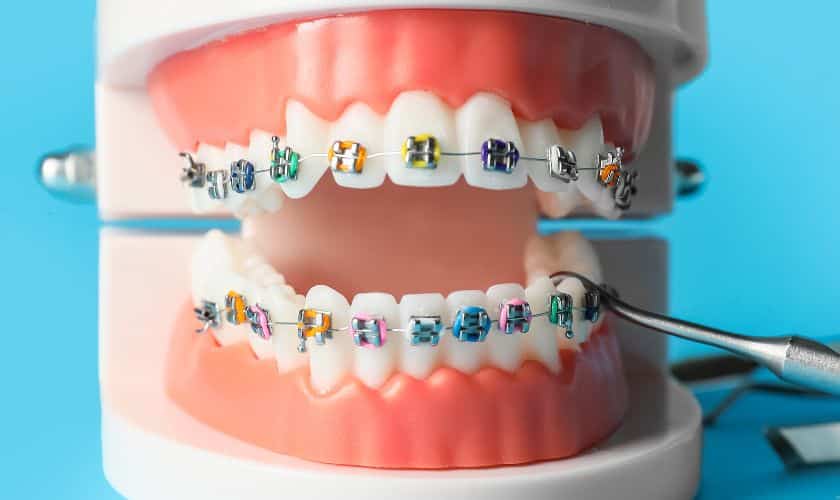
Orthodontics plays a crucial role not only in enhancing dental aesthetics but also in significantly improving speech and pronunciation. Many people are unaware of the direct impact that orthodontic treatment can have on speech clarity and articulation. In this article, we delve into the intricate connection between orthodontics and improved speech, shedding light on how correcting dental alignment can lead to clearer, more confident communication.
Understanding the Role of Orthodontics in Speech Improvement
Orthodontic treatment involves the use of braces, aligners, or other dental appliances to straighten teeth and correct bite issues. While the primary goals often revolve around achieving a straighter smile and better oral health, the benefits extend beyond aesthetics. Misaligned teeth or malocclusions can affect speech in several ways:
Correcting Dental Misalignments
Misaligned teeth can create challenges in forming certain sounds, such as “s,” “t,” “z,” and “sh.” When teeth are properly aligned through orthodontic intervention, individuals find it easier to articulate these sounds clearly and precisely. This correction is particularly crucial during critical developmental stages, such as childhood and adolescence, when speech patterns are being established.
Resolving Overcrowding or Gaps
Overcrowded or widely spaced teeth can also impact speech. Overcrowding, for instance, can cause lisping or difficulty in pronouncing certain consonants. Orthodontic treatment addresses these issues by aligning teeth properly, eliminating spaces or reducing overcrowding, thereby enhancing speech clarity.
The Scientific Connection: How Orthodontics Affects Pronunciation
Scientific studies have shown a direct correlation between orthodontic treatment and improved speech outcomes. Researchers have observed that individuals who undergo orthodontic correction often experience significant enhancements in their ability to pronounce words clearly and fluently.
Impact on Confidence and Social Interaction
Beyond the technical aspects of speech improvement, orthodontic treatment can boost an individual’s confidence in social settings. Clearer speech fosters better communication, leading to improved self-esteem and social interaction. This psychological benefit is as crucial as the physical improvements brought about by orthodontic procedures.
When to Consider Orthodontic Treatment for Speech Issues
Parents and adults alike should be aware of signs indicating the need for orthodontic intervention to address speech concerns. These signs may include persistent speech impediments, difficulty articulating certain sounds, or a history of speech therapy without significant improvement.
Consultation with Orthodontic Specialists
Consulting with an orthodontic specialist is essential for evaluating whether dental alignment issues contribute to speech impediments. These professionals can conduct comprehensive assessments and recommend personalized treatment plans to address both aesthetic concerns and speech improvement goals.
In conclusion, orthodontics goes beyond straightening teeth; it plays a pivotal role in enhancing speech and pronunciation. By correcting dental misalignments and improving bite function, orthodontic treatment enables individuals to speak clearly and confidently. Whether addressing childhood speech development or adult speech impediments, orthodontics offers effective solutions backed by scientific research and clinical expertise.