Straightening your teeth is not only beneficial for your oral health but can also give you the confidence to flash a stunning smile. If you’re considering orthodontic treatment, you may be weighing the options between traditional braces and Invisalign. Both are effective methods of aligning teeth, but they have distinct differences that make them suitable for different individuals. In this blog post, we’ll explore the pros and cons of both Invisalign and braces to help you make an informed decision about which option is right for you. Let’s dive in!
What are Invisalign and braces?
Invisalign and braces are both orthodontic treatments designed to straighten teeth and improve your smile. However, they differ in their approach and appearance.
Braces consist of metal brackets that are glued to the front of each tooth and connected by wires. These wires apply continuous pressure, gradually shifting the teeth into proper alignment over time. Braces can also include additional components like rubber bands or headgear for more complex cases.
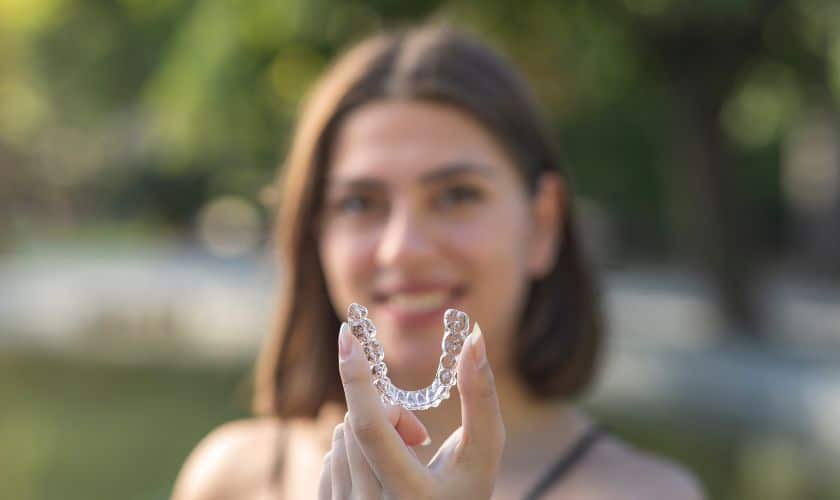
On the other hand, Invisalign uses a series of clear aligners made from smooth plastic material. These aligners are custom-made to fit snugly over your teeth and are virtually invisible when worn. Every few weeks, you will switch to a new set of aligners as your teeth gradually shift into place under gentle pressure.
While braces might be noticeable due to their metal components, Invisalign offers a more discreet option for those who prefer a less noticeable treatment method.
The different types of braces
When it comes to orthodontic treatment, braces have long been a popular choice. But did you know there are actually several different types of braces available? Each type offers its own unique features and benefits, allowing patients to find the perfect fit for their individual needs.
Traditional metal braces are the most common type and have been used for decades. Made from stainless steel brackets and wires, they effectively straighten teeth by applying gentle pressure over time. While some may view them as less aesthetically pleasing compared to other options, they remain a reliable and cost-effective choice.
For those seeking a more discreet option, ceramic braces are a fantastic alternative. These braces use clear or tooth-colored brackets that blend in with your natural teeth, making them much less noticeable than traditional metal ones. Though slightly more expensive than metal braces, many patients appreciate their subtle appearance.
Another popular option is lingual braces which are placed on the backside of your teeth rather than the front. This makes them virtually invisible when you smile or speak. Lingual braces require precise customization due to their placement but offer great results for those who prioritize aesthetics during treatment.
In recent years, clear aligners like Invisalign have gained significant popularity thanks to their nearly invisible appearance and convenient removable design. Custom-made using advanced technology, these aligners gradually shift your teeth into alignment without the need for wires or brackets.
Selecting the right type of brace depends on various factors such as personal preference, lifestyle considerations, budget constraints, and severity of orthodontic issues. Consulting with an experienced orthodontist will help you make an informed decision about which type best suits your needs.
Remember that every smile is unique! So take some time to explore your options before embarking on your orthodontic journey – it’s worth it in the end!
What to consider when choosing braces?
When it comes to choosing braces, there are several factors that you should consider. First and foremost, you need to think about the severity of your orthodontic issues. Braces are typically recommended for individuals with more complex dental problems such as crooked teeth or a misaligned bite.
Another important consideration is your lifestyle and preferences. Traditional metal braces can be noticeable and may impact your self-confidence, whereas Invisalign aligners are virtually invisible, offering a discreet option for those who prefer a more subtle treatment.
Cost is also an essential factor to take into account. Traditional braces tend to be more affordable compared to Invisalign, although this can vary depending on the complexity of your case and location.
The duration of treatment is another aspect worth considering. While both traditional braces and Invisalign require time for effective results, in some cases, traditional braces may yield faster outcomes due to their ability to exert greater force on the teeth.
It’s crucial to consult with an experienced orthodontist who can assess your specific needs and provide professional guidance regarding which type of braces would best suit you.
Remember that making an informed decision about orthodontic treatment will ultimately lead you towards achieving a healthier smile!
How Invisalign works?
Invisalign is a modern and innovative orthodontic treatment option that offers an alternative to traditional braces. Unlike metal brackets and wires, Invisalign uses a series of clear aligners made from smooth plastic material. These aligners are custom-made to fit snugly over your teeth.
The process begins with a consultation where your dentist or orthodontist will evaluate your oral health and determine if you’re a suitable candidate for Invisalign. If you’re eligible, they will use advanced 3D imaging technology to create a digital representation of your teeth.
Based on this virtual model, a series of aligners will be created specifically for you. Each set of aligners is worn for about two weeks before progressing to the next one in the series. Gradually, these aligners exert gentle pressure on your teeth, gradually moving them into their desired positions.
One advantage of Invisalign is that the aligners can be removed when eating or brushing your teeth, allowing for greater flexibility in maintaining good oral hygiene compared to traditional braces. However, it’s important to note that the success of Invisalign relies on wearing the aligners consistently for at least 20-22 hours per day.
Regular check-ups with your dentist or orthodontist are necessary throughout the treatment period so they can monitor progress and make any necessary adjustments as needed.
Invisalign offers an effective and discreet way to straighten misaligned teeth without the need for bulky metal braces. It provides convenience and comfort while achieving beautiful results – all thanks to its unique approach using clear plastic aligner trays!
Who is eligible for Invisalign?
Who is eligible for Invisalign? This innovative orthodontic treatment is suitable for a wide range of individuals seeking a straighter smile. Whether you’re an adult looking to improve your appearance or a teenager wanting to avoid the hassle of traditional braces, Invisalign may be the perfect solution for you.
Invisalign aligners are custom-made to fit snugly over your teeth, gently shifting them into their desired position. Unlike traditional braces, these clear aligners are virtually invisible and can be removed when eating or brushing your teeth. However, it’s important to note that commitment and compliance are key factors in achieving successful results with Invisalign.
Ideal candidates for Invisalign are those with mild to moderate orthodontic issues such as overcrowding, gaps between teeth, or minor bite problems. If you have more severe dental misalignment or complex bite issues, traditional braces may be recommended by your orthodontist.
It’s also important that potential candidates have good oral hygiene habits and commit to wearing the aligners for at least 20-22 hours per day. Additionally, individuals who have completed previous orthodontic treatments may be eligible for Invisalign as part of their ongoing maintenance plan.
The best way to determine if you’re eligible for Invisalign is by scheduling a consultation with an experienced orthodontist who can evaluate your specific case and discuss whether this treatment option is right for you. Remember, every smile is unique, so it’s essential to consult with a professional before making any decisions about your orthodontic journey.
What to expect during your treatment?
During your orthodontic treatment, whether you choose Invisalign or braces, it’s important to have realistic expectations. Understanding what to expect can help you feel prepared and make the process smoother.
When you first get your braces or Invisalign aligners, there may be some initial discomfort as your mouth adjusts to the new appliance. This discomfort is normal and temporary. Over-the-counter pain relievers can help alleviate any soreness.
As you progress through your treatment, regular adjustments will be necessary with traditional braces. These adjustments involve tightening the wires or changing the rubber bands. While these appointments may cause a bit of discomfort immediately after, it typically subsides within a day or two.
With Invisalign, on the other hand, there are no adjustments required since you change out your aligners at home every few weeks. However, each time you switch to a new set of aligners, there may be some minor pressure and tightness for a few days until your teeth adjust.
Throughout your treatment journey with either option, good oral hygiene practices are crucial in order to maintain healthy teeth and gums. Proper brushing and flossing techniques should be followed diligently.
It’s also worth noting that wearing any type of orthodontic appliance requires patience and commitment. Both braces and Invisalign require consistent wear for optimal results. Compliance with instructions from your orthodontist is essential for achieving desired outcomes in a timely manner.
Lastly but importantly — don’t forget about follow-up visits! Regular check-ups during treatment allow your orthodontist to monitor progress and make any necessary adjustments along the way.
Remember that everyone’s experience with orthodontic treatment is unique; therefore individual results may vary based on factors such as age, severity of misalignment issues, and overall dental health.
After treatment: Tips for a successful smile
After completing your orthodontic treatment, whether it’s with Invisalign or traditional braces, you’ll be excited to show off your new smile. But the journey doesn’t end there! Taking care of your teeth post-treatment is crucial for maintaining a successful and long-lasting result.
One important tip for a successful smile after treatment is to wear retainers as prescribed by your orthodontist. Retainers help to keep your teeth in their newly straightened position and prevent any unwanted shifting. It’s essential to follow the instructions given by your orthodontist regarding how often and how long you should wear them.
Maintaining good oral hygiene habits is another key factor in keeping that beautiful smile intact. Brushing twice a day with fluoride toothpaste and flossing daily will help prevent plaque buildup, cavities, and gum diseases.
Regular dental check-ups are also essential after completing orthodontic treatment. Your dentist can monitor the health of your teeth and gums, perform professional cleanings, and address any concerns that may arise.
Avoiding certain foods or habits can also contribute to maintaining a successful smile. Hard candies, sticky foods like caramel or chewing gum, as well as excessive soda or sugary drinks consumption should be limited or avoided altogether.
Don’t forget about wearing mouthguards while participating in sports activities. Protecting your teeth from potential injuries is vital even after completing orthodontic treatment.
By following these tips for a successful smile after treatment, you can ensure that all the time spent on achieving straighter teeth pays off in the long run!
The Bottom Line
The decision between Invisalign and braces comes down to personal preference and individual needs. Both options have their own unique advantages and considerations.
Braces are a tried-and-true method for straightening teeth and correcting bite issues. They offer precise control over tooth movement and can effectively address more complex orthodontic cases. With advancements in technology, there are now different types of braces available, such as traditional metal braces, ceramic braces, and lingual braces.
On the other hand, Invisalign provides a discreet alternative to traditional braces. The clear aligners are virtually invisible when worn, making them an attractive choice for those who want to maintain a natural-looking smile during treatment. Invisalign aligners are also removable, allowing for easy cleaning of both the aligners and teeth.
Remember,no matter which option you choose,you’re taking an important step towards improving your oral healthand boosting your self-confidence!