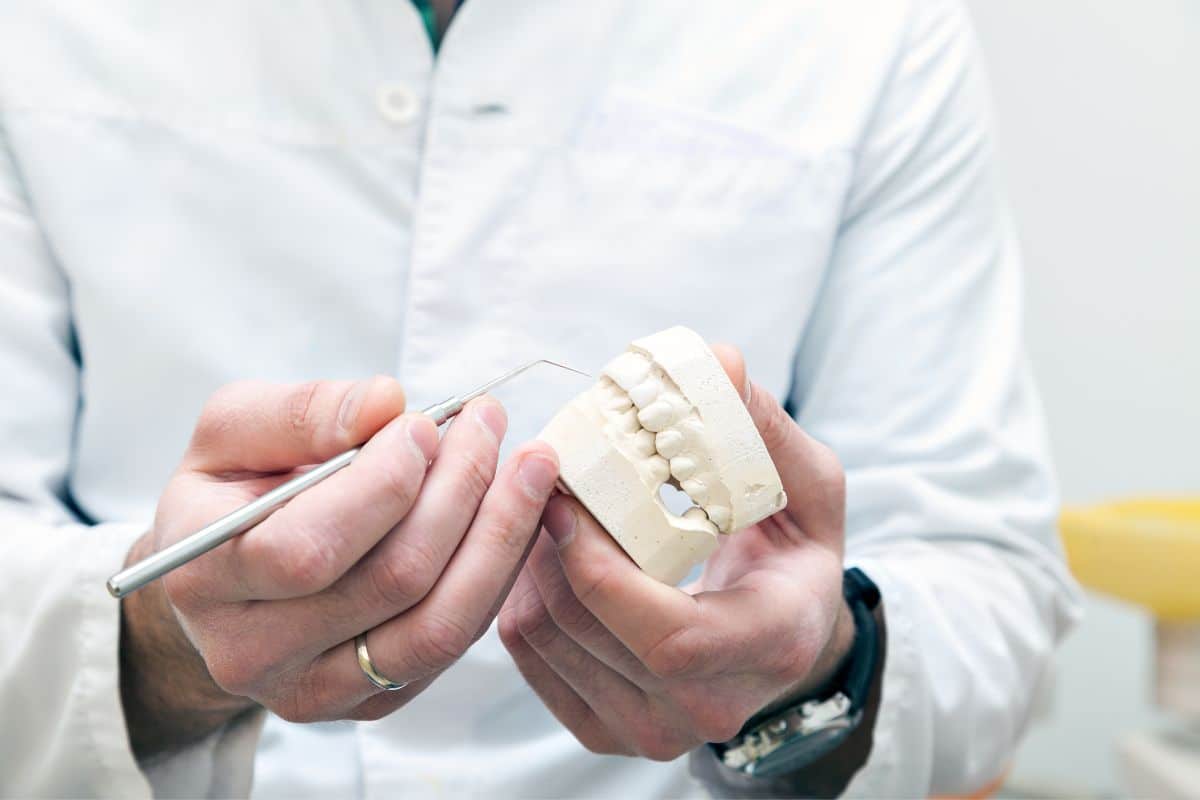
Crossbite is a dental condition that occurs when the upper teeth fall inside the lower teeth when the jaws are closed. This misalignment can affect both the front and back teeth, and it can lead to various dental issues if left untreated. In this comprehensive guide, we will explore the diagnosis and treatment of crossbite, offering insights into the latest techniques and procedures used to correct this condition.
Understanding Crossbite
Crossbite can be classified into two main categories: anterior and posterior crossbite. Anterior crossbite involves the front teeth, while posterior crossbite affects the back teeth. Both types can cause problems with biting, chewing, and speaking, and can also lead to uneven wear of the teeth, gum disease, and jaw problems.
Causes of Crossbite
There are several factors that can contribute to the development of a crossbite, including:
- Genetics: If your parents had a crossbite, you are more likely to develop one as well.
- Delayed Tooth Eruption: If baby teeth take longer to fall out, it can affect the alignment of the adult teeth.
- Thumb Sucking: Prolonged thumb sucking can push the teeth out of alignment.
- Mouth Breathing: Chronic mouth breathing due to allergies or enlarged tonsils can influence jaw development.
Diagnosing Crossbite
Diagnosis of crossbite typically involves a combination of clinical examination and advance techniques. Use various tools to accurately diagnose crossbite:
- Clinical Examination: The orthodontist will visually inspect the alignment of your teeth and bite.
- X-rays: X-rays provide a detailed view of the teeth and jawbone, helping to identify any underlying issues.
- Impressions: Dental impressions may be taken to create a model of your teeth for closer examination.
- 3D Imaging: Advanced 3D imaging techniques can offer a comprehensive view of the teeth and jaw, aiding in precise diagnosis.
Treatment Options for Crossbite
Treatment for crossbite aims to correct the alignment of the teeth and jaw to improve function and aesthetics. The treatment plan will depend on the severity of the crossbite and the age of the patient.
Braces
Braces are one of the most common treatments for crossbite. They work by gradually moving the teeth into their correct positions. Braces can be made of metal, ceramic, or clear materials. For children and teenagers, braces are often the preferred option as their jaws are still growing and more adaptable to change.
Invisalign
Invisalign is a popular alternative to traditional braces, especially for adults and teenagers who prefer a more discreet treatment option. Invisalign uses a series of clear, removable aligners to gradually shift the teeth into place. The aligners are custom-made for each patient and need to be worn for about 22 hours a day for optimal results.
Palatal Expanders
Palatal expanders are devices used to widen the upper jaw, making it easier to align the teeth properly. This treatment is particularly effective for children whose jawbones are still developing. The expander is attached to the upper molars and gradually adjusted to widen the jaw over time.
Surgery
In severe cases of crossbite, orthognathic surgery may be required to correct the alignment of the jaw. This is usually considered when other treatments are not sufficient to achieve the desired results. Surgery can help reposition the jaw to improve both function and appearance.
Retainers
After the primary treatment is completed, retainers are often used to maintain the new alignment of the teeth. Retainers can be fixed or removable and are typically worn at night. They help ensure that the teeth do not shift back to their original positions.
The Role of Early Intervention
Early intervention is crucial in the treatment of crossbite. Orthodontic evaluations for children should begin by the age of 7, as recommended by the American Association of Orthodontists. Early detection allows for timely treatment, which can prevent more severe dental problems in the future.
Choosing the Right Orthodontist
Selecting an experienced orthodontist is vital for successful crossbite treatment. At Khan Orthodontic Group of Maspeth, our team of skilled professionals uses the latest techniques and technology to provide personalized care for each patient. We understand that every case is unique, and we are committed to achieving the best possible outcomes for our patients.
Maintaining Oral Health During Treatment
Maintaining good oral hygiene is essential during crossbite treatment. Brushing and flossing regularly will help prevent cavities and gum disease. It’s also important to follow the orthodontist’s instructions regarding diet and appliance care to ensure the treatment progresses smoothly.
Crossbite is a common dental issue that can have significant effects on oral health and overall well-being. With early diagnosis and appropriate treatment, it is possible to correct crossbite and achieve a healthy, beautiful smile. Whether you opt for braces, Invisalign, or other orthodontic treatments, consulting with a qualified orthodontist,