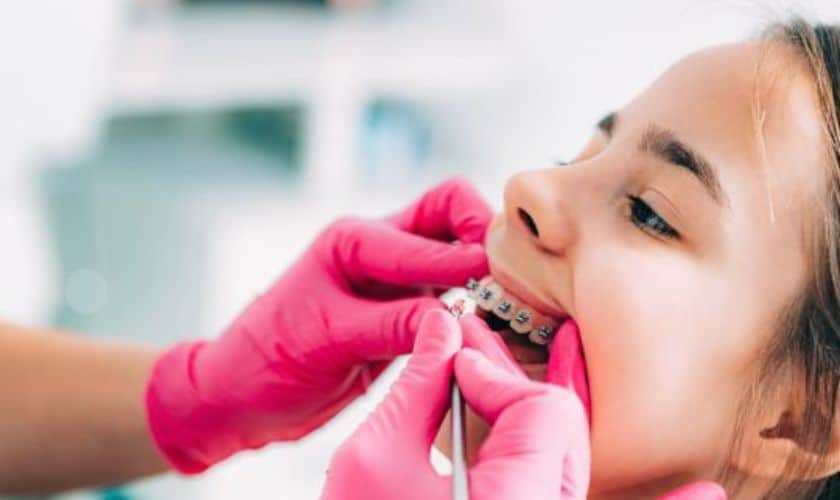
These smile specialists have the power to transform lives, one beautiful smile at a time. If you’ve ever wondered about the role and impact of orthodontists in shaping not just teeth but also confidence, then this article is for you. We’ll delve into what these experts do, take a look at the process of getting braces, explore different types of braces available today, and highlight the numerous benefits that come with having a straighter smile. So let’s dive in and discover how orthodontists are changing lives through their expertise!
Who are Orthodontists?
Orthodontists are dental professionals who specialize in the alignment and correction of teeth and jaws. They undergo extensive training beyond general dentistry to become experts in their field. These dedicated individuals have a keen eye for detail, a deep understanding of facial aesthetics, and a passion for creating beautiful smiles.
Their journey begins with obtaining a bachelor’s degree, followed by four years of dental school to earn a Doctor of Dental Surgery (DDS) or Doctor of Dental Medicine (DMD) degree. But it doesn’t stop there – orthodontists then complete an additional two to three years of specialized training in orthodontics.
During this extra training, they gain expertise in diagnosing bite issues, straightening crooked teeth, correcting jaw misalignment, and improving overall oral health. Orthodontists use various treatment methods such as braces, aligners, retainers, and other appliances to achieve optimal results.
What sets orthodontists apart is their comprehensive approach to each patient’s unique needs. They consider not only the position of the teeth but also how they interact with the jaw joints and facial muscles. By taking all these factors into account, orthodontists can create personalized treatment plans that result in healthy bites and stunning smiles.
When you visit an orthodontist’s office for a consultation or treatment, you’ll experience their warm demeanor coupled with their exceptional knowledge. They make it their mission to ensure patients feel comfortable throughout every step of the process while providing top-notch care.
What do Orthodontists do?
Orthodontists, the smile specialists, play a crucial role in transforming lives by improving dental health and enhancing smiles. But what exactly do they do? Let’s take a closer look at their important work.
First and foremost, orthodontists diagnose and treat misaligned teeth and jaws. They have specialized training in orthodontics, which focuses on correcting issues such as crooked teeth, overcrowding, overbites or underbites. By using various techniques and tools, these professionals help to straighten teeth and align jaws for better functionality.
One of the primary methods used by orthodontists is braces. These are devices made up of brackets bonded to the teeth with wires connecting them. Through regular adjustments over time, braces gradually shift the position of teeth into proper alignment.
Orthodontists also offer other treatment options such as clear aligners (like Invisalign), retainers, headgear, or even surgical intervention if necessary. Their expertise extends beyond just straightening teeth; they consider factors like facial aesthetics and overall oral health to create personalized treatment plans for each patient.
In addition to addressing cosmetic concerns and improving self-confidence through a beautiful smile, orthodontic treatment can have long-lasting benefits for oral health. Properly aligned teeth are easier to clean effectively which reduces the risk of tooth decay or gum disease that may arise from poor oral hygiene habits associated with crowded or misaligned teeth.
The Process of Getting Braces
If you’ve been considering getting braces to straighten your teeth and improve your smile, you might be wondering what the process entails. Rest assured, orthodontists are experts in this field and will guide you through each step.
During your initial consultation with an orthodontist, they will conduct a thorough examination of your teeth and jaw. This may involve taking X-rays or molds of your mouth to get a clear picture of your dental structure.
Once the assessment is complete, the orthodontist will create a customized treatment plan tailored to address any issues specific to your case. They’ll discuss the recommended type of braces based on factors like cost, lifestyle preferences, and severity of misalignment.
Next comes the fitting process where brackets or bands are affixed onto each tooth using special dental adhesive. These brackets act as anchors for wires that exert gentle pressure on the teeth over time, gradually shifting them into their desired positions.
Regular check-ups with your orthodontist are essential throughout treatment. At these appointments, adjustments may be made by tightening or replacing wires as needed to continue guiding teeth movement effectively.
On average, most people wear braces for one to three years depending on their individual needs. Once treatment is complete, it’s common for patients to wear retainers temporarily afterwards to maintain their newly aligned smile.
Remember that every patient’s journey is unique when it comes to getting braces. Your orthodontist will provide ongoing support and guidance along the way until you achieve that beautiful smile transformation!
Types of Braces
When it comes to straightening teeth, braces are the go-to solution. Orthodontists offer a variety of options to cater to different needs and preferences.
Traditional metal braces are the most common type. These consist of metal brackets attached to each tooth and connected with wires. They work by applying gentle pressure on the teeth over time, gradually moving them into alignment.
For those who want a more discreet option, ceramic braces might be a good choice. Made from clear or tooth-colored materials, they blend in with your natural teeth and are less noticeable than traditional metal braces.
Another option is lingual braces, which are placed behind your teeth rather than on the front surface. This makes them virtually invisible when you smile or speak.
In recent years, Invisalign has gained popularity as an alternative to traditional braces. These clear aligners are custom-made for each patient and can be easily removed for eating and brushing.
The type of brace you choose will depend on factors such as your orthodontic needs, budget, and personal preference. Consulting with an orthodontist will help determine which option is best suited for you.
Remember that regardless of the type of brace chosen, regular check-ups with your orthodontist will ensure that your treatment progresses smoothly.
The Benefits of Having Braces
Having braces may not be the most glamorous accessory, but the benefits they bring are worth every moment of wearing them. So, what are some of these benefits?
First and foremost, braces can give you a smile that you can truly be proud of. Crooked or misaligned teeth not only affect your appearance but also your self-confidence. With braces, orthodontists work their magic by straightening those pearly whites and aligning them perfectly.
But it’s not just about looks. Braces also improve your oral health by making it easier to clean your teeth properly. Straightened teeth are less likely to accumulate plaque and tartar buildup, reducing the risk of cavities and gum disease.
Another benefit is improved speech clarity. Misaligned jaws or teeth can cause speech impediments such as lisps or difficulty pronouncing certain sounds. By correcting these issues with braces, you’ll notice an improvement in your ability to communicate clearly.
Braces also help with proper jaw alignment and bite function. If you have an overbite, underbite, or crossbite, orthodontic treatment can correct these problems and ensure that your upper and lower jaws fit together harmoniously when biting down.
Furthermore, having well-aligned teeth reduces the risk of dental injuries caused by accidents or sports-related activities. Teeth that stick out or overlap are more prone to damage if subjected to impact forces.
Investing in orthodontic treatment early on can save you from potentially costlier procedures later in life. Addressing tooth misalignment promptly prevents future complications like TMJ disorders or extensive restorative treatments like veneers or crowns.
The Bottom Line
In this blog post, we have explored the world of orthodontists and how they transform lives through their expertise in braces. Orthodontists are specialized dental professionals who focus on correcting misalignments and malocclusions of teeth and jaws.
Their work goes far beyond just straightening teeth. Orthodontists play a crucial role in improving oral health, boosting self-confidence, and enhancing overall well-being. By addressing issues such as overcrowding, gaps between teeth, overbites, underbites, crossbites, or other alignment problems, orthodontists help patients achieve not only beautiful smiles but also functional bites.
The process of getting braces involves several steps: initial consultation to assess the patient’s needs and develop a personalized treatment plan; applying brackets or aligners to gradually move the teeth into proper position; periodic adjustments to ensure progress; and finally removing the braces once the desired results are achieved.