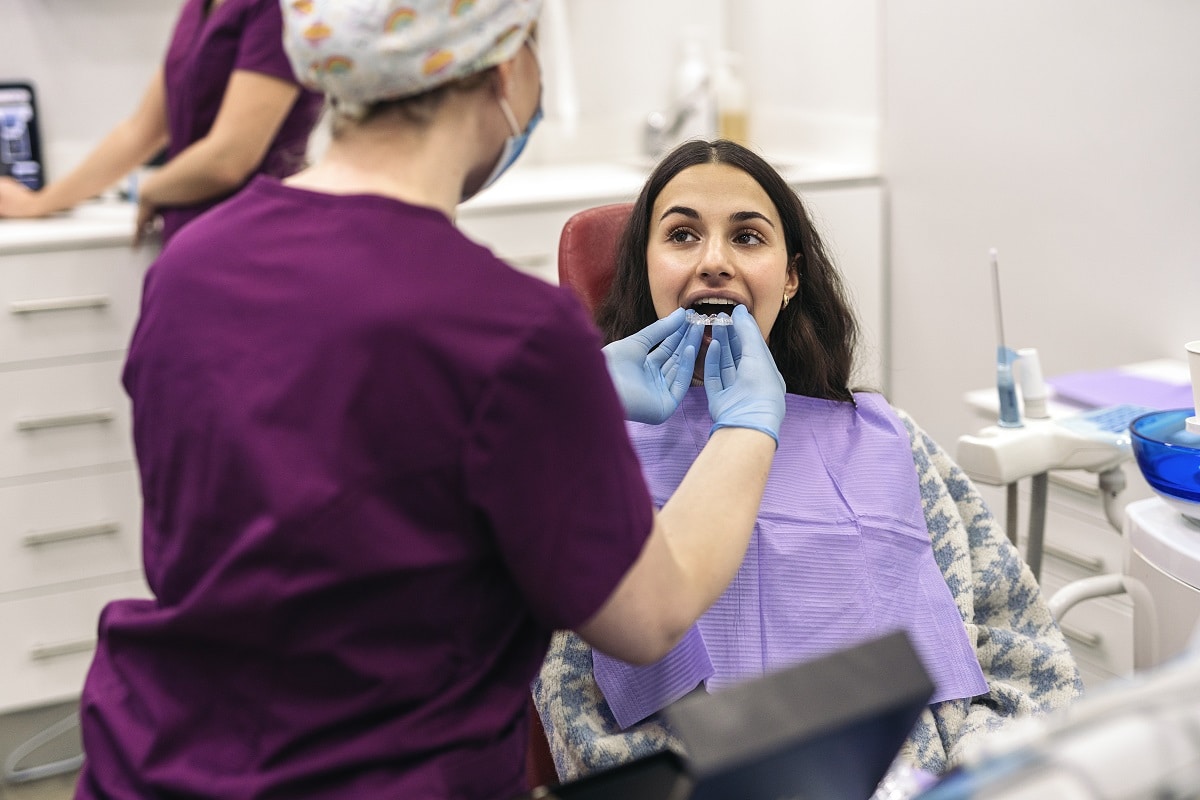
Around Jericho, Syosset, Plainview, Hicksville, and nearby Long Island communities, orthodontic appointments are rarely just routine calendar items. For some patients, it is the first visit after noticing crowding or bite changes. For others, it is a braces adjustment, an Invisalign progress check, or a follow-up after something started feeling “off.” The problem is that many patients show up without mentioning the one thing that actually matters: a loose bracket they forgot about, aligners that have not fit right for two weeks, jaw clicking they assumed was unrelated, or elastic wear that has slipped. A better appointment often starts before you walk through the door.
Dr. Sabeeh Khan of Khan Orthodontic Group has been providing orthodontic care since 1992 and completed his dental and orthodontic training at Columbia University. At Khan Orthodontic Group, he works with children, teens, and adults across Jericho, Merrick, and Maspeth using a patient-centered approach that emphasizes clear communication, individualized treatment planning, and modern orthodontic technology.
The biggest reason orthodontic appointments fall short
Most people assume the appointment itself is where everything gets sorted out. In reality, orthodontic visits go better when patients arrive with a clear picture of what has changed since the last checkup. Orthodontics is highly detail-driven. Small changes in fit, pressure, breakage, tooth movement, or wear habits can affect what your orthodontist decides to do that day.
That is why preparation matters. Not because the visit is formal, but because treatment decisions often depend on details patients forget to mention once they are in the chair.
Start by asking yourself one question: “Has anything changed since my last visit?”
This is the most useful place to start, whether you wear braces, clear aligners, retainers, or you are coming in for a first consultation.
Before the appointment, take two minutes to think through the last few weeks:
- Has a bracket come loose, even if it is not hurting?
- Is a wire poking, bent, or sliding out of place?
- Have you stopped wearing elastics as directed, even part of the time?
- Are your aligners suddenly tight in one area or lifting off certain teeth?
- Did you lose an aligner tray or wear one longer than instructed?
- Have you noticed new jaw clicking, uneven biting, or one tooth hitting first?
- Is there a spot you cannot clean well because something shifted?
- Have you had any dental work, trauma, or tooth pain since your last orthodontic visit?
Patients often leave these things out because they think the orthodontist will “see it anyway.” Sometimes yes, but not always in the context that matters. For example, a loose bracket is one issue. A loose bracket that happened three weeks ago and changed how you wore your rubber bands is a very different clinical picture.
Brush and floss before you go, but not just for the obvious reason
Yes, clean teeth make it easier for the team to examine your mouth. But this is not only about appearance or courtesy. Orthodontic appliances create extra places for plaque to collect, and inflammation around the gums can make it harder to evaluate how teeth are moving and how healthy the tissues are around them.
If you have braces, brush carefully around brackets and along the gumline. If you are not sure whether you are cleaning thoroughly enough, it helps to review the right way to brush with braces before your next visit. If you wear aligners, brush your teeth and rinse the trays before your appointment. If you have a permanent retainer, make sure you floss around it as best you can before coming in.
Patients sometimes rush in after school, work, or lunch and assume it is not a big deal. It can be. Heavy plaque buildup, swollen gums, or food trapped around appliances can interfere with the exam and sometimes make it harder to tell whether discomfort is coming from normal tooth movement or from irritation and hygiene problems.
If something is broken, do not wait until you are sitting in the chair to mention it
This is one of the most common patient mistakes. A broken bracket, poking wire, cracked aligner, or loose expander may seem like something you can casually mention once you arrive. But some appliance problems change how much time needs to be reserved, whether certain materials need to be ready, or whether your visit should be handled sooner than originally planned.
If anything has broken before the appointment, call ahead.
That does not mean every issue is an emergency. Many are not. But giving the office a heads-up helps the team decide whether your scheduled visit is enough, whether the appointment should be adjusted, or whether you should come in sooner. At an office like Khan Orthodontic Group, where patients may be coming from Jericho, Merrick, Maspeth, or surrounding neighborhoods, a quick call can prevent a wasted trip or a visit that does not fully address the problem.
If you wear Invisalign or clear aligners, your “prep” matters more than you think
Aligner appointments can look simple from the outside. You show up, trays are checked, and you move on. But the quality of that visit depends heavily on what happened between appointments.
Before you come in, think honestly about:
- how many hours a day you have actually been wearing your aligners
- whether any tray stopped fitting well
- whether you switched to the next tray late or early
- whether you lost a tray and had to improvise
- whether attachments feel missing or rough
- whether one tooth seems “behind” the tray compared with the others
This is where patients often get embarrassed and say everything is fine when it is not. But orthodontic planning depends on compliance details. If aligners have not been worn consistently, your orthodontist should know that upfront than to assume the teeth are simply not tracking for some unknown reason.
If you are looking for an orthodontist near Jericho, this is one of the differences that matters during follow-up care: not just whether your aligners are checked, but whether your treatment is adjusted based on real-world wear patterns rather than ideal ones.
Bring the information that changes treatment decisions
For a first consultation, the office may ask for forms, insurance details, and any recent panoramic X-rays if you have them. Khan Orthodontic Group notes that initial visits focus on a thorough exam and discussion of treatment options, and diagnostic records may also be needed depending on the case.
For any orthodontic appointment, it helps to bring or be ready with:
- your insurance card if coverage applies
- any recent dental X-rays or referral notes if requested
- a list of medications if something has changed
- details of recent dental work such as extractions, fillings, crowns, or gum treatment
- the name of any dentist or specialist you recently saw for a related issue
- your current aligners, previous tray if instructed, or broken removable appliance if something is not fitting
One practical point that gets overlooked: if your child is the patient and another parent or grandparent is bringing them, make sure the adult attending knows what concerns to mention. Otherwise, the appointment can turn into “I’m not sure, Mom wanted me to ask about something with the bite.”
Do not downplay pain, pressure, or bite changes just because you assume they are normal
Some soreness after adjustments is expected. Some tightness with aligners is expected. But patients often overcorrect and dismiss anything uncomfortable as “probably part of treatment.” That is not always the right assumption.
It is worth mentioning if:
- one tooth hurts significantly more than the others
- biting feels suddenly uneven
- you have a sore spot that keeps reopening
- your jaw locks, clicks, or feels strained
- a bracket or aligner edge keeps rubbing the same area raw
- you feel a tooth is hitting before the rest of your bite settles
These are not always urgent, but they are decision-relevant. Orthodontists are not only checking whether teeth are moving. They are also looking at whether they are moving in a healthy, controlled way.
Eat strategically before the visit if you expect an adjustment
This is not a hard rule, but it is a practical one. If you are coming in for a braces adjustment, new wire, or other change likely to make your teeth tender later that day, eating beforehand can help. Patients who skip meals sometimes regret it once their teeth feel sore a few hours later.
Just keep the meal braces-friendly. Avoid anything sticky, hard, or likely to get trapped in appliances right before you walk in.
For younger patients, this matters even more. A child who has an adjustment and then realizes they are too sore to eat their usual snack after school is often not very happy with the process.
Write down your questions before the appointment
Patients remember concerns in the car, in the shower, or the night before. Then they sit down in the operatory and forget every single one. If there is anything you want clarified, write it in your phone notes before you come in.
Useful questions often include:
- Are my teeth moving the way you expected?
- Is this amount of soreness normal?
- Am I wearing my elastics correctly?
- Do I still need the same wear time for aligners?
- Is this gap or bite change expected at this stage?
- How can I clean around this area better?
- Is there anything I am doing that could slow progress?
This is especially important for parents of younger orthodontic patients. Children and teens may not always report what is happening accurately. A teen might say, “Everything’s fine,” while leaving out the fact that they have not worn elastics consistently for two weeks.
If this is your first orthodontic consultation, know what the visit is actually for
A first orthodontic appointment is not always the day treatment starts. Often, it is the visit where your orthodontist determines whether treatment is needed now, what type of treatment makes sense, whether records are needed, and what timing looks most appropriate. Khan Orthodontic Group explains that first visits typically include an examination and discussion of treatment options, with diagnostic records such as X-rays, photos, and impressions sometimes scheduled as part of the planning process.
That matters because patients sometimes show up expecting a same-day answer to every question before the records have even been reviewed. Orthodontic planning is more precise than that. Crowding, bite relationships, jaw growth, impacted teeth, and spacing patterns can look straightforward at first glance but require a fuller workup before a final treatment recommendation is made.
If you are meeting an orthodontic office near Jericho for the first time, the most helpful mindset is not “How fast can I get braces?” It is “What is actually happening with my bite or alignment, and what is the smartest timing for treatment?”
What we see patients forget most often
Across orthodontic practices, the same patterns show up again and again:
- Patients do not mention that an appliance has been broken for weeks
- They say they are wearing aligners full-time when the fit suggests otherwise
- They forget to bring a removable appliance that is causing the problem
- Parents are unaware of symptoms because the child never said anything
- Patients assume a bite change is normal and wait too long to bring it up
- They come in with questions about cost, timing, or alternatives but forget to ask them
None of this means patients are careless. It usually means life is busy and orthodontic treatment becomes part of the background. But the more accurately you report what has been happening between visits, the more useful the appointment becomes.
A few simple steps can make the visit more productive
Before your next orthodontic appointment, try this quick routine:
- Brush and floss before you leave.
- Make a note of anything broken, sore, loose, or fitting differently.
- Be honest about aligner wear, elastic wear, or appliance use.
- Bring any requested records, insurance details, or removable appliances.
- Write down questions so you do not forget them in the chair.
- Call ahead if something has broken or changed significantly.
That is usually enough to catch the details that most often get missed.
Need orthodontic care in Jericho, Merrick, or Maspeth?
If you are preparing for your first consultation, a braces adjustment, or an Invisalign checkup, Khan Orthodontic Group can help you understand what to expect and what matters most before your visit. Dr. Sabeeh Khan and the team provide orthodontic care for children, teens, and adults with treatment options tailored to the patient’s bite, goals, and stage of treatment. If something has changed since your last appointment, or you are getting ready to start care, contact Khan Orthodontic Group to schedule your visit and get clear guidance before you come in.
Conclusion
The most productive orthodontic appointments usually do not happen by accident. They happen when we come in prepared, mention the details that changed between visits, and ask the questions we have been putting off. Whether the concern is a loose bracket, an aligner that is no longer fitting right, or uncertainty about what happens next, a little preparation makes it easier for our team to give the right advice at the right time.
FAQs
1. What should I do before an orthodontic appointment?
Brush and floss your teeth, make a note of any pain or appliance issues, and bring anything relevant such as aligners, retainers, insurance information, or recent dental records if requested. If something has broken, call the office before your appointment rather than waiting until you arrive.
2. Should I brush my teeth before a braces appointment?
Yes. Brushing before your appointment helps your orthodontist examine your teeth and gums more clearly and makes it easier to check around brackets, wires, and other appliances. It also reduces the chance that plaque or trapped food will interfere with the visit.
3. Can I eat before my orthodontic appointment?
Usually yes. In fact, if you expect a braces adjustment, eating beforehand can be helpful because your teeth may feel sore later in the day. Just avoid foods that are very sticky, hard, or likely to get stuck in your braces right before the appointment.
4. What if I have a loose bracket or poking wire before my appointment?
Call your orthodontist’s office as soon as you notice it. Even if you already have an appointment scheduled, the office may want to adjust your visit, bring you in sooner, or give you instructions to prevent the problem from getting worse.
5. What should I bring to my first orthodontic consultation?
Bring your insurance card if applicable, any recent panoramic X-rays or referral records if requested, and a list of concerns or questions you want to discuss. If you have had recent dental work or a dental injury, let the orthodontic team know.
6. Do I need to tell my orthodontist if I have not been wearing my aligners or elastics correctly?
Yes. It is always better to be honest. Inconsistent aligner or elastic wear can affect how your teeth move, and your orthodontist needs accurate information to decide whether your treatment plan, timeline, or next set of trays should be adjusted.
7. What questions should I ask during an orthodontic appointment?
Good questions include whether your teeth are moving as expected, whether your current soreness or bite changes are normal, whether your hygiene needs improvement in any area, and whether anything you are doing could slow treatment progress.
8. Is the first orthodontic appointment the day treatment starts?
Not always. Many first visits are focused on examination, diagnosis, and treatment planning. Your orthodontist may review your bite, discuss timing, recommend records such as X-rays or photos, and explain your treatment options before anything begins.