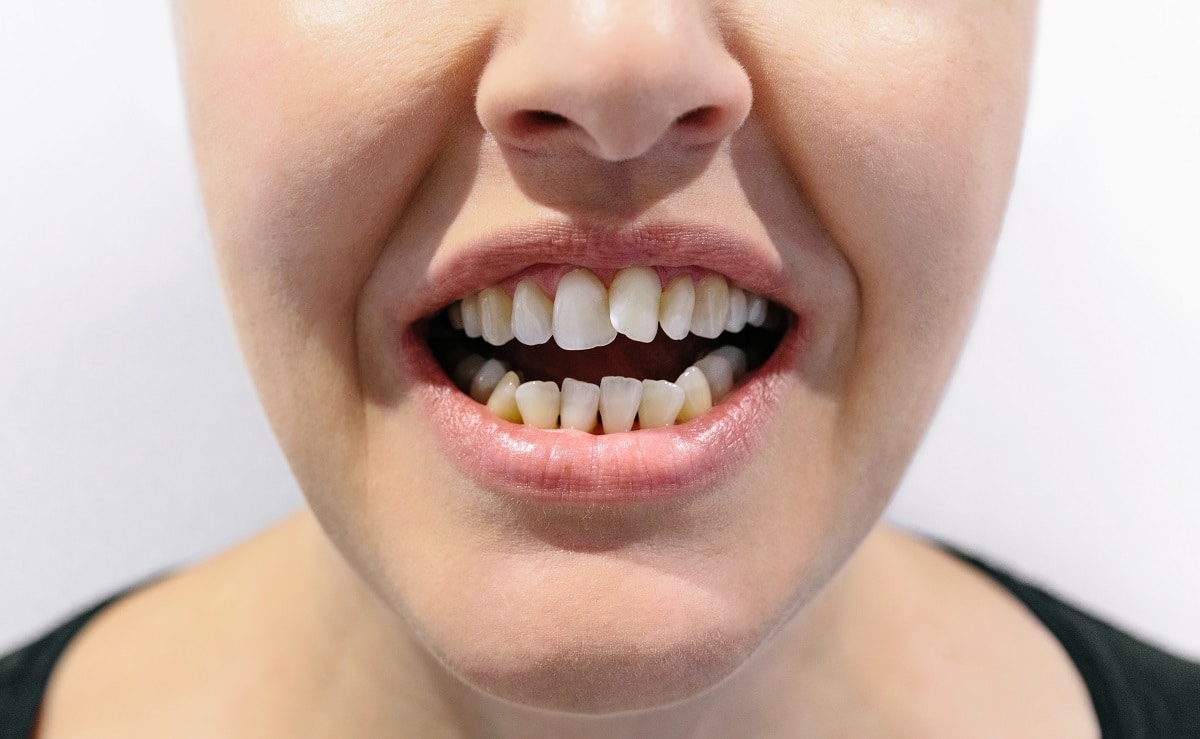
If you’ve been noticing your teeth overlapping more than they used to or struggling to clean between them, you’re not alone. Many patients across growing suburban communities and busy family neighborhoods delay orthodontic care until crowding becomes uncomfortable or visibly worse. By the time they start searching, they’re often overwhelmed with options and unsure who to trust. Choosing the right orthodontist isn’t just about convenience. It directly impacts how effective, stable, and comfortable your treatment will be.
At Khan Orthodontic Group, Dr. Sabeeh Khan and Dr. Azita Khan focus on personalized orthodontic care that prioritizes long-term stability, facial balance, and patient comfort. Their approach is built on detailed diagnosis and clear communication, helping patients understand not just what treatment they need, but why it matters.
Ready to take the next step toward a healthier, more confident smile? Visit our Merrick office today and get a personalized treatment plan designed specifically for you.
Why crowded teeth are more than just a cosmetic issue
Crowded teeth develop when there isn’t enough space in the jaw to properly align all teeth. This often starts early due to genetics, jaw development patterns, or premature loss of baby teeth. In adults, crowding can worsen over time due to natural shifting, especially in the lower front teeth.
What many patients misunderstand is that crowding is not static. It tends to progress. Teeth that overlap create tight contact points where plaque builds up, increasing the risk of gum inflammation and enamel wear. In more advanced cases, it can even affect your bite alignment and jaw comfort.
If you live near Merrick, New York, and are unsure whether your crowding needs treatment, a consultation with a trusted orthodontist can give you clarity without pressure and help you understand your options.
The biggest mistake patients make when choosing an orthodontist
One of the most common patterns we see is patients choosing based on price or proximity alone. While those factors matter, they shouldn’t be the deciding criteria.
Orthodontic treatment is not a one-size-fits-all process. Two providers may recommend completely different approaches for the same case. One might suggest extractions, while another could use arch expansion or aligners with a different sequencing strategy.
The mistake is assuming all treatment plans lead to the same outcome. They don’t.
Patients who rush into treatment often return later with concerns like relapse, bite discomfort, or uneven alignment. Correcting those issues can take longer than getting it right the first time.
What actually matters during your first consultation
Your initial consultation reveals more than just whether you need braces or aligners. It shows how thorough and patient-focused the orthodontist is.
Pay attention to whether the provider:
- Performs a detailed evaluation, including digital scans or imaging
- Explains the root cause of your crowding, not just the solution
- Discusses multiple treatment options and why one is preferred
- Addresses long-term stability, not just short-term alignment
If your consultation feels rushed or overly sales-driven, that’s a red flag. A well-planned orthodontic case always starts with a clear diagnosis.
Not all crowding cases should be treated the same way
A frequent misconception is that braces or aligners will automatically fix any crowding. In reality, treatment planning depends on several clinical factors:
- Severity of overlap
- Jaw width and structure
- Gum health and bone support
- Patient age and growth stage
For mild crowding, clear aligners may be sufficient. Moderate to severe cases may require more advanced planning, sometimes including space creation techniques.
Patients searching for a top-rated orthodontist near them for crowded teeth treatment often don’t realize how much these variables influence the final result.
Subtle signs your crowding is getting worse
Many people wait until crowding becomes obvious, but there are earlier indicators worth paying attention to:
- Difficulty flossing between certain teeth
- Food getting stuck more frequently
- Teeth appearing slightly rotated over time
- Gum irritation in specific areas
These signs suggest that spacing is becoming tighter and harder to maintain. Addressing the issue at this stage can significantly reduce treatment complexity.
Why reviews and real patient experiences matter more than ratings
Online ratings can be misleading if you only look at numbers. What matters more is the consistency of feedback and the details patients share.
Look for patterns such as:
- Mentions of clear communication and transparency
- Long-term satisfaction after treatment
- Comments about comfort during the process
- Feedback on how the team handles concerns
Here’s a real experience that reflects what many patients value in orthodontic care:
“My sons got their braces here. Been here like 3 years and more now..one of my son just got his braces off today and the result looks good. The place is nice and clean. The team is very professional and caring.” – Eric R
Reviews like this highlight not just results, but the overall experience, which is critical for a treatment that often lasts months or years.
The cost question most patients hesitate to ask
Cost is a major concern, and understandably so. However, focusing only on the lowest price can lead to compromises in treatment quality or follow-up care.
Instead, evaluate:
- Whether payment plans are offered
- What is included in the total cost
- If retainers and follow-ups are covered
- The provider’s approach to long-term retention
A well-structured plan often provides more value than a lower upfront quote.
When delaying treatment becomes a problem
Crowded teeth don’t just stay the same. Over time, they can:
- Increase the risk of cavities in hard-to-clean areas
- Lead to gum recession due to uneven pressure
- Affect bite alignment and chewing efficiency
In some cases, delayed treatment can limit your options. What could have been corrected with aligners earlier may later require more involved intervention.
Ready to make the right choice?
At Khan Orthodontic Group, every treatment plan is built around detailed evaluation, clear communication, and long-term results. Whether your crowding is mild or progressing, getting the right guidance early can make a significant difference in both outcome and experience.
If you’re considering treatment, we recommend scheduling a consultation to understand your options and avoid common mistakes patients make when choosing care.
Choosing the right orthodontist is not about convenience alone. It is about making an informed decision that affects your health, comfort, and confidence long-term. We believe that with the right evaluation and guidance, patients can avoid unnecessary complications and achieve results that truly last. If you are unsure where to begin, starting with a thoughtful consultation can help you move forward with clarity and confidence.
We also encourage you to explore more real patient reviews to better understand what consistent, quality orthodontic care looks like in practice.
FAQs About Choosing an Orthodontist for Crowded Teeth
How do I know if my crowded teeth need orthodontic treatment?
If you’re struggling to clean between teeth, noticing overlap, or experiencing gum irritation, it’s worth getting an evaluation even if the issue seems mild.
Can choosing the wrong orthodontist affect my results?
Yes. Poor planning can lead to incomplete alignment, relapse, or bite issues that require retreatment.
Is cheaper orthodontic treatment always a bad choice?
Not necessarily, but it should be evaluated carefully. Lower cost should not come at the expense of diagnosis quality or follow-up care.
How important are before-and-after cases?
They give insight into the provider’s consistency and ability to handle different levels of crowding.
Can crowded teeth come back after treatment?
Yes, especially if retainers are not worn as instructed. Long-term stability depends on maintenance.
Do I need braces, or will aligners work?
It depends on the severity and structure of your crowding. A proper consultation will determine the best option.
How many consultations should I get before deciding?
At least one or two. Comparing approaches can help you make a more informed decision.