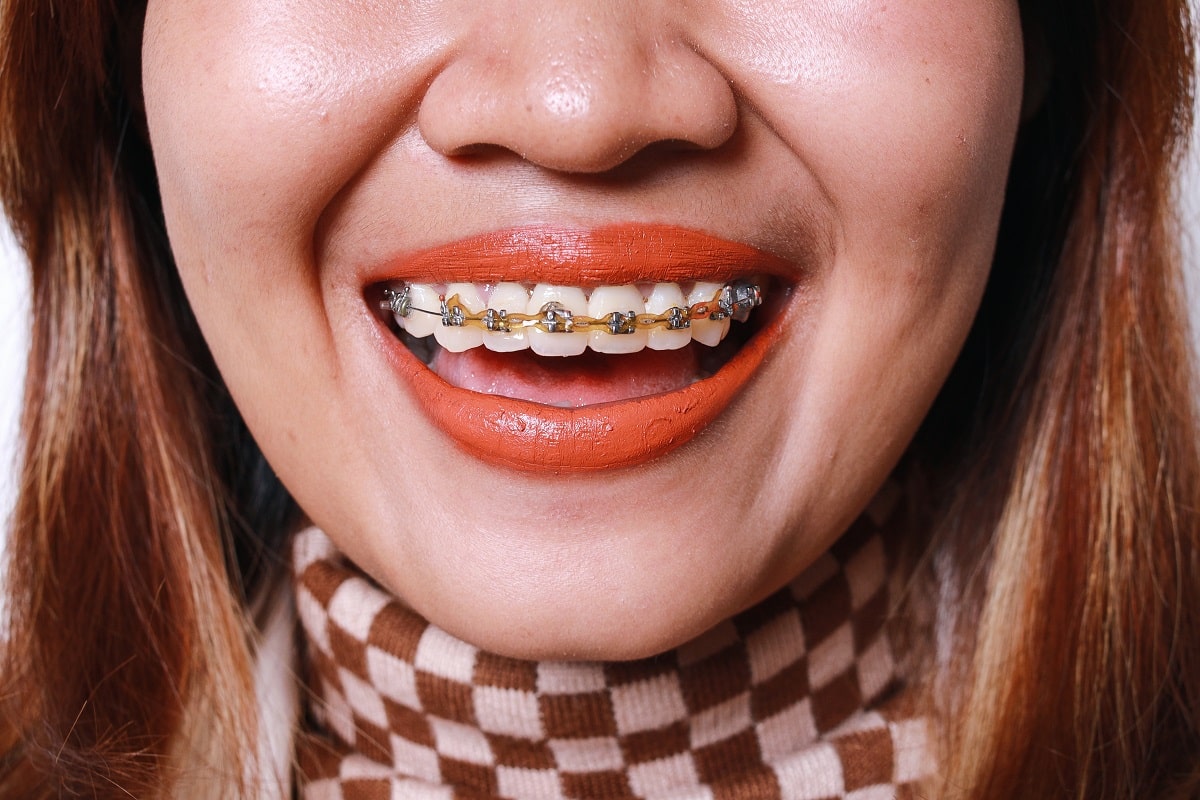
If you live around Maspeth, Middle Village, Ridgewood, or Elmhurst and have found yourself looking in the mirror, wondering whether braces are “too late” for you, you are far from alone. Many adults spend years putting orthodontic treatment off because life gets busy, finances shift, or they assume braces are only for teenagers. Then one day, crowding feels worse, teeth seem to move, or old dental work starts making bite issues more obvious.
At Khan Orthodontic Group, Dr. Sabeeh Khan and Dr. Azita Khan work with adults who often walk into consultations saying the same thing: “I wish I had done this sooner.” Their approach focuses on realistic expectations, comfortable treatment planning, and helping patients understand whether orthodontics makes practical sense for their lifestyle, goals, and oral health. Wondering whether orthodontic treatment still makes sense at this stage of life? Contact us to schedule an appointment to explore options tailored to your goals, lifestyle, and long-term oral health.
The Question Most Adults Ask Is Not About Age
Most people in their 30s or 40s are not asking whether braces work. They are asking whether treatment is still worth it.
That distinction matters.
By adulthood, people tend to think more practically. They wonder:
- Will I look awkward at work?
- Will treatment interfere with meetings or social events?
- Is this worth the time and cost?
- What if my teeth are only “slightly crooked”?
In reality, orthodontists rarely evaluate treatment based on age alone. Healthy teeth and gums matter far more than whether someone is 17 or 47.
Many adult patients searching for braces near me in Maspeth are surprised to learn that adult orthodontic treatment has become increasingly common, especially among professionals, parents, and people revisiting dental goals they postponed years ago.
Why Teeth Often Shift in Adulthood
One reason adults start reconsidering braces is that their smile does not look the same as it did 10 or 15 years ago.
This is not your imagination.
Several factors can contribute to movement over time:
Your Teeth Naturally Shift With Age
Even if your teeth looked straight in your 20s, subtle movement can happen over time. Lower front crowding is especially common.
Orthodontists frequently see adults who say:
“I never needed braces before, but now my teeth overlap.”
That gradual shifting may affect appearance, cleaning, bite balance, or tooth wear.
Old Orthodontic Results Can Relapse
A surprisingly common patient scenario involves adults who had braces as teenagers but stopped wearing retainers.
Years later, spacing returns, crowding develops, or the bite feels “off.”
In some cases, treatment is shorter than patients expect because orthodontists are correcting relapse rather than starting from scratch.
Bite Problems Become More Noticeable
Small bite issues often feel manageable when people are younger. But over time, uneven pressure can become more noticeable.
Some adults seek treatment because they notice:
- Chipping on certain teeth
- Jaw fatigue when chewing
- Teeth wearing unevenly
- Increased crowding around dental restorations
Not every crooked tooth needs urgent correction, but orthodontists often evaluate whether misalignment is beginning to create long-term stress on surrounding teeth.
What Adults Often Get Wrong About Braces
One misconception that keeps people from treatment is the idea that braces are only for teenagers or purely cosmetic. Many adults hesitate because of common myths about adult braces, assuming they missed their opportunity or that treatment will be uncomfortable or ineffective.
For some adults, straighter teeth are mainly about confidence. For others, treatment becomes more functional than cosmetic.
In clinical practice, orthodontists often see adults who waited because they assumed:
“My teeth are only slightly crowded.”
Then during evaluation, they discover:
- Gum irritation caused by overlapping teeth
- Bite imbalance contributing to wear
- Difficulty flossing crowded areas
- Teeth shifting around crowns or restorations
This does not mean everyone with crooked teeth needs braces immediately. It means mild concerns sometimes affect more than appearance.
Another mistake adults make is assuming mild problems will stay mild.
Many alignment concerns progress slowly, which makes them easy to ignore until changes become harder to overlook.
Are Braces More Difficult in Your 30s or 40s?
This depends on what people mean by “difficult.”
Adult treatment can sometimes take slightly longer because adult bone responds differently than adolescent bone. However, treatment is still very predictable in healthy patients.
What adults often tolerate better than teens is consistency.
Orthodontists commonly notice that adult patients:
- Keep appointments more reliably
- Follow care instructions closely
- Wear aligners consistently (if applicable)
- Stay motivated because treatment was their own decision
That motivation often improves treatment outcomes.
The bigger consideration is gum health.
Adults may have old fillings, crowns, recession, or early gum concerns that influence planning. That is why orthodontic consultations tend to be more individualized for adults than teenagers.
“I Don’t Want Metal Braces at My Age”
This concern comes up frequently, especially among working professionals.
The good news is that adult treatment options have expanded significantly.
Depending on bite complexity, adults may qualify for:
- Less noticeable ceramic braces
- Clear aligner systems
- Traditional braces for more complex movement
- Hybrid approaches for efficiency
At consultations, orthodontists often focus less on what looks best in photos and more on what will predictably solve the actual issue.
For example, some adults strongly prefer aligners, but their bite may respond better to braces. Others assume braces are their only option and discover clear systems may work well.
Patients looking for braces near Maspeth are often relieved to learn that treatment plans can usually be adapted to both clinical needs and professional lifestyles.
When Waiting Might Actually Make Things Harder
Not every adult orthodontic concern is urgent.
But there are situations where delaying treatment can create more complications.
Orthodontists pay closer attention when adults notice:
- Teeth suddenly shifting faster than before
- Crowding becoming harder to clean
- Increased chipping or uneven wear
- Bite discomfort while chewing
- Difficulty fitting floss between overlapping teeth
These signs do not automatically mean braces are necessary. However, they often justify an evaluation before problems progress.
A pattern orthodontists frequently observe is patients waiting five to ten years because they think concerns are “not bad enough,” only to later need more involved treatment.
So, Did You Miss Your Chance?
In most cases, no.
There is no universal age cutoff for braces.
Orthodontists routinely treat adults in their 30s, 40s, 50s, and beyond. The more important question is whether treatment meaningfully improves function, comfort, or confidence for your situation.
For some adults, treatment prevents future wear. For others, it improves cleaning access or corrects relapse from teenage braces. And for many, it simply helps them feel more comfortable smiling again.
The right decision usually comes from understanding what is happening now, not assuming age automatically disqualifies you.
Wondering Whether Treatment Still Makes Sense for You?
At Khan Orthodontic Group, Dr. Sabeeh Khan and Dr. Azita Khan help adults understand whether orthodontic treatment is practical for their stage of life, goals, and dental health. Whether you are dealing with shifting teeth, old orthodontic relapse, or simply wondering if treatment still makes sense, a personalized consultation can provide clarity without pressure. Visit our orthodontic practice in Maspeth, NY, to explore treatment options designed around your needs and long-term goals.
Many adults assume they missed their opportunity for orthodontic treatment, but that is rarely the full picture. We often find that the better question is not whether someone is “too old,” but whether improving alignment could help comfort, function, confidence, or long-term oral health moving forward.
Frequently Asked Questions
Is 40 too old for braces?
No. Healthy teeth and gums matter far more than age. Many orthodontic patients begin treatment in their 30s, 40s, and even later.
Are braces slower for adults?
Treatment can sometimes take a bit longer because adult bone responds differently, but outcomes are still highly predictable.
Can braces fix teeth that shifted after braces as a teenager?
Often, yes. Relapse after discontinued retainer use is very common, and many adults successfully correct shifting.
Are braces worth it for mild crowding?
Sometimes. Mild crowding may affect cleaning, tooth wear, or bite balance more than people realize.
Do adults usually get metal braces?
Not always. Many adults choose ceramic braces or clear aligners, depending on complexity and goals.
What signs suggest I should see an orthodontist?
Noticeable shifting, worsening crowding, uneven tooth wear, bite discomfort, or cleaning difficulties are common reasons to schedule an evaluation.
Can crooked teeth worsen with age?
Yes. Teeth can gradually shift over time, particularly in the lower front area.
Will braces interfere with work or professional life?
Most adults adapt quickly. Many treatment options today are designed to be more discreet than traditional braces.