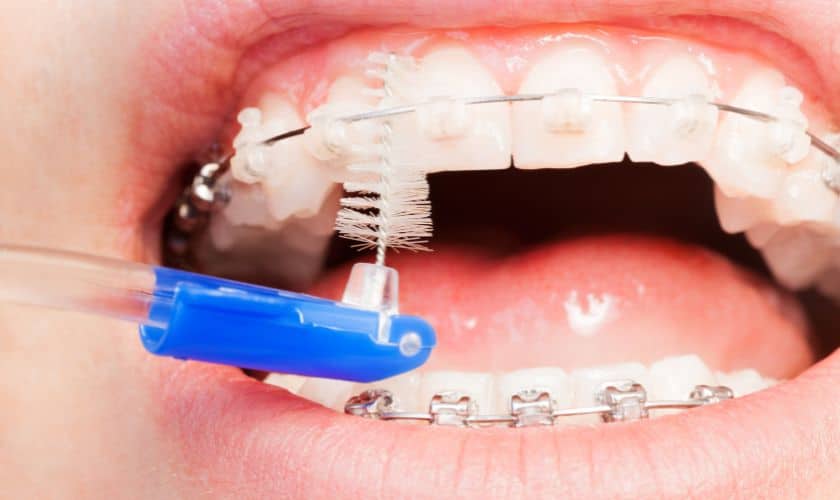
In orthodontics, braces play a crucial role in correcting dental misalignments and achieving a better bite. This comprehensive guide explores the intricate process of how braces work to align teeth effectively and improve overall dental health.
Understanding Dental Misalignment
Dental misalignment, or malocclusion, is a condition where the teeth are not properly aligned when the jaws are closed. This can manifest as overcrowding, spacing issues, overbites, underbites, or crossbites. These misalignments can lead to various dental problems such as difficulty chewing, speech impediments, and even jaw pain.
The Role of Braces in Correcting Misalignments
Braces are orthodontic devices designed to gradually move teeth into proper alignment over time. They consist of brackets, wires, and bands that work together to exert gentle pressure on the teeth, guiding them into the desired positions.
Components of Braces
- Brackets: These are small squares bonded directly to the front of each tooth with dental adhesive.
- Archwire: The main wire that connects all the brackets and applies the necessary force to move the teeth.
- Bands: These are metal rings that are cemented around the molars to anchor the braces securely.
Mechanism of Action
Once braces are placed, periodic adjustments are made by the orthodontist to tighten the wires. This process gradually shifts the teeth into alignment by gently loosening and tightening the braces. The pressure exerted on the teeth stimulates bone remodeling, allowing the teeth to move into their new positions.
Types of Braces
There are several types of braces available, each catering to different needs and preferences:
- Traditional Metal Braces: These are the most common type, featuring stainless steel brackets and wires.
- Ceramic Braces: These are similar to traditional braces but use tooth-colored or clear brackets, making them less noticeable.
- Lingual Braces: These are placed on the back side of the teeth, making them virtually invisible from the outside.
- Clear Aligners: These are transparent trays that gradually move teeth similar to braces, but they are removable.
Treatment Process
The journey with braces treatment typically begins with a consultation where the orthodontist assesses the patient’s teeth and discusses treatment options. Once braces are chosen, the placement appointment follows, where the brackets and wires are affixed. Regular visits every 4-6 weeks are necessary for adjustments and monitoring progress.
Benefits of a Better Bite
Achieving a better bite through braces offers numerous benefits beyond aesthetics:
- Improved Chewing: Properly aligned teeth chew more efficiently, improving digestion and nutrient absorption.
- Speech Improvement: Correcting dental misalignments can enhance speech clarity and pronunciation.
- Prevention of Dental Issues: Straight teeth are easier to clean, reducing the risk of cavities, gum disease, and uneven wear.
Maintaining Results Post-Treatment
After braces are removed, a retainer is often prescribed to prevent teeth from shifting back to their original positions. It’s essential to follow the orthodontist’s instructions for retainer wear and attend follow-up appointments to ensure long-term success.
In conclusion, braces are highly effective orthodontic tools that correct dental misalignments and improve overall oral health. By understanding how braces work and their benefits, individuals can make informed decisions about their orthodontic care, leading to a healthier smile and improved quality of life.