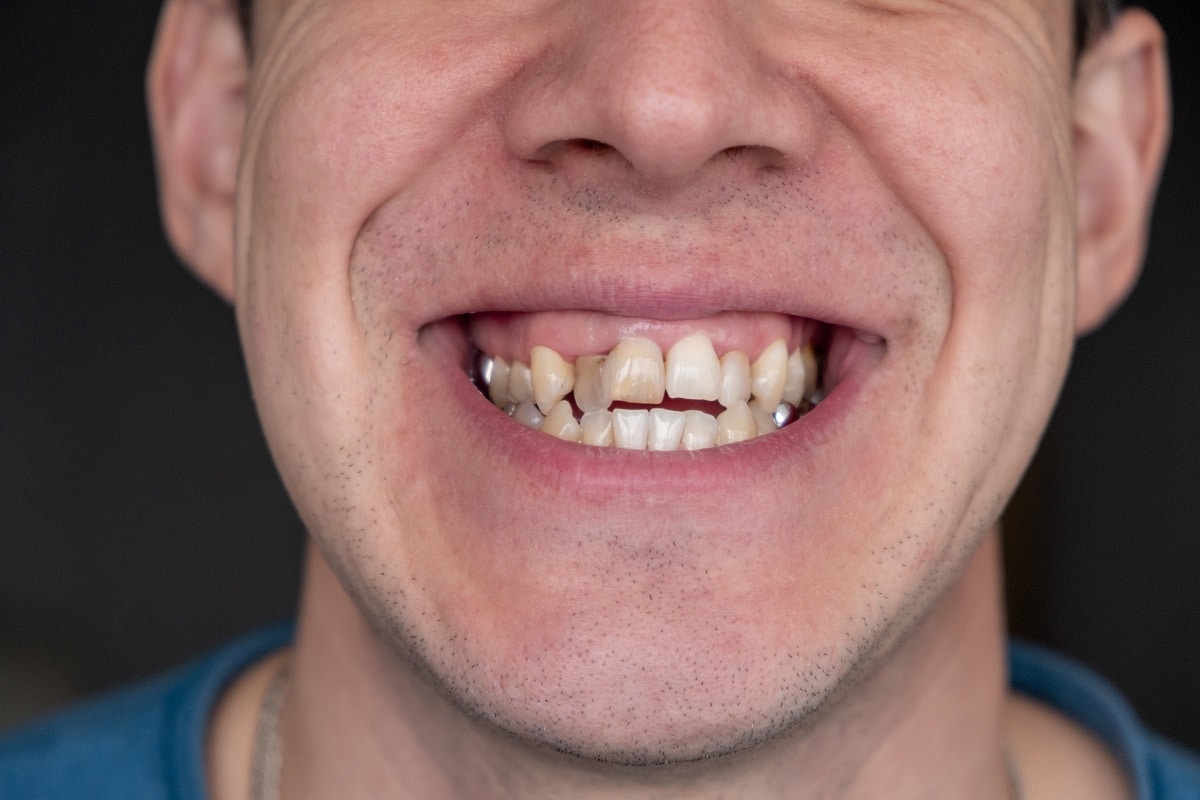
In Merrick and nearby areas like Bellmore and Freeport, many patients come in thinking their teeth look “fine,” but something doesn’t feel quite right when they bite down. It’s rarely a sharp pain that triggers concern. More often, it’s a subtle shift in how the teeth meet, slight jaw tension, or uneven pressure while chewing. These small changes are easy to ignore until they begin affecting daily comfort or long-term oral health.
If you’ve been searching for a local orthodontist, chances are you’re already noticing something that feels off. The challenge is knowing whether it’s temporary or something that needs professional evaluation.

At Khan Orthodontic Group, Dr. Sabeeh Khan and Dr. Azita Khan focus on diagnosing bite and alignment issues with a function-first approach. Their evaluations go beyond straightening teeth, helping patients understand how bite mechanics affect long-term comfort, jaw health, and stability.
If you’ve been noticing changes in how your bite feels or want clarity on whether your alignment is shifting, now is the right time to get it checked. Schedule a consultation at our Merrick, NY office to receive a detailed evaluation and understand the most effective path forward for your smile and bite health.
When your bite feels “different” but you can’t explain why
One of the most common patient statements is, “My bite just feels off lately.” There’s no clear pain, but something has changed. This often points to minor tooth movement or shifting in how upper and lower teeth come together.
Clinically, this can happen due to:
- Gradual crowding over time
- Teeth drifting after previous orthodontic treatment
- Changes in bone or gum support
- Nighttime grinding alters tooth surfaces
What makes this tricky is that the change is subtle. Patients adapt quickly, which delays action. By the time it becomes noticeable daily, the imbalance is usually more established.
Uneven pressure when chewing is not normal
A balanced bite distributes force evenly across teeth. If you consistently feel that one side is doing more work, or certain teeth are hitting first, that’s a functional red flag.
Patients often describe this as:
- “I chew mostly on one side without realizing”
- “One tooth feels like it’s taking all the pressure”
- “Food doesn’t break down evenly”
This isn’t just discomfort. Over time, uneven force can lead to:
- Premature enamel wear
- Increased risk of cracks or fractures
- Gum stress around overloaded teeth
These cases are frequently overlooked until visible damage appears.
Jaw tension, clicking, or fatigue after normal use
A misaligned bite doesn’t just affect teeth. It changes how the jaw joints function. When teeth don’t align properly, the jaw compensates, often leading to muscle strain or joint stress.
Early signs patients report:
- Jaw tightness in the morning or after meals
- Clicking or popping sounds when opening or closing
- Fatigue while chewing foods that were previously easy
Many assume this is temporary or stress-related. In reality, it’s often the bite forcing the jaw into an unnatural position repeatedly.
Teeth that don’t touch evenly anymore
A healthy bite has consistent contact points. If you notice that:
- Back teeth don’t touch when you bite down
- Front teeth hit too early or too hard
- There are small gaps when closing your mouth naturally
These are structural indicators that alignment has changed.
Interestingly, this is one of the most ignored signs because it’s not painful. Patients often only recognize it when eating becomes inefficient or uncomfortable.
Shifting teeth even after braces or aligners
A common misconception is that once orthodontic treatment is done, the results are permanent. In reality, teeth can shift throughout life, especially without proper retainer use.
In many adult patients, we see:
- Mild relapse from previous orthodontic work
- Crowding returning in lower front teeth
- Bite changes due to shifting molars
If you previously had treatment and your bite feels different now, it’s not something to ignore. Early correction is significantly simpler than waiting until the shift becomes more pronounced.
Headaches or facial discomfort linked to bite imbalance
This is where many patients get misdiagnosed or delay care. Chronic headaches, especially around the temples, can sometimes be linked to bite issues rather than neurological causes.
Here’s what happens clinically:
- Misalignment creates uneven muscle engagement
- Jaw muscles overcompensate to stabilize the bite
- This leads to tension that radiates to the head and face
Patients often go through multiple consultations before considering orthodontic evaluation. If headaches coincide with jaw discomfort or bite changes, it’s worth investigating.
Why delaying evaluation often makes things more complex
One consistent pattern we see is patients waiting until symptoms become disruptive. The issue with bite problems is that progression is gradual but cumulative.
Early-stage:
- Minor imbalance
- Occasional discomfort
Mid-stage:
- Noticeable uneven wear
- Jaw strain increases
Advanced-stage:
- Structural changes in bite
- Higher treatment complexity and duration
If you’re already noticing signs and searching for an orthodontist near Merrick, you’re in the ideal window to address the issue before it escalates.
Common patient mistakes that delay proper care
From a clinical perspective, a few patterns stand out:
- Assuming no pain means no problem
- Relying only on general dental checkups without bite analysis
- Ignoring retainer use after previous treatment
- Attributing jaw discomfort solely to stress
These assumptions often lead to delayed intervention, which increases both treatment complexity and cost.
When it’s time to get a professional opinion
You don’t need severe symptoms to justify an orthodontic evaluation. In fact, the most effective cases are those caught early.
You should consider an evaluation if:
- Your bite feels different consistently
- You notice uneven pressure or shifting
- Jaw discomfort appears without clear cause
- Teeth are no longer aligning as they used to
At Khan Orthodontic Group in Merrick, NY, evaluations are focused on identifying whether the issue is stable, progressing, or likely to worsen, so you can make an informed decision rather than waiting for symptoms to escalate. Patients from Merrick and nearby communities like Bellmore, Freeport, and Wantagh regularly visit for early bite assessments and personalized guidance.
If your bite doesn’t feel the way it used to, getting clarity early can prevent long-term complications. At Khan Orthodontic Group in Merrick, NY, Dr. Sabeeh Khan and Dr. Azita Khan provide detailed bite evaluations focused on function, comfort, and long-term stability. We welcome patients from Merrick and surrounding areas to visit our office and understand what’s changing and what your options are before the issue progresses.
Conclusion
Small changes in how our teeth meet are often easy to ignore, but they rarely stay the same. When we pay attention to early signs and act on them, we give ourselves more control over treatment outcomes and long-term comfort. Our goal should always be to address issues while they are still manageable, rather than waiting until they become complex.
Frequently Asked Questions
1. How can I tell if my bite is misaligned without pain?
Look for functional changes like uneven chewing, teeth hitting differently, or jaw fatigue. Pain is not always present in early stages.
2. Why does my bite feel different suddenly?
It can be due to gradual tooth movement, grinding, or minor structural shifts that become noticeable over time.
3. Can a bad bite affect my jaw long-term?
Yes. Misalignment can strain jaw joints and muscles, potentially leading to chronic discomfort or joint issues.
4. Is it normal for teeth to not touch evenly?
No. Uneven contact usually indicates a bite imbalance that should be evaluated.
5. Do bite problems get worse over time?
In most cases, yes. Without intervention, small imbalances often progress into more complex issues.
6. Should I see a dentist or orthodontist for bite concerns?
Dentists can identify general issues, but orthodontists specialize in correcting alignment and bite mechanics.
7. Can bite issues cause headaches?
Yes. Muscle strain from misalignment can contribute to tension headaches in some patients.
8. Is it too late to fix my bite as an adult?
No. Orthodontic treatment is effective at any age, though complexity may vary.