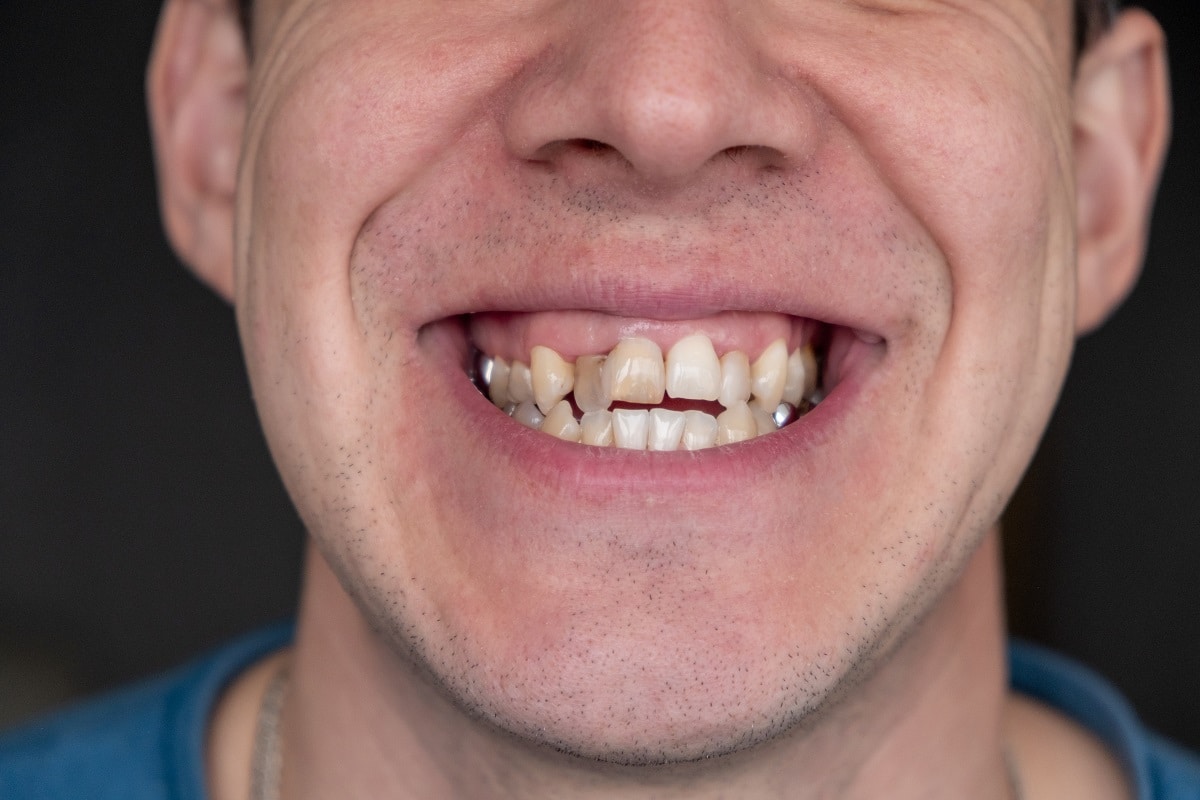
In Jericho and nearby communities like Syosset, Hicksville, Plainview, and Westbury, this question comes up more often than most people expect. Patients don’t usually start with clarity. They notice something small, like a front tooth shifting or a bite that feels slightly off, and assume it’s a routine dental concern. Others delay entirely because they are unsure which type of provider is appropriate. The confusion is understandable, but the decision can influence how quickly the issue is diagnosed and how efficiently it is treated.
If you have recently searched for an orthodontic office near Jericho, New York, you are already closer to the right answer than most patients at this stage.
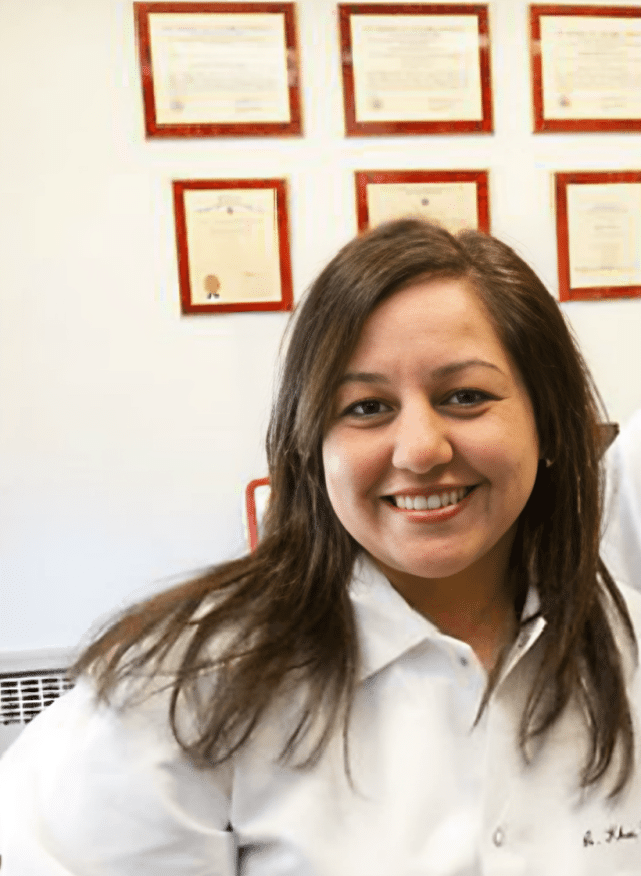
Khan Orthodontic Group, led by Dr. Sabeeh Khan and Dr. Azita Khan, focuses on early identification of alignment and bite concerns through detailed evaluation and patient-specific treatment planning. Their approach emphasizes clarity, precision, and long-term stability rather than quick fixes. If you’re noticing changes in your teeth or bite.
Contact us for a clear, personalized evaluation and next steps.
Why This Decision Is Often Misunderstood
Most patients assume dentists and orthodontists overlap more than they actually do. While both professionals are trained in oral health, their clinical focus diverges significantly after dental school.
A general dentist manages overall oral health, including cleanings, fillings, crowns, and early detection of problems. An orthodontist, on the other hand, specializes in tooth movement and jaw alignment. That difference becomes critical when dealing with crooked teeth or bite discrepancies.
What complicates the decision is that early orthodontic issues rarely present as urgent pain. Instead, they develop gradually. Slight crowding, shifting teeth, or minor bite changes can seem harmless, leading patients to default to a routine dental visit rather than a specialist consultation.
What Actually Causes Crooked Teeth and Bite Issues
From a clinical perspective, crooked teeth and bite irregularities are rarely random. They usually stem from a combination of factors:
- Genetic jaw size mismatch, where the teeth are too large for the available space
- Early tooth loss or delayed eruption disrupting natural alignment
- Habits like thumb sucking or tongue thrusting, especially during developmental years
- Gradual shifting over time, even in adults who previously had straight teeth
The important detail here is progression. These issues do not stay static. Mild crowding today can evolve into functional bite problems later, affecting chewing efficiency, enamel wear, and even jaw comfort.
When a Dentist Is the Right First Step
There are situations where starting with a dentist makes sense, particularly when the issue is not clearly orthodontic.
Patients often begin with a dentist when they experience:
- Tooth sensitivity or pain
- Visible decay or gum inflammation
- A broken or chipped tooth
- General uncertainty about what is wrong
Dentists are trained to identify underlying issues and can refer to an orthodontist if needed. In fact, many orthodontic cases begin with a dental visit that uncovers alignment concerns during a routine exam.
However, relying solely on a dentist for alignment-related issues can sometimes delay specialized care. This is especially true when the problem is subtle and not yet causing functional symptoms.
When You Should Go Directly to an Orthodontist
Certain signs strongly indicate that an orthodontist should be your first point of contact.
These include:
- Teeth visibly shifting or overlapping
- Difficulty biting evenly or chewing comfortably
- Jaw clicking, popping, or mild discomfort
- Gaps forming or closing unexpectedly
- A bite that feels “off” when closing your mouth
Patients in Jericho and surrounding areas often describe these changes as gradual. They adapt to them without realizing the underlying structural issue. By the time discomfort appears, the condition may already be more complex.
This is where early orthodontic evaluation becomes valuable. A targeted assessment can identify not just what is happening, but why it is happening and how it is likely to progress.
During this decision process, patients searching for an orthodontist for crooked teeth near them in Jericho may already be noticing one or more of these signs without realizing they relate to orthodontic care.
A Common Mistake Patients Make
One pattern seen frequently in clinical settings is waiting for pain before seeking help. Orthodontic problems rarely begin with pain. They begin with misalignment, which may only become uncomfortable after it starts affecting function.
Another common assumption is that mild crowding is purely cosmetic. In reality, even small alignment issues can create areas that are harder to clean, increasing the risk of plaque accumulation, gum irritation, and uneven enamel wear over time.
There is also a tendency to assume that adult patients are no longer candidates for orthodontic treatment. This is incorrect. Tooth movement is possible at any age, and many adults in Jericho are now seeking orthodontic care for issues that were never addressed earlier.
Dentist vs Orthodontist: The Practical Difference in Treatment Planning
The distinction becomes clearer when you look at how each provider approaches a case.
A dentist may identify that teeth are crowded or misaligned, but their primary focus remains on overall oral health. An orthodontist evaluates spatial relationships, bite dynamics, and long-term movement patterns.
For example:
- A dentist might restore a worn tooth
- An orthodontist evaluates why that tooth is wearing unevenly in the first place
That difference in perspective is what often determines whether the solution is temporary or corrective.
What Happens During an Orthodontic Evaluation
Patients often hesitate because they are unsure what an orthodontic visit involves. The process is more diagnostic than procedural.
A typical evaluation includes:
- Digital imaging to assess tooth position and jaw structure
- Bite analysis to identify functional imbalances
- Discussion of current symptoms and long-term concerns
- A clear explanation of whether treatment is necessary or optional
In many cases, patients are reassured that immediate treatment is not required but are given a timeline for monitoring changes. This level of clarity is what helps patients make informed decisions rather than reactive ones.
When the Decision Becomes Simple
If the concern is clearly related to alignment, spacing, or bite function, starting with an orthodontist is typically the more efficient path.
If the issue involves pain, decay, or general oral health concerns, a dentist is the appropriate first step.
In cases where the distinction is unclear, either provider can guide you. The key is not delaying evaluation altogether.
Take the Next Step with Khan Orthodontic Group
If you are noticing changes in your teeth or bite and are unsure where to start, a focused evaluation can provide clarity. Khan Orthodontic Group in Jericho offers detailed consultations designed to identify whether orthodontic care is necessary and when to begin.
Patients from Syosset, Hicksville, Plainview, and Westbury often choose this approach to avoid uncertainty and make informed decisions early.
Choosing between a dentist and an orthodontist does not have to be complicated when you understand the nature of the problem. We focus on identifying the underlying cause rather than just the visible symptoms, helping patients move forward with confidence and a clear plan for long-term oral health.
FAQs
How do I know if crooked teeth are just cosmetic or a functional problem?
If alignment affects how your teeth come together when biting or creates difficulty cleaning certain areas, it is likely functional.
Can a dentist provide braces or Invisalign?
Some dentists offer aligner therapy, but complex alignment and bite issues are typically managed more effectively by an orthodontist.
Is it too late to see an orthodontist as an adult?
No. Orthodontic treatment is effective at any age as long as the supporting structures are healthy.
Do I need a referral to visit an orthodontist?
No referral is required. Patients can schedule consultations directly.
What happens if I ignore mild crowding?
Mild crowding can worsen over time, increasing the risk of gum issues and uneven tooth wear.
Are bite issues always noticeable?
Not always. Many patients adapt to bite discrepancies without realizing there is a problem.
How early should teens be evaluated?
Early evaluation helps identify developmental issues before they become more complex.
Will insurance cover orthodontic treatment?
Coverage varies, but many plans include partial orthodontic benefits, especially for younger patients.