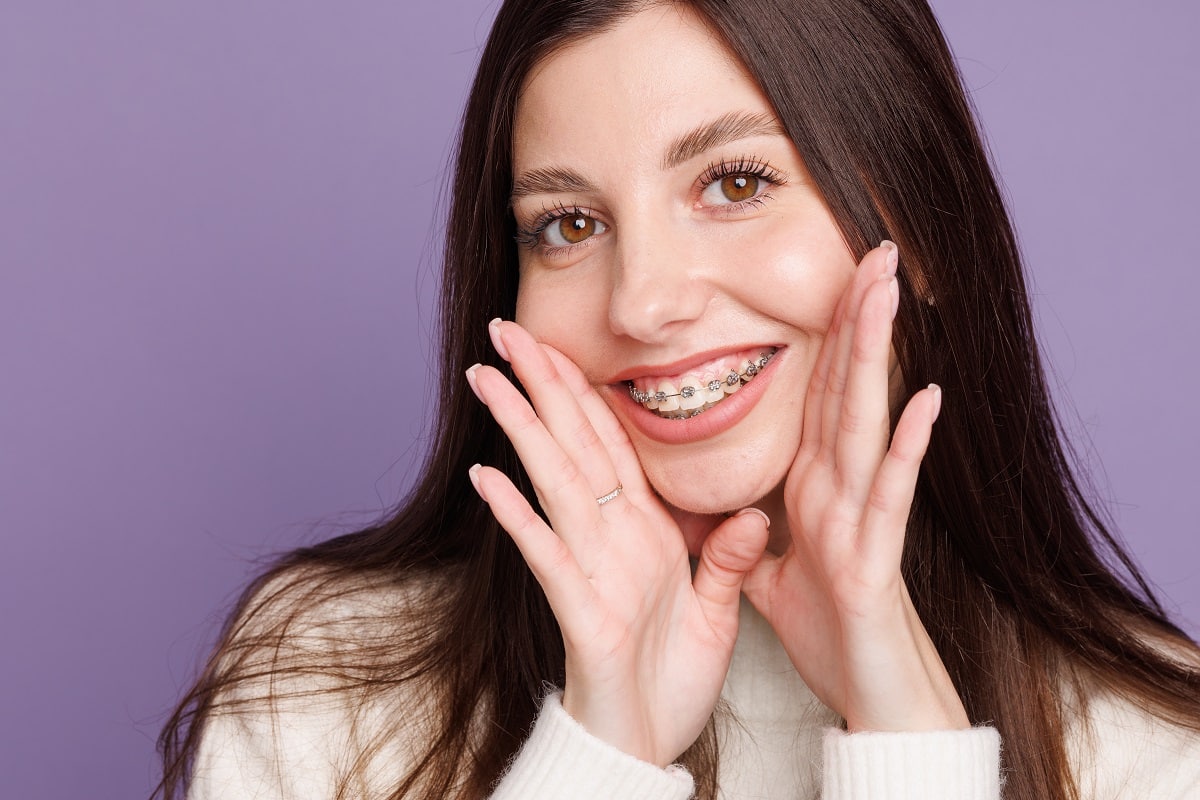
Life in neighborhoods like Maspeth, Merrick, and Jericho moves fast—between school, work, social plans, and everything in between. So when you get braces, it’s natural to wonder how much your daily routine will change. Will eating feel different? Will talking be affected? And yes…what about more personal moments like kissing?
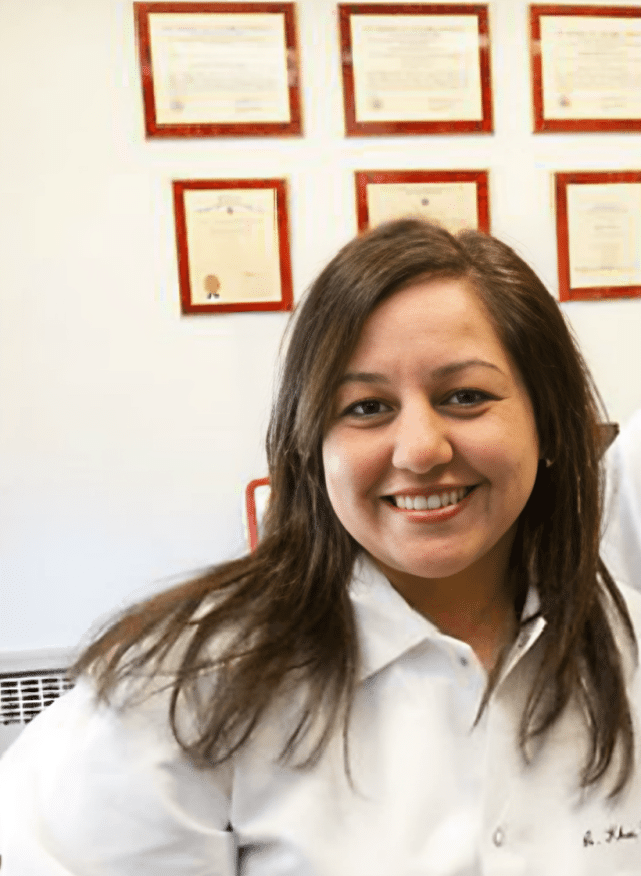
At Khan Orthodontic Group, patients often share these concerns during their first few visits. Dr. Sabeeh Khan and Dr. Azita Naghavi Khan regularly guide individuals through these transitions, helping them feel prepared, not overwhelmed. The truth is, braces do bring adjustments, but most are simple, manageable, and temporary. Understanding what to expect can make the experience smoother and far less stressful. If you’re about to begin treatment or have recently started, this guide will walk you through what really changes and how to adapt with confidence.
The First Few Days: What Feels Different
The initial adjustment period is when most people notice changes.
You may experience:
- Mild soreness or pressure on teeth
- Sensitivity when chewing
- Increased awareness of brackets and wires
This typically lasts a few days after placement or adjustments. Soft foods, staying hydrated, and following your orthodontist’s guidance can help ease the transition.
Eating with Braces: Small Changes, Big Impact
One of the most noticeable shifts is how you eat.
Crunchy, sticky, or hard foods can damage brackets or wires, so your diet may need slight modification. Think softer textures, pasta, yogurt, eggs, cooked vegetables, especially early on.
Over time, you’ll naturally learn how to eat comfortably without even thinking about it. Many patients who visit for orthodontic care in Maspeth mention that after a few weeks, eating feels almost normal again.
Speaking and Social Interactions
Braces can slightly affect speech at first, especially with certain sounds like “s” or “sh.” This is temporary and usually resolves quickly as your mouth adapts.
A helpful tip: reading out loud or having regular conversations helps your tongue adjust faster.
If you’re visiting a Maspeth orthodontic office for braces, your provider will often share simple exercises to help you adapt more quickly.
Oral Hygiene Becomes More Intentional
Braces create small spaces where food particles can get trapped, which means oral hygiene becomes more detailed.
Daily habits should include:
- Brushing after meals
- Flossing with orthodontic tools
- Rinsing to remove debris
While it may take a little extra time, many patients find that this routine becomes second nature.
Kissing with Braces: What to Expect
Does “kissing with braces” feel different?
Yes, but not in the way most people fear.
Kissing with braces is completely possible, but it may require a bit more awareness, especially at first. The main adjustment is being gentle and mindful of the brackets and wires.
Here’s what typically changes:
- You may be more cautious initially
- You’ll rely more on natural, relaxed movements
- Awareness replaces hesitation over time
There’s no need to avoid intimacy—just approach it with patience. Most people adjust quickly and stop thinking about their braces altogether.
Do Braces Affect Everyday Activities Like Eating, Talking, and Kissing?
Yes, braces can temporarily affect everyday activities such as eating, speaking, and kissing.
You may need to adjust your diet, take extra care with oral hygiene, and be slightly more mindful during close interactions. However, these changes are short-term, and most people adapt within a few weeks as their mouth becomes accustomed to the braces.
Physical Activities and Lifestyle
If you’re active in sports or fitness, braces won’t stop you, but protection matters.
- Use a mouthguard during contact sports
- Stay hydrated to prevent dryness
- Avoid habits like chewing on pens or ice
These small precautions help protect both your braces and your teeth.
Emotional and Confidence Shifts
Adjusting to braces isn’t just physical; it’s emotional, too.
It’s common to feel:
- Self-aware in social settings
- Slightly hesitant in new situations
- More conscious of your appearance
These feelings are normal and usually fade as you grow more comfortable. Many patients report that after a few weeks, their confidence returns naturally.
Long-Term Perspective: Why It’s Worth It
Braces are temporary, but the results last for years.
Every adjustment you make, whether it’s how you eat, speak, or interact, is part of a process that improves alignment, function, and overall oral health.
Focusing on the long-term outcome can make daily changes feel more purposeful and less inconvenient.
Tips to Adjust Faster
Want to make the transition easier? Keep these in mind:
- Stick to soft foods during soreness
- Maintain consistent oral hygiene habits
- Use orthodontic wax if needed
- Stay patient with yourself during the adjustment period
- Keep up with regular appointments
Small habits lead to a smoother experience.
Final Thoughts: Adjusting with Confidence
Braces do change certain everyday activities—but not in a way that should hold you back. With a little patience and awareness, most adjustments become effortless.
If you have questions about starting treatment or adapting to life with braces, our team at Khan Orthodontic Group is here to help. Patients can reach out or visit any of our practice’s locations in Jericho, NY, Merrick, NY, or Maspeth, NY to learn more and take the next step forward.
FAQ: Braces and Everyday Life
Do braces permanently change how I eat?
No. Food restrictions are temporary. Once treatment is complete, you can return to your normal diet.
How long does it take to get used to braces?
Most people adjust within 1–2 weeks, though minor sensitivity can occur after adjustments.
Will people notice my braces when I talk?
They may at first, but it quickly becomes less noticeable, especially as your confidence grows.
Is kissing uncomfortable with braces?
It can feel different initially, but with gentle movements and time, it becomes completely natural.
Can I live normally with braces?
Yes. Braces require small adjustments, but they don’t prevent you from enjoying daily life.