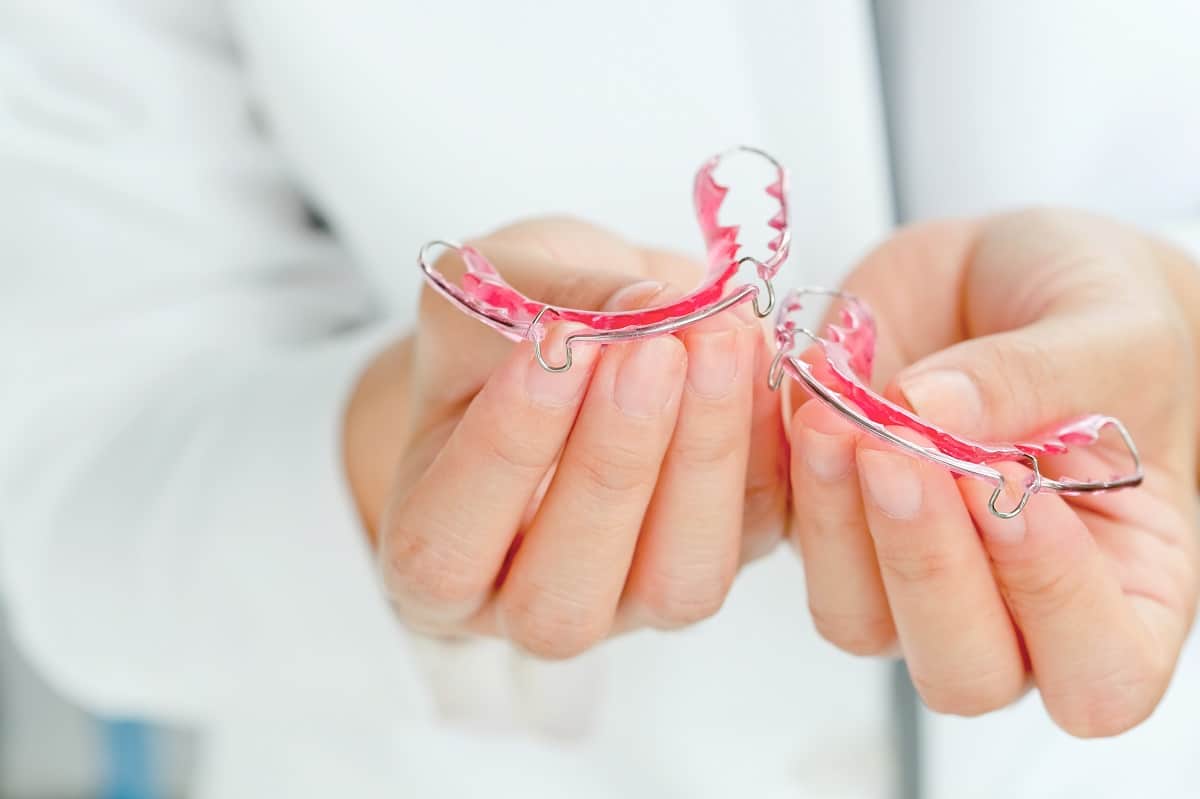
In Merrick, NY, it’s common to hear patients say, “I finished Invisalign, so I’m done, right?” A few months later, they’re back, noticing subtle shifting they didn’t expect. It’s frustrating, especially after investing time and effort into treatment.
Others are more cautious. They wear their retainers at first, then slowly taper off, weekends missed, then entire weeks. What most don’t realize is that teeth don’t “lock in place” the way people assume.
Thanks for taking the time to learn more about wearing retainers after Invisalign and what it really means for maintaining your results. We hope this guide has given you clarity and helped you feel more confident about what to expect long-term.
At Khan Orthodontic Group in Merrick, Dr. Sabeeh Khan and Dr. Azita Naghavi Khan are committed to making your experience informative, comfortable, and tailored to your needs. Whether you’re dealing with a tight retainer, early shifting, or just want reassurance, our team is here to help you stay on track.
Your next visit could make all the difference by scheduling your appointment today, and let our Merrick team help you protect your results for years to come.
Quick Answer
Yes, most patients need to wear retainers long-term after Invisalign to maintain results. While full-time wear is temporary, nighttime retention is typically lifelong to prevent gradual shifting. Skipping retainers, even occasionally, increases the risk of relapse over time.
Why Teeth Shift After Invisalign (Even When Treatment Is Done)
Teeth are not fixed in bone like nails in wood. They’re held by a dynamic ligament system that constantly remodels.
After alignment:
- Bone and fibers need time to stabilize
- Elastic memory in tissues can pull teeth back
- Natural aging changes bite and alignment
Clinical insight: The highest relapse risk is within the first 3–6 months, but shifting can continue subtly for years.
Early vs. Advanced Signs of Retainer Neglect
Early Signs (Often Ignored)
- Retainer feels tighter after skipping a few nights
- Slight crowding returning in lower front teeth
- Minor pressure when reinserting trays
Advanced Signs (Harder to Reverse)
- Visible overlap or rotation
- Bite feels “off” or uneven
- Retainer no longer fits at all
What most patients overlook:
That “tight feeling” is not normal; it’s an early relapse already happening.
What Happens If You Stop Wearing Retainers After Invisalign?
Stopping retainer use after Invisalign allows teeth to gradually shift due to natural tissue memory and bite forces. Minor movement can begin within days, while visible misalignment may develop over months. Without intervention, relapse can require retreatment to correct.
The Progression Most Patients Don’t Expect
Skipping retainers doesn’t cause instant changes—but it follows a pattern:
- Inconsistent wear → retainers feel tight
- Occasional skipping → minor shifting begins
- Extended gaps → trays stop fitting
- Complete discontinuation → noticeable relapse
At this stage, simple retention is no longer enough—correction may be needed again.
Common Misconceptions About Retainers After Invisalign
“I only need them for a few months.”
Not quite. Full-time wear is temporary, but maintenance is ongoing.
“My teeth feel stable, so I’m fine.”
Stability isn’t always visible. Internal remodeling takes longer than expected.
“Missing a few nights won’t matter.”
It can. Movement begins faster than most assume.
“Permanent results don’t need maintenance.”
All orthodontic results, braces or Invisalign, require retention.
How Long Do You Actually Need to Wear Retainers?
Typical guideline:
- First 3–6 months: Full-time wear (except eating/brushing)
- After stabilization: Nighttime wear
- Long-term: Indefinite nighttime use
Patients undergoing orthodontic treatment like Invisalign in Merrick are usually advised the same protocol—because biology, not geography, determines relapse risk.
What Determines Whether You Need “Forever” Retainers?
Not everyone experiences relapse the same way. Risk depends on:
- Severity of original misalignment
- Age (adult teeth shift more over time)
- Bite forces and grinding habits
- Genetics and tissue elasticity
Clinical reasoning: Lower front teeth are the most prone to crowding relapse due to limited space and constant pressure.
When Patients Typically Seek Help Again
Patients often return when:
- Retainers no longer fit comfortably
- Teeth visibly shift in photos
- Bite changes affect chewing
- They feel they’ve “lost progress.”
At that point, options may include:
- Minor refinements
- New aligners
- Retainer adjustments
Many patients who completed Invisalign treatment don’t anticipate needing follow-up until these signs appear.
What You Can Do to Avoid Retreatment
Consistency matters more than intensity.
Simple habits that protect your results:
- Wear retainers nightly without exception
- Replace worn or cracked retainers promptly
- Store them properly to avoid distortion
- Schedule periodic retention checks
Consequence-based insight:
Skipping retainers occasionally feels harmless until it isn’t. By the time you notice changes, reversal is no longer passive.
When Is a Permanent Retainer Worth Considering?
Some patients benefit from fixed (bonded) retainers:
- History of rapid relapse
- Severe lower crowding before treatment
- Difficulty staying consistent with removable retainers
These don’t replace removable retainers entirely, but they add a layer of protection.
Protect the Results You Worked For
If your retainer feels tighter, uncomfortable, or hasn’t been worn consistently, it’s worth checking before small shifts turn into bigger corrections.
At Khan Orthodontic Group, we evaluate retention stability, retainer fit, and early signs of relapse so you can protect your results before small changes turn into bigger concerns. If your retainer feels tight, uncomfortable, or hasn’t been worn consistently, it’s worth having it checked.
Visit our Merrick office for a quick evaluation. Early intervention can help you maintain your alignment and avoid the need for retreatment later.
FAQs
1. Do you really have to wear retainers forever after Invisalign?
Most patients need long-term nighttime wear to maintain alignment. Without it, gradual shifting is likely over time.
2. What happens if I stop wearing my retainer for a week?
You may notice tightness or minor movement. The longer the gap, the higher the chance of relapse.
3. Can teeth shift years after Invisalign?
Yes. Teeth can shift at any age due to natural changes, even years after treatment.
4. Is it okay to only wear retainers occasionally?
Inconsistent wear increases the risk of relapse. Nightly use is the safest long-term approach.
5. How do I know if my teeth are shifting back?
Signs include tight retainers, visible crowding, or changes in how your teeth fit together.
6. Can I fix minor shifting without full treatment?
Sometimes. Early intervention with minor aligners or retainer adjustments may help.
7. Are permanent retainers better than removable ones?
They help prevent relapse in specific areas but are usually combined with removable retainers for full protection.